• KGS/USD = 0.01144 0%
  • KZT/USD = 0.00215 0%
  • TJS/USD = 0.10599 -0.28%
  • UZS/USD = 0.00008 0%
  • TMT/USD = 0.28571 0%
  • KGS/USD = 0.01144 0%
  • KZT/USD = 0.00215 0%
  • TJS/USD = 0.10599 -0.28%
  • UZS/USD = 0.00008 0%
  • TMT/USD = 0.28571 0%
  • KGS/USD = 0.01144 0%
  • KZT/USD = 0.00215 0%
  • TJS/USD = 0.10599 -0.28%
  • UZS/USD = 0.00008 0%
  • TMT/USD = 0.28571 0%
  • KGS/USD = 0.01144 0%
  • KZT/USD = 0.00215 0%
  • TJS/USD = 0.10599 -0.28%
  • UZS/USD = 0.00008 0%
  • TMT/USD = 0.28571 0%
  • KGS/USD = 0.01144 0%
  • KZT/USD = 0.00215 0%
  • TJS/USD = 0.10599 -0.28%
  • UZS/USD = 0.00008 0%
  • TMT/USD = 0.28571 0%
  • KGS/USD = 0.01144 0%
  • KZT/USD = 0.00215 0%
  • TJS/USD = 0.10599 -0.28%
  • UZS/USD = 0.00008 0%
  • TMT/USD = 0.28571 0%
  • KGS/USD = 0.01144 0%
  • KZT/USD = 0.00215 0%
  • TJS/USD = 0.10599 -0.28%
  • UZS/USD = 0.00008 0%
  • TMT/USD = 0.28571 0%
  • KGS/USD = 0.01144 0%
  • KZT/USD = 0.00215 0%
  • TJS/USD = 0.10599 -0.28%
  • UZS/USD = 0.00008 0%
  • TMT/USD = 0.28571 0%

Viewing results 1 - 6 of 9

Turkmenistan Advances Galkynysh Gas Field Development to Increase Exports to China

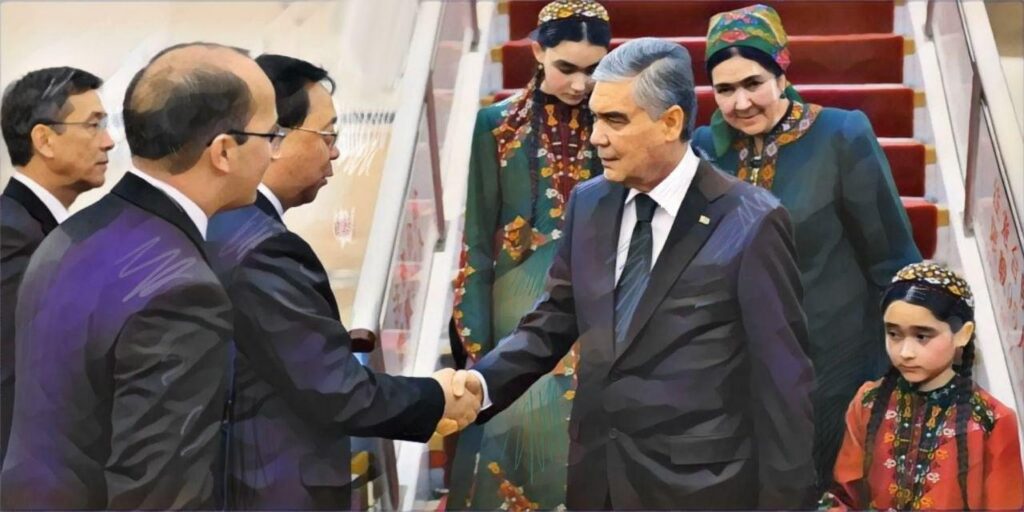
Chinese Vice Premier Ding Xuexiang and Gurbanguly Berdymuhamedov, Tukmenistan's former President and the current Chairman of its highest representative body, the Halk Maslahaty, have launched the fourth phase of industrial development of the Galkynysh gas field in Mary region. Located about 400 km southeast of Ashgabat, the Galkynysh field has been producing natural gas since 2013 and is considered one of the world’s largest in terms of reserves. The British consulting firm GaffneyCline estimates the reserves of Galkynysh, together with the neighboring fields Garakol and Yashlar, at 27.4 trillion cubic meters of natural gas. On April 16, the State Concern Turkmengas and China’s CNPC Amudarya Petroleum Company Ltd. signed a contract for the turnkey construction of the fourth phase of the field’s development. The project includes the drilling of production wells and the construction of a gas processing facility with a capacity of 10 billion cubic meters of commercial gas per year. According to industry publication Nebit-Gaz, the Galkynysh field is being developed in phases. The first phase, which included the construction of three gas processing plants with a total capacity of 30 billion cubic meters per year, is currently operational. The second, third, and fourth phases are planned for the near future. Upon full development, the field’s gross annual production could reach nearly 200 billion cubic meters of natural gas. The Galkynysh field serves as the main resource base for Turkmen gas exports to China. China remains the largest buyer of Turkmen natural gas. Three lines (A, B, and C) of the Turkmenistan-China gas pipeline system currently deliver approximately 40 billion cubic meters of gas annually. With the planned commissioning of a fourth line (Line D), export volumes are expected to increase to around 65 billion cubic meters per year. The resource base of Galkynysh is a key factor in the planned construction of Line D, which is expected to significantly increase gas supplies to China. According to Guvanch Agajanov, Vice-Chairman of Turkmenistan's Cabinet of Ministers, total Turkmen gas exports to China have exceeded 462 billion cubic meters over the past 20 years. The Galkynysh field has also been designated as the resource base for the Turkmenistan-Afghanistan-Pakistan-India (TAPI) gas pipeline, which is under construction and is expected to have a capacity of 33 billion cubic meters per year.

Berdimuhamedov’s Beijing Visit and the Reshaping of Central Asia’s Gas System

The visit by Turkmenistan’s Gurbanguly Berdimuhamedov, Chairman of the Halk Maslahaty, to Beijing on March 17–19 did more than routinely reaffirm Turkmenistan’s ties with China. It opened onto a wider issue in Central Asian energy, not simply about continuing the cooperation between Ashgabat and Beijing, but about how the renewal of that cooperation would affect the Central Asia–wide gas production and transmission system that increasingly intersects with China’s wider infrastructural and industrial presence in the region. No dramatic announcement of any new export route highlighted that wider significance, which emerged from a narrower sequence of policy initiatives that carried broader implications. Xi Jinping used the visit to restate the importance of cooperation in natural gas while widening the agenda to include connectivity, clean energy, artificial intelligence, and the digital economy. Within days of the meeting, Turkmenistan moved ahead on a new phase of development at Galkynysh with CNPC. These events signal a further deepening Chinese role in the upstream and systemic organization of Central Asian energy. What Beijing Actually Signaled Beijing’s own language about the matter was direct. In the official Xinhua account of Xi’s March 18 meeting with Berdimuhamedov, China called for the two sides to “expand the scale of cooperation in the natural gas sector” and to raise trade and investment levels. Such language confirms that gas remains at the center of the relationship even as the bilateral agenda widens. For all the parallel discussions of digitalization, transport links, and non-resource cooperation, the political weight of Sino-Turkmen ties still rests primarily on energy. The Chinese side, however, did not treat gas as a self-contained file. Gas remains the primary, but it is increasingly embedded within a wider pattern of regional engagement comprising energy, transport, and adjacent economic sectors. The same Beijing readout on the meeting with Berdimuhamedov placed connectivity, artificial intelligence, the digital economy, and clean energy alongside natural gas under a broader heading of expanded cooperation. This framing removes gas from its status as a stand-alone commodity and places it within a larger operational perspective. Neither the main Chinese readout nor the public official Turkmen framing of the visit highlighted Line D of the Central Asia–China gas pipeline system. Line D has long stood as the clearest indicator of a future expansion of Turkmen gas exports through Tajikistan and Kyrgyzstan into China. Had the visit produced a concrete breakthrough on that front, the official language would have been the obvious place to signal it. The practical movement after the trip lay elsewhere. Why It Matters Beyond Turkmenistan The focus lay at Galkynysh. In the immediate wake of the visit, President Serdar Berdimuhamedov authorized Turkmengaz to conclude a turnkey contract with CNPC Amudarya Petroleum Company Ltd. for Phase 4 of the Galkynysh gas field. The official Turkmen account linked the decision to meetings held during Gurbanguly Berdimuhamedov’s visit to China and specified facilities capable of processing 10 billion cubic meters of marketable gas per year. TCA reported the same move as a new phase of CNPC-backed field development....

Turkmenistan and CNPC Sign Deal on New Phase of Galkynysh Gas Field Development

Turkmenistan has signed a new agreement with China National Petroleum Corporation (CNPC) to advance the fourth phase of development at the Galkynysh gas field, one of the largest gas deposits in the world.  According to the state news agency TDH, CNPC will design and construct production facilities on a turnkey basis, including gas wells and infrastructure capable of processing up to 10 billion cubic meters of marketable gas annually. The agreement follows a presidential decree authorizing the state concern Turkmengaz to conclude a contract with CNPC’s subsidiary, CNPC Amudarya Petroleum Company Ltd. The document provides for the construction of gas treatment facilities and the drilling of a sufficient number of production wells to maintain the planned output level. According to reports by industry publication Nebit-Gaz, work on the fourth phase was expected to begin in early 2026. The overall development plan for the Galkynysh field is divided into seven phases. Information published on the Turkmengaz website, citing the international conference “Oil and Gas of Turkmenistan, 2025,” indicates that the first phase has already been completed and is operational. It includes three gas processing plants with a combined annual capacity of 30 billion cubic meters. Turkmenistan possesses the world’s fourth-largest proven reserves of natural gas, yet its export routes remain limited. The majority of gas exports, estimated at between 80% and 90%, are directed eastward through the Central Asia-China pipeline network, often referred to as the Turkmenistan-China corridor. This has resulted in a high degree of dependence on a single export destination. Efforts to diversify export routes have encountered persistent challenges. Proposed projects involving increased deliveries through Iran, trans-Caspian connections via Azerbaijan, or pipeline routes toward South Asia have been constrained by infrastructure limitations, financing issues, and geopolitical factors.  Analysts also note that delays in engaging with initiatives such as the European Union’s Southern Gas Corridor in the early 2000s reduced opportunities to expand Turkmenistan’s export geography.