
• KGS/USD = 0.01144 0%
  • KZT/USD = 0.00204 0%
  • TJS/USD = 0.10394 -0.38%
  • UZS/USD = 0.00008 0%
  • TMT/USD = 0.28490 -0.28%
  • KGS/USD = 0.01144 0%
  • KZT/USD = 0.00204 0%
  • TJS/USD = 0.10394 -0.38%
  • UZS/USD = 0.00008 0%
  • TMT/USD = 0.28490 -0.28%
  • KGS/USD = 0.01144 0%
  • KZT/USD = 0.00204 0%
  • TJS/USD = 0.10394 -0.38%
  • UZS/USD = 0.00008 0%
  • TMT/USD = 0.28490 -0.28%
  • KGS/USD = 0.01144 0%
  • KZT/USD = 0.00204 0%
  • TJS/USD = 0.10394 -0.38%
  • UZS/USD = 0.00008 0%
  • TMT/USD = 0.28490 -0.28%
  • KGS/USD = 0.01144 0%
  • KZT/USD = 0.00204 0%
  • TJS/USD = 0.10394 -0.38%
  • UZS/USD = 0.00008 0%
  • TMT/USD = 0.28490 -0.28%
  • KGS/USD = 0.01144 0%
  • KZT/USD = 0.00204 0%
  • TJS/USD = 0.10394 -0.38%
  • UZS/USD = 0.00008 0%
  • TMT/USD = 0.28490 -0.28%
  • KGS/USD = 0.01144 0%
  • KZT/USD = 0.00204 0%
  • TJS/USD = 0.10394 -0.38%
  • UZS/USD = 0.00008 0%
  • TMT/USD = 0.28490 -0.28%
  • KGS/USD = 0.01144 0%
  • KZT/USD = 0.00204 0%
  • TJS/USD = 0.10394 -0.38%
  • UZS/USD = 0.00008 0%
  • TMT/USD = 0.28490 -0.28%

Viewing results 1 - 6 of 9

Uzbekistan Pledges Support for Gaza Reconstruction

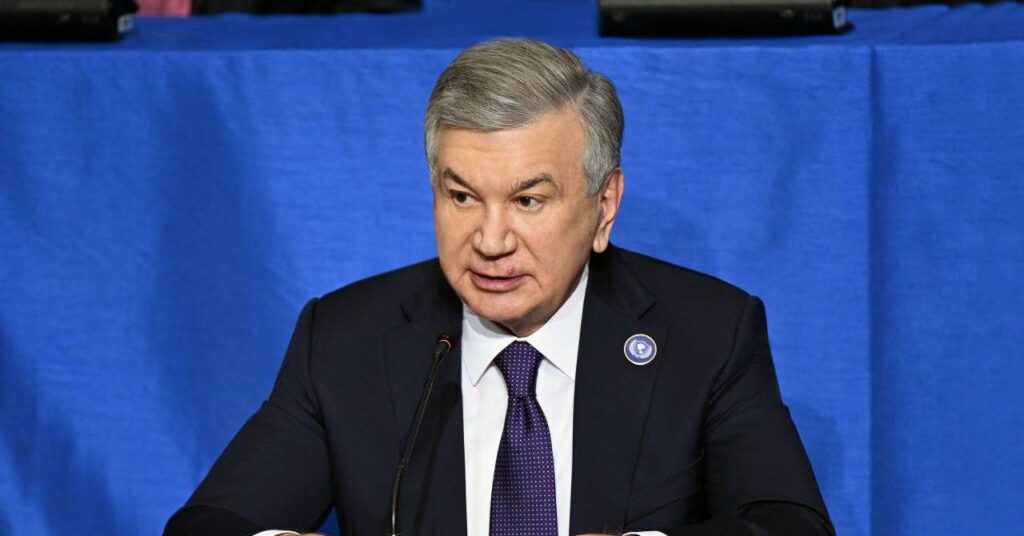
United States President Donald Trump introduced Uzbekistan’s President Shavkat Mirziyoyev as “a friend” during the inaugural meeting of the Board of Peace in Washington, setting a cordial tone for a summit focused on post-conflict recovery in Gaza. In brief remarks while welcoming Mirziyoyev, Trump said Uzbekistan was “doing great” and had “no problems.” The summit, held on February 19 at the United States Institute of Peace, brought together heads of delegations from Azerbaijan, Kazakhstan, Bahrain, Indonesia, Argentina, Paraguay, Romania, Egypt, Qatar, Pakistan, Hungary, Albania, Armenia, Vietnam, Cambodia, the United Arab Emirates, Turkey, Kuwait, Saudi Arabia, Israel, and Morocco, among others. Discussions focused on reconstruction and humanitarian assistance for the Gaza Strip, as well as broader efforts to promote stability in the Middle East. In his address, Mirziyoyev thanked Trump for convening the inaugural meeting of the Board, describing the summit as the result of his “political will and pragmatism.” Uzbekistan supported the initiative to establish the Board of Peace and declared its readiness to participate in its practical implementation. “I am confident that the Board’s work will create favorable conditions for the economic and social restoration of Gaza,” Mirziyoyev said. He stressed that any mechanism for external governance in Gaza must be based on the support of its population. Coordinated efforts by all stakeholders, he added, would help ensure that the post-conflict process remains sustainable and that reconstruction advances efficiently. Mirziyoyev also announced that Uzbekistan is prepared to contribute to the construction of residential buildings, kindergartens, schools, and hospitals in Gaza. He described the meeting as a symbol of international solidarity and urged participants to seize what he called a historic opportunity to help build a renewed Gaza with a functioning economy and improved living conditions.
Hundreds of Central Asian Nationals Have Served in Israeli Army During Gaza War

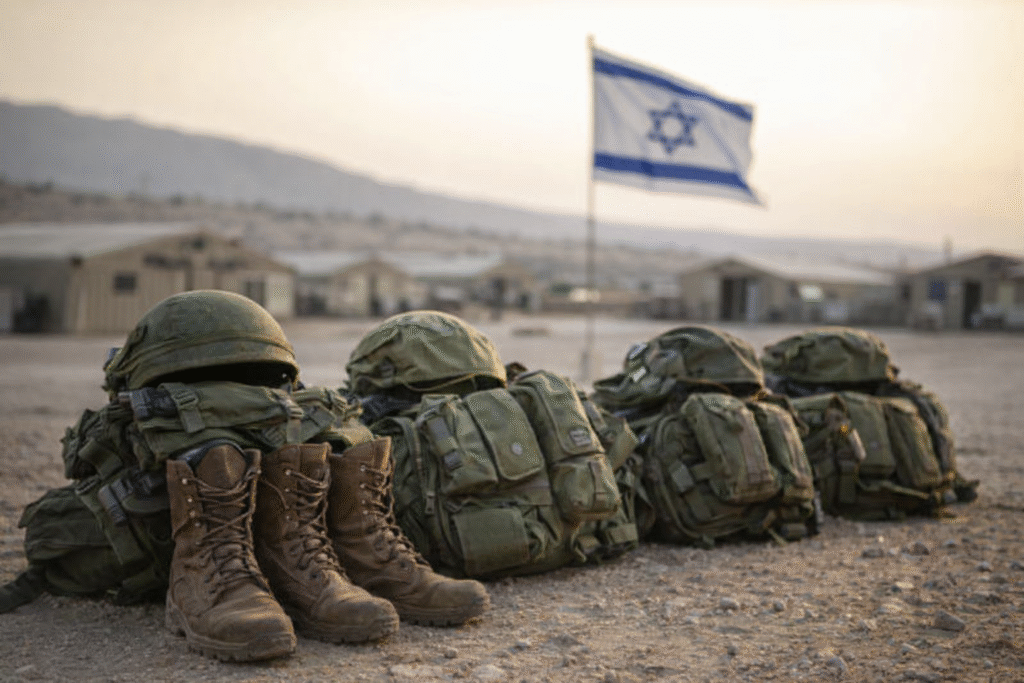
Hundreds of citizens from Central Asia have served in the Israeli military during its ongoing campaign in Gaza, according to an analytical report published by Al Jazeera, which cited official data provided by Israeli sources. The data, shared with Al Jazeera by Israeli lawyer Elad Man, legal counsel for the organization Hatzlacha, indicates that as of March 2025, thousands of foreign nationals were enlisted in the Israeli army, 17 months after the outbreak of the war in Gaza in October 2023. Among them were 264 individuals holding Uzbek citizenship, according to the report. The publication noted that these individuals were described as belonging to five different ethnic groups, although their specific backgrounds were not disclosed. It was also stated that they hold Israeli citizenship in addition to Uzbek nationality. The figures suggest that foreign nationals serve in significant numbers within the Israeli military. Between 12,000 and 13,000 service members are reported to be U.S. citizens, forming the largest group. The data lists 6,127 French nationals, 5,067 Russian citizens, 3,901 Ukrainians, and 1,668 Germans. The Israeli military clarified that individuals with multiple citizenships are counted more than once in the country-by-country breakdown. In addition to Uzbekistan, other Central Asian states were represented. The report states that 189 citizens of Kazakhstan, 52 citizens of Kyrgyzstan, 31 citizens of Turkmenistan, and eight citizens of Tajikistan were serving in the Israeli armed forces. Since October 7, 2023, Israel’s military campaign in Gaza has resulted in at least 72,061 deaths, according to figures cited in the report. Human rights organizations have described aspects of the campaign as constituting war crimes and crimes against humanity. Rights groups have sought to identify and pursue legal action against foreign nationals allegedly involved in violations, including individuals who have shared footage from the conflict on social media. In March 2024, the International Centre of Justice for Palestinians launched the “Global 195” campaign, aimed at holding Israeli and dual-national individuals accountable for alleged crimes committed in Gaza. The initiative seeks to pursue private arrest warrants and initiate proceedings across multiple jurisdictions. For countries that are parties to the Rome Statute of the International Criminal Court, including Palestine, which acceded in 2015, the court may assert jurisdiction in relevant cases. Israel’s relations with Central Asia have drawn increased attention in recent years. In late 2025, Kazakhstan became the first Muslim-majority country outside the Middle East to join the Abraham Accords framework, while Uzbekistan has maintained longstanding diplomatic and trade ties with Israel. Analysts note that these established relations contrast with the more critical positions adopted by some European countries.

Central Asia and Azerbaijan on Board as the Gaza Peace Effort Gets Underway

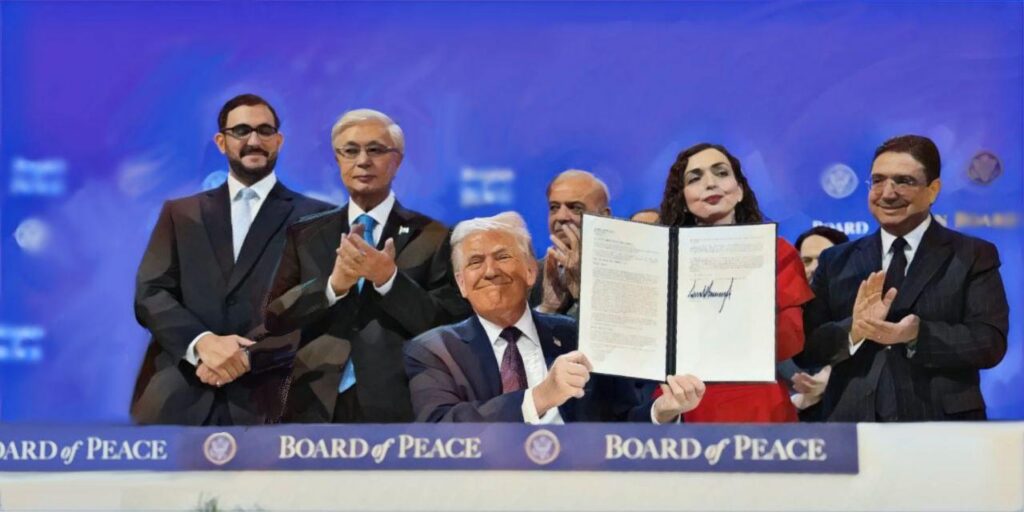
As the Trump Administration is trying to drag the world toward the reconstruction of Gaza, an undertaking fraught with security, political, and economic challenges, a gap is emerging between the “old” Europe, skeptical of Trump, and nation-states seeking to expand cooperation with Washington. Central Asian and Caucasian "middle powers" are among the emerging allies in the Trump Administration's latest diplomatic gambit for peace. Kazakhstan took a leadership position as the first Muslim-majority state outside the Middle East to join the Abraham Accords in November 2025. President Kassym-Jomart Tokayev, an experienced diplomat, former Foreign Minister, and high-level U.N. official, represented his country at the Board of Peace inauguration during the January 2026 session of the World Economic Forum in Davos, Switzerland. So did Ilham Aliev, President of Azerbaijan, and his First Lady and First Vice President, Mehriban, both of whom met with Trump in Davos. The attendance and participation of leaders of other majority-Muslim states outside the Middle East are also noteworthy. President Shavkat Mirziyoyev of Uzbekistan, Prabowo Subianto of Indonesia, Vjosa Osmani-Sadriu of Kosovo, and Prime Minister Mian Muhammad Shehbaz Sharif of Pakistan signed the Charter on behalf of their respective nations. Those who chose not to participate are equally noteworthy. France, the United Kingdom, Belgium, Portugal, Canada, and Australia, which publicly announced or reaffirmed recognition of a State of Palestine around the U.N. General Assembly in September 2025, each determined not to attend the signing ceremony at Davos, despite the fact that the establishment of the Board was officially welcomed by the UN Security Council in November 2025. This underscores the challenges that will arise as Trump’s Comprehensive Plan to End the Gaza Conflict enters its second phase, which foresees Hamas’ disarmament. Similarly, differences in policy toward Israel among the Muslim-majority countries that signed the Charter speak to the complexity of the Board’s task. Kazakhstan, Uzbekistan, and Azerbaijan have longstanding diplomatic and trade relations with Israel. This contrasts with the complex and often hostile stances of Qatar, long ruled by the Al Thani family, and Turkey under Recep Tayyip Erdoğan, both of which support the Muslim Brotherhood and shelter Hamas terrorists. Then there are countries like Indonesia and Pakistan, which have never had diplomatic relations with Israel. Indonesia, under Subianto, continues to condition recognition of Israel on the creation of a Palestinian state. Pakistan has been officially hostile since its founding, and is particularly fearful of Jerusalem’s increasingly close relations with India, though it does have a history of covert information sharing and unofficial cooperation. Once again, navigating the political agendas and moving the reconstruction project forward will require a multi-dimensional chess game. Nevertheless, the Trump White House is working on the Board of Peace's first meeting, set for February 19th. Currently, there is no official word about whether the leaders of Kazakhstan and Uzbekistan will attend, while other leaders plan to, such as President Aliyev, who just signed a Strategic Partnership Charter during a visit by U.S. Vice President J.D. Vance to Azerbaijan, and PM Nikol Pashinyan of...
