• KGS/USD = 0.01143 0%
  • KZT/USD = 0.00216 0%
  • TJS/USD = 0.10684 -0.28%
  • UZS/USD = 0.00008 0%
  • TMT/USD = 0.28571 0%
  • KGS/USD = 0.01143 0%
  • KZT/USD = 0.00216 0%
  • TJS/USD = 0.10684 -0.28%
  • UZS/USD = 0.00008 0%
  • TMT/USD = 0.28571 0%
  • KGS/USD = 0.01143 0%
  • KZT/USD = 0.00216 0%
  • TJS/USD = 0.10684 -0.28%
  • UZS/USD = 0.00008 0%
  • TMT/USD = 0.28571 0%
  • KGS/USD = 0.01143 0%
  • KZT/USD = 0.00216 0%
  • TJS/USD = 0.10684 -0.28%
  • UZS/USD = 0.00008 0%
  • TMT/USD = 0.28571 0%
  • KGS/USD = 0.01143 0%
  • KZT/USD = 0.00216 0%
  • TJS/USD = 0.10684 -0.28%
  • UZS/USD = 0.00008 0%
  • TMT/USD = 0.28571 0%
  • KGS/USD = 0.01143 0%
  • KZT/USD = 0.00216 0%
  • TJS/USD = 0.10684 -0.28%
  • UZS/USD = 0.00008 0%
  • TMT/USD = 0.28571 0%
  • KGS/USD = 0.01143 0%
  • KZT/USD = 0.00216 0%
  • TJS/USD = 0.10684 -0.28%
  • UZS/USD = 0.00008 0%
  • TMT/USD = 0.28571 0%
  • KGS/USD = 0.01143 0%
  • KZT/USD = 0.00216 0%
  • TJS/USD = 0.10684 -0.28%
  • UZS/USD = 0.00008 0%
  • TMT/USD = 0.28571 0%

Viewing results 1 - 6 of 108

Changing Volumes of Gold Mined in Kazakhstan and Uzbekistan

According to data  issued by the U.S. Geological Service, in 2023, 130 tons of gold were mined in Kazakhstan and 100 tons in Uzbekistan. Kazakhstan's volume increased by 15 tons compared to 2022, whilst Uzbekistan's decreased by 4 tons. Russia produced 310 tons of gold, equivalent to that mined the previous year. Worldwide, 3,600 tons of gold were produced in 2023, 60 tons less than in 2022. The U.S. Geological Survey has yet to release the latest estimate of gold production in Kyrgyzstan but according to data, the country mined  25.3 tons in 2022. As of September 1, Uzbekistan’s international reserves reached $39.15 billion; a record indicator since data disclosure began in 2018. The National Bank of Kazakhstan counts the country’s gold and foreign exchange reserves in February 2024 at $36.1 billion. In 2014, this indicator was at $26.05 billion, meaning that over the past ten years, the volume of gross international reserves has increased by $10 billion (+38.6%).

Kumtor: Drop In Gold Production No Cause For Concern

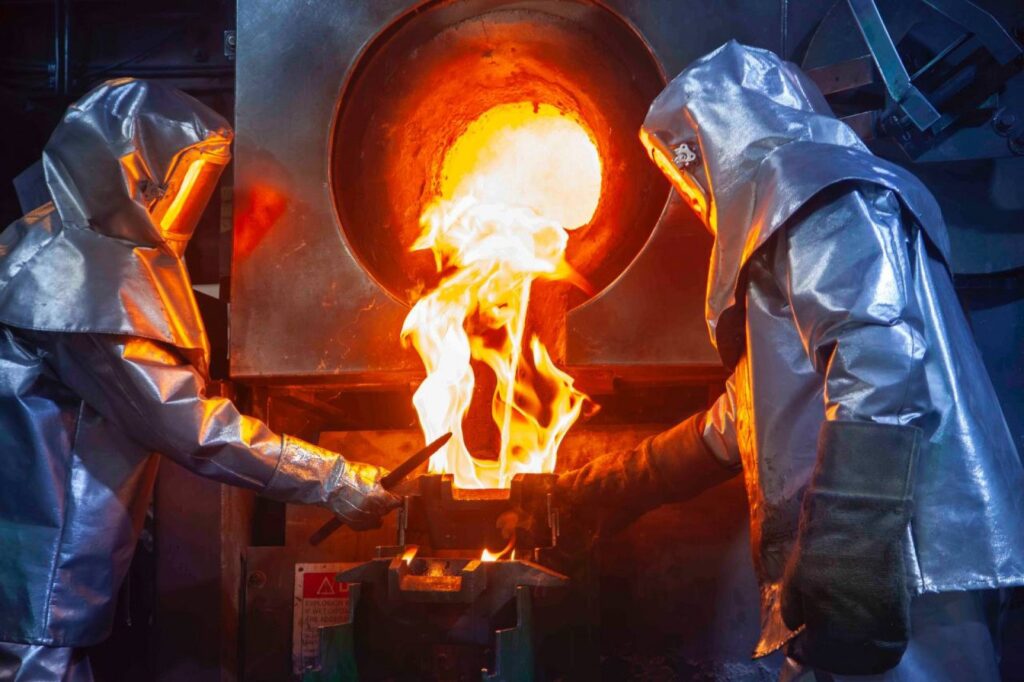
Kyrgyzstan's largest gold mining company, Kumtor, has announced a decrease in gold production. However, authorities assure that this is temporary. In 2023, Kumtor Gold Company produced 13.5 tons of gold, less than planned; the professional community even began to talk about the mine's imminent depletion. However, the company itself hastened to reassure citizens. The company's representatives commented: “Reduced gold production targets are common due to the low grade of gold in commercial ore mined at Kumtor. The mining of low-grade ore will continue for some time. In the future, gold production is expected to increase to 17-18 tons gradually. This takes into account the implementation of projects for underground mining of gold-containing ore and processing waste ore from the tailings pond.” It is worth noting that all of Kyrgyzstan is watching the volume of gold production, as Kumtor's share of the country's GDP is almost 10%. In 2023, the company paid more than $200 million to the country's budget. After nationalization in 2021, foreign experts predicted a rapid closure of production. Allegedly, the gold extracted by open-pit mining at the mine is running out. “Right now, the ore is poor," responded Cabinet Chief Akylbek Japarov to the criticism. "We plan to mine 14 tons each. Previously, we were getting 17 tons. This happens in geology.” However, the low figures have forced the country's authorities to reconsider their approach to mining. Gold will now be mined underground. In addition, it was announced that the processing of gold in Kumtor's tailings pond will begin soon. Specialists of the Institute of Geology at the National Academy of Sciences confirmed to The Times of Central Asia information about the reduction of precious metals in the area of the open pit at Kumtor. Earlier, there were 7 grams of gold per ton of ore; today, it is 5 grams. “But the gold is not running out. There is still quite a lot of gold at Kumtor - over a thousand tons. But everything depends on the areas that are going to be developed. Part of the gold-bearing strip is under glaciers,” said geologist Rozalia Jenchuraeva. The Institute of Geology recommends that the government quietly conduct exploration and not rush to mine gold hidden under glaciers, as this could damage the ecology. “There is still enough gold at Kumtor, and you don't have to worry about it. Although gold mined underground will be more expensive, this method will have less impact on the melting of glaciers. The depth of gold content will probably change, but we will have enough for a hundred years; we need to be rational in our approach to mining,” Jenchuraeva emphasized. Previously, the Kumtor mine produced 20-22 tons of gold annually.

Uzbekistan’s Gold and Currency Reserves Reach Record Levels

As of September 1, Uzbekistan's international reserves reached $39.15 billion. This reserve value is a record indicator for after 2018 when data disclosure began. In August, the value of international assets increased by $1.75 billion, or about 4.7%, compared to July's increase of $1.06 billion. This increase was mainly due to gold. Although the net physical volume of gold in official reserves decreased from 12.1 ounces to 12 ounces during August, the metal's price on the world market has increased significantly. Due to this, the value of the gold part of reserves increased by $1.24 billion or 4.4% to $30.39 billion in one month. Since the beginning of 2024, the price of gold has risen by 20% on the world market. Last month, the price of standard gold bullion exceeded a million dollars for the first time in history. Uzbekistan was one of the countries that bought the most gold in July. In August, reserve assets in foreign currencies increased from $7.68 billion to $8.19 billion (+ $503.1 million). Uzbekistan’s gold-currency reserves have increased by $4.59 billion or 13.3% since the beginning of the year. The Times of Central Asia previously reported that Uzbekistan’s gold reserves reached $37.4 billion in August.

Store Selling Gold Bars to Open in Kyrgyzstan

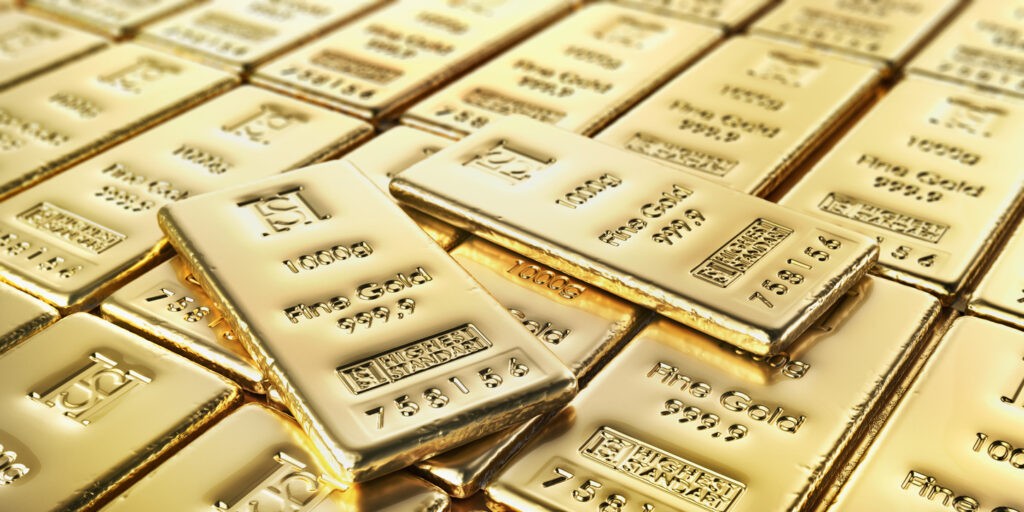
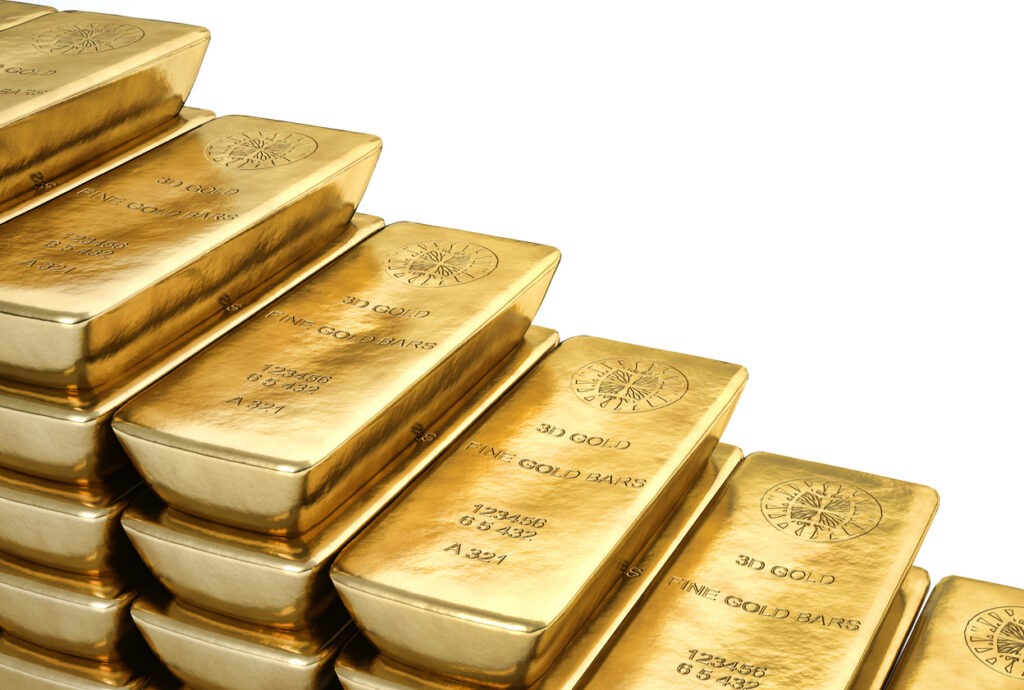
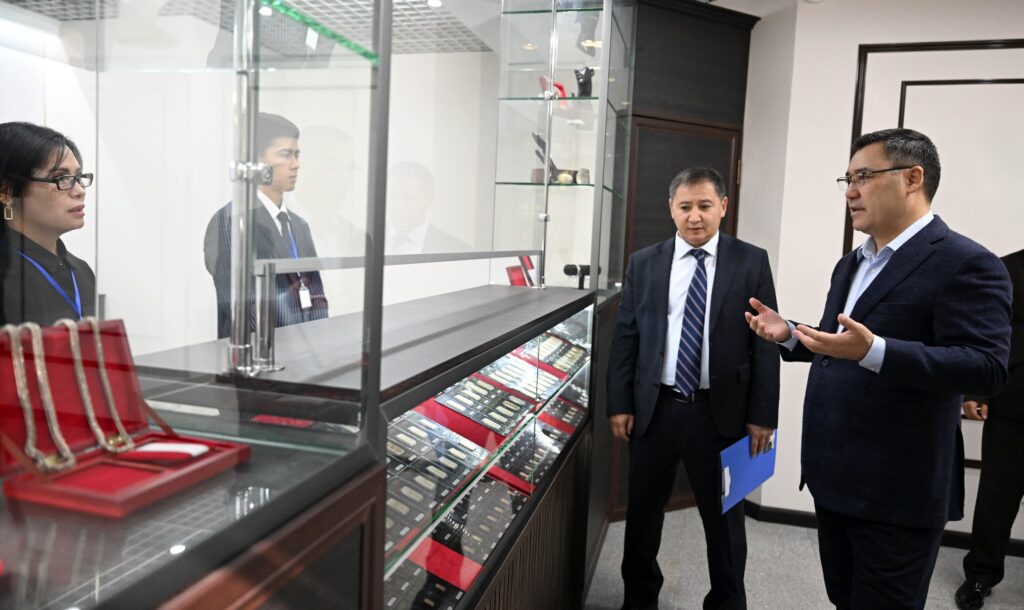
Kyrgyzstan’s state-owned gold-producing company, Kyrgyzaltyn OJSC, will open a store in Bishkek on September 5 to sell gold bars. On August 30, Kyrgyzaltyn opened a workshop for the production of gold bars in Kara-Balta, a town 100km west of Bishkek. It is Kyrgyzstan's first enterprise to produce measured gold bars, with a monthly production capacity of up to 14,000 units. The facility uses advanced technologies and modern equipment from Italy and Germany, allowing the production of souvenir coins and medals. Earlier, the mayor of Kara-Balta, Mirlan Jekshenov, told Birinchi Radio that over the next year, the enterprise plans to release up to 3,600 kilograms of gold in bars of various weights — 1, 2, 5, 10, and 20 ounces and 50-100 grams — for the domestic market. In recent years, the country's government has encouraged the population to buy gold from the National Bank, saying that it is the best way for citizens to keep their savings. According to official statistics, gold accounts for almost 39% of Kyrgyzstan’s exports; in 2023, Kyrgyzstan sold more than 20 tons of gold. Most of Kyrgyzstan’s gold is produced at the country’s largest gold mine, Kumtor. Last year the mine produced 13,567 tons of gold, with a total revenue of $848 million and a net profit of $302.5 million.

Production of Granulated Gold and Silver Launched in Uzbekistan

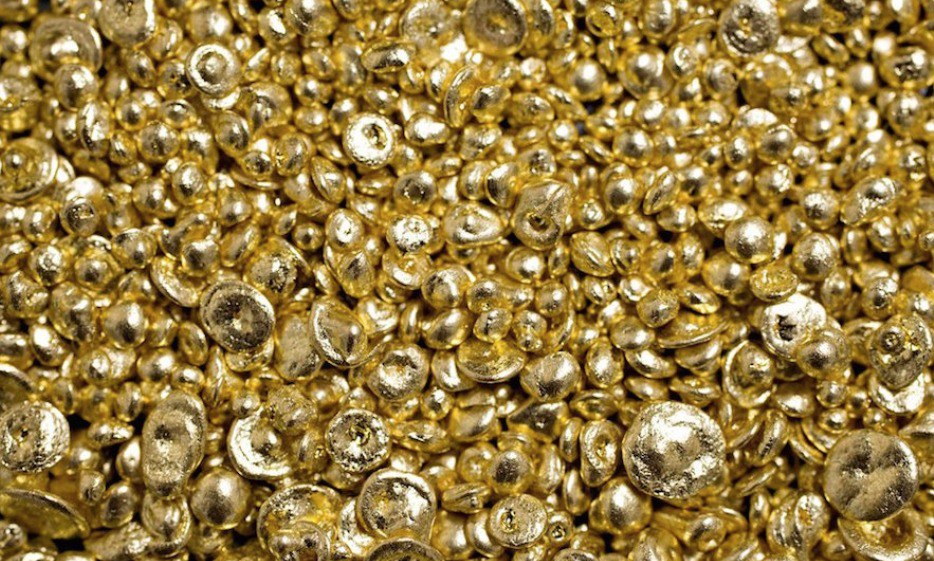
On July 16, Uzbekistan’s Almalyk Mining and Metallurgical Complex announced it would start producing gold and silver granules. The Almalyk plant will also begin production of granulated copper and plans to produce granules from other non-ferrous metals. The equipment for producing granulated gold, silver, and copper was purchased in Italy. According to the Almalyk Complex’s press service, the new products will prove convenient for jewelers. In jewelry production, losses occur during the re-melting of ingots and other means of mechanically processing metals. Gold and silver granules will reduce the cost of jewelry products and improve their quality. At a government meeting about Uzbekistan’s jewelry industry last month, President Shavkat Mirziyoyev said that just 6% of the gold mined in Uzbekistan is processed within the country, and exports of finished products from gold amount to only $78 million. The president emphasized the importance of creating jewelry zones equipped to attract entrepreneurs and reviewing raw materials that are supplied to the industry. In January-March 2024, Uzbekistan exported gold worth $2.6 billion, with revenue from gold exports comprising 41.7% of the country’s total export revenue.

Drop in Uzbekistan’s Gold Sales

 In April, Uzbekistan's sales of gold dropped significantly, according to data published by the World Gold Council (WGC). In the same month,  the total gold reserves held by the world’s central banks increased by 33 tons and volumes of purchases and sales amounted 36 tons and 3 tons respectively. The most active buyers of precious metals during the reporting period were the Central Banks of Turkey (8 tons), Kazakhstan (6 tons), and India (6 tons). Meanwhile,  the Central Bank of China greatly reduced its gold purchases , while increasing its reserves by 2 tons to 2,264 tons; the lowest figure since November 2022. A significant decrease in precious metal sales occurred at the expense of Uzbekistan and Jordan, whose reserves decreased by only 1 ton. In May, the world central banks' reserves  increased by 10 tons, the volume of purchases was 23 tons, and that of sales, totalled 12 tons. During that month, Kazakhstan took the lead in sales of 10 tons of gold. A previous report, posted by the TCA, provided data for Uzbekistan’s gold exports in February and March.