• KGS/USD = 0.01143 0%
  • KZT/USD = 0.00216 0%
  • TJS/USD = 0.10684 -0.28%
  • UZS/USD = 0.00008 0%
  • TMT/USD = 0.28571 0%
  • KGS/USD = 0.01143 0%
  • KZT/USD = 0.00216 0%
  • TJS/USD = 0.10684 -0.28%
  • UZS/USD = 0.00008 0%
  • TMT/USD = 0.28571 0%
  • KGS/USD = 0.01143 0%
  • KZT/USD = 0.00216 0%
  • TJS/USD = 0.10684 -0.28%
  • UZS/USD = 0.00008 0%
  • TMT/USD = 0.28571 0%
  • KGS/USD = 0.01143 0%
  • KZT/USD = 0.00216 0%
  • TJS/USD = 0.10684 -0.28%
  • UZS/USD = 0.00008 0%
  • TMT/USD = 0.28571 0%
  • KGS/USD = 0.01143 0%
  • KZT/USD = 0.00216 0%
  • TJS/USD = 0.10684 -0.28%
  • UZS/USD = 0.00008 0%
  • TMT/USD = 0.28571 0%
  • KGS/USD = 0.01143 0%
  • KZT/USD = 0.00216 0%
  • TJS/USD = 0.10684 -0.28%
  • UZS/USD = 0.00008 0%
  • TMT/USD = 0.28571 0%
  • KGS/USD = 0.01143 0%
  • KZT/USD = 0.00216 0%
  • TJS/USD = 0.10684 -0.28%
  • UZS/USD = 0.00008 0%
  • TMT/USD = 0.28571 0%
  • KGS/USD = 0.01143 0%
  • KZT/USD = 0.00216 0%
  • TJS/USD = 0.10684 -0.28%
  • UZS/USD = 0.00008 0%
  • TMT/USD = 0.28571 0%

Viewing results 1 - 6 of 108

U.S. Ranks Among Top Ten in Uzbekistan’s Foreign Trade Turnover

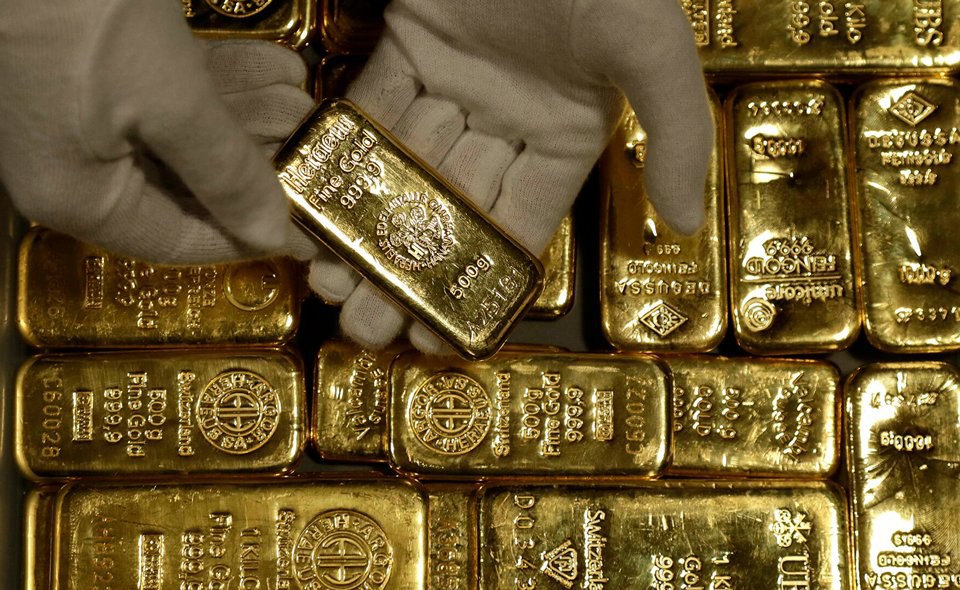
The Statistics Agency of Uzbekistan has presented information on the country’s foreign trade turnover for January - May 2024. The republic’s foreign trade turnover (FTT) reached $26.7 billion during the reporting period. The volume of exports was $10.8 billion, and the volume of imports was $15.8 billion. Compared to the same period last year, the volume of exports increased by 1.9%, and the volume of imports increased by 3.7%. Uzbekistan's negative foreign trade balance has reached $5 billion. China has retained its position as Uzbekistan's largest trading partner. During the reporting period, the volume of mutual trade reached $5 billion, which is 18.9 % of the republic's total foreign trade turnover. A significant segment of foreign trade turnover was also registered with Russia (17.9%), Kazakhstan (5.9%), Turkey (4.5%), and South Korea (3.4%). Top 10 countries with the highest share in foreign trade turnover of Uzbekistan in January-May 2024 were: China – $5.05 billion; Russia – $4.78 billion; Kazakhstan – $1.58 billion; Turkey – $1.19 billion; Korea – $920 million; France – $471 million; Turkmenistan – $455 million; Germany – $426 million; the USA – $386 million; and Afghanistan – $382 million. For the five months in question, exports without gold increased by 5.9%, almost $6.58 billion. During this period, the share of gold exports decreased from 40.3% to 38.6 %, or $4.2 billion. Furthermore, the share of industrial products in total exports rose from 15.8% to 15.9%, chemicals from 4.3% to 5.6%, mineral fuels from 3% to 3.2%, and machinery and transport equipment from 4.5% to 4.6%, whilst the share of food products and live animals decreased from 6.3% to 5.8%. Machinery and transport equipment (37.3 %), industrial goods (15.2 %), and chemicals and similar products (12.3 %) accounted for the largest share of imports.

Uzbekistan Seeks to Boost its Jewellery Industry

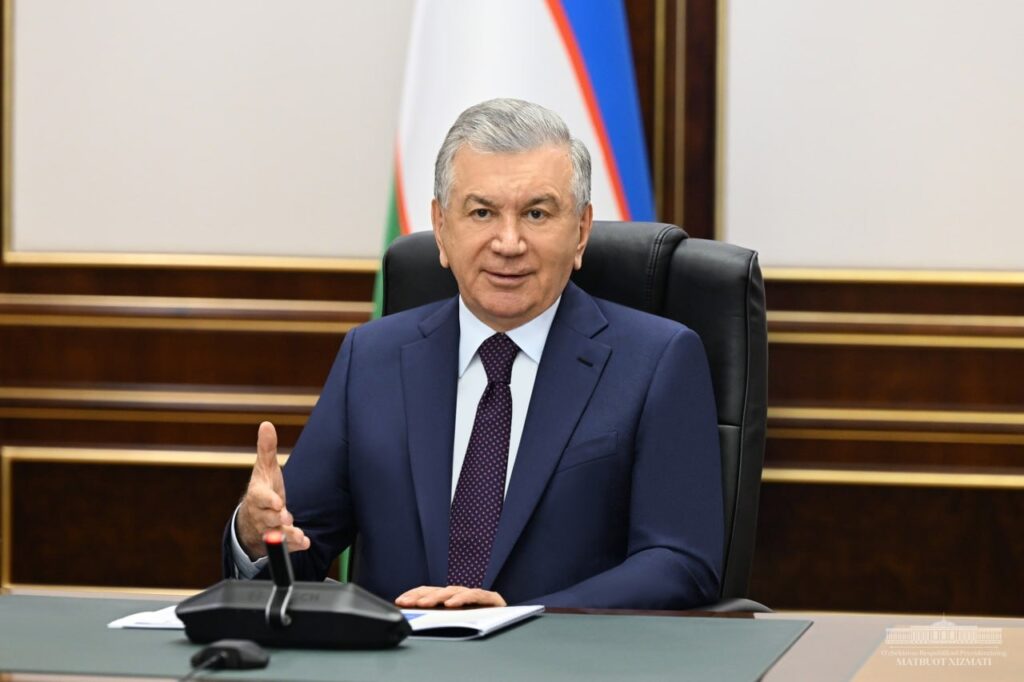
At a government meeting on June 19, plans to further develop Uzbekistan’s jewellery industry, support production and increase  exports were presented to President Shavkat Mirziyoyev. Noting the country’s huge potential for increasing the production and export of jewellery, the president said that just 6 percent of the gold mined in Uzbekistan is processed, and exports of finished products from gold amount to only $78 million. He thus emphasized the importance of creating jewellery zones equipped to attract entrepreneurs, a review of supplies of raw materials to the industry, and training specialists in the field. With reference to the above, the head of state issued instructions for a program to be developed to enhance the domestic jewellery industry until 2027. The meeting also discussed piloting special jewellery centres with production, exhibition and trading areas in Tashkent and the Namangan region. The government is considering establishing, until October 1, 2026, a zero rate of customs duty and value added tax on equipment, packaging and labelling materials used, but not produced, in Uzbekistan in the jewellery industry. An additional proposal was mooted to establish a zero-customs duty rate for the export of Uzbek jewellery to the USA. In January-March 2024, Uzbekistan exported gold worth $2.66 billion. In the first quarter of the year, revenues from gold exports comprised 41.7% of the country’s total exports. In 2023, gold exports accounted for 33.4%, or $8.1 billion, of Uzbekistan’s total export volume.    

Uzbekistan’s Reserves Reached $36.6 Billion in May.

The Central Bank of Uzbekistan has stated that its gold and hard currency reserves reached in excess of $36 billion in May, an increase of over $1.5 billion compared to the previous month. However, the physical volume of gold in reserves decreased by 11.4 million troy ounces. Furthermore, the volume of the regulator’s deposits with the central banks of other countries and the International Monetary Fund increased significantly and amounted to $422.7 million. The amount of funds in the accounts of other foreign financial institutions also increased by $1.2 billion. The Times of Central Asia previously reported that as of March 1st, 2024, Uzbekistan’s official reserves amounted to $32.19 billion, having decreased by $2.37 billion in January and February.

High Gold Prices Keep the Uzbek Economy Afloat

In March this year, Uzbekistan became the largest seller of gold in the world: eleven tons of the strategic asset were sold. This strategy has allowed it to maintain reserves at a time of increasing government debt and state budget deficit. "We have a trade deficit, a budget deficit. Perhaps other exports are not as good as we would like them to be. With high gold prices amid geopolitical instability, there are worse times to sell gold," Yuli Yusupov, an independent Tashkent-based economist, told Radio Ozodlik. As of May 1, Uzbekistan's foreign exchange reserves totaled $34.2 billion, of which about $26.5 billion was gold, according to the country's Central Bank. By the end of 2023, the country's "financial safety cushion" has decreased by $1.2 billion - from $35.77 billion to $34.56 billion. Gold helps Uzbekistan "stay afloat" in difficult economic conditions. Between 2010 and 2014 the country exported 207 tons; between 2015 and 2020 it exported 480 tons. Now, Uzbekistan produces an average of 100 tons of gold per year, with plans to produce 150 tons. At this rate, gold reserves should last 20-30 years, but the republic is developing new quarries, the reserves of which could be quite impressive. For example, reserves in the Yoshlik mine may be up to 5,000 tons. Nevertheless, according to analysts, the constant sale of gold is not a long-term solution, and it will be necessary to develop industrial production and services, and export goods with high added value. Uzbekistan's growing dependence on gold is evidence of obvious problems in the economy, which, despite visible positive changes, remains in a deadlock. By the end of 2023, when Uzbekistan's trade deficit amounted to a record $13.7 billion, the share of gold exports in the total volume rose to a third. President Mirziyoyev's rise to power marked sweeping economic reforms that have attracted foreign investors, but at the same time increased external debt, which by the end of 2023, according to the International Monetary Fund, amounted to $31.7 billion, or 35.1% of the country's GDP, roughly doubling in the past five years. Under Islam Karimov (Uzbekistan's first president) this varied between 10-15%.

Uzbekistan’s First Quarter 2024 Gold Exports Rise to $2.66 Billion

Uzbekistan exported gold worth $2.66 billion in the first quarter (January-March) of 2024. In 1Q 2024, Uzbekistan's total foreign trade turnover amounted to $15.8 billion, which is almost $1 billion (6.2%) more than in the same period in 2023. Exports increased by 10% to $6.38 billion, and imports increased to $9.44 billion. The foreign trade deficit decreased slightly and amounted to $3.05 billion, which is $232.2 million less than in 2023. In 1Q 2024, gold exports increased by 10.5% annually and amounted to $2.66 billion -- in 1Q 2023, the figure was $2.41 billion. Revenues from gold exports comprised 41.7% of the country’s total exports. More than $1.35 billion worth of gold was exported in March, or nearly the same amount as in February ($1.32 billion). Looking at the total annual figures, in 2023 Uzbekistan's total export volume was $24.4 billion. Of that sum, 33.4%, or $8.1 billion, was accounted for by gold exports.

Uzbekistan Sold the Second Most Gold Last Year; Kazakhstan Held Top Spot

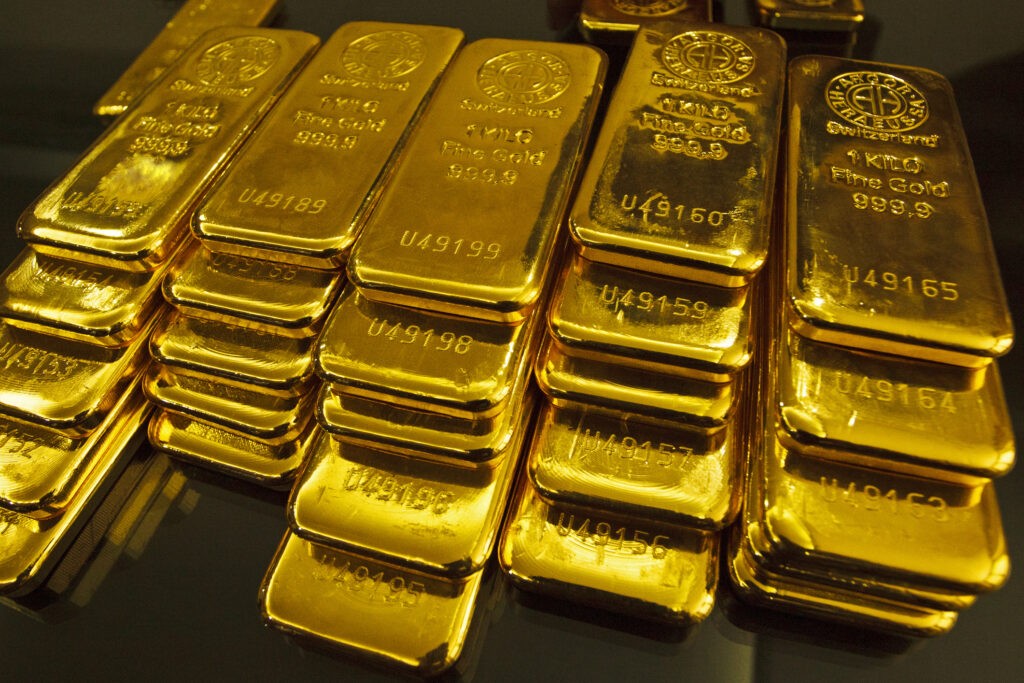
In 2023, Uzbekistan ranked second in the world in total gold sales, as the country sold more than 25 tons of the precious metal. That's according to data provided by the World Gold Council. Kazakhstan, having sold twice as much gold, took first place on the list. Annual revenue from Uzbek gold exports reached $8.15bn -- almost twice as much as in 2022. China bought the most gold last year, almost 230 tons. Poland, Singapore, Libya and the Czech Republic followed China on the list of top buyers. At the end of last year, gold set another record price of $2,135.39 per troy ounce, the highest price since the 2020 Covid-19 pandemic. Experts attribute gold's price gains to persistently high inflation and the conflict in the Middle East. Uzbekistan, with 362 tons of gold reserves, ranks 15th in the world. Among the Central Asian republics, it's outranked only by Kazakhstan with 402 tons of gold. The country's gold reserves can act as a shock absorber or insurance policy for the national economy -- which may be needed in cases of unfavorable macroeconomic conditions or as a defense against various financial or banking crises. According to the Central Bank of Uzbekistan, as of February 6, a five-gram gold bar costs $335. The country's central bank first began issuing and selling gold bars to the public in November 2020. They are made of pure, 999.9-grade gold weighing five, 10, 20 and 50 grams. They can be purchased through banks across  the republic at prices set by the regulator -- based on quotes from international markets, the exchange rate of the sum against the U.S. dollar, as well as the regulator's margin. The price of bullion is published daily. According to Central Bank head Mamarizo Nurmuratov, "in the near future, Uzbekistan's producers will be able to sell gold directly on the world market". Currently, the Central Bank of Uzbekistan buys gold inside the country in sums and sells them for dollars on the foreign market.