Kazakhstan Names Former Finance Official Deputy Defense Minister Amid Military Shake-Up
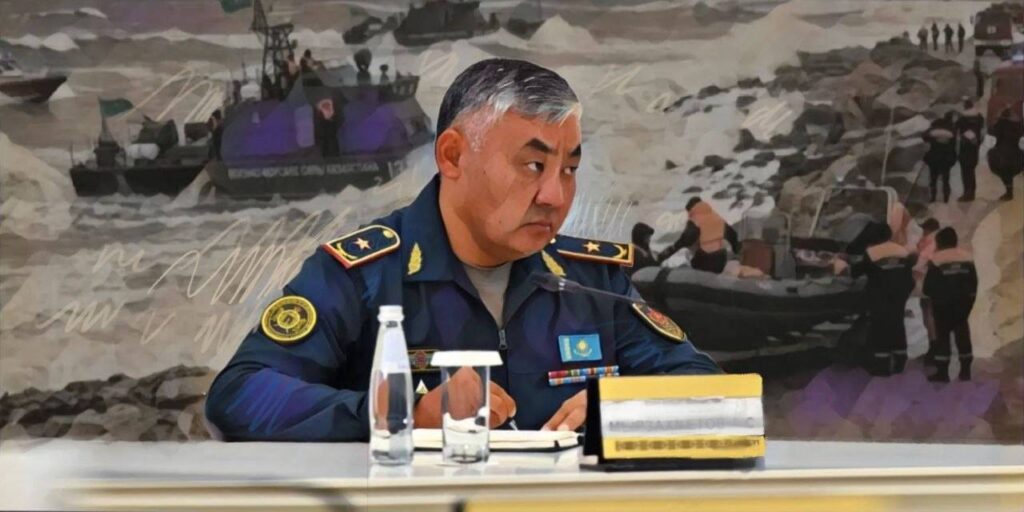
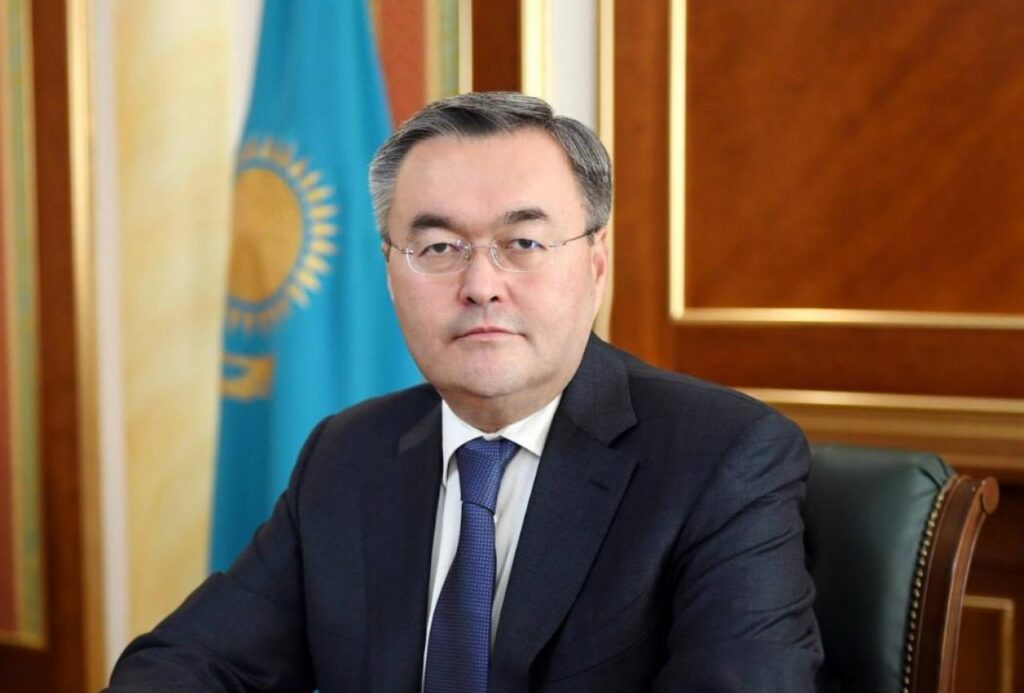
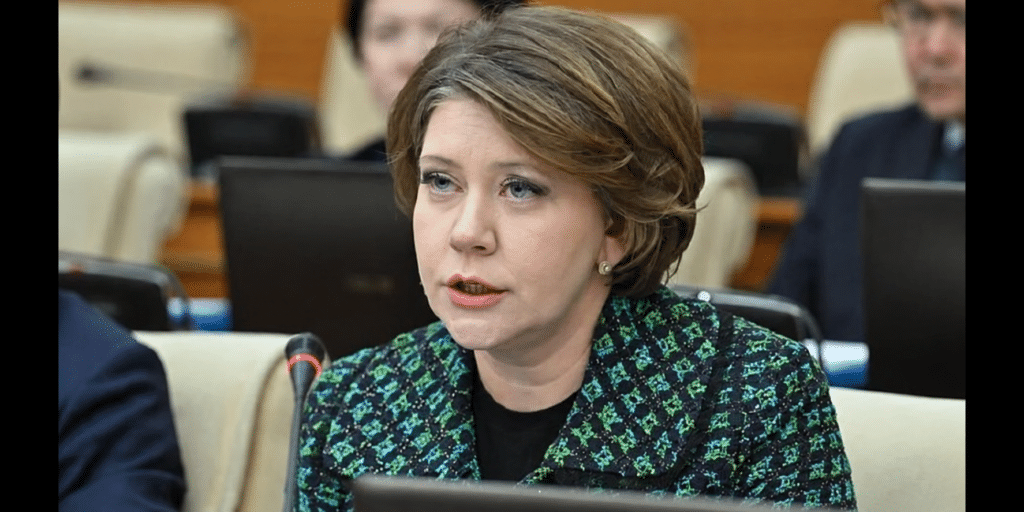
President Kassym-Jomart Tokayev appointed Tatyana Savelyeva deputy defense minister on October 7. The former vice minister of finance and member of parliament joins a ministry undergoing a major investigation following the deaths of 14 service members during exercises in the Caspian Sea. The investigation has led to criminal cases and arrests, while senior military commanders have been dismissed. Savelyeva replaced Asker Beisenov, who was dismissed from his position on the same day. To take up the appointment, she resigned early from the Kurultai, Kazakhstan's new unicameral parliament. Savelyeva joined it in late August 2026. The 50-year-old Savelyeva has spent most of her career working in public finance. From 2016 to 2023, she served as vice minister of finance, then became a member of the Mazhilis, the lower house of the former parliament, and secretary of the Committee on Finance and Budget. She became the committee’s chair in February 2024. In August 2026, she was elected to the Kurultai representing the Adilet party. The Defense Ministry has not yet announced which areas Savelyeva will oversee. Her predecessor, Beisenov, previously headed the ministry's Department of Economics and Finance. Political analyst Daniyar Ashimbayev links Savelyeva's appointment to the investigation into the Defense Ministry following the deaths of the service members in the Caspian Sea. He recalled corruption investigations within the ministry, including irregularities in military procurement and supplies. In Ashimbayev's assessment, Savelyeva's experience in the Finance Ministry and parliament could prove useful in bringing order to the military budget. On September 24, during the Khazar Qorgany 2026 naval exercises in the Mangystau region, on Kazakhstan's Caspian coast, 17 service members were swept out to sea. Three were rescued, and 14 died. The tragedy sparked public outrage and questions about how the exercises were organized, personnel training, and the actions of the military command. On September 27, Tokayev dismissed Defense Minister Dauren Kosanov. Aidos Myrzakhmetov became the new head of the ministry. The chief of the General Staff, the commander-in-chief of the Naval Forces, and other senior military officers subsequently lost their positions. On October 5, the president was presented with the initial findings of the Defense Ministry investigation. A commission headed by Deputy Chair of the Security Council Aida Balayeva identified violations in the organization of exercises, service member safety, discipline, and logistical support. Thirteen criminal cases have been opened over the suspected theft of state property, abuse of office, and other violations. The deaths of the service members are being investigated separately. At the October 5 briefing, officials said five military officials had been arrested in connection with the deaths. On October 6, the Interior Ministry announced the detention of former navy commander Kanat Niyazbekov on suspicion of negligence, with a court authorizing his arrest. Investigators also uncovered cases of hazing and violence against service members. Tokayev instructed officials to prepare a military reform plan, including changes to management, personnel training, discipline, and safety measures. On September 27, he gave the Security Council Office and Defense Ministry ten days to submit the...