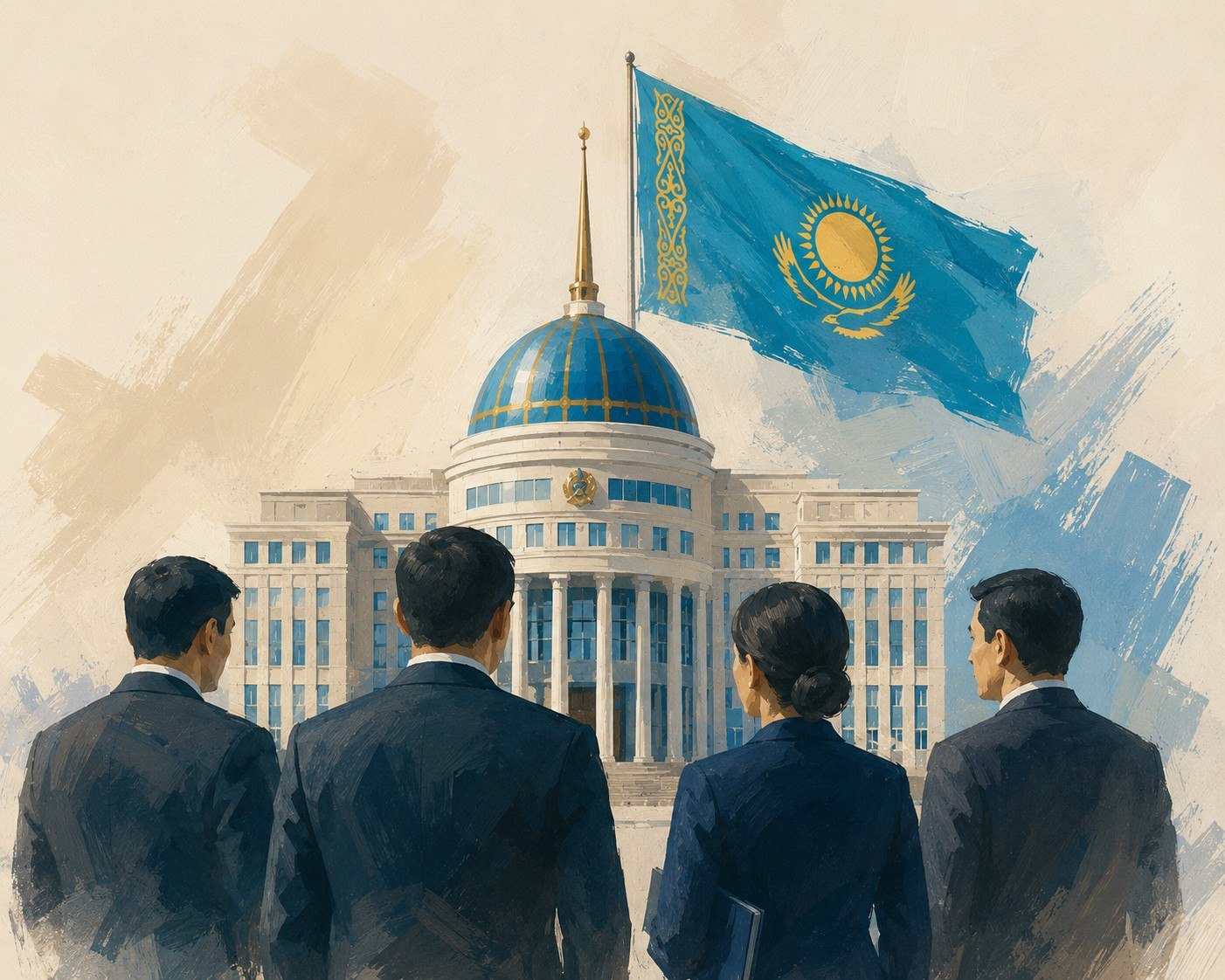
Kazakhstan completed the formation of its first government under the country’s new unicameral parliament on September 3. Olzhas Bektenov remains prime minister and the core economic team will stay in place, but there were changes at the foreign, culture and information, ecology, and emergency situations ministries.
The government resigned on August 28 following the election of the Kurultai, Kazakhstan’s new unicameral parliament, which replaced the Senate and Mazhilis. Ministers continued serving in an acting capacity while the new cabinet was formed.
On August 31, the Kurultai approved Bektenov’s candidacy for prime minister. He received 137 votes, with seven lawmakers abstaining and none voting against.
Continuity Across the Economic Team
The new cabinet is marked above all by continuity. Nurlуbek Nalibayev remains first deputy prime minister. Serik Zhumangarin will continue to combine the positions of deputy prime minister and minister of national economy, while Kanat Bozumbayev remains deputy prime minister. Zhaslan Madiyev retained his dual role as deputy prime minister and minister of artificial intelligence and digital development.
Madi Takiyev will continue to head the Finance Ministry, Yersayin Nagaspayev the Ministry of Industry and Construction, and Arman Shakkaliyev the Ministry of Trade and Integration.
Yerlan Akkenzhenov remains as energy minister at a difficult time for Kazakhstan’s oil sector. In 2026, the country repeatedly faced disruptions to exports through the Caspian Pipeline Consortium (CPC), the main route carrying Kazakh oil through Russia to the Black Sea. Astana is simultaneously trying to increase exports through alternative routes, expand oil refining, and bring new energy capacity online.
Nurlan Sauranbayev will continue overseeing transport. Before joining the government in 2025, Sauranbayev spent four years heading Kazakhstan Temir Zholy, the national railway company.
Aidarbek Saparov remains agriculture minister, while Nurzhan Nurzhigitov is staying on as minister of water resources and irrigation. The latter ministry is responsible, among other things, for transboundary water issues – one of the most sensitive regional challenges in Central Asia.
Galymzhan Koishybayev also retained his position as deputy prime minister and chief of staff of the government, a dual role he has held since January 2023.
The main security ministries also retained their leaders. Dauren Kosanov continues as defense minister, Yerzhan Sadenov as interior minister, and Yerlan Sarsembayev as justice minister.
Changes at Foreign Affairs and Other Ministries
The most prominent new appointment came a day before the rest of the cabinet was confirmed. On September 2, Mukhtar Tleuberdi returned as foreign minister. He previously headed Kazakhstan’s diplomatic service from 2019 to 2023, including during the first year following Russia’s full-scale invasion of Ukraine. For the past three years, Tleuberdi represented Kazakhstan as ambassdor to Austria and at international organizations in Vienna.
Tleuberdi replaced Yermek Kosherbayev, who spent less than a year as foreign minister. His return comes as Kazakhstan deepens economic ties with China, negotiates with the United States and European Union on critical minerals, and seeks additional oil export routes while maintaining close relations with Russia.
Arman Kyrykbayev was appointed minister of culture and information, replacing Aida Balayeva after she moved to the post of deputy chair of the Security Council. Before his appointment, Kyrykbayev was a presidential aide for domestic policy and communications. He previously worked in the presidential administration, held senior positions in government communications, and headed the Khabar television channel.
Alibek Kuantyrov returned to the government as minister of ecology and natural resources. He previously headed the Ministry of National Economy and later served as deputy foreign minister.
Murat Mukhanov was appointed minister of emergency situations, replacing Chingis Arinov. Before his appointment, Mukhanov headed the Mangystau Region Emergency Situations Department and, from June 2026, served as chief of staff at the Ministry of Emergency Situations.
First Cabinet Under the Kurultai
The current cabinet is the first to be formed following Kazakhstan’s most significant restructuring of its political system in decades.
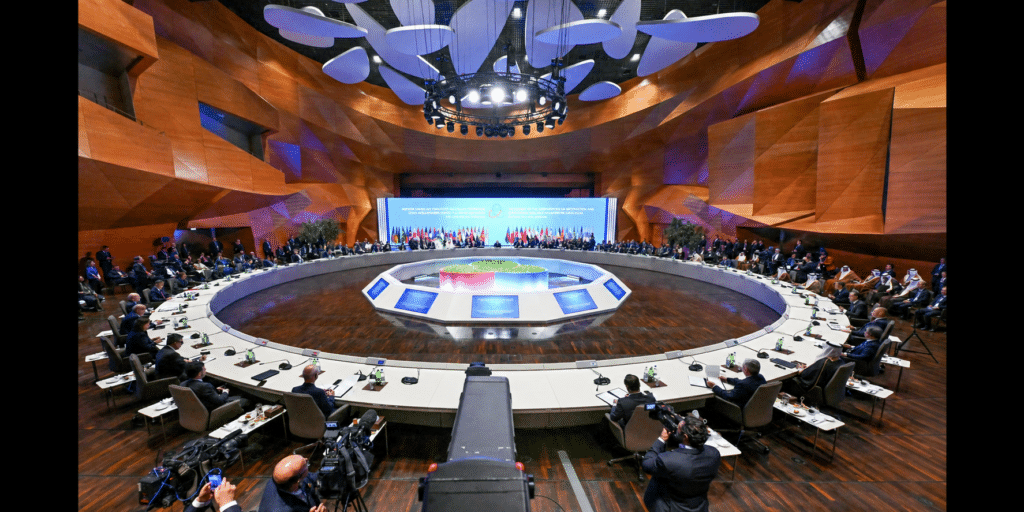
The Kurultai began work on August 28. The 145-member unicameral parliament replaced the former Senate and Mazhilis, ending more than 30 years of bicameralism. Aibek Dadebay was elected the Kurultai’s first chairman.
The procedure for forming the government has also changed under the new system. The Kurultai gives its consent to the president’s nominee for prime minister. The prime minister submits candidates for government posts to the president following consultations with the Kurultai. The president appoints the ministers of foreign affairs, defense, and internal affairs independently.