


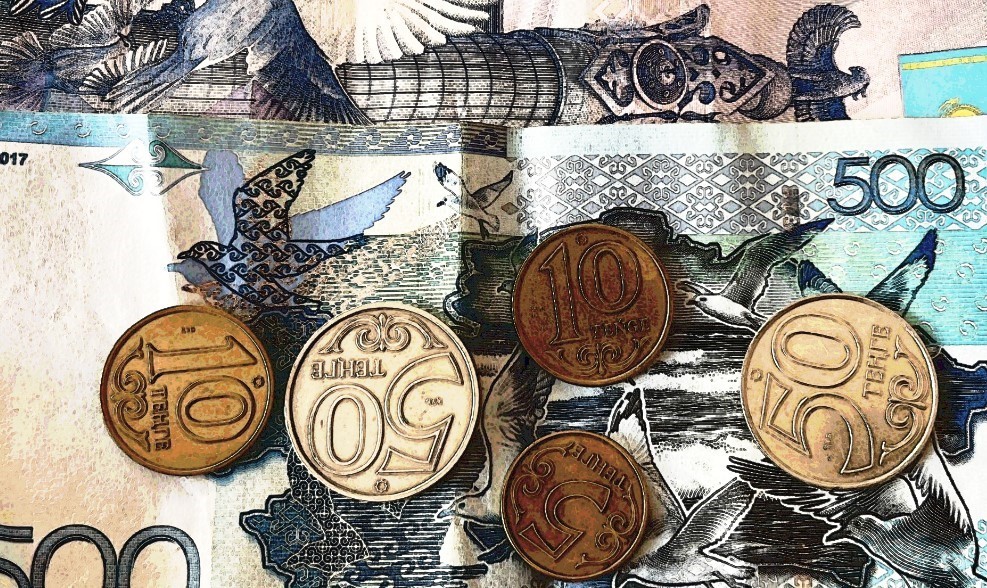
Kazakh Tenge Rises as Foreign Investors Buy Government Debt
Kazakhstan’s tenge has strengthened by 9.7% against the dollar since the start of 2026, making it the best-performing currency across Europe and Asia, according to the Financial Times. The newspaper points to an influx of foreign capital into Kazakhstan’s government debt: nonresident holdings of tenge-denominated bonds have risen from roughly $2 billion to $5 billion over the past year. The appreciation has come despite serious disruptions to Kazakhstan’s oil exports through Russia. Kazakh data show that foreign interest in government securities did not begin this summer. In July alone, nonresidents increased their holdings by 92.2 billion tenge, about $195 million, to 2.6 trillion tenge, or roughly $5.5 billion. Since the start of the year, their portfolio has grown by 32.9%, while their share of the market has risen from 6.2% to 7.2%. The Association of Financiers of Kazakhstan (AFK) attributes the interest to high real interest rates and relative macroeconomic stability. Why Foreign Investors Are Buying Kazakh Debt During 2025, nonresident holdings of Kazakh government securities rose from roughly 1.1 trillion tenge, about $2.3 billion, to 2 trillion tenge, about $4.2 billion. Growth continued this year. In June alone, foreign investors added 185.1 billion tenge, about $390 million, bringing their total holdings to 2.5 trillion tenge, roughly $5.3 billion. Their share of the market increased from 6.2% to 6.9% by then. The reason for the interest is fairly straightforward: Kazakhstan offers high yields while maintaining an investment-grade credit rating. The base rate remained at 18% through the spring. The National Bank cut it to 17% in June and announced a further cut to 16.75% on July 24. Annual inflation, meanwhile, declined for a ninth consecutive month and stood at 10.3% in June. For foreign investors, the combination of high interest rates and a strengthening tenge creates an opportunity to earn both on bond yields and currency appreciation. For the tenge itself, the same transaction works in reverse: before buying a Kazakh security, a foreign investor has to acquire the national currency. In June, AFK analysts cited nonresident transactions among the factors supporting the tenge, alongside foreign-currency sales by exporters, state-controlled companies, and the National Bank. Market Access Is Becoming Easier High yields alone do not explain the growing interest. Kazakhstan is also trying to make its domestic debt market easier for international investors to access. A primary dealer system has been operating since May 4. Five banks were granted primary dealer status and are expected to support the government securities market, including buying and selling bonds in the secondary market. In April, the National Bank announced that Euroclear had begun a project to make Kazakhstan’s government bonds eligible for settlement through its international system. A direct link with the local market infrastructure is planned for 2027. For foreign investors, this would make it possible to trade Kazakh government debt through a familiar global settlement system, alongside the existing Clearstream channel. Kazakhstan is also seeking eventual inclusion of its tenge-denominated government bonds in JPMorgan’s GBI-EM, one of the main international indexes for emerging-market government...
