

• KGS/USD = 0.01144 0%
  • KZT/USD = 0.00208 0%
  • TJS/USD = 0.10407 -0.29%
  • UZS/USD = 0.00008 0%
  • TMT/USD = 0.28571 0%
  • KGS/USD = 0.01144 0%
  • KZT/USD = 0.00208 0%
  • TJS/USD = 0.10407 -0.29%
  • UZS/USD = 0.00008 0%
  • TMT/USD = 0.28571 0%
  • KGS/USD = 0.01144 0%
  • KZT/USD = 0.00208 0%
  • TJS/USD = 0.10407 -0.29%
  • UZS/USD = 0.00008 0%
  • TMT/USD = 0.28571 0%
  • KGS/USD = 0.01144 0%
  • KZT/USD = 0.00208 0%
  • TJS/USD = 0.10407 -0.29%
  • UZS/USD = 0.00008 0%
  • TMT/USD = 0.28571 0%
  • KGS/USD = 0.01144 0%
  • KZT/USD = 0.00208 0%
  • TJS/USD = 0.10407 -0.29%
  • UZS/USD = 0.00008 0%
  • TMT/USD = 0.28571 0%
  • KGS/USD = 0.01144 0%
  • KZT/USD = 0.00208 0%
  • TJS/USD = 0.10407 -0.29%
  • UZS/USD = 0.00008 0%
  • TMT/USD = 0.28571 0%
  • KGS/USD = 0.01144 0%
  • KZT/USD = 0.00208 0%
  • TJS/USD = 0.10407 -0.29%
  • UZS/USD = 0.00008 0%
  • TMT/USD = 0.28571 0%
  • KGS/USD = 0.01144 0%
  • KZT/USD = 0.00208 0%
  • TJS/USD = 0.10407 -0.29%
  • UZS/USD = 0.00008 0%
  • TMT/USD = 0.28571 0%

Viewing results 1 - 6 of 9

World Bank Approves $200 Million for Road and Transport Reforms in Uzbekistan

The World Bank’s Board of Executive Directors has approved a $200 million project to modernise transport infrastructure in Uzbekistan’s Surkhandarya region, the institution said in a statement on March 23. According to the World Bank, the five-year initiative will focus on reconstructing a key section of the M41 regional road corridor while also supporting broader reforms in the country’s transport sector. The project is expected to contribute to job creation and stimulate business activity along the upgraded route. Uzbekistan’s transport sector currently accounts for nearly 8% of gross domestic product and employs around one million people. Its performance has improved in recent years, with the country rising from 129th to 88th place in the World Bank’s Logistics Performance Index between 2014 and 2023. However, rapid growth in the number of vehicles has placed increasing pressure on infrastructure, with officials estimating that road capacity will need to expand by about 500% by 2030 to meet rising freight demand. “Developing efficient and safe road and railway networks is essential to connect people to jobs, support domestic and international trade, and strengthen Uzbekistan’s overall competitiveness,” said Najy Benhassine, the World Bank’s Division Director for Central Asia. A central component of the project involves reconstructing a 91-kilometer stretch of the M41 highway in Surkhandarya, a region bordering Tajikistan, Kyrgyzstan, and Afghanistan. The existing two-lane road will be expanded into a four-lane highway. Once completed, it is expected to serve around 35,000 drivers and passengers daily and improve access to transport services for approximately 550,000 residents living in nearby communities. The project will also finance upgrades to road surfaces, safety features, and bus stops, as well as the construction and rehabilitation of around 180 bridges and drainage systems designed to reduce flood risks. These improvements are expected to shorten travel times, with average speeds projected to increase from 65 to about 90 kilometers per hour on interurban sections, and to reduce accidents along the route. In addition to infrastructure works, the World Bank will support the development of a National Multimodal Transport Strategy. The roadmap is intended to strengthen government capacity, improve coordination between different modes of transport, and promote more resilient and efficient logistics systems. Further support will be provided to Uzbekistan Railways, aimed at improving corporate governance, financial transparency, service planning, and its ability to attract private investment. The latest project builds on ongoing cooperation between Uzbekistan and the World Bank. In December last year, the institution approved a $250 million loan to support reforms in the country’s education system through the Edumkon programme, which aims to expand access to higher and vocational education for around 600,000 young people between 2026 and 2028.
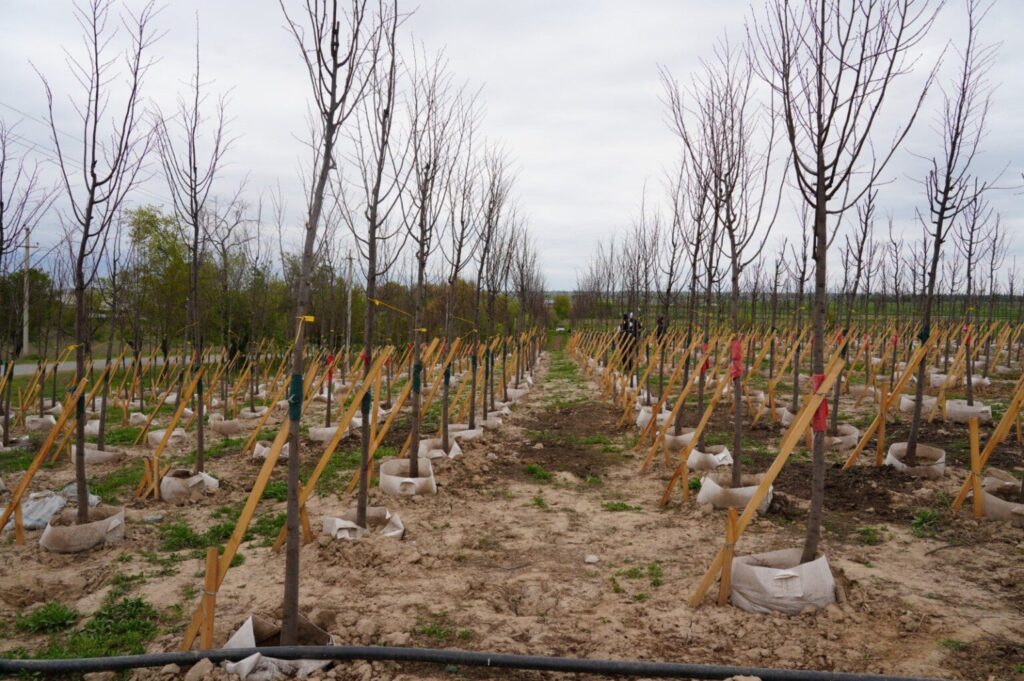
Kyrgyzstan to Launch State Nurseries as Part of National Afforestation Campaign

Four institutions in Kyrgyzstan have been awarded a total of $534,000 in grant funding to establish and develop state-owned nurseries for growing tree saplings, as part of a nationwide effort to restore forests, improve sapling quality, and support environmental sustainability. According to the Ministry of Natural Resources, Ecology and Technical Supervision, the funding was allocated through a competitive selection process to Osh Forestry, Chon-Kemin State Nature Park, Kara-Kulja Forestry, and the Kyrgyz National Agrarian University. Applicants were required to submit a business plan and have access to at least five hectares of land to qualify. The grants were approved by the International Fund for Agricultural Development (IFAD), which serves as the project's donor. The Ministry of Water Resources, Agriculture, and Processing Industry stated that the new nurseries will have the capacity to produce up to 2 million saplings annually. These will include nut, fruit, and conifer species and serve as a stable supply of planting material for various regions across the country. “The establishment of modern nurseries is not just an investment in reforestation and environmental health. It is a step toward ecosystem restoration and helping rural communities adapt to climate change,” said First Deputy Minister Janybek Kerimaliev. The nursery initiative is part of Kyrgyzstan’s broader “Jashyl Muras” (Green Heritage) campaign, launched in March 2022 by President Sadyr Japarov. The national program targets the planting of 5 to 6 million saplings annually. In 2024, more than 8.1 million saplings were planted across the country under the program, according to official figures.

South Korea to Support Landfill Project in Northern Kyrgyzstan

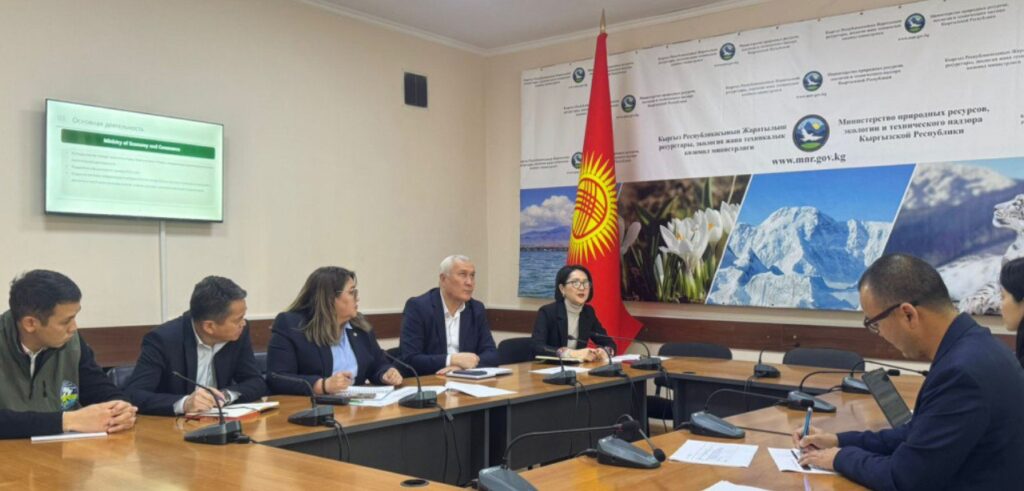
Kyrgyzstan is partnering with South Korean organizations to construct a sanitary landfill in Kemin, a town in the northern Chui region, approximately 95 km east of Bishkek. Earlier this month, the Kyrgyz Ministry of Natural Resources, Ecology, and Technical Supervision held a meeting with representatives from South Korea’s MYC Inc. (Make Your Climate) to secure grant funding for the initiative. The two sides also conducted a joint study to identify a suitable location for the future landfill. The project is designed to implement an integrated waste management system that includes the sorting and incineration of solid waste, thereby reducing landfill volume and minimizing environmental harm. Scheduled to run from 2027 to 2031, the project has an estimated budget of up to $10 million. The Korea Environmental Industry and Technology Institute (KEITI) will oversee project management. The landfill is part of broader development plans for Kemin and the wider Chui region, which include the creation of an eco-friendly urban center, Kemin City. In January 2025, President Sadyr Japarov signed a decree to build the new city on 353 hectares. The project aims to provide modern housing, reduce outward migration, and retain skilled local labor. Kemin and the nearby town of Orlovka were historically industrial hubs during the Soviet era. However, following the collapse of the USSR, many local enterprises shut down, prompting widespread out-migration. The development of Kemin City and its associated infrastructure is intended to reverse this trend and stimulate the local economy.
