• KGS/USD = 0.01144 0%
  • KZT/USD = 0.00205 0%
  • TJS/USD = 0.10785 0.09%
  • UZS/USD = 0.00008 0%
  • TMT/USD = 0.28571 0.28%
  • KGS/USD = 0.01144 0%
  • KZT/USD = 0.00205 0%
  • TJS/USD = 0.10785 0.09%
  • UZS/USD = 0.00008 0%
  • TMT/USD = 0.28571 0.28%
  • KGS/USD = 0.01144 0%
  • KZT/USD = 0.00205 0%
  • TJS/USD = 0.10785 0.09%
  • UZS/USD = 0.00008 0%
  • TMT/USD = 0.28571 0.28%
  • KGS/USD = 0.01144 0%
  • KZT/USD = 0.00205 0%
  • TJS/USD = 0.10785 0.09%
  • UZS/USD = 0.00008 0%
  • TMT/USD = 0.28571 0.28%
  • KGS/USD = 0.01144 0%
  • KZT/USD = 0.00205 0%
  • TJS/USD = 0.10785 0.09%
  • UZS/USD = 0.00008 0%
  • TMT/USD = 0.28571 0.28%
  • KGS/USD = 0.01144 0%
  • KZT/USD = 0.00205 0%
  • TJS/USD = 0.10785 0.09%
  • UZS/USD = 0.00008 0%
  • TMT/USD = 0.28571 0.28%
  • KGS/USD = 0.01144 0%
  • KZT/USD = 0.00205 0%
  • TJS/USD = 0.10785 0.09%
  • UZS/USD = 0.00008 0%
  • TMT/USD = 0.28571 0.28%
  • KGS/USD = 0.01144 0%
  • KZT/USD = 0.00205 0%
  • TJS/USD = 0.10785 0.09%
  • UZS/USD = 0.00008 0%
  • TMT/USD = 0.28571 0.28%

Viewing results 1 - 6 of 18

Uzbekistan Draft Proposes Annual Fee for Vehicles Over 30 Years Old

A draft government resolution in Uzbekistan has proposed annual environmental compensation payments for owners of vehicles manufactured 30 or more years ago, as part of a wider plan to regulate end-of-life transport and expand vehicle recycling. The proposal has not yet been adopted. The draft document, titled “On Organizing the Utilization of Vehicles with Expired Service Life and Recycling of Their Components,” was released through official public consultation channels and outlines a phased approach to introducing scrappage and recycling mechanisms across the country. According to the proposal, from January 1, 2027, owners of passenger vehicles manufactured 30 or more years ago would be required to pay an annual environmental compensation fee equal to 30 times the base calculation value. At the current rate, that would amount to about 12.36 million Uzbek som, or approximately $1,033. The payment is described as a mechanism intended to offset environmental damage caused by older vehicles. The draft was prepared under Uzbekistan’s broader environmental and waste-management reforms, led by the National Committee for Ecology and Climate Change, which is responsible for policy coordination in the environmental sector. The initiative also involves the planned creation of a national system for collecting, evaluating, and recycling vehicles that have reached the end of their operational life. The recycling system would be introduced in stages. From 2026, it would cover M1 category vehicles, primarily passenger cars. From 2027, it would extend to M2, M3, N1, N2, and N3 categories, covering minibuses, buses, and freight vehicles. By 2030, the framework is expected to cover all types of wheeled transport. The proposed environmental compensation fee for vehicles 30 or more years old would begin separately on January 1, 2027. The draft also proposes restrictions on vehicles deemed environmentally harmful. From 2027, vehicles classified as environmentally harmful could face restrictions on re-registration and continued use, with exceptions for antique vehicles recognized under existing regulations. A central component of the proposal is the creation of a unified digital system to manage the process. The platform would be developed under the coordination of the Ministry of Digital Technologies of Uzbekistan together with the national waste-management and circular economy agency. The system is expected to integrate data from tax, customs, and public-service databases through Uzbekistan’s e-government infrastructure. Technical implementation support is planned to involve Uzinfocom, the state IT integrator responsible for digital government platforms. Under the proposed model, vehicle owners would first undergo a technical inspection and valuation process before transferring their vehicles for recycling. Operators and assessment companies would be selected through competitive tenders. Once approved, they would handle vehicle acceptance, dismantling, and material recovery, including metals, plastics, batteries, and glass components. Owners of scrapped vehicles could receive compensation in several forms, including direct cash payments, electronic vouchers for purchasing new vehicles at discounted prices, or other mechanisms defined under national legislation. The value of compensation would depend on the technical assessment of the vehicle. The draft also introduces incentives for recycling operators through a “green subsidy” system financed by recycling-related fees. These subsidies...

Bishkek Launches Second Phase of Waste-to-Energy Plant

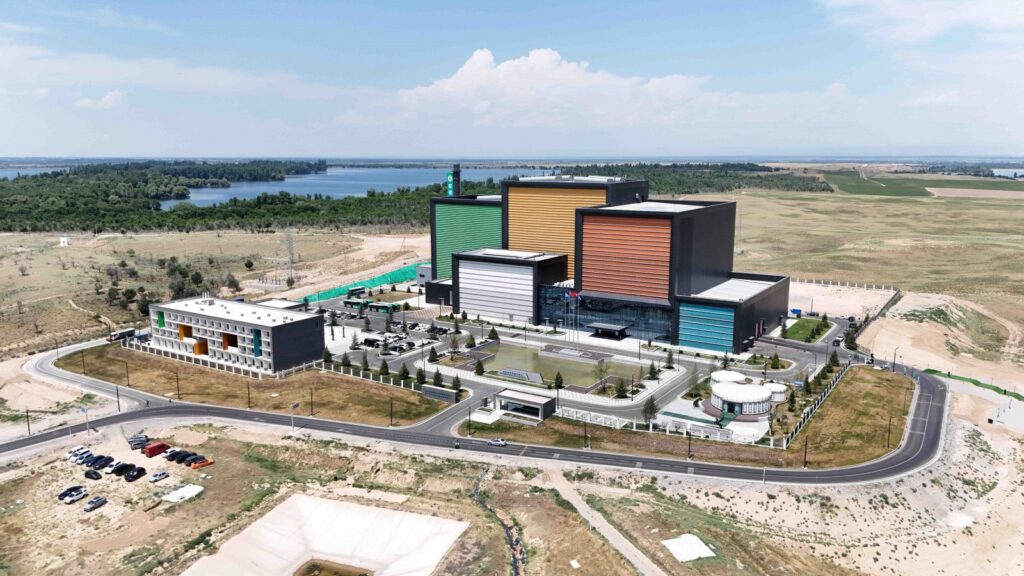
Bishkek has begun construction of the second phase of its waste-to-energy plant, a project city officials say will significantly expand waste processing capacity and add to the Kyrgyz capital’s energy supply. The groundbreaking ceremony took place on June 11. The facility, located at Bishkek’s main sanitary landfill, is the first waste-to-energy plant in Central Asia. Its first phase was officially inaugurated in December 2025 and was designed to process 1,000 tons of municipal solid waste per day. The plant was built by China’s Hunan Junxin Environmental Protection Co., Ltd., which invested $95 million in the project. The second phase will include a second production unit with capacity of up to 2,000 tons of waste per day and a 60-megawatt power generation complex. According to Bishkek’s city administration, once the second phase is completed, the facility will generate around 307 million kilowatt-hours of electricity annually, enough to supply roughly 100,000 homes. Officials say the project uses modern thermal waste processing technologies and a multi-stage emissions treatment system that complies with international environmental standards. The expansion is expected to improve waste management in Bishkek, reduce pressure on the city’s overburdened landfill, and improve environmental conditions in the capital. Construction of the second phase is expected to take three years. Once fully completed, the plant will be able to process up to 3,000 tons of municipal solid waste per day and generate up to 90 megawatts of electricity. The launch ceremony was attended by Kyrgyz Prime Minister Adylbek Kasymaliev, Bishkek Mayor Aibek Junushaliev, and Chinese Ambassador to Kyrgyzstan Liu Jiangping. Kasymaliev described the project as strategically important for Bishkek’s environmental future. “The start of the second phase continues a large-scale initiative aimed at radically improving the environmental situation in Bishkek and creating a green, clean and modern metropolis,” he said. Kasymaliev said the project would help solve Bishkek’s waste disposal problem while adding a source of green energy and improving air quality and public health. He also said the second phase is expected to reduce annual carbon dioxide emissions by approximately 312,000 tons. The project forms part of Kyrgyzstan’s efforts to modernize urban infrastructure and address environmental challenges as Bishkek’s population and waste volumes continue to rise.

Dushanbe Considers Waste-to-Energy Plant as Part of Green Development Strategy

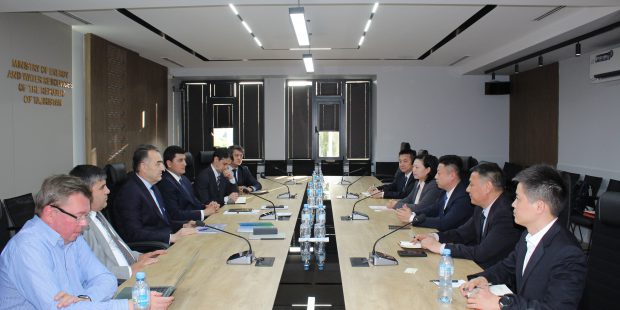
Authorities in Tajikistan’s capital are considering the construction of a modern waste-to-energy facility that would process municipal solid waste while generating electricity, as part of efforts to develop more sustainable urban infrastructure. The proposal was discussed during talks between Tajikistan’s minister of energy and water resources, Daler Juma, and Environmental Protection Committee chairman Bahodur Sheralizoda, and representatives of the Chinese company Wangneng Environment, which specializes in waste treatment and energy recovery technologies. The parties explored the possibility of introducing municipal waste-processing technologies, including electricity generation through waste incineration and other forms of energy recovery. Such systems are used in a number of major cities in Asia and Europe as part of broader waste-management and urban sustainability policies. For Dushanbe, the project is gaining importance as the city’s population continues to grow and household waste volumes increase. Experts note that the existing landfill-based waste-management system is gradually becoming inadequate for the needs of a rapidly expanding urban center, particularly amid rising environmental pressures and limited land resources. If implemented, the facility could address several challenges at once by reducing the volume of waste sent to landfills, improving environmental and sanitary conditions, and adding to the capital’s electricity-generating capacity. The initiative is also being presented as one element of Tajikistan’s push to promote environmentally sustainable economic growth and expand the use of green technologies. In recent years, the country has supported international initiatives focused on climate adaptation, sustainable resource management, and cleaner energy development. Environmental and economic specialists note that waste-to-energy projects can help reduce pressure on landfills while providing an additional source of electricity for fast-growing cities. At the same time, they say strict environmental safeguards, modern filtration systems, and transparent monitoring would be essential to minimizing air pollution and ensuring compliance with international standards. Following the discussions, the parties expressed their willingness to continue consultations on the project. Key parameters of the proposed facility, including waste-processing capacity, electricity generation volumes, environmental requirements, and financing mechanisms, are expected to be determined during the next stages of negotiations.

Tajikistan Is Drowning in Plastic: Inside a Waste System Under Strain

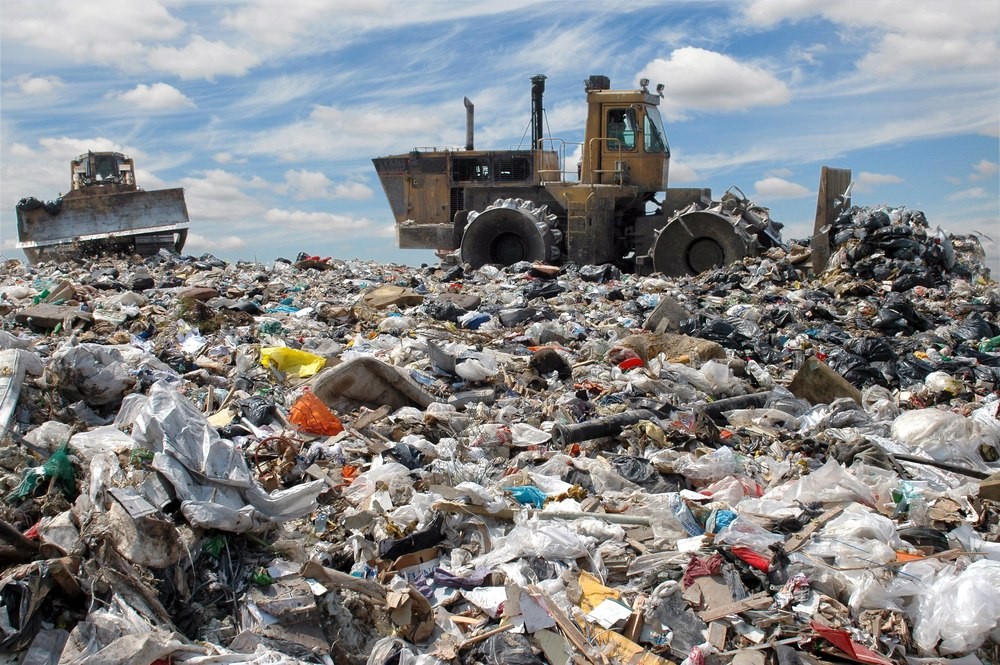
According to domestic sector-specific sources, more than nine million tonnes of municipal solid waste (MSW) are generated annually in Tajikistan, of which around 322,000 tonnes is plastic. The key feature of plastic waste is its extreme resistance to decomposition; it can persist in natural environments for decades or even centuries, accumulating in soil and water bodies. However, estimates of total waste generation vary widely depending on the source, with international organizations offering more conservative figures. The United Nations Environment Programme (UNEP), for instance, reports approximately two million tonnes of formally collected municipal waste generated annually in Tajikistan. This discrepancy is likely due to differing accounting methodologies. National statistics typically include waste from unauthorized dumps and the informal sector, while international estimates often rely on formally collected and officially documented waste. Still, even the most conservative figures highlight the significant environmental burden posed by Tajikistan’s waste-management system. Tajikistan’s Position in International Waste Rankings Waste accumulation and limited recycling capacity are reflected in global assessments. According to domestic reporting citing the 2024 Mismanaged Waste Index (MWI), 87.1% of Tajikistan’s waste is either not collected through organized systems or is disposed of in violation of environmental standards. This would place the country among those with the most vulnerable waste-management systems. In practice, this means waste is often dumped at unauthorized sites, openly burned, or dispersed into the environment. These practices place pressure on soil, water resources, and air quality, while also posing long-term risks to public health. This crisis is unfolding amid a global plastic-waste emergency. Even in countries with advanced recycling systems, the proportion of recycled plastic remains low. UNEP estimates that only around 9% of all plastic ever produced has been recycled; the rest remains in the environment. Regional Disparities: Cities vs. Rural Areas Tajikistan’s domestic statistics divide the country into three groups based on waste generation. The “Mega” group includes the largest cities and adjacent areas (e.g., Dushanbe, Khujand), home to roughly 4.2 million people. Average daily waste generation here is 1.013 kg per person, resulting in up to an estimated 148,000 tonnes of plastic waste annually. The “Medium” group comprises 10 mid-sized cities (e.g., Bokhtar, Kulob, Kanibadam), with a combined population of 1.99 million. Daily per capita waste generation in this group averages 0.902 kg, leading to an estimated 62,000 tonnes of plastic annually. In rural areas and smaller districts, with over 4 million residents, waste generation averages 0.79 kg per person per day. While the plastic share here is less precise, these regions still generate an estimated 100,000 tonnes of plastic waste per year. It is in these smaller settlements that waste-management infrastructure is most deficient. While cities have basic municipal services and landfills, many rural areas lack even waste-collection containers. As a result, waste is often dumped in ravines, rivers, or burned in backyards, meaning much of it goes unrecorded in official statistics and may significantly exceed documented levels. Where the Plastic Goes: Disposal, Loss, and Recycling Most plastic waste in Tajikistan is either buried or left in...

Public Hearing Set for Sea Breeze Uzbekistan Project Near Charvak Lake

A public hearing on the environmental impact assessment of the Sea Breeze Uzbekistan tourist complex is scheduled for January 23 in the Bostanlyk district of Tashkent region, according to the State Center for Environmental Expertise. The hearing will take place at the Bostanlyk district administration building in the town of Gazalkent. Officials stated that the event aims to review the potential environmental effects of the proposed development and to gather feedback from residents, environmental specialists, and other stakeholders. The Sea Breeze Uzbekistan project is planned for the eastern shore of the Charvak reservoir in Bostanlyk. It envisions a large-scale, modern tourism infrastructure in one of Uzbekistan’s most frequented recreational zones. During the hearing, participants will assess land use and construction proposals, as well as potential impacts on air quality, water resources, and soil conditions. Additional topics for discussion include waste management, the preservation of green zones and water bodies, and environmental safety measures, including continuous ecological monitoring. The State Center confirmed that all project documentation complies with Uzbekistan’s environmental legislation. Residents and interested parties are invited to submit comments or proposals either during the hearing or in writing. Authorities emphasized that public involvement is a critical component of the environmental review process. As previously reported by The Times of Central Asia, businessman Emin Agalarov plans to develop Sea Breeze Uzbekistan as a $5 billion, all-season tourism complex spanning between 500 and 700 hectares along Charvak Lake. The development is set to include hotels, villas, swimming pools, sports and leisure facilities, retail areas, restaurants, and a bridge connecting both sides of the reservoir. Cultural events, festivals, and concerts are also planned throughout the year. Despite mounting public scrutiny and opposition from environmental activists, the Uzbek government has endorsed the project. In August 2025, Prime Minister Abdulla Aripov signed Cabinet Resolution No. 490, granting Sea Breeze Uzbekistan LLC a 25-year direct lease on 577 hectares of land for development.

Kyrgyzstan Launches Environmental Strategy for Lake Issyk-Kul

On December 2, Kyrgyzstan’s Cabinet of Ministers approved the Concept for the Sustainable Development of the Ecological and Economic System of Lake Issyk-Kul until 2030, along with a corresponding Action Plan. The initiative aims to protect the lake and its surrounding biosphere from intensifying environmental and human pressures, while ensuring long-term economic resilience in the region. Located in northeastern Kyrgyzstan, Issyk-Kul is the country’s largest lake, a unique ecological reserve, and one of Central Asia’s main tourist destinations. However, the newly adopted Concept reflects growing concerns over environmental degradation and the urgent need for coordinated management. Based in part on a government technical assessment, the strategy outlines a comprehensive roadmap to stabilize the lake’s ecosystem, modernize critical infrastructure, and mitigate climate risks. Climate Threats and Water Imbalance A key priority of the Concept is enhanced monitoring of Lake Issyk-Kul and its surrounding basin, particularly its water and energy resources. Climate change, including glacial retreat and reduced river inflow, has placed the basin under mounting stress. Of the 957 glaciers in the Issyk-Kul basin, covering 560.8 square kilometers, many are melting at an accelerated rate. Although roughly 120 rivers flow into the lake, only 80 reach it during summer due to irrigation withdrawals. To restore hydrological balance, the government plans to introduce modern irrigation technologies across 100,000 hectares of farmland. Officials estimate this could redirect up to 200 million cubic meters of water back into the lake each year. Between 1927 and 2003, Issyk-Kul’s water level fell by 2.75 meters, driven by declining inflow, outdated monitoring systems, and inefficient water use. The new Concept calls for restoring hydrological infrastructure, including groundwater observation stations and river hydro-posts. It also proposes strict accounting of irrigation water and a shift toward water-saving technologies in agriculture. Combatting Wastewater and Pollution Untreated wastewater remains one of the most severe threats to the lake’s ecosystem. Discharges from settlements, hotels, and tourism facilities have polluted the lake for years. The Concept aims to modernize wastewater treatment plants, expand sewage networks, and promote the reuse of treated water for irrigation purposes. Over the past five years, 47 new treatment facilities have been constructed in the Issyk-Kul region. The government now plans to reduce untreated wastewater discharge by 40%. Industrial Risks and Waste Management Environmental oversight of industrial activity, particularly at the Kumtor gold mine, the country’s largest, is another priority. The Concept calls for stricter regulation of hazardous waste and the rehabilitation of mining tailings to protect soil, groundwater, and the lake itself. Solid waste management is also being addressed. In October 2025, China’s Hunan Junxin Environmental Protection Co. Ltd. began building a waste-to-energy incineration plant in Karakol, the region’s administrative center. This will be the company’s third facility in Kyrgyzstan, following earlier projects in Bishkek and Osh. The introduction of separate waste collection systems is seen as key to reducing landfill pressure and minimizing environmental damage. To address air quality, the Concept promotes modernization of outdated heating systems, emission controls on industry and transport, and the adoption of...