• KGS/USD = 0.01144 0%
  • KZT/USD = 0.00213 0%
  • TJS/USD = 0.10792 -0.28%
  • UZS/USD = 0.00008 0%
  • TMT/USD = 0.28490 0%
  • KGS/USD = 0.01144 0%
  • KZT/USD = 0.00213 0%
  • TJS/USD = 0.10792 -0.28%
  • UZS/USD = 0.00008 0%
  • TMT/USD = 0.28490 0%
  • KGS/USD = 0.01144 0%
  • KZT/USD = 0.00213 0%
  • TJS/USD = 0.10792 -0.28%
  • UZS/USD = 0.00008 0%
  • TMT/USD = 0.28490 0%
  • KGS/USD = 0.01144 0%
  • KZT/USD = 0.00213 0%
  • TJS/USD = 0.10792 -0.28%
  • UZS/USD = 0.00008 0%
  • TMT/USD = 0.28490 0%
  • KGS/USD = 0.01144 0%
  • KZT/USD = 0.00213 0%
  • TJS/USD = 0.10792 -0.28%
  • UZS/USD = 0.00008 0%
  • TMT/USD = 0.28490 0%
  • KGS/USD = 0.01144 0%
  • KZT/USD = 0.00213 0%
  • TJS/USD = 0.10792 -0.28%
  • UZS/USD = 0.00008 0%
  • TMT/USD = 0.28490 0%
  • KGS/USD = 0.01144 0%
  • KZT/USD = 0.00213 0%
  • TJS/USD = 0.10792 -0.28%
  • UZS/USD = 0.00008 0%
  • TMT/USD = 0.28490 0%
  • KGS/USD = 0.01144 0%
  • KZT/USD = 0.00213 0%
  • TJS/USD = 0.10792 -0.28%
  • UZS/USD = 0.00008 0%
  • TMT/USD = 0.28490 0%

Viewing results 1 - 6 of 9

Central Asia’s Pivotal Role in the Global Energy Transition

The United States and Europe are driving a global shift from fossil fuels to renewable energy, though progress has been slow. Central Asia’s oil, gas, uranium, and green hydrogen resources are expected to remain vital for Europe and global energy security for years to come. Within Central Asia, a shift to cleaner natural gas and nuclear energy is anticipated to replace coal-fired power, reducing environmental harm. Europe’s push for electrification has also renewed focus on nuclear energy, increasing the strategic and commercial value of Central Asia’s uranium deposits. On December 16, 2024, The Times of Central Asia, in cooperation with the Central Asia-Caucasus Institute and the American Foreign Policy Council, hosted a Burgut Expert Talk titled, "Central Asia in the Energy Transition". The event featured presentations by Dr. Svante Cornell and Dr. Brenda Shaffer, who outlined their takes on the topic. The discussion focused on Central Asia’s significant role in the global energy landscape, particularly in light of the push for renewable energy and Europe's efforts to diversify its energy sources. Challenging the notion of a true "energy transition," Shaffer argued that despite substantial investment in renewable energy, fossil fuels remain dominant. Shaffer pointed out that traditional biomass burning continues to be a major energy source in developing countries, posing significant health risks. Highlighting the fact that renewables often rely on a baseload of fossil fuels, Shaffer noted that this makes complete reliance on renewables impractical, especially in regions with harsh winters, such as Central Asia. Dr. Shaffer further emphasized that European policies, including the reluctance to finance fossil fuel projects and the instability of U.S. LNG exports, serve to hinder diversification efforts. Stressing the need for affordable and accessible energy solutions - particularly for developing countries - to address the issue of indoor pollution caused by traditional biomass burning, she argued that natural gas can serve as a bridge fuel, offering a cleaner alternative to traditional methods. Dr. Cornell focused on the rising importance of Central Asia as a major uranium producer, supplying a crucial element for nuclear energy, which is gaining renewed interest as a low-carbon energy source. Cornell highlighted the dependence of the EU on uranium imports and the potential for Central Asia, particularly Kazakhstan, to play a pivotal role in supplying this demand. Outlining the geopolitical dynamics surrounding uranium, Cornell noted the involvement of France, Russia, and China in Central Asia's uranium sector, emphasizing the importance of Central Asian states maintaining a balance in their foreign relations and partnering with various countries to ensure their independence in the uranium market. Drawing parallels to the oil and gas diplomacy of the 1990s - when Central Asian countries strategically engaged with multiple actors to safeguard their interests - Cornell advocated for the development of a robust domestic nuclear industry in Central Asia, enabling the region to move beyond raw material production and gain greater control over the value chain. Cornell also stressed the need for Western powers to actively engage in the region's nuclear sector, supporting the development...

One Billion Points for Planting Trees: Payme Users Helping Green Navoi

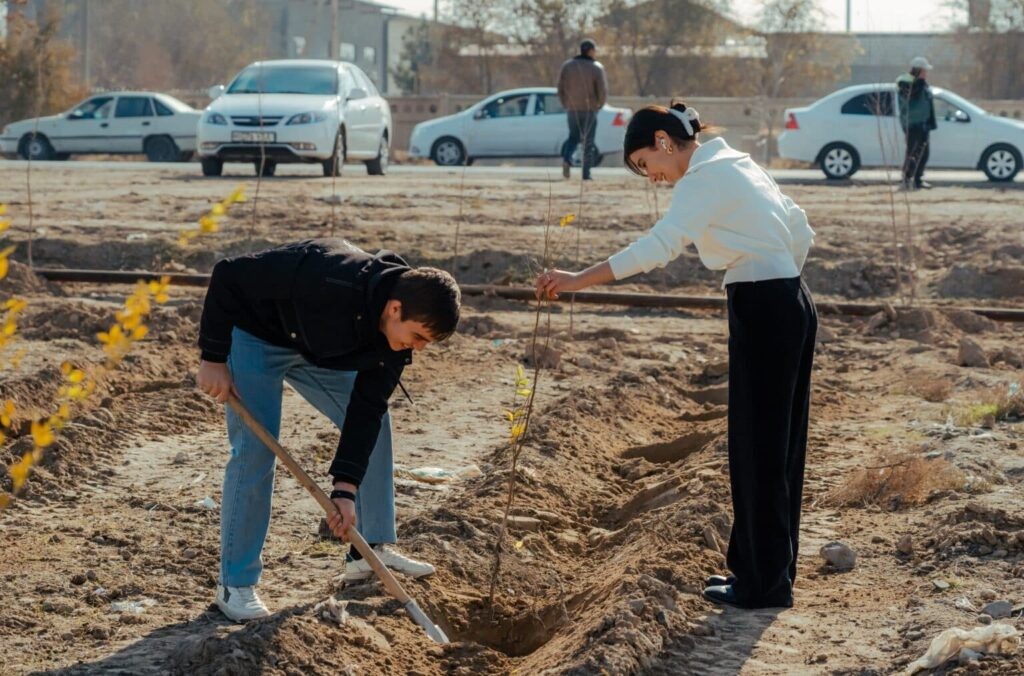
By allowing users to donate their accumulated points to good causes, the Payme app, part of the Payme Mahalla, has, since its launch in December 2022, funded projects for schools in Uzbekistan and Karakalpakstan, including the purchase of computers, sports equipment and stationery. Users of the Payme payment service have collected a billion points to support the project to turn Navoi green, a scheme initiated by ecoactivist and blogger Mutabar Khushvaktova (urikguli). Thanks to this action, more than a thousand trees were planted on the territory of Navoiazot JSC in November alone. The project began in October, when Khushvaktova announced a fundraiser for tree planting on her blog. Initially, the collection progressed slowly, but since Payme connected its users through the Mahalla loyalty program, in just a few days the required amount was raised, confirming that thousands of people are willing to support environmental initiatives. The trees were planted under the guidance of biologists and soil scientists. Garden elms, ideally suited to the climatic conditions of the region, were selected for the project. The site for planting was coordinated with the local authorities, with Navoiazot JSC taking care of the trees.

Kazakhstan, with China’s Help, Plans to Export Green Energy to Europe

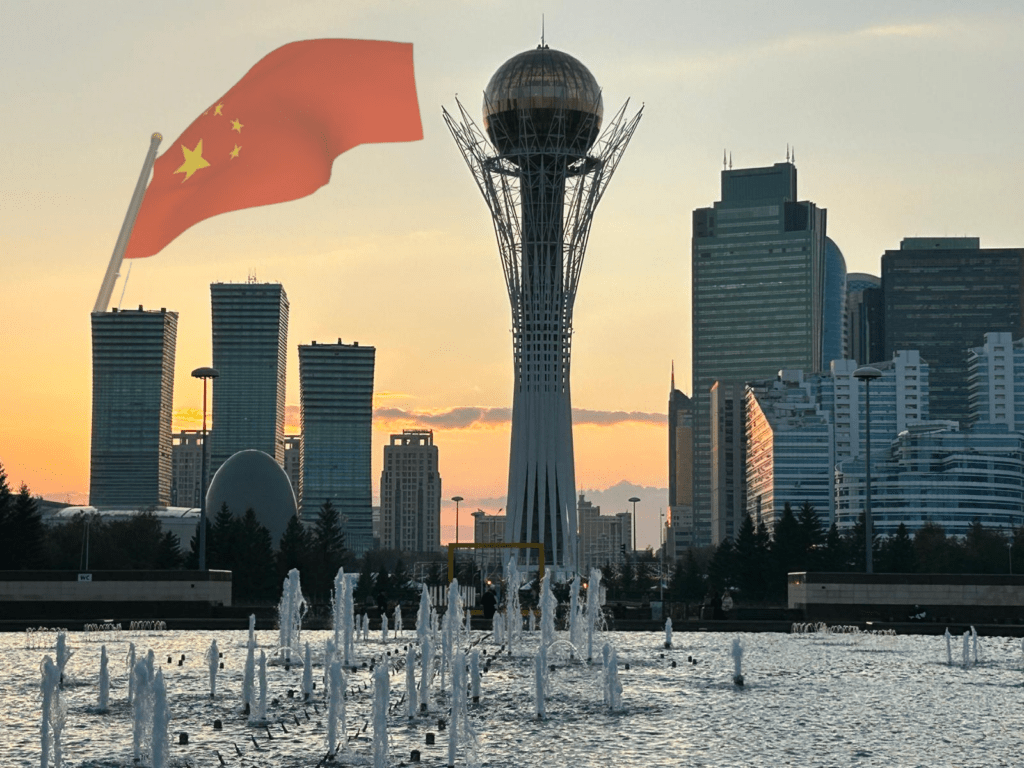
Although Kazakhstan is a major producer of all fossil fuels – coal, crude oil, and natural gas – it also has the capacity to secure its energy future by prioritizing renewable energy. Fully aware of that, the European Union – one of the former Soviet republic’s most significant trade partners – aims to strengthen its energy ties with Astana, hoping to begin importing not only “green electricity” from the Central Asian nation, but also green hydrogen. On November 25, at Nazarbayev University in Astana, the “Energy in Transition – Powering Tomorrow” traveling exhibition was held, and one of the major topics discussed by energy experts was green hydrogen – hydrogen produced using renewable energy sources such as solar and wind power. It is unlikely a pure coincidence that the German Federal Foreign Office initiated the event. Over the past few years, Germany has shown interest in the development of the Kazakh green hydrogen sector. The most prominent green hydrogen project in Kazakhstan is currently being developed by Hyrasia One, a subsidiary of the German-Swedish energy company, Svevind. In 2021, the company announced its plans for €50 billion ($55 billion) green hydrogen project in the Mangystau Region in western Kazakhstan. It is expected that Hyrasia One will begin the production of green hydrogen in 2030, and the power plant will reach full capacity by 2032. Meanwhile, the authorities in Astana will need to find a way to export this form of renewable energy to Europe, a major energy market for Kazakhstan. Although Astana and Brussels signed a strategic partnership on the production of green hydrogen in November 2022, several challenges remain in the implementation of the deal. Issues such as the high cost, water scarcity in the largest Central Asian state (with water being the key component of green hydrogen production), and a lack of transport infrastructure, are significant barriers to exporting hydrogen from Kazakhstan to Europe. Using Russian gas pipeline systems for transportation of the Kazakh green hydrogen to Europe is not an option given current geopolitical circumstances. To resolve this transportation issue, the Kazakh authorities and their European partners could build hydrogen pipelines across the Caspian Sea, the Caucasus and Turkey to reach southern European countries. The problem is that building such a pipeline infrastructure is very expensive, and it remains uncertain who would be willing to fund such a project. That, however, does not mean that Kazakhstan cannot become Europe’s major green hydrogen supplier. What Astana would have to do, according to experts, is to convert the green hydrogen into green ammonia and then export it to Europe via the Middle Corridor – running through Kazakhstan, the Caspian Sea, Azerbaijan, and Georgia. On the Black Sea coast, ammonia would be loaded onto ships and transported past the Bosphorus to EU members such as Greece, Romania, and Bulgaria. From there, it would be sent further north, where green hydrogen would eventually be extracted from the ammonia. This is a rather complex process, and it is unclear how feasible and...