• KZT/USD = 0.00219
  • TJS/USD = 0.10810
  • UZS/USD = 0.00009
  • TMT/USD = 0.29850
  • KZT/USD = 0.00219
  • TJS/USD = 0.10810
  • UZS/USD = 0.00009
  • TMT/USD = 0.29850
  • KZT/USD = 0.00219
  • TJS/USD = 0.10810
  • UZS/USD = 0.00009
  • TMT/USD = 0.29850
  • KZT/USD = 0.00219
  • TJS/USD = 0.10810
  • UZS/USD = 0.00009
  • TMT/USD = 0.29850
  • KZT/USD = 0.00219
  • TJS/USD = 0.10810
  • UZS/USD = 0.00009
  • TMT/USD = 0.29850
  • KZT/USD = 0.00219
  • TJS/USD = 0.10810
  • UZS/USD = 0.00009
  • TMT/USD = 0.29850
  • KZT/USD = 0.00219
  • TJS/USD = 0.10810
  • UZS/USD = 0.00009
  • TMT/USD = 0.29850
  • KZT/USD = 0.00219
  • TJS/USD = 0.10810
  • UZS/USD = 0.00009
  • TMT/USD = 0.29850
06 September 2026

Viewing results 1 - 6 of 315

Turkish Court Orders Deportation of Two Turkmen Bloggers

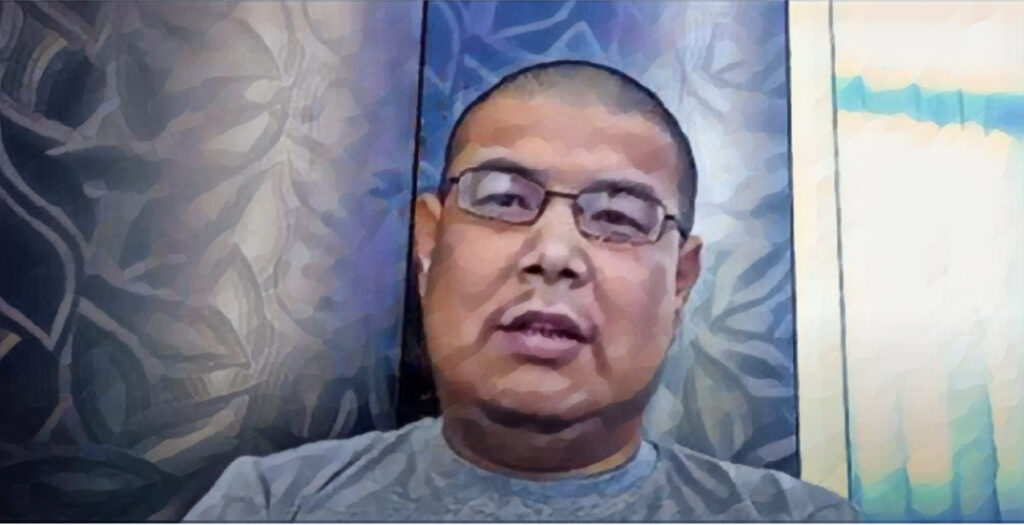
A Turkish court in the city of Samsun has ordered the deportation of two Turkmen bloggers, Alisher Sakhadov and Abdullah Orusov, despite their applications for international protection. The Turkmenistan Helsinki Foundation for Human Rights reported that the court issued its ruling on June 13, 2025, and officially notified the men's lawyer on June 27. The court found both men to be residing in Turkey illegally and rejected their asylum claims. According to documents reviewed by their lawyer, the decisions in the two cases were nearly identical, with some sections reportedly copied verbatim. Sakhadov applied for protection in April 2023 but was later issued a permanent entry ban under Code G-82, which Turkish authorities assign to individuals deemed threats to national security. The court concluded that he faced no credible risk of mistreatment if returned to Turkmenistan. Orusov’s case followed a similar pattern. He applied for protection in July 2023 and received the same security designation. The court similarly ruled that his return would not expose him to torture or degrading treatment. Their legal team plans to appeal the ruling to Turkey’s Constitutional Court. Requests for the release of both men from deportation centers were denied on June 25 and 26. Alisher Sahatov is one of the most prominent Turkmen activists in Turkey. He became a well-known figure within the diaspora through his YouTube channel Erkin Garaýyş, where he highlighted the challenges faced by Turkmen migrants. Abdullah Orusov was also active on social media, where he regularly criticized the Turkmen authorities. His posts often resonated widely among migrants and human rights advocates. As previously reported by The Times of Central Asia, another Turkmen activist, Dushemov, completed a four-year prison sentence in June 2025 but was transferred to a pre-trial detention center instead of being released. New charges were filed against him following an alleged altercation with another inmate. Dushemov and human rights organizations claim the case was fabricated to extend his detention, part of what they describe as a broader campaign of repression against government critics.

Turkmen Woman Appeals to President After Year-Long Travel Ban

Zulfiya Kazhyr, a citizen of Turkmenistan, and her six-year-old daughter have been barred from leaving the country for nearly a year, despite renewing their passports and submitting multiple appeals to authorities in both Turkmenistan and Turkey. Kazhyr has now made a public appeal to President Serdar Berdimuhamedov, urging him to intervene. Trapped in Limbo Kazhyr, a Turkmenistan national living in Turkey, traveled to Ashgabat in the summer of 2024 to renew her passport. After the renewal was completed, her husband, Turkish citizen Ahmet Sefa, bought tickets for their return to Istanbul. However, when they arrived at the airport, Kazhyr was unexpectedly prevented from boarding the flight. Immigration officials provided no explanation. Her daughter, who holds Turkish citizenship and suffers from autism and celiac disease, a condition requiring a strict gluten-free diet and regular medical supervision, remains in Turkmenistan with her. “Please, I beg you, help us. My daughter is exhausted; she has been sick twice here,” Kazhyr pleaded in a video addressed to President Berdimuhamedov. “I cannot manage her condition properly here. There are no suitable products, and this is not my home.” While authorities do not restrict the child from leaving, her mother is not permitted to depart. Sefa continues to send specialized food from Turkey, but proper care remains impossible in his absence. Sefa said he has appealed to the foreign ministries and embassies of both countries but has received no response. “We’re in a hopeless situation. My daughter can leave, but how can they separate a child from her mother?” he said. Attempts by journalists to reach Turkmenistan's migration service were unsuccessful. Officials declined to comment and advised Kazhyr to "call herself." A Systemic Issue According to Istanbul-based Turkmen activist Zarina Akhtyamova, such restrictions are not uncommon. She cites poverty, unemployment, and inadequate medical access among Turkmen migrants in Turkey as likely motivations for the state's unofficial control over citizens’ departures. In January 2025, two Turkish nationals publicly appealed to Presidents Recep Tayyip Erdoğan and Serdar Berdimuhamedov to permit their Turkmen wives to leave Ashgabat. The women, like Kazhyr, had traveled home solely to renew their passports and were then prevented from departing without explanation. Activists report that at least 60 families have faced similar issues. Following the January appeal, authorities reportedly allowed some women to leave. A source within the migration service said that of approximately 150 affected individuals, 60 have since returned to Turkey. Kazhyr and her daughter, however, remain in Ashgabat. The child’s health continues to decline, and the family’s calls for justice remain unanswered.

Kyrgyz Authorities Step Up Pressure on Kloop: Searches, Arrests, and International Outcry

In late May, Kyrgyz security forces conducted coordinated raids on the homes of eight current and former employees of the independent media outlet Kloop. Operatives from the State Committee for National Security (GKNB) simultaneously entered apartments in Bishkek and Osh. Video journalist Alexander Alexandrov and former cameraman Joomart Duulatov were detained and remain in custody on charges of “public calls for mass unrest” under Article 278 of the Criminal Code. The other six individuals were released after hours of interrogation but were compelled to sign non-disclosure agreements. According to Kloop’s editorial staff, five minutes before the raids began, the outlet received an anonymous email with the subject line: “You have crossed the line.” The incident drew swift condemnation from human rights groups. The Committee to Protect Journalists (CPJ) demanded an immediate end to what it described as persecution, while other international organizations called for the charges to be dropped. From Student Project to Investigative Powerhouse Founded in 2007 by journalists Bektur Iskender and Rinat Tukhvatushin, Kloop began as a training platform for aspiring reporters. The outlet gained prominence during its around-the-clock reporting on the 2010 uprising. It later evolved into a leading investigative publication, exposing high-profile cases such as the 2017 “Samaragate” voter data scandal and the 2019 financial network linked to customs official Raiymbek Matraimov. Despite legal threats, including lawsuits from the Matraimov family that were later withdrawn, Kloop’s reporting bolstered its credibility and amplified its visibility, making it increasingly unwelcome in official circles. Escalating Crackdown Tensions escalated in August 2023 when the Bishkek Prosecutor’s Office filed a lawsuit to dissolve the Kloop Media Foundation, accusing it of “negative coverage of government activities.” The Oktyabrsky District Court approved the request in February 2024, and the Supreme Court upheld the decision that July in a closed session. The ruling remained classified for a month. The Ministry of Culture subsequently ordered Kloop’s website to be blocked within Kyrgyzstan, despite assurances that the foundation’s removal from the official register would not impede freedom of expression. In response, the editorial team relocated servers abroad and registered a new legal entity. Nevertheless, the authorities resumed the pressure in January 2024 with searches targeting other independent outlets, including Temirov Live and 24.kg. By May, the security forces were back at Kloop. The investigation now alleges that Kloop continued to operate illegally post-liquidation, publishing materials purportedly aimed at “inciting public discontent.” This echoes the case against Temirov Live, where several journalists were imprisoned, including director Makhabat Tazhibek Kyzy, who is serving a six-year sentence. Human rights advocates argue the charges are part of a broader strategy to criminalize dissent. International Reactions The arrests have provoked international condemnation. Amnesty International, Human Rights Watch, Civil Rights Defenders, and Reporters Without Borders were among more than a dozen NGOs that issued a joint statement decrying a “new wave of repression” threatening the future of independent journalism in Kyrgyzstan. The statement urged the immediate release of detained journalists and called on international partners, particularly the European Union, to adopt a...

International Human Rights Defenders Demand Release of Turkmen Activist

Turkmen civil activist Murat Dushemov, who has completed a four-year prison sentence, was not released on June 14 as expected. Instead, he was transferred to a pre-trial detention facility in Turkmenabat just days before his anticipated release. Sentence Served, Yet No Freedom According to Turkmen.News, new criminal charges were filed against Dushemov following an alleged altercation with another inmate, an incident human rights defenders claim was fabricated. Dushemov asserts he was framed in a deliberate provocation: "The person who filed the complaint started hitting the wall, injuring himself, and smearing the wall with blood. They want to slander me again to prolong my stay here," he said. Human rights advocates argue the authorities are using these new accusations as a tactic to extend Dushemov's imprisonment. Retaliation for Criticism Dushemov was arrested in 2021 and sentenced to four years on charges of extortion and bodily harm. International watchdogs have consistently stated that the charges were politically motivated. Prior to his arrest, Dushemov had openly criticized the Turkmen government's COVID-19 policies, questioning the legal basis for mask mandates and mandatory vaccination, which he refused to comply with. One allegation involved the chief doctor of a medical facility, whom Dushemov allegedly blackmailed by threatening to release a compromising video. Another accusation stemmed from a supposed provocation in prison, where two inmates, allegedly encouraged by authorities, fought each other and later claimed Dushemov had assaulted them. Global Advocacy Five human rights groups, including the Norwegian Helsinki Committee, Turkmen.News, the Turkmen Human Rights Initiative, the International Partnership for Human Rights, and the Association for Human Rights in Central Asia, have issued a joint statement calling for Dushemov’s immediate release. They condemned the new charges as retaliation for his civic activism: “The authorities must drop the new criminal charges brought against civil society activist Murat Dushemov as clear retaliation for his activities and release him immediately,” they stated. The groups also urged Turkmenistan’s international partners to exert diplomatic pressure on Ashgabat to halt its persecution of activists and journalists. Human Rights Watch echoed this call, stating on June 25 that the Turkmen authorities must “immediately and unconditionally release activist Murat Dushemov and end all abuses aimed at prolonging his detention.” The case of Murat Dushemov illustrates the ongoing suppression of dissent in Turkmenistan. Despite growing international criticism, the government continues to use the criminal justice system as a tool to silence civil society.

Uzbekistan Extends Sentences for Religious Prisoners Amid Longstanding Security Fears

Two Muslim prisoners of conscience in Uzbekistan — both previously jailed for nonviolent religious activity — have had their sentences extended in recent months under charges that human rights observers describe as vague and politically motivated. While the cases have drawn criticism from international monitors, they also highlight the Uzbek government’s enduring fears over political Islam, concerns shaped by geography, history, and national security calculations. Tulkun Astanov, a 54-year-old activist originally imprisoned in 2020 for defending the rights of fellow Muslims, was sentenced to an additional three years and two months in a strict-regime labor camp this May. Authorities accused him of refusing to attend morning exercises in prison and of disobeying lawful orders. Astanov, who has suffered multiple strokes in custody, submitted a written request to be excused from physical activity on medical grounds — documentation which was reportedly dismissed by prison officials. His family and legal counsel contend the new case was fabricated to prevent his scheduled release later this year. The U.S. State Department has documented repeated concerns about his treatment in its 2022 International Religious Freedom Report. A second prisoner, Fariduddin Abduvokhidov, 30, was arrested in 2020 after participating in private Islamic study circles. He was originally given an 11-year sentence, but earlier this year, his term was extended twice: by ten years in March and an additional year in April. According to his family, the new charges relate to alleged "religious propaganda" while in detention. They say he was not fully informed of the basis of the charges and declined to appeal, citing emotional fatigue and lack of faith in the process. International monitors, including Human Rights Watch, have raised alarm about Uzbekistan’s use of vague extremism provisions to prosecute peaceful religious expression. Trials are often held behind closed doors, with little transparency or legal recourse for defendants. In both cases, court documents have not been made available to families or the public. Uzbekistan shares a 144-kilometer border with Afghanistan, where groups like the Taliban and ISIS-K remain active. During the 1990s and early 2000s, Uzbekistan suffered violent attacks from the Islamic Movement of Uzbekistan (IMU), a jihadist group aligned with the Taliban and later al-Qaeda. Those experiences left a lasting impact on both policymakers and public opinion, contributing to an enduring suspicion of independent Islamic activism. Several OECD democracies, including France, Belgium, and Austria, have enacted bans on face coverings in public. While controversial, those policies were introduced through public debate and are subject to judicial review. In Uzbekistan, by contrast, the lack of independent courts, competitive elections, and free media means that state regulation of religion is rarely subject to institutional checks. Uzbekistan has made real progress in other aspects of governance. Since independence in 1991, the country has implemented reforms in public administration, economic policy, and digital infrastructure, and it is currently pursuing accession to the World Trade Organization. Engagement with the OECD and OSCE has also deepened. For many observers, Uzbekistan’s evolution will be gradual, and should be allowed to proceed...

Tajik Asylum Seeker Wins UK Appeal Over Fear of Forced Beard Shaving

A Tajik man has been granted the right to remain in the United Kingdom after successfully arguing that he would face persecution in his home country for refusing to shave his beard. The case, first reported by The Telegraph, underscores how personal religious expression can form the basis of asylum claims. The asylum seeker, whose identity remains undisclosed, had his initial claim rejected by the UK Home Office. On appeal, he argued that Tajik authorities routinely detain bearded men, forcibly shave them, and collect their fingerprints. He maintained that he would only shave his beard out of fear of harm, not due to personal preference or societal expectations. Tajikistan has in recent years pursued an unofficial campaign linking beards to religious extremism. A BBC investigation found that in one region alone, police forcibly shaved nearly 13,000 men as part of an “anti-radicalisation” drive. Human Rights Watch has similarly documented cases of men with beards being detained, fingerprinted, and groomed under duress. The appellant’s legal team contended that his beard is a core element of his religious identity as a practicing Muslim, and that being compelled to shave it under threat would constitute a violation of his human rights. The appeal was evaluated under Article 3 of the European Convention on Human Rights, which prohibits torture and inhuman or degrading treatment. In his ruling, Deputy Judge Parminder Saini of the UK’s Upper Tribunal stated that the initial judge failed to adequately assess the true reasons the man would remove his beard. “If he wears a beard out of religious conviction but will conform for reasons of securing his safety, he may be entitled to international protection,” Saini wrote. The judge also noted that credible background evidence, such as widespread reports of arbitrary detentions and forced grooming, had not been properly considered in the original decision. “Thousands of Tajik men have had their beards forcibly shaved. These examples were relevant and should have informed the tribunal’s decision,” he added. The case has been remanded to the First-tier Tribunal for a fresh hearing. This ruling illustrates how deeply personal expressions of faith, such as maintaining a beard, can warrant legal protection when in conflict with state practices in the country of origin. It also reflects the complex legal and evidentiary hurdles asylum seekers must overcome to prove a credible fear of persecution.