• KGS/USD = 0.01144 0%
  • KZT/USD = 0.00202 0%
  • TJS/USD = 0.10618 -0.28%
  • UZS/USD = 0.00008 0%
  • TMT/USD = 0.28571 0%
  • KGS/USD = 0.01144 0%
  • KZT/USD = 0.00202 0%
  • TJS/USD = 0.10618 -0.28%
  • UZS/USD = 0.00008 0%
  • TMT/USD = 0.28571 0%
  • KGS/USD = 0.01144 0%
  • KZT/USD = 0.00202 0%
  • TJS/USD = 0.10618 -0.28%
  • UZS/USD = 0.00008 0%
  • TMT/USD = 0.28571 0%
  • KGS/USD = 0.01144 0%
  • KZT/USD = 0.00202 0%
  • TJS/USD = 0.10618 -0.28%
  • UZS/USD = 0.00008 0%
  • TMT/USD = 0.28571 0%
  • KGS/USD = 0.01144 0%
  • KZT/USD = 0.00202 0%
  • TJS/USD = 0.10618 -0.28%
  • UZS/USD = 0.00008 0%
  • TMT/USD = 0.28571 0%
  • KGS/USD = 0.01144 0%
  • KZT/USD = 0.00202 0%
  • TJS/USD = 0.10618 -0.28%
  • UZS/USD = 0.00008 0%
  • TMT/USD = 0.28571 0%
  • KGS/USD = 0.01144 0%
  • KZT/USD = 0.00202 0%
  • TJS/USD = 0.10618 -0.28%
  • UZS/USD = 0.00008 0%
  • TMT/USD = 0.28571 0%
  • KGS/USD = 0.01144 0%
  • KZT/USD = 0.00202 0%
  • TJS/USD = 0.10618 -0.28%
  • UZS/USD = 0.00008 0%
  • TMT/USD = 0.28571 0%
12 February 2026

Viewing results 1 - 6 of 14

Tajikistan Sends Large Convoy with Quake Aid to Afghanistan

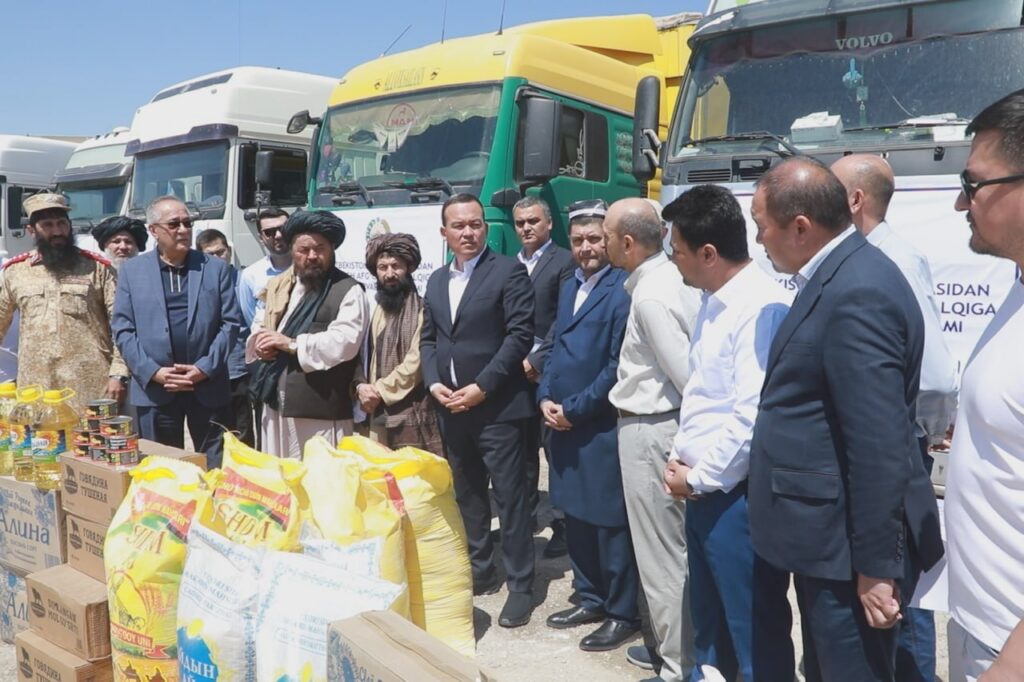
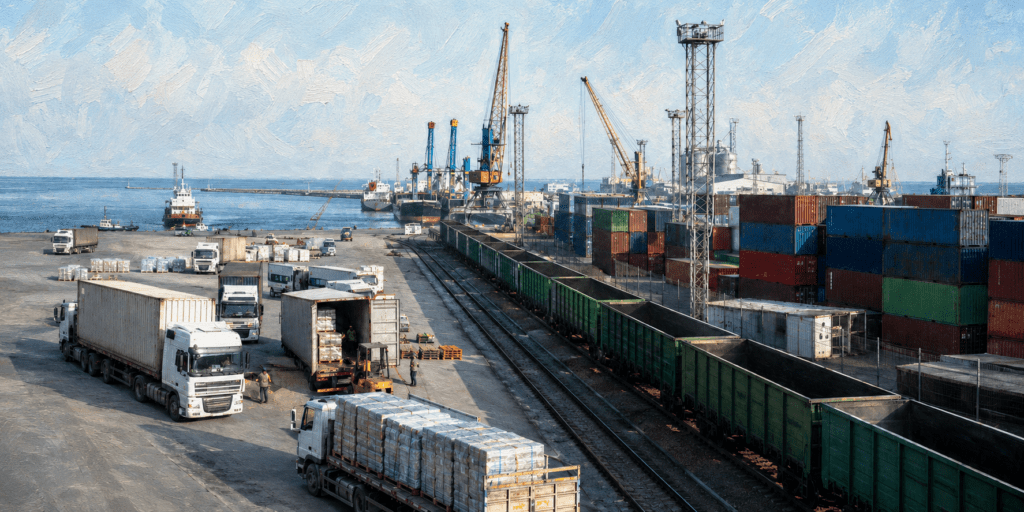
Tajikistan has said it has sent more than 3,000 tons of humanitarian aid to Afghanistan, one of the biggest dispatches of supplies from another country since a devastating earthquake in eastern Afghan provinces on August 31. Photographs released by the office of President Emomali Rahmon show a long line of trucks on a highway, apparently headed to the border with Afghanistan on Monday. The delivery came as the United States and other countries congratulated Tajikistan ahead of the 34th anniversary of its Sept. 9, 1991 independence from the collapsing Soviet Union. “The aid loaded on a caravan of trucks consists of 24 types of necessary products and materials, including flour, oil, sugar, rice, bedding, clothing and footwear for children, adolescents and adults, tents, building materials, reinforcement, boards, slate, cement, and other goods and products,” Tajikistan’s presidential office said. It said the aid exemplified Tajikistan’s “humane and good-neighborly policy.” Tajikistan retains security concerns about its border with Afghanistan. Tajik border guards and fighters with Afghanistan’s Taliban government exchanged fire in an area along the border on August 24, though the two sides later met to reduce tensions. Tajikistan’s aid convoy traveled to Afghanistan two days after Uzbekistan handed over 256 tons of aid in the Afghan border city of Hairatan. Afghanistan’s Ministry of Foreign Affairs has also thanked Turkmenistan, Kazakhstan, and Kyrgyzstan for assistance following the quake, which killed at least 2,200 people. It expressed gratitude in a post on X that listed dozens of countries that have sent help. Central Asian countries in particular have been building ties with Afghanistan as they seek to expand trade routes. The quake destroyed thousands of homes, and humanitarian workers are still struggling to reach affected communities in remote, mountainous areas. Shannon O’Hara, a senior United Nations aid coordination official in Afghanistan, said on Monday that emergency responders are prioritizing aid to women, children, and people with disabilities. “In Afghanistan, in recent years, women and girls have been pushed to the very margins of society and survival,” O’Hara said, according to a U.N. statement. “We know from previous earthquakes and other crises that women and girls always bear the heaviest burden.”

Turkmenistan to Send Tents, Food, Other Aid to Afghanistan; Quake Toll Rises

Turkmenistan plans to send humanitarian aid to Afghanistan as the death toll from an earthquake there increased to more than 2,200, Afghanistan’s Taliban government said on Thursday. Rashid Muradov, Turkmenistan’s deputy prime minister and foreign minister, said “urgent humanitarian assistance - including clothing, tents, medicine, and food - will soon be delivered” to Afghanistan, the Afghan Ministry of Foreign Affairs said on X. Muradov announced Turkmenistan’s aid plans in a telephone conversation with Maulvi Amir Khan Muttaqi, Afghanistan’s foreign minister. The Afghan minister thanked Muradov and “assured that the mentioned aid will be delivered to the needy people in a timely manner,” his office said. Some international donors have previously expressed concern that the Taliban diverts aid for its own purposes rather than delivering it to those most in need. The U.S. Special Inspector General for Afghanistan Reconstruction recently released a report that it said looked into how “the Taliban diverts U.S. aid dollars intended for needy Afghans and the culture of denial within the international aid community, which thwarts effective measures to mitigate that diversion.” A 6.0 magnitude earthquake struck eastern areas in Afghanistan on Sunday, and rescue efforts have been hampered by a lack of infrastructure and mountainous terrain. Kunar was the hardest hit province, and parts of Nangarhar and Laghman provinces were also affected. The Afghan Red Crescent Society said on Thursday that at least 2,205 people died and 3,640 others were injured. “Many people are trapped under the rubble of destroyed homes and rescue efforts are ongoing,” the society said. Like Turkmenistan, Uzbekistan shares a border with Afghanistan and has said it is ready to help with quake relief. Central Asian countries have sent aid to Afghanistan in the past as they build ties with the Taliban and work on diversifying trade routes. Security concerns remain. Tajik border guards and Taliban fighters exchanged fire in an area along the Tajik-Afghan border on Aug. 24, though the two sides later met in an effort to reduce tensions.

After Afghan Quake, UNHCR Preps Relief Supplies at Uzbek Border

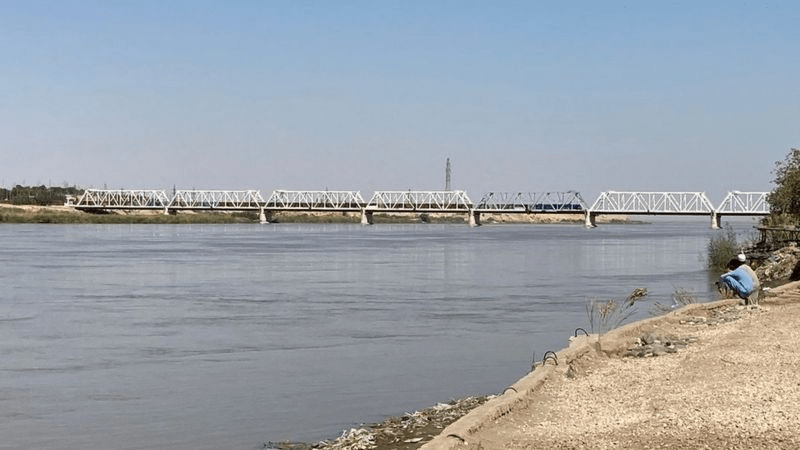
The border city of Termez, Uzbekistan, is becoming a logistics hub for some international efforts to provide aid to Afghanistan after an earthquake there killed more than 1,400 people and destroyed at least 5,400 homes. The United Nations refugee agency said on Tuesday it was drawing on its resources within Afghanistan and in the region after a 6.0 magnitude quake struck near the eastern Afghan city of Jalalabad on Sunday. It said health services in Afghanistan are “overwhelmed” and that the lack of basic infrastructure in hard-hit areas was complicating rescue efforts. “UNHCR is deploying prepositioned essential relief items from stockpiles in Kabul, including tents, blankets and solar lamps,” the agency said. “We are also assessing our emergency stockpiles in the region, including in Termez, Uzbekistan, to meet further needs.” Uzbekistan expressed condolences to Afghanistan and said it was ready to help. “We stand in solidarity with the brotherly people of Afghanistan during this difficult time and reaffirm our readiness to provide all possible assistance in overcoming the consequences of this tragic natural disaster,” Foreign Minister Bakhtiyor Saidov said. After several earthquakes hit the Herat area in western Afghanistan in 2023, UNHCR sent tents and other essential items to affected families from the agency’s warehouse in Termez in an effort coordinated with the Uzbek government. The British Red Cross said more than 2,000 people died in the Herat quakes. Termez, which is about 575 kilometers by road from Jalalabad, lies on the Amu Darya River that separates Uzbekistan from Afghanistan. Soviet forces deployed in the city during the war in Afghanistan in the 1980s, and NATO-led forces also used it as a logistics hub during efforts to help the Afghan government establish security after the fall of the Taliban in 2001. The Taliban returned to power in 2021. Hamdullah Fitrat, a Taliban spokesman, said on X on Tuesday that the death toll from the Jalalabad area quake had risen to 1,411, and that at least 3,124 people had been injured and 5,412 houses were destroyed. “Rescue operations continue across all affected areas today. In locations where helicopters could not land, dozens of commando forces were air-dropped to pull the injured from the rubble and move them to safer ground,” he said. The spokesman also said that “several countries have announced assistance, part of which has already been delivered to emergency relief committees for distribution to earthquake victims.” Britain, India, and China are among a number of countries that have pledged or offered aid to Afghanistan to help it cope with the disaster. Besides Uzbekistan, other Central Asian countries have sent aid to Afghanistan after past deadly quakes there.

Afghanistan Appeals for Quake Relief; Central Asia Likely to Help

Uzbekistan and Tajikistan, which border Afghanistan, have often taken the lead among Central Asian countries in providing relief to Afghan communities after deadly earthquakes. Once again, Afghanistan is desperately in need after a 6.0 magnitude earthquake killed at least 800 people and injured many more in the eastern part of the country late Sunday. The Taliban government has appealed for international aid to help survivors of the quake as Afghanistan struggles with other problems, including the legacy of decades of war, a cut-off of U.S. aid for medical and other services under the administration of President Donald Trump, and the return of many Afghan citizens who were expelled from neighboring Pakistan and Iran. The death toll is likely to rise because some villages that were hit by the quake are in mountainous areas that are difficult to reach, and bad weather has hindered rescue efforts. There was devastation across four eastern provinces in Afghanistan, including Nangarhar and Kunar, according to the United Nations. The U.S. Geological Survey said the epicenter of the earthquake was 27 kilometers east-northeast of the Afghan city of Jalalabad, which is Nangarhar’s provincial capital and lies near the border with Pakistan. President Kassym-Jomart Tokayev of Kazakhstan “expressed deep condolences to the leadership of Afghanistan in connection with the numerous human casualties as a result of the earthquake in that country,” the presidency said on Telegram. Uzbekistan and Tajikistan have provided humanitarian aid to Afghanistan after past earthquakes, including in 2022 and 2023, and have also helped with logistics as the United Nations and non-governmental groups transported relief supplies across their borders. Turkmenistan, which also shares a border with Afghanistan, has had involvement in such efforts as well. Central Asian countries have been building relations with Afghanistan in recent months, seeking to diversify trade routes while remaining concerned about security threats and other obstacles to stability. The Trans-Afghan Corridor construction project, for example, would provide easier access to Indian Ocean ports for regional countries. It would constitute a core railway that runs from Termez, southern Uzbekistan through Kabul, Afghanistan, and onward to Peshawar, Pakistan. Some Central Asian countries have expressed concern about human rights in Afghanistan, including the treatment of women and girls, but have not made the issue a centerpiece of their growing ties with the Taliban.

Embezzlement Scandal at Kazakh Charity Fund Implicates Influential Officials

A high-profile scandal is unfolding in Kazakhstan involving the alleged embezzlement of billions of tenge from the Biz Birgemiz Qazaqstan (“We Are Together”) charity fund. Testimony from the fund’s embattled director, Perizat Kairat, alongside ongoing press investigations, has implicated several prominent officials. The Rise and Fall of Perizat Kairat Charitable giving in Kazakhstan remains underdeveloped, with many humanitarian organizations struggling to secure adequate funding. The Biz Birgemiz Qazaqstan fund, however, stood out. Backed by donations from large banks, business leaders, and individuals, it quickly amassed substantial sums. Established in June 2021, the fund came under scrutiny after Kairat’s arrest in November 2024. She was initially charged with embezzling more than KZT 1.5 billion ($2.8 million) raised during the spring 2024 floods, the worst to hit Kazakhstan in 80 years, affecting twelve regions and leaving thousands homeless. Subsequent investigations raised the alleged embezzled amount to KZT 2.9 billion ($5.4 million). The authorities claim Kairat and her mother, Gaini Alashbaeva, used the funds to purchase luxury real estate, vehicles, designer goods, and pay for lavish travel. Funds collected for humanitarian aid to Gaza residents were also reportedly misappropriated. Additional allegations include collecting over KZT 105 million ($200,000) for festivals such as Central Asia Fest and Almaty Uni, which were never held, and for a rehabilitation center, which was never built. Support for the fund was boosted by advertising through Kazakhstan’s largest financial platform, Kaspi.kz, which promoted it within its mobile app. During court proceedings, Kaspi.kz confirmed transferring KZT 620 million ($1.2 million) to the fund. Another major contributor, Jusan Bank (now Alatau City Bank), reportedly also donated KZT 300 million ($560,000). Misplaced Trust Public trust in the fund was bolstered by the widespread belief that it was affiliated with the state. For instance, an elderly woman from Pavlodar testified that she donated KZT 1 million, believing it was a government initiative. Parents from Nazarbayev Intellectual Schools (NIS) who transferred KZT 901,000 are now demanding its return to assist a seriously ill teacher. Witnesses claim Kairat collected cash through intermediaries using large market-style bags. Political Connections and Allegations Perizat Kairat’s defense has drawn high-level political figures into the spotlight. On July 14, she requested the court summon Bauyrzhan Baybek, former mayor of Almaty and ex-first deputy chairman of the ruling Amanat Party (formerly Nur Otan), for questioning. Kairat alleges that the fund was “created under the leadership of Baybek,” claiming all its founders, except herself, were current or former party employees. Amanat, Kazakhstan’s dominant political party, has publicly denied any connection to Kairat or the foundation. Though President Kassym-Jomart Tokayev resigned from the party leadership in April 2022, Amanat remains politically influential and retains close ties to many government officials. Kazakh outlet Orda.kz examined Kairat’s social media to explore potential links between the fund and state institutions. It found the foundation's founders had associations with the BizBirgemiz volunteer movement, launched during the COVID-19 pandemic under a state initiative of the same name. Just a month after its registration, the foundation hosted a charity...

Ukrainian Children Arrive in Uzbekistan for Rest and Recovery

Just ahead of Eid al-Adha, a group of Ukrainian children have arrived in Tashkent for a 12-day program of rest and psychological rehabilitation. The Ukrainian Embassy in Uzbekistan reported that the visit was fully organized and funded by the Uzbek government. The children, who come from war-affected regions including Kharkiv, Kherson, Mykolaiv, Zaporizhzhia, Sumy, Khmelnytskyi, Lviv, and Kyiv, received a warm welcome upon arrival at Tashkent International Airport. From there, they traveled to a mountain camp nestled in a valley near the Tien Shan range. According to the embassy, the initiative was launched at the request of the Ukrainian side and is intended to help the children recover emotionally from the ongoing trauma of air raid sirens and missile strikes. The camp offers a structured program of daily themed events, such as “National Values Day” and “Sports and Health Day,” along with creative competitions and excursions. Evenings are reserved for social gatherings. Ukrainian adults are present to supervise the children throughout their stay. Nearly all major ministries and government agencies in Uzbekistan are participating in the effort, demonstrating strong coordination and compassion. The Ukrainian Embassy emphasized that the initiative reflects Uzbekistan’s genuine interest in supporting Ukrainian children during this difficult period. The program aims not only to provide physical and emotional relief, but also to express solidarity and goodwill from the Uzbek people. Uzbekistan previously provided similar humanitarian assistance to Palestinian civilians, evacuating 100 injured women and children, along with their guardians, from Rafah for medical treatment and care. Uzbekistan’s response to Russia’s war in Ukraine has been cautious yet distinct, reflecting its careful balancing act in international diplomacy. Tashkent has refrained from openly condemning Moscow, a key economic and regional partner, but has also demonstrated a firm commitment to Ukraine’s sovereignty and territorial integrity within the framework of its foreign policy principles. Uzbekistan has supported UN General Assembly resolutions calling for an end to the conflict, signaling alignment with global norms, while urging a peaceful resolution through dialogue. Officials have consistently avoided taking sides but have voiced concerns about the war’s human cost and economic repercussions. Beyond formal diplomatic statements, Uzbekistan’s humanitarian actions have highlighted its concern for those impacted by the war. The government’s decision to host Ukrainian children for rehabilitation reflects its broader efforts to provide tangible support to civilians in crisis zones.