

• KZT/USD = 0.00224
  • TJS/USD = 0.10810
  • UZS/USD = 0.00009
  • TMT/USD = 0.29850
  • KZT/USD = 0.00224
  • TJS/USD = 0.10810
  • UZS/USD = 0.00009
  • TMT/USD = 0.29850
  • KZT/USD = 0.00224
  • TJS/USD = 0.10810
  • UZS/USD = 0.00009
  • TMT/USD = 0.29850
  • KZT/USD = 0.00224
  • TJS/USD = 0.10810
  • UZS/USD = 0.00009
  • TMT/USD = 0.29850
  • KZT/USD = 0.00224
  • TJS/USD = 0.10810
  • UZS/USD = 0.00009
  • TMT/USD = 0.29850
  • KZT/USD = 0.00224
  • TJS/USD = 0.10810
  • UZS/USD = 0.00009
  • TMT/USD = 0.29850
  • KZT/USD = 0.00224
  • TJS/USD = 0.10810
  • UZS/USD = 0.00009
  • TMT/USD = 0.29850
  • KZT/USD = 0.00224
  • TJS/USD = 0.10810
  • UZS/USD = 0.00009
  • TMT/USD = 0.29850
17 September 2026

Viewing results 1 - 6 of 2

Uzbekistan Tests HUMO Stablecoin for Everyday Payments

Uzbekistan has begun its first experiment using a privately issued stablecoin called HUMO to pay for everyday goods and services. A stablecoin is a digital token designed to keep a fixed value, rather than rise and fall sharply like Bitcoin. One HUMO will be pegged to one Uzbek soum, with the tokens backed by government securities. The name may cause some confusion because HUMO is also the name of an Uzbek payment system. The token is not a bank card or a central bank digital currency and is separate from that payment system. HUMO Digital, a private company, is listed by the National Agency for Perspective Projects (NAPP) as the stablecoin’s issuer. The project is being conducted under the joint supervision of the Central Bank and NAPP. Until now, crypto assets could not legally be used to pay directly for goods and services in Uzbekistan. The Central Bank and NAPP have decided to test an exception under a special regulatory regime. On September 2, HUMO Digital was registered to take part in the experiment. The project will test the issuance, circulation, and redemption of HUMO, as well as its use to pay for goods and services. More than 20 companies are prepared to accept the tokens during the pilot. Asterium, which is licensed as a crypto exchange, crypto depository, and crypto shop, is also participating in the project. Each HUMO issued is to be backed by Uzbek government securities. In practice, that means HUMO Digital will hold government debt as collateral behind the tokens it issues. The Central Bank will monitor whether there are enough assets backing the tokens and whether those assets are safely held. It will also assess whether payments and consumers are adequately protected, along with any effects that wider use of HUMO could have on inflation, monetary policy, and financial stability. The experiment is initially planned for 12 months. It can be extended, although the project cannot last more than three years in total. The results will help regulators decide how such digital financial instruments should be regulated in the future. The choice of the soum sets the Uzbek project apart from most of the global stablecoin market. Neighboring Kazakhstan is also exploring a potential stablecoin, although its proposed structure has not been disclosed. Nearly all major stablecoins are pegged to the U.S. dollar. According to the Bank for International Settlements (BIS), approximately 98% of stablecoin value is denominated in dollars. The best-known examples are Tether (USDT) and USD Coin (USDC). In effect, they allow users to hold and transfer something closely tied to the value of the dollar at any time and across borders. For countries with their own currencies, that convenience can create a problem. If people increasingly save or pay in dollar-backed tokens instead of the local currency, the local currency can lose ground. The BIS warns that widespread stablecoin adoption in emerging economies could accelerate what it calls digital dollarization and make it harder for central banks to manage their economies. Tashkent...
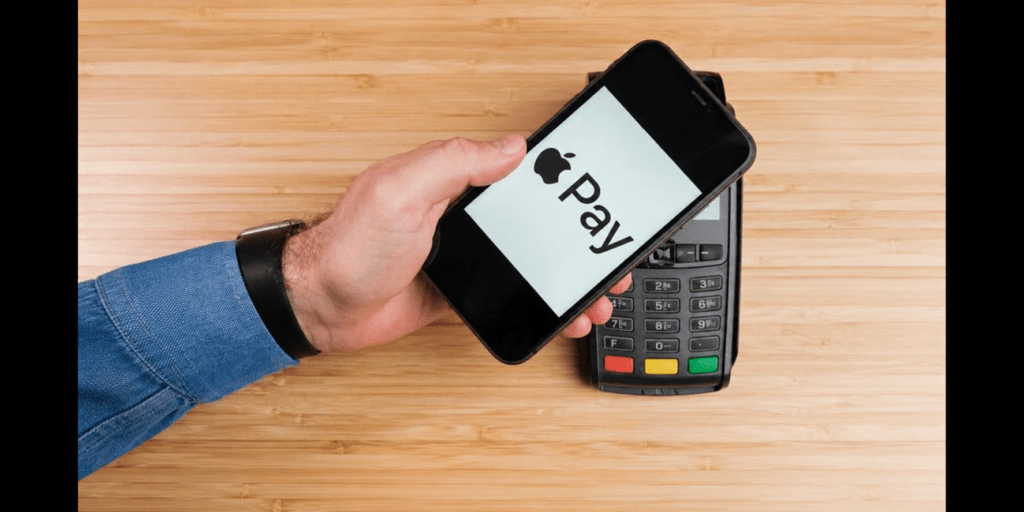

Apple Pay and Google Pay Mobile Wallets Could Launch in Uzbekistan Within Months

Apple Pay and Google Pay could become available in Uzbekistan within the next few months, Jamshid Usmanov, head of the Central Bank’s Payment Systems Development Department, told Spot. Usmanov said the Central Bank began negotiations with Apple and Google after amendments to Uzbekistan’s personal data legislation came into force. The regulator has since been working with commercial banks and the national payment systems Humo and Uzcard to complete the technical integration required to launch the services. “Commercial banks are actively carrying out integration work. There are also issues related to card tokenization that are being addressed,” Usmanov said. The project extends beyond support for international payment cards such as Visa and Mastercard. The Central Bank is also working to make Humo and Uzcard cards compatible with Apple Pay and Google Pay, enabling customers to use Uzbekistan’s domestic payment systems through the digital wallets. Usmanov said one or more commercial banks could be the first to introduce the services. He confirmed that Central Bank representatives met with Apple and Google in April and May and added that positive news could be expected in the coming months. Alongside the mobile payments initiative, Uzbekistan is continuing work on a National Payment Switch, which is scheduled to be launched in 2027 under a presidential decree. The new platform would provide unified infrastructure for processing domestic payment transactions. At present, some transactions made with international bank cards are processed through centers outside Uzbekistan. The National Payment Switch will allow those transactions to be processed domestically. Usmanov added that many countries are gradually adopting national payment switches because they reduce dependence on foreign payment infrastructure providers and allow payment data to remain within national jurisdictions. The Central Bank expects the new system to improve the resilience of Uzbekistan’s payment infrastructure and provide better data protection. Regulatory documents are currently being prepared, while technical implementation will proceed during the next phase of the project. The Times of Central Asia previously reported that Uzbekistan was also moving toward integrating PayPal, with negotiations between the Central Bank and the company underway following changes to the country’s personal data legislation.