

• KGS/USD = 0.01144 0%
  • KZT/USD = 0.00208 0%
  • TJS/USD = 0.10440 -0.19%
  • UZS/USD = 0.00008 0%
  • TMT/USD = 0.28571 0.28%
  • KGS/USD = 0.01144 0%
  • KZT/USD = 0.00208 0%
  • TJS/USD = 0.10440 -0.19%
  • UZS/USD = 0.00008 0%
  • TMT/USD = 0.28571 0.28%
  • KGS/USD = 0.01144 0%
  • KZT/USD = 0.00208 0%
  • TJS/USD = 0.10440 -0.19%
  • UZS/USD = 0.00008 0%
  • TMT/USD = 0.28571 0.28%
  • KGS/USD = 0.01144 0%
  • KZT/USD = 0.00208 0%
  • TJS/USD = 0.10440 -0.19%
  • UZS/USD = 0.00008 0%
  • TMT/USD = 0.28571 0.28%
  • KGS/USD = 0.01144 0%
  • KZT/USD = 0.00208 0%
  • TJS/USD = 0.10440 -0.19%
  • UZS/USD = 0.00008 0%
  • TMT/USD = 0.28571 0.28%
  • KGS/USD = 0.01144 0%
  • KZT/USD = 0.00208 0%
  • TJS/USD = 0.10440 -0.19%
  • UZS/USD = 0.00008 0%
  • TMT/USD = 0.28571 0.28%
  • KGS/USD = 0.01144 0%
  • KZT/USD = 0.00208 0%
  • TJS/USD = 0.10440 -0.19%
  • UZS/USD = 0.00008 0%
  • TMT/USD = 0.28571 0.28%
  • KGS/USD = 0.01144 0%
  • KZT/USD = 0.00208 0%
  • TJS/USD = 0.10440 -0.19%
  • UZS/USD = 0.00008 0%
  • TMT/USD = 0.28571 0.28%

Viewing results 1 - 6 of 8

IAEA to Review Uzbekistan Nuclear Power Project in 2026

A mission from the International Atomic Energy Agency (IAEA) is expected to visit Uzbekistan in the second half of 2026 to assess progress on the country’s nuclear power plant project, according to Uzbekistan’s Atomic Energy Agency (Uzatom). Preparations for the visit were discussed during a meeting between Uzatom Director Azim Akhmedkhadjaev and IAEA Director General Rafael Grossi. Uzbek officials said the talks focused on expanding cooperation in nuclear energy and reviewing progress under a joint roadmap aimed at deepening collaboration. According to Uzatom, Grossi noted Uzbekistan’s efforts to develop nuclear energy in line with international standards and IAEA recommendations. He also referred to reforms carried out under President Shavkat Mirziyoyev that, in his view, have helped create the institutional conditions necessary for implementing the nuclear program. The planned follow-up Integrated Nuclear Infrastructure Review (INIR) mission is expected to evaluate preparations for the construction of Uzbekistan’s first nuclear power plant. The facility is planned to be built in the Farish district of Jizzakh Region. Uzbek officials said IAEA specialists will assess progress on key aspects of the project during the visit. Grossi reportedly described the mission as an important stage in the implementation of Uzbekistan’s nuclear energy plans. Discussions also addressed the next practical phase of the project, including the start of initial construction works at the site. According to Uzatom, the planned nuclear power complex is expected to combine both large and small reactor units. At the conclusion of the meeting, Grossi confirmed the IAEA’s readiness to continue supporting Uzbekistan’s nuclear energy program and accepted an invitation to attend events marking the launch of construction. The sides also discussed increasing the number of Uzbek specialists working in the IAEA Secretariat, which officials say could strengthen national expertise in the nuclear sector and expand participation in international projects. The Times of Central Asia previously reported that Belarus has expressed readiness to assist Uzbekistan in developing nuclear power capacity and training specialists, offering to share experience gained through cooperation with Russia.
IAEA Extends Central Asia Uranium Cleanup Plan Through 2030

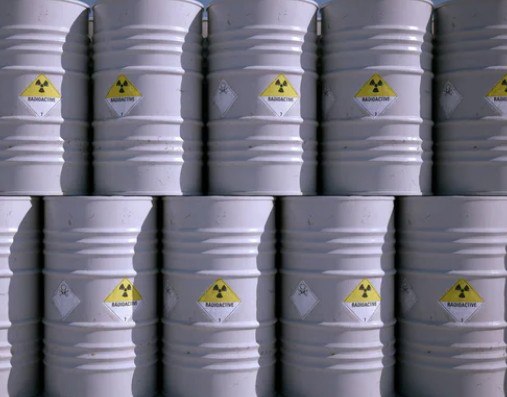
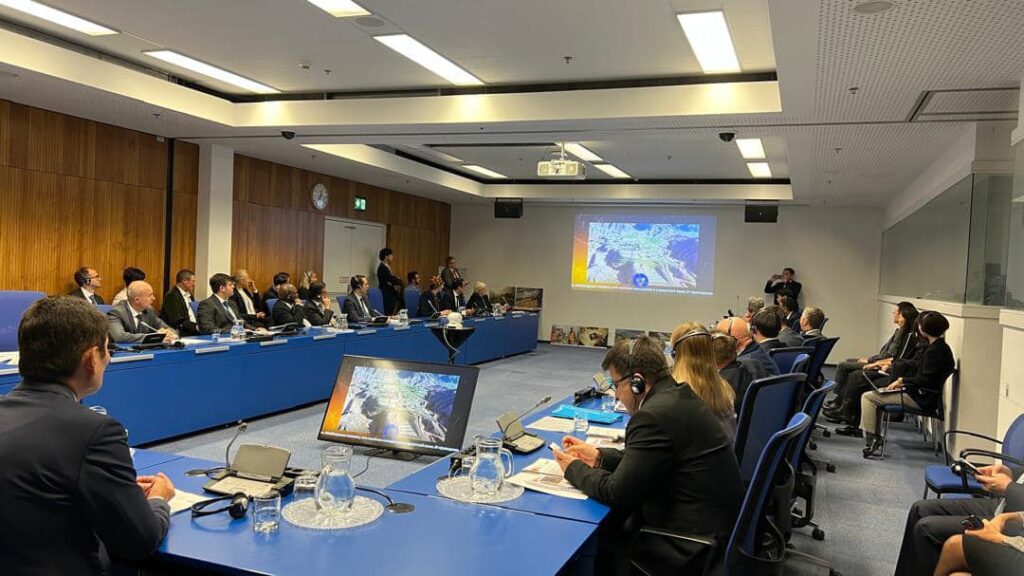
The International Atomic Energy Agency (IAEA) has released a new Strategic Master Plan extending its cooperation with Kyrgyzstan, Tajikistan, and Uzbekistan, alongside international partners, for the remediation of uranium legacy sites in Central Asia through 2030, according to World Nuclear News. Central Asia served as a key uranium source for the former Soviet Union, with mining and processing conducted over more than 50 years. In addition to local production, uranium ore was imported for processing, leaving vast amounts of radioactive waste stored in tailings and mining dumps. Most sites were shut down by 1995, but limited remediation both pre- and post-closure, has left behind long-term environmental and public health risks, including the threat of groundwater and surface water contamination in agriculturally vital areas. Since 2012, the IAEA’s Coordination Group for Uranium Legacy Sites has supported Central Asian countries with expert missions, legal and regulatory framework development, and remediation strategies. In 2017, the IAEA, the European Commission, the European Bank for Reconstruction and Development, the CIS Economic Council, and the governments of Kyrgyzstan, Tajikistan, and Uzbekistan adopted a Strategic Master Plan. Published in May 2018, it identified seven former uranium sites as the highest priority, with initial remediation costs estimated at €85 million. A revised plan was signed in September 2021, and the most recent version was presented in Tashkent in October 2025. It emphasizes long-term monitoring, maintenance, recordkeeping, and ongoing engagement with local communities to ensure the safe reuse of remediated land. “The new plan, an extension of our collaboration since 2017, focuses on enhancing the regulatory, technical, financial, and human resources for the long-term management of the remediated sites, according to IAEA safety standards,” said Hildegarde Vandenhove, Director of the IAEA Division of Radiation, Transport and Waste Safety. The updated plan puts the total cost of the Environmental Remediation Account programme at €113 million. This includes remediation work, project management, and contingencies. Since 2017, four of the seven high-priority sites have been fully remediated, two in Kyrgyzstan and two in Uzbekistan, while work continues at a fifth site in Kyrgyzstan. In Tajikistan, one site has been partially remediated, and another remains untouched. Lower-priority sites are also covered under the new plan, with some funding secured through bilateral agreements with Russia. Sardorbek Yakubekov, Deputy Chairman of Uzbekistan’s Industrial, Radiation and Nuclear Safety Committee, said the programme “stands as a vivid example of how the collective efforts of the international community… can yield tangible and lasting results.” As previously reported by The Times of Central Asia last December, Tajikistan still faces tens of millions of tons of radioactive waste from Soviet-era uranium mining, highlighting both the scale of the challenge and the critical need for sustained international support.

Kyrgyzstan Asks IAEA for $45 Million for Nuclear Waste Remediation

Kyrgyzstan's Deputy Minister of Emergency Situations, Azamat Mambetov, has asked for support from Central Asian countries at the International Atomic Energy Agency's General Session in Vienna, Austria. The 68th session of the IAEA General Conference is taking place from September 16 to 20, 2024. An official from the Kyrgyz Republic Ministry of Emergency Situations made a speech that called for attention to be paid to the importance of ensuring environmental safety in the region. “In his speech, Azamat Mambetov emphasized the importance of the problem of radiation safety in Central Asia and called for the intensification of international efforts to reclaim uranium tailings in the region,” the Ministry of Emergency Situations stated. The IAEA adopted a resolution on “The Role of the International Community in Preventing Radiation Threats in Central Asia.” A strategic master plan was developed to reclaim uranium sites in the region and create a special account for environmental remediation in Kyrgyzstan, Uzbekistan, and Tajikistan. The Deputy Minister of Emergency Situations of Kyrgyzstan informed IAEA members about the process of completing the reclamation of two nuclear waste sites in the country's south. This has allowed about 80,000 people in that area to live safely. The Kyrgyz Ministry of Emergency Situations stressed that it is grateful to all countries and international organizations that have made a significant contribution to the environmental rehabilitation of the tailing dumps left over from Soviet-era uranium mining in Central Asia. However, approximately another $45 million is needed to implement the Strategic Master Plan fully. According to the Kyrgyz Ministry of Emergency Situations, there are currently 92 toxic and radioactive waste dumps in the country. Of these, 23 tailings contain uranium elements, while the rest contain radioactive rock residues, heavy metals, and cyanide.

Kazakhstan Supplies Vital Radiopharmaceuticals to Kyrgyzstan

On 15 June, the Institute of Nuclear Physics in Almaty, Kazakhstan delivered a molybdenum-99/technetium-99 generator, used to diagnose cancer and heart diseases, to Kyrgyzstan. As reported by the Kazakh Ministry of Energy, the provision of the generator to Kyrgyzstan was organized in cooperation with the International Atomic Energy Agency (IAEA). The Institute of Nuclear Physics is the only organization in Kazakhstan certified to produce radiopharmaceuticals that comply with international standards. Today, the Institute produces some 75% of Kazakhstan’s radiopharmaceuticals supplied to medical institutions in the cities of Almaty, Shymkent, and Semey. The supply of radiopharmaceuticals to Kyrgyzstan marks an important step towards strengthening the healthcare system and the availability of advanced medical technologies for the country’s residents.
