Kyrgyzstan Urges EAEU to Remove Import Duties on Key Goods
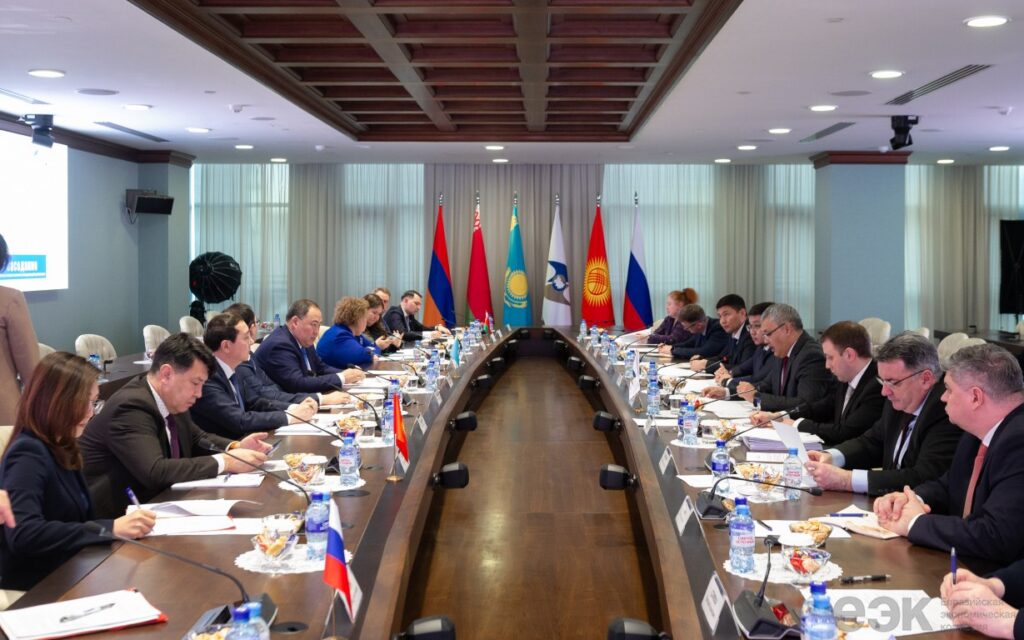
Kyrgyzstan has appealed to its partners in the Eurasian Economic Union (EAEU) to eliminate import duties on a range of socially significant goods, arguing that the measure would help ease the impact of global inflation and slow domestic price growth, according to an official government statement. The proposal was presented during a meeting of the Eurasian Economic Commission (EEC) held in Moscow on March 13. Kyrgyz officials stressed that the country’s economic conditions differ markedly from those of the bloc’s larger member states, making more flexible trade mechanisms necessary. The initiative covers goods considered critical for food security, including flour, vegetable oil, fruits and vegetables, as well as cocoa powder used in the confectionery industry. Authorities in Bishkek believe that removing import duties on these items would lower procurement costs and reduce the transmission of global price increases to the domestic market. “We are seeing rising inflation worldwide, including for the goods we import, particularly agricultural products. In effect, when we import goods at higher prices, we are also importing inflation. Eliminating duties will help reduce the cost of these products,” said Elimbek Kanybek uulu, head of the EAEU Coordination Department, at a press conference in Bishkek. The full list of goods eligible for preferential treatment, along with import volume thresholds, is expected to be published within a month after the EEC formally approves the decision. According to Kanybek uulu, Kyrgyzstan has previously sought similar temporary measures for meat imports. At that time, the suspension of duties contributed to a reduction of around 10% in the price of imported meat. Food security remains a major policy priority. President Sadyr Japarov has said that Kyrgyzstan is currently self-sufficient in six of the nine staple food items included in the national food basket. The government plans to gradually expand domestic production of the remaining products, including flour, vegetable oil, and certain types of fruit. Analysts say future food price dynamics in Kyrgyzstan will depend on both global commodity trends and decisions within the EAEU regarding trade preferences and tariff policy.