
• KGS/USD = 0.01144 0%
  • KZT/USD = 0.00200 0%
  • TJS/USD = 0.10575 0.28%
  • UZS/USD = 0.00008 0%
  • TMT/USD = 0.28571 0%
  • KGS/USD = 0.01144 0%
  • KZT/USD = 0.00200 0%
  • TJS/USD = 0.10575 0.28%
  • UZS/USD = 0.00008 0%
  • TMT/USD = 0.28571 0%
  • KGS/USD = 0.01144 0%
  • KZT/USD = 0.00200 0%
  • TJS/USD = 0.10575 0.28%
  • UZS/USD = 0.00008 0%
  • TMT/USD = 0.28571 0%
  • KGS/USD = 0.01144 0%
  • KZT/USD = 0.00200 0%
  • TJS/USD = 0.10575 0.28%
  • UZS/USD = 0.00008 0%
  • TMT/USD = 0.28571 0%
  • KGS/USD = 0.01144 0%
  • KZT/USD = 0.00200 0%
  • TJS/USD = 0.10575 0.28%
  • UZS/USD = 0.00008 0%
  • TMT/USD = 0.28571 0%
  • KGS/USD = 0.01144 0%
  • KZT/USD = 0.00200 0%
  • TJS/USD = 0.10575 0.28%
  • UZS/USD = 0.00008 0%
  • TMT/USD = 0.28571 0%
  • KGS/USD = 0.01144 0%
  • KZT/USD = 0.00200 0%
  • TJS/USD = 0.10575 0.28%
  • UZS/USD = 0.00008 0%
  • TMT/USD = 0.28571 0%
  • KGS/USD = 0.01144 0%
  • KZT/USD = 0.00200 0%
  • TJS/USD = 0.10575 0.28%
  • UZS/USD = 0.00008 0%
  • TMT/USD = 0.28571 0%
26 February 2026

Viewing results 1 - 6 of 4

Kazakhstan Bets on U.S. Technology to Modernize Railways

Kazakhstan’s railways are not just about moving freight - they are about positioning the country at the heart of Eurasia’s transport map. In a region where China’s Belt and Road, Russia’s transit corridors, and Europe’s markets converge, rail infrastructure has become a strategic asset. Against this backdrop, Kazakhstan Temir Zholy (KTZ) has signed a landmark $4.2 billion agreement with U.S.-based Wabtec for the supply of 300 TE33A locomotives and the maintenance of both existing and newly acquired rolling stock. The deal, which includes the construction of social infrastructure in regions where service centers are located, is one of the largest in the history of Kazakhstan’s rail sector, underscoring Astana’s ambition to cement its role as a key Eurasian logistics hub. To explore the agreement’s significance and the implications for Kazakhstan’s rail sector, The Times of Central Asia spoke with Asan Umbetov, Deputy General Director for Locomotive Operations at KTZ-Freight Transportation. TCA: What does this agreement mean for Kazakhstan’s railway sector? Umbetov: Kazakhstan is increasingly positioning itself as a key transport and logistics hub in Eurasia, with freight volumes having multiplied in recent years. To remain competitive, we need a modern and reliable locomotive fleet. Many of our diesel locomotives from the 1970s and 1980s are nearing the end of their service life. The TE33A series offers clear advantages: reduced fuel consumption, lower maintenance costs, operational readiness of up to 95%, enhanced traction, and resilience in extreme weather. They also improve working conditions for crews, featuring air conditioning, refrigerators, and onboard sanitation. This investment supports not only transport efficiency but also job creation, increased tax revenue, and the growth of adjacent industries, such as maintenance, warehousing, and logistics. In essence, modernizing our locomotive fleet is an investment in Kazakhstan’s broader economic and strategic positioning in Eurasian freight transport. TCA: How would you assess KTZ’s cooperation with Wabtec to date? Umbetov: Wabtec brings over a century of global experience and has operated in Kazakhstan for more than 27 years. Initially focused on modernizing 2Т10МК locomotives, the company launched the Locomotive Assembly Plant (LAP) in Astana in 2009. Today, the plant is staffed entirely by Kazakh citizens, including its management, and manufactures freight, passenger, and shunting locomotives certified under Eurasian Customs Union standards. In 2024, Wabtec opened an engineering center at LAP to provide technical expertise across the CIS. Its specialists will also participate in the development of the new TE33A series. Wabtec’s Astana Diesel Service plant handles major overhauls of Evolution-series diesel engines and other components, while seven service centers across Kazakhstan ensure ongoing maintenance. The company also supports the Bolashak program, offering paid internships for Kazakh students at its U.S. facilities. Since LAP’s launch, 572 locomotives have been produced for KTZ, and 40 units have been exported to Kyrgyzstan, Moldova, Tajikistan, Azerbaijan, Ukraine, Turkmenistan, and Mongolia. The plant has achieved a localization level of 40%. TCA: When will the new locomotives be delivered? Umbetov: Deliveries under the current contract will continue until 2026. The new agreement, covering 300 locomotives, spans the...
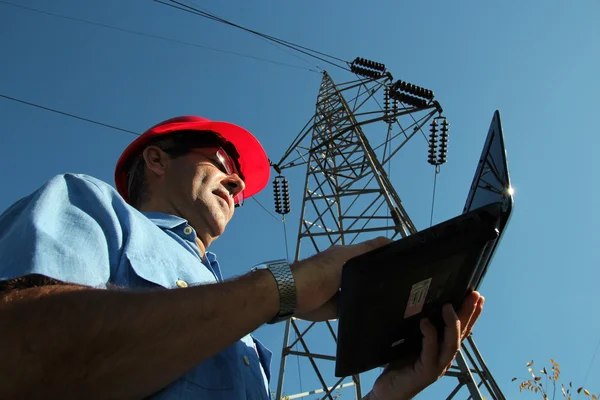

Uzbekistan Aims to Save 1.1 Billion Cubic Meters of Gas in 2025

Uzbekistan’s Statistics Committee has released data on industrial production for January and February 2025, revealing a continued decline in natural gas output. During this period, the country produced 7.37 billion cubic meters of gas, down 329 million cubic meters (4.2%) from the same period in 2024 and 781 million cubic meters compared to 2023. Depleting Reserves and Rising Demand Azim Ahmadkhadjayev, head of the state nuclear agency Uzatom, attributed the decline to the depletion of existing gas fields and delays in developing new ones. Simultaneously, Uzbekistan’s industrial production is accelerating, driving up energy demand. “The existing fields are running out. Discovering and developing new reserves requires substantial investment. Work is underway, but the transition takes time,” Ahmadkhadjayev told the Alter Ego project. He also emphasized that the future expansion of nuclear energy would reduce reliance on gas. Amid these challenges, the government is prioritizing energy conservation. At a March 26 meeting, President Shavkat Mirziyoyev outlined ambitious goals: saving 1.1 billion cubic meters of natural gas and 2.6 billion kilowatt hours of electricity in 2025. Outdated Infrastructure and Industrial Modernization Many of Uzbekistan’s industrial facilities date back several decades and were not designed with energy efficiency in mind. This outdated infrastructure consumes disproportionate amounts of electricity and gas, leading to regional shortages during peak demand. To address this, the government is modernizing key industries and implementing a dedicated energy-efficiency program for large enterprises. With the population projected to reach 41 million by 2030 and, energy demand expected to grow by 1.5 times, long-term planning is critical. Researchers in Samarkand, Syrdarya, and Jizzakh have identified potential energy savings of 870 million kilowatt hours of electricity and 420 million cubic meters of gas. One proposed measure is replacing 35,000 outdated machines in small and medium-sized factories. Local Energy Initiatives Energy savings are also being pursued at the community level. The government plans to install small solar power plants in 300 neighborhoods, aiming to save 45 million cubic meters of gas in 2025. Additionally, over 1,000 micro hydropower stations are planned on canals and streams to generate supplemental electricity. Street lighting is another major energy consumer, using 200 million kilowatt hours annually. Transitioning to solar-powered lights could halve this consumption. President Mirziyoyev stressed the need for factories to adopt energy-efficient technologies and reduce waste. A new monitoring system will ensure the proper implementation of these energy-saving measures. Focus on Renewables and Public Awareness The government is also promoting energy-conscious behavior among citizens. Simple actions, like turning off unused lights or installing solar panels, can collectively contribute to national energy goals. Particular attention is being paid to the densely populated Fergana Valley. A tailored energy plan is being developed for the region, with successful strategies to be expanded nationwide.