• KGS/USD = 0.01144 0%
  • KZT/USD = 0.00191 -0%
  • TJS/USD = 0.10838 0.37%
  • UZS/USD = 0.00008 0%
  • TMT/USD = 0.28571 0.28%
  • KGS/USD = 0.01144 0%
  • KZT/USD = 0.00191 -0%
  • TJS/USD = 0.10838 0.37%
  • UZS/USD = 0.00008 0%
  • TMT/USD = 0.28571 0.28%
  • KGS/USD = 0.01144 0%
  • KZT/USD = 0.00191 -0%
  • TJS/USD = 0.10838 0.37%
  • UZS/USD = 0.00008 0%
  • TMT/USD = 0.28571 0.28%
  • KGS/USD = 0.01144 0%
  • KZT/USD = 0.00191 -0%
  • TJS/USD = 0.10838 0.37%
  • UZS/USD = 0.00008 0%
  • TMT/USD = 0.28571 0.28%
  • KGS/USD = 0.01144 0%
  • KZT/USD = 0.00191 -0%
  • TJS/USD = 0.10838 0.37%
  • UZS/USD = 0.00008 0%
  • TMT/USD = 0.28571 0.28%
  • KGS/USD = 0.01144 0%
  • KZT/USD = 0.00191 -0%
  • TJS/USD = 0.10838 0.37%
  • UZS/USD = 0.00008 0%
  • TMT/USD = 0.28571 0.28%
  • KGS/USD = 0.01144 0%
  • KZT/USD = 0.00191 -0%
  • TJS/USD = 0.10838 0.37%
  • UZS/USD = 0.00008 0%
  • TMT/USD = 0.28571 0.28%
  • KGS/USD = 0.01144 0%
  • KZT/USD = 0.00191 -0%
  • TJS/USD = 0.10838 0.37%
  • UZS/USD = 0.00008 0%
  • TMT/USD = 0.28571 0.28%
11 November 2025

Viewing results 1 - 6 of 2

Structural Barriers Continue to Hamper Industrial Growth in Tajikistan

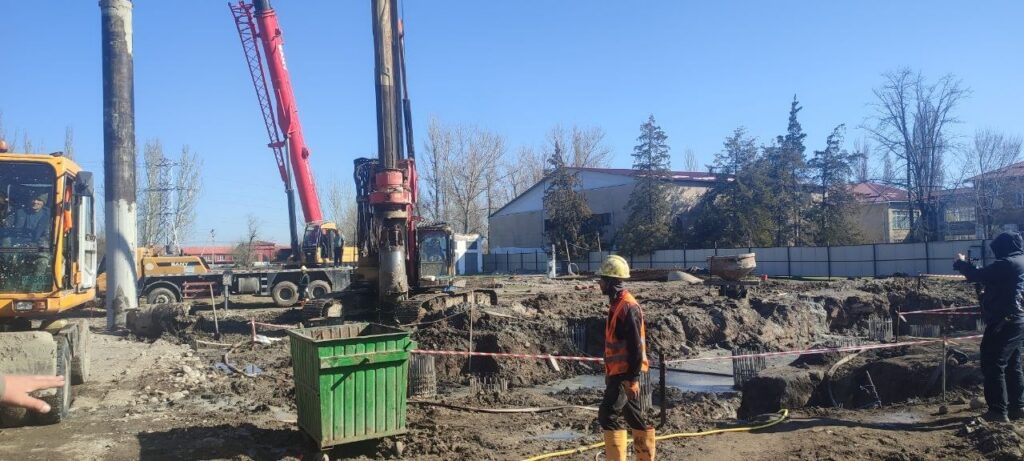
Despite recent gains in industrial output, Tajikistan’s full industrial potential remains largely unrealized. Analysts point to a combination of systemic issues that continue to constrain the sector's sustainable development. Growth Driven by Extractive Industries According to the Statistical Agency under the President of Tajikistan, industrial production totaled 18.9 billion somoni in January, April 2025, marking a 25.2% increase compared to the same period in 2024. However, this growth was overwhelmingly fueled by the extractive sector, which surged by 90%. In contrast, manufacturing expanded by just 3.5%. While 121 new enterprises were launched during the first four months of the year, disruptions in existing operations and the narrow structure of industrial growth highlight deeper systemic problems. Idle Enterprises and Obsolete Equipment Minister of Industry and New Technologies Sherali Kabir reported that 92 industrial enterprises remained non-operational as of August 2024. Over half have been idle since 2008-2018, with the rest inactive since 2019-2022. The reasons range from financial difficulties and pandemic-related business closures to outdated equipment and low competitiveness. Rising input costs and limited market access further compound the problem. Some sectors, such as textiles and garments, could potentially resume operations, but only with significant modernization. Although some light and food industry enterprises have diversified, others, such as the porcelain factory in Tursunzade, have failed to adapt to changing market conditions. Raw Material Shortages Insufficient raw material supply remains a major bottleneck for several subsectors. The vegetable oil industry, for instance, requires approximately 833,000 tons of oilseeds to produce 100,000 tons of oil. However, domestic output is under 100,000 tons, limiting production to just 25,000 tons, four times below the national requirement. The canning industry faces similar constraints due to an inconsistent supply of fruits and vegetables. Energy Shortages Power outages continue to disrupt industrial output, especially in winter. Cotton processing plants produced 980 tons less fiber in the first half of 2025 compared to the same period in 2024 due to energy shortages. At the Azot plant in Levakant, production losses translated to a 7.3 million somoni revenue shortfall. Agricultural infrastructure has also been affected: the Land Reclamation Agency reported 130 pump station failures in 2023 alone, caused by voltage surges and sudden power cuts. Declining Cement and Coal Exports Despite advances in cement production, Tajikistan’s export volumes have declined sharply. From January to April 2025, the country exported just 154,000 tons of cement, down from 655,000 tons during the same period in 2024. This marks a 30.4 percent decline compared to the same period in 2023. The decline stems largely from reduced demand in key markets. Uzbekistan’s new cement plants have fulfilled domestic needs and displaced Tajik exports to Afghanistan. Coal exports have also suffered due to increased transit fees. Afghanistan raised its transit tariff from $7 to as much as $50 per ton, leading to a 15,000-ton decline in exports to Afghanistan and a 65,000-ton drop to Pakistan. High Production Costs Undermine Competitiveness High production costs across all sectors continue to undermine Tajikistan’s industrial competitiveness. For example, the...

Chevrolet vs China: The Battle for the Future of Uzbekistan’s Auto Industry

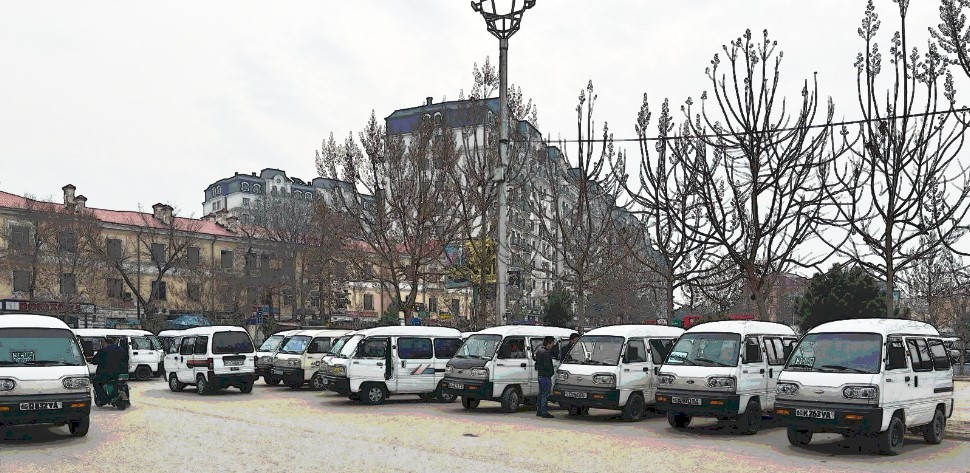
ANDIJAN -- Spend long enough in Uzbekistan and you become adept at reading numberplates. While in Paris or Los Angeles, you will generally identify your taxi by its color and its manufacturer; try doing that in Uzbekistan, and you run into a problem: for the past two decades or so, the color and manufacturer have invariably been White and Chevrolet. “Yep, it’s true,” laughed Alisher, as I remarked on this when he collected me from Andijan train station. “90% of the cars are Chevrolets, and 80% of them are white.” But this era of monochrome monopoly may be coming to an end. With the electric vehicle (EV) revolution sweeping the world, Chinese companies have Chevrolet’s kingdom in their sights. A Levy for the Chevy Islam Karimov, Uzbekistan’s first president, was alone among the leaders of former Soviet republics in being a trained economist. Schooled in the planned economy, his powerful state acquired control over key industries and sought to make Uzbekistan self-reliant. It did a deal with South Korean conglomerate Daewoo to open its first factory in Uzbekistan in 1996, while slapping huge tariffs on all cars coming into the country from abroad. Daewoo, caught up in the Asian Financial Crisis in 1998, sold its auto arm to General Motors in 2002. The Detroit giant saw little wrong with the deal they had inherited in Uzbekistan, and so continued to produce Daewoo cars but now under their Chevrolet branding. The partnership transformed streets all across the country, with practically the only other cars to be seen on the roads being old Ladas from the Soviet period. [caption id="attachment_29761" align="aligncenter" width="1600"] A Kia hoarding above, naught but Chevrolet's below; image: Joe Luc Barnes[/caption] This lack of choice nevertheless provided jobs and an industrial base for the country’s auto industry. “I am very proud that Uzbekistan has built such an industry,” said Aziz Shukurov, CEO of A Group, a chain of car dealerships and owner of the nation’s largest network of service stations. “Today, more than one hundred companies operate in the local automotive industry producing parts for the vehicles; a lot of technology has been transferred over the years with tens of thousands of people employed. To my mind, a strong local automotive industry is a substantial asset for any country.” Meeting Mr. Market After Karimov died in 2016, his successor, Shavkat Mirziyoyev, began to embrace the free market. Close to a decade later, Tashkent throughfares are home to ever more foreign brands. Most prominent are South Korea’s Kia and Hyundai and China’s BYD and Changan. “The new president started opening up the country from 2017, giving access to foreign institutions and companies to the Uzbekistan market,” said Farkhodjon Israilov, an expert who specializes in attracting foreign investment into the country. In 2019, the government removed import duties and excise taxes on EVs. Given the growing popularity of EVs since then, the state-owned UzAuto Motors partnered with BYD to open one of only two operational production facilities outside China – the...