• KZT/USD = 0.00223
  • TJS/USD = 0.10840
  • UZS/USD = 0.00008
  • TMT/USD = 0.29760
  • KZT/USD = 0.00223
  • TJS/USD = 0.10840
  • UZS/USD = 0.00008
  • TMT/USD = 0.29760
  • KZT/USD = 0.00223
  • TJS/USD = 0.10840
  • UZS/USD = 0.00008
  • TMT/USD = 0.29760
  • KZT/USD = 0.00223
  • TJS/USD = 0.10840
  • UZS/USD = 0.00008
  • TMT/USD = 0.29760
  • KZT/USD = 0.00223
  • TJS/USD = 0.10840
  • UZS/USD = 0.00008
  • TMT/USD = 0.29760
  • KZT/USD = 0.00223
  • TJS/USD = 0.10840
  • UZS/USD = 0.00008
  • TMT/USD = 0.29760
  • KZT/USD = 0.00223
  • TJS/USD = 0.10840
  • UZS/USD = 0.00008
  • TMT/USD = 0.29760
  • KZT/USD = 0.00223
  • TJS/USD = 0.10840
  • UZS/USD = 0.00008
  • TMT/USD = 0.29760
21 October 2026

Viewing results 1 - 6 of 2

Central Asia’s Afghan Engagement Faces Persistent Security Risks

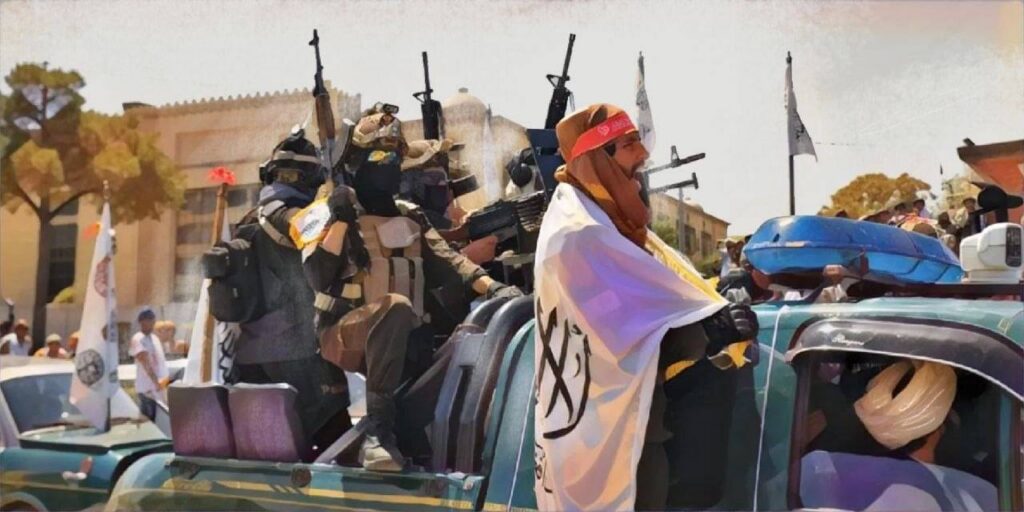
Central Asian countries are expanding their trade with Kabul despite concerns about armed groups operating from Afghanistan. Russia has renewed warnings about militants seeking to infiltrate the region and is advocating cooperation with the Taliban authorities to contain them. Uzbekistan and Turkmenistan are interested in trade, energy, and transport projects connecting the region with South Asia. Tajikistan has traditionally taken a more critical position toward the Taliban and places particular emphasis on securing its lengthy border with Afghanistan. Meanwhile, Russia and China are seeking guarantees from the Afghan authorities against the activities of armed organizations that threaten their security. Speaking on October 16 at a joint conference of the Collective Security Treaty Organization (CSTO), the Commonwealth of Independent States (CIS), and the Shanghai Cooperation Organization (SCO) in Moscow, Russian Foreign Minister Sergey Lavrov said extremist organizations maintained a significant presence in Afghan provinces bordering Tajikistan, Turkmenistan, and Uzbekistan. According to Lavrov, militants intend to use Afghan territory to expand their activities into Central Asia and Russia. Lavrov identified Islamic State Khorasan Province (ISKP), the Afghan affiliate of the Islamic State terrorist organization, also known as ISIS-K, as the main threat, citing Russian security agencies. The group opposes the Taliban, carries out attacks in Afghanistan, and has struck beyond its borders. The name Khorasan refers to a historical region encompassing parts of present-day Afghanistan, Iran, and Central Asia. ISIS-K’s reach extends beyond Afghanistan’s border regions through propaganda, recruitment, and cross-border networks. As The Times of Central Asia previously reported, people from Central Asia have been implicated in ISIS-K activities beyond the region itself, including within migrant communities. Lavrov claimed that militants in northern Afghanistan included ethnic Uyghurs, alongside fighters from Central Asia and the North Caucasus. His reference to Uyghurs echoes Beijing’s security concerns over Xinjiang, where China has used counterterrorism policies to justify sweeping repression. A 2022 UN assessment found that arbitrary detention and restrictions on the rights of Uyghurs and other predominantly Muslim groups could constitute crimes against humanity. The TASS report provided no evidence supporting his claims about the fighters’ origins. Lavrov also called for joint action against weapons and drug trafficking through Central Asia. The Taliban as a Security Partner Lavrov urged engagement with the Taliban authorities, who returned to power during the U.S. military withdrawal in August 2021. Russia formally recognized their government in July 2025. Moscow argues that the Taliban’s control of Afghan territory makes them responsible for security within the country, and is seeking international support for Kabul’s efforts to improve regional security. While relying on the Taliban to contain armed groups, Moscow is simultaneously questioning their ability to do so. ISIS-K has attacked Taliban officials, giving Kabul a direct reason to confront the organization. That conflict, however, offers no assurance that the Taliban will act against other armed groups operating in Afghanistan. China also favors working with Kabul on security, with concerns extending to the safety of Chinese nationals and regional trade routes. Two attacks launched from Afghan territory killed five Chinese nationals...

ISKP and Central Asia: How the Threat Extends Beyond Afghanistan’s Borders

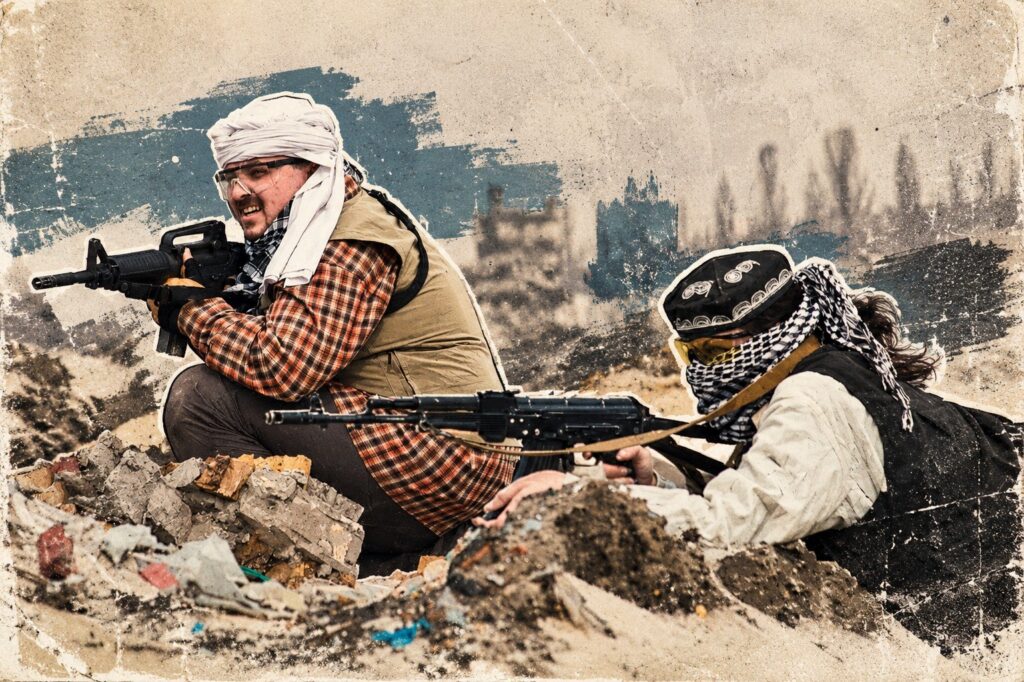
Islamic State Khorasan Province (ISKP) is developing transnational networks, complicating assessments of the threat to Central Asia. The group also retains territorial ambitions. One conventional way to assess the threat is to look at a map: the situation in Afghanistan’s northern provinces, their proximity to the borders of Tajikistan, Uzbekistan, and Turkmenistan, the number of militants, and the possibility of infiltration into neighboring states. An August report by the United Nations (UN) Security Council’s Analytical Support and Sanctions Monitoring Team, based on information received through June 9, said the ability of terrorist groups to operate in Afghanistan remained an enduring threat to neighboring countries and Central Asia. The report also said ISKP had reportedly moved toward northern Afghanistan. During the period under review, the group suffered serious setbacks amid Taliban and Pakistani operations and was in the process of rebuilding. But looking only at Afghanistan’s borders is no longer enough. The Central Asian dimension of ISKP encompasses the group’s activities in Afghanistan, risks to the five Central Asian states themselves, and the involvement of some individuals from the region in transnational networks operating outside it. Old Networks and New Structures ISKP’s Central Asian dimension did not emerge from nowhere. Even before the group appeared in the Afghanistan-Pakistan region, armed organizations formed by people from Central Asia were active there. Among them was the Islamic Movement of Uzbekistan (IMU). At different times, the IMU maintained ties with al-Qaeda and the Taliban. In 2014, the Islamic State declared a “caliphate.” A year later, a faction of the IMU pledged allegiance to the Islamic State. Lucas Webber, a researcher of extremist networks, and Bruce Pannier, a longtime analyst of Central Asian politics and security, have highlighted the role of an Uzbek-language propaganda infrastructure associated with the IMU in ISKP’s outreach to Central Asian audiences. Their analysis was published by the Global Network on Extremism and Technology (GNET). The region’s older militant organizations have not simply been absorbed into ISKP. A July 2025 UN report separately mentions IMU members and fighters from other groups being used by Afghanistan’s Taliban authorities in law-enforcement and army units. A single “Central Asian network,” however, would misrepresent this fragmented environment of different connections and organizational affiliations. The same report described the recruitment of people from Central Asia, their significant presence among ISKP’s rank and file, and the group’s attempts to operate outside Afghanistan. In a 2024 article for CTC Sentinel, researchers Noah Tucker and Edward Lemon examined the involvement of Tajik citizens in a number of ISKP-linked attacks and networks. They argued that the recent surge in attacks and arrests was partly the “long tail” of the earlier Islamic State mobilization, including networks that had persisted after it. A February 2026 report by the UN Security Council’s Analytical Support and Sanctions Monitoring Team said ISKP continued to develop a network of cells capable of projecting a threat across the region and internationally. Propaganda Does Not Equal Mass Support Central Asian audiences occupy a noticeable place in ISKP propaganda....