• KGS/USD = 0.01144 0%
  • KZT/USD = 0.00191 -0%
  • TJS/USD = 0.10838 0.37%
  • UZS/USD = 0.00008 0%
  • TMT/USD = 0.28571 0.28%
  • KGS/USD = 0.01144 0%
  • KZT/USD = 0.00191 -0%
  • TJS/USD = 0.10838 0.37%
  • UZS/USD = 0.00008 0%
  • TMT/USD = 0.28571 0.28%
  • KGS/USD = 0.01144 0%
  • KZT/USD = 0.00191 -0%
  • TJS/USD = 0.10838 0.37%
  • UZS/USD = 0.00008 0%
  • TMT/USD = 0.28571 0.28%
  • KGS/USD = 0.01144 0%
  • KZT/USD = 0.00191 -0%
  • TJS/USD = 0.10838 0.37%
  • UZS/USD = 0.00008 0%
  • TMT/USD = 0.28571 0.28%
  • KGS/USD = 0.01144 0%
  • KZT/USD = 0.00191 -0%
  • TJS/USD = 0.10838 0.37%
  • UZS/USD = 0.00008 0%
  • TMT/USD = 0.28571 0.28%
  • KGS/USD = 0.01144 0%
  • KZT/USD = 0.00191 -0%
  • TJS/USD = 0.10838 0.37%
  • UZS/USD = 0.00008 0%
  • TMT/USD = 0.28571 0.28%
  • KGS/USD = 0.01144 0%
  • KZT/USD = 0.00191 -0%
  • TJS/USD = 0.10838 0.37%
  • UZS/USD = 0.00008 0%
  • TMT/USD = 0.28571 0.28%
  • KGS/USD = 0.01144 0%
  • KZT/USD = 0.00191 -0%
  • TJS/USD = 0.10838 0.37%
  • UZS/USD = 0.00008 0%
  • TMT/USD = 0.28571 0.28%
11 November 2025

Viewing results 1 - 6 of 7

Tajikistan and the Taliban – Talking and Fighting

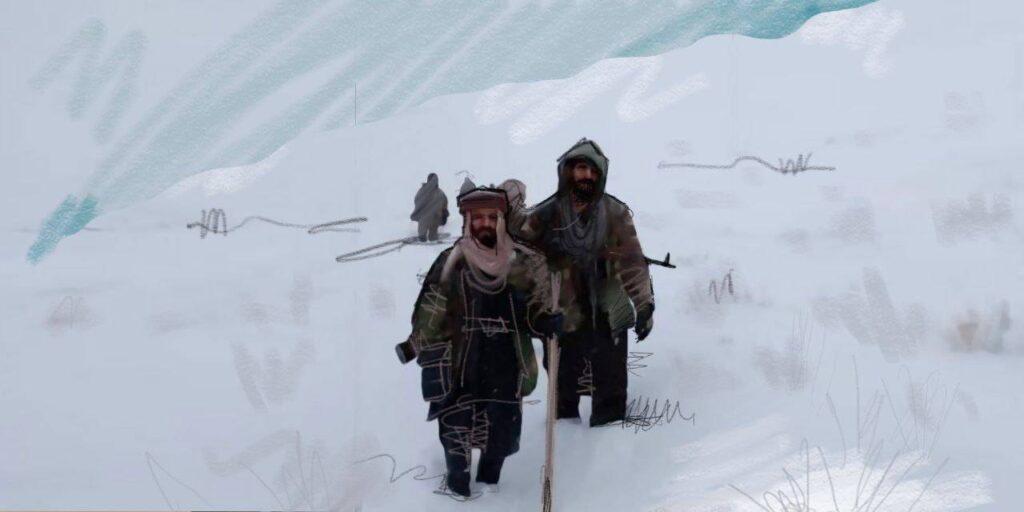
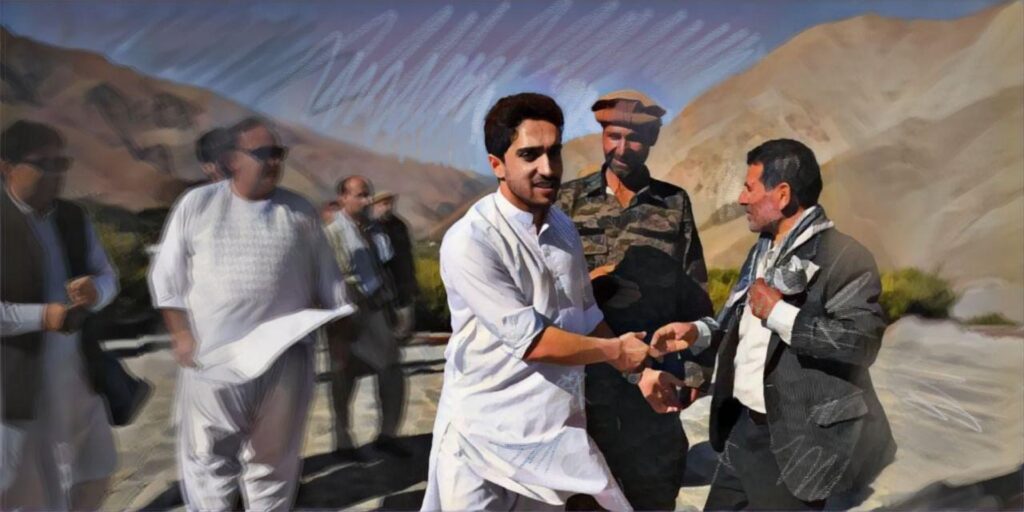
Peaceful coexistence is turning out to be complicated for Tajikistan and the Taliban government in Afghanistan. The Tajik government has viewed the Taliban as a threat since the militant group appeared in Afghanistan in the mid-1990s. But now that modest efforts are underway to establish some sort of amicable ties, there has been an uptick of violence directly involving the two sides along the Tajik-Afghan border. Let’s Keep This Between Us Tajikistan is the lone government in Central Asia that remained hostile to the Taliban after the latter returned to power in Afghanistan in August 2021. In the weeks that followed, the Taliban again exerted control over Afghanistan, and the Tajik government and the Taliban sent reinforcements to their common border. Russia and Pakistan had to intervene to ease tensions. The other Central Asian states, Kazakhstan, Kyrgyzstan, Turkmenistan, and Uzbekistan, have all established a business relationship with the Taliban government since the Taliban again seized control, but Tajikistan has remained aloof. Which is why the visit of Muhammad Yusuf Vafo, the governor of Afghanistan’s northern province of Balkh, to the Tajik capital Dushanbe on October 23 came as such a surprise. The Tajik government did not say anything about Vafo’s trip. The independent Tajik news agency Asia-Plus cited Afghan media as reporting on the visit, during which Vafo met with the head of Tajikistan’s National Security Committee (GKNB), Saimumin Yatimov. Vafo and Yatimov reportedly discussed ways to improve ties in a variety of spheres and pledged not to let any “hostile elements” use their territory to plot or carry out attacks on the country. An estimated several hundred Jamaat Ansarullah militants of Tajik origin continue to operate in Afghanistan. The group allied with the Taliban during the last years foreign forces were in Afghanistan, propping up the government of Ashraf Ghani, and stayed in Afghanistan after the Ghani government fell. Jamaat Ansarullah fighters were among the reinforcements the Taliban sent to the Tajik border during the weeks of tension in late 2021. There were reports soon after the Taliban returned to power that Tajikistan was aiding the National Resistance Front (NRF), a mainly ethnic Tajik group of former government soldiers who continue to wage a guerrilla campaign against the Taliban. NRF leader Ahmad Masoud, the son of the legendary Afghan field commander and ethnic Tajik, Ahmad Shah Masoud, has been in Dushanbe several times since August 2021, and there was a report that the NRF opened an office in Dushanbe in October that year. Shortly after Vafo’s visit to Dushanbe, Taliban sources in Balkh Province told the Pakistani-based Khorasan Diary website that Tajik authorities had banned the NRF, but the Tajik authorities stated that no such decision was made. Yatimov’s meeting with Vafo was not the first time the Tajik GKNB chief had met with Taliban representatives. In September 2024, Yatimov went to Kabul to hold security talks with Taliban officials, though the Tajik authorities never confirmed that meeting. Both parties are concerned about militants from the Islamic State of...
From Migrant to Militant: Uzbekistan Sentences Jihadist

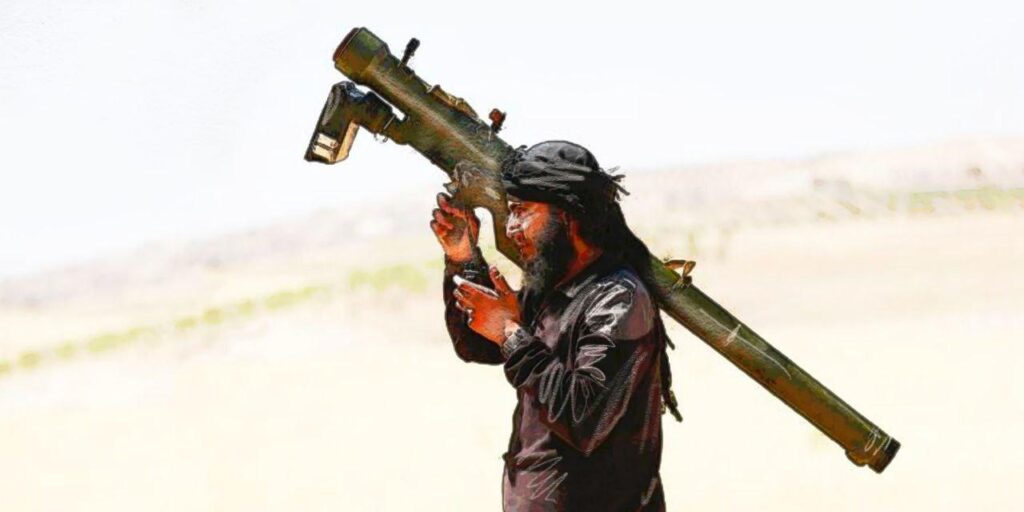
A district court in Uzbekistan just sentenced a 46-year-old Uzbek citizen, Obid Saparov from Kashkadarya Province, to 16 years in prison for joining the Islamic State of Khorasan Province (ISKP) militant group and being involved in a 2022 rocket attack on an Uzbek border city. Saparov’s involvement with Islamic militant groups predates the rocket attack by nearly a decade, and the evidence gathered by investigators offers a rare and fascinating look at this Uzbek citizen’s journey into jihadism. From Migrant Laborer to Islamic Militant The beginnings of Saparov’s radicalization are a common story for hundreds of Central Asian citizens who joined militant groups in the Middle East or Afghanistan. Saparov went to Ufa, Russia, as a migrant laborer in June 2013. He found audio and video material on the internet produced by extremist groups such as the Islamic Movement of Turkestan and the “Jihodchilar” (“Jihadists). Saparov came into contact with members of the Jihadists in Ufa and in August 2013 left Russia for Baku, and from there went to Zahedan, Iran, and in March 2014 crossed into Afghanistan and eventually reached the town of Mirali in Waziristan, Pakistan. There, according to Uzbek media reports, he joined the Islamic Movement of Turkestan. The name of this group is interesting because in a kun.uz report, it mentions that when Saparov was in Ufa, some of the extremist material he found online was based on the ideas of Tohir Yuldash. Yuldash helped found the Islamic Movement of Uzbekistan (IMU) terrorist organization and led the group until he was killed in a U.S. drone strike in Pakistan in August 2009. The IMU aimed to overthrow the Uzbek government and staged armed incursions into Uzbekistan in 1999 and 2000. The IMU were allies of the Taliban and were in Afghanistan when the U.S.-led military operations started in late 2001. The IMU suffered heavy losses, and the remnants of the group, including Yuldash, fled across the border into Pakistan. Ten Years of Militancy Saparov underwent training at camps in Pakistan after he arrived, and later worked in a militant “supply center.” According to the Uzbek media reports, the Islamic Movement of Turkestan splintered at the start of 2016, and Saparov joined a militant group from the Islamic State that was operating in Jalalabad, Afghanistan. The IMU was still based in Pakistan in August 2015 when its leader, Usman Ghazi, swore an oath to the Islamic State, and the IMU split. Part of the IMU followed Ghazi into Afghanistan (where most were killed in fighting in Zabul and Herat provinces), and most of the others went into northeastern Afghanistan. However, the ISKP did have a presence in Jalalabad that lasted until after the Taliban returned to power in August 2021. Uzbek investigators said Saparov joined the ISKP and was with the group from 2016 to 2024. Saparov was involved in staging attacks in Jalalabad, Kunduz, Mazar-i-Sharif, and Kabul. Saparov’s group fought against the Afghan government and foreign troops, and against the Taliban. Saparov was also engaged in...

Repatriating Islamic State Fighters and Families: Balancing Security and Humanity

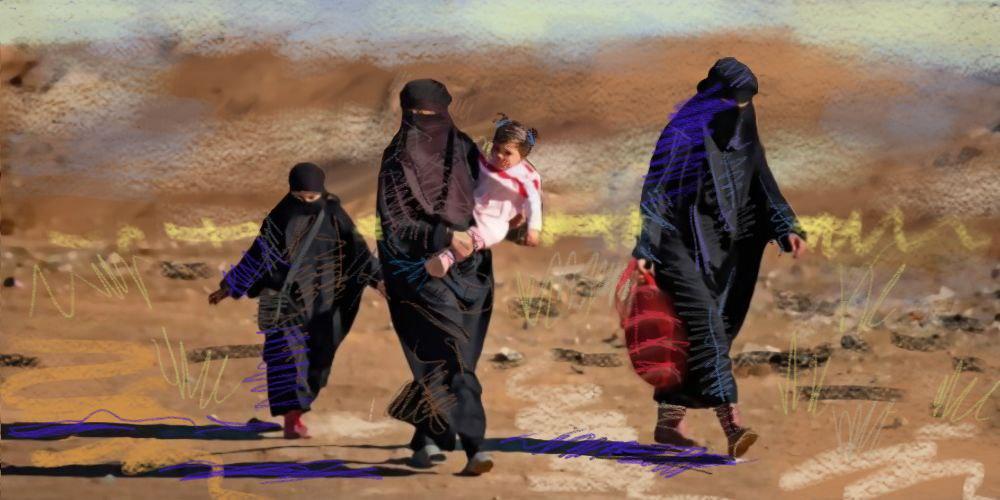
With the fall of the Assad regime in Syria, repatriating foreign fighters is a pressing issue at the intersection of global security, humanitarian principles, and national responsibility. Central Asian governments — namely, Kazakhstan, Uzbekistan, Kyrgyzstan, and Tajikistan — have emerged as proactive players in repatriating their citizens from camps in northeastern Syria. While these efforts are laudable, they come with challenges and unanswered questions. Tens of thousands of people, many of them women and children associated with former ISIS or the Islamic State of Iraq and Syria - a terrorist organization known for its extreme ideology and violent actions of its’ fighters — remain trapped in the camps of northeastern Syria. Their lives are defined by squalor and uncertainty, and they face a bleak future. Central Asian nations have stepped up where many others have faltered, asserting their responsibility to help their citizens who languish there. Yet, this commitment is not without its limits. Repatriating men — many of whom were fighters — remains a challenge that even the most ambitious programs have struggled to address. This issue looms large, as it intertwines with broader questions. These include reintegration, security risks, and the potential for radicalization, both in prison systems and broader society. The scale of efforts undertaken by four of the Central Asian countries is significant. Together, they have repatriated around 2,200 citizens: Kazakhstan, the most, 754 individuals, followed by others with numbers ranging from 381 to 533. These figures represent more than just logistical achievements. They reflect these governments' commitment to humanitarian principles. However, the path has not been entirely smooth, as some of the repatriated women and children have returned back to conflict zones. As counterintuitive as this may seem, they might do so out of ideological commitment, social ties, coercion or threats, trauma bonding, or difficulty reintegrating into their home societies. All this suggests cracks in reintegration programs that must be addressed. The strategies employed by the Central Asian states, despite their common goal, differ in focus and execution. Kazakhstan’s “Operation Zhusan” is often mentioned as a model of coordination and commitment. It has gone beyond mere repatriation to a vision embracing comprehensive reintegration, including other services, such as DNA testing to identify orphaned children. Yet such efforts rely heavily on state resources and long-term political will, neither of which can be taken for granted. Uzbekistan’s Mehr ("Kindness") initiative has particularly focused on protecting children and supporting the unification of families. Yet even with international appreciation, Uzbekistan faces the same challenges as its neighbors: how to sustain this momentum and address lingering societal stigmas toward returnees. Kyrgyzstan paused its repatriation operations in Iraq due to legal roadblocks and has turned its attention to Syria. However, Kyrgyzstan relies significantly on international cooperation, as its own economic resources for such activities are comparatively limited. So far, it has repatriated 511 citizens. Tajikistan’s steady progress highlights even more pointedly the role of international cooperation with organizations like UNICEF and the European Union. The Tajik authorities have worked closely with...

Uzbek Security Chief: SCO Must Help Afghanistan to Fight Islamic State Khorasan Province

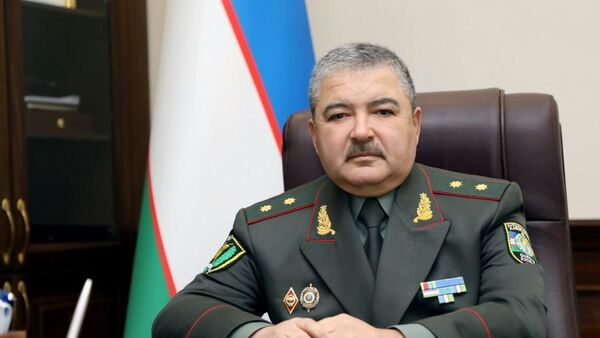
The Shanghai Cooperation Organization (SCO) is holding its 10th regional anti-terrorism conference in Tashkent. The conference is being held on September 4 and 5. At the conference's plenary session, Lieutenant General Abdusalam Azizov, the head of Uzbekistan's State Security Service, emphasized that the member countries of the SCO must work together to fight against international terrorism, extremism, and radicalism. “The Afghan government is fighting international terrorism based on its capabilities and resources, and the Afghan special service is leading the fight against the Islamic State and achieving results. We must fight together against the enemy,” Azizov said. Regarding the branch of Islamic State known as Islamic State Khorasan Province (ISKP), which has claimed responsibility for several fatal attacks in SCO member countries, including the attack on the Crocus City concert hall outside Moscow earlier this year, Azizov said: “It is important to help Afghanistan in the fight against ISKP, because the weakening of countermeasures will lead to the strengthening of this group, which, in turn, poses a threat to the security of the region.” ISKP was formed in 2014 as a collective of defectors from groups including al-Qaeda, Tehrik-e-Taliban (TTP), and former Taliban fighters from Afghanistan and Pakistan. It is estimated that ISKP has between 4,000 and 6,000 members. Since the Taliban killed its leader Sanaullah Ghafari in 2023, it is unclear who runs the group.

Islamic State Khorasan Province as Part of the Struggle for Central Asia

Following the high-profile terrorist attack at Moscow’s Crocus City Hall in March and reports that eight Tajik immigrants were arrested in the U.S., the media spotlight has once again fallen on Islamic State Khorasan Province (ISKP), also known as "Wilayat Khorasan", and the "Khorasan Project.” Many observers link ISKP to the countries of Central Asia, even though the terrorist organization, as it has been designated for a long time, has purely Afghanistani roots. In addition, there is a lot of talk about its geopolitical ambitions for “recreating” the state of “Khorasan.” Where this region’s boundaries lie is the subject of debate. The most expansive definitions include northeastern Iran, western and northern Afghanistan, eastern Turkmenistan, and parts of Tajikistan and Uzbekistan. It is important to understand, however, that clear boundaries have never existed, and neither has a state with that name. In modern times, the term “Khorasan” has only historical and cultural connotations, with no political meaning attached to it. ISKP has suffered a clear military defeat in the borderlands of Afghanistan and Pakistan, and faces significant opposition there. Still, weakening and even destroying the Taliban remains an important goal for the organization. It continues to fight in several regions of Afghamistan, which has prompted the Taliban to intensify their counter-terrorism efforts. [caption id="attachment_19644" align="alignnone" width="1920"] Sanaullah Ghafari, Emir of ISIS-K has a U$10 million bounty on his head; image: rewardsforjustice.net[/caption] The countries of Central Asia, having emerged out of the Soviet Union, are attractive for ISKP ideologists in the sense that they share a common historical and cultural past, while there are even linguistic similarities with Afghanistan (between the Persian languages). The Russian internet portal and analytical agency, TAdviser, points out that ISKP, through its online propaganda publication, announced the start of a new campaign against the countries of the post-Soviet space in April 2022. In June of that year, the ISKP publication, written in the Uzbek language, declared that the countries of Central and South Asia would be united under the flag of the “Islamic Caliphate.” TAdviser highlights that Turkmenistan has a special place in ISKP propaganda because according to the group a large part of what is now Turkmenistan was previously part of “Greater Khorasan,” while the foreign policy of the Turkmen authorities of actively cooperating with the Taliban is wholly at odds with the core goals of ISKP. The Lapis Lazuli corridor linking Afghanistan to Turkey, along with the Turkmenistan-Afghanistan-Pakistan-India gas pipeline (TAPI) which is being developed, are identified as priority targets for ISKP. But what in fact is ISKP? As previously noted by The Times of Central Asia, the answer to this question is known by only a very narrow circle. Indeed, no one can provide objective data on the qualitative and quantitative composition of ISKP. Nevertheless, the group is taking on real dimensions in the media. The threat to Central Asia from ISKP looks more virtual than real at this point. Any small group of terrorists can declare themselves part of ISKP, and, without any...