• KGS/USD = 0.01144 0%
  • KZT/USD = 0.00208 0%
  • TJS/USD = 0.10407 -0.29%
  • UZS/USD = 0.00008 0%
  • TMT/USD = 0.28571 0%
  • KGS/USD = 0.01144 0%
  • KZT/USD = 0.00208 0%
  • TJS/USD = 0.10407 -0.29%
  • UZS/USD = 0.00008 0%
  • TMT/USD = 0.28571 0%
  • KGS/USD = 0.01144 0%
  • KZT/USD = 0.00208 0%
  • TJS/USD = 0.10407 -0.29%
  • UZS/USD = 0.00008 0%
  • TMT/USD = 0.28571 0%
  • KGS/USD = 0.01144 0%
  • KZT/USD = 0.00208 0%
  • TJS/USD = 0.10407 -0.29%
  • UZS/USD = 0.00008 0%
  • TMT/USD = 0.28571 0%
  • KGS/USD = 0.01144 0%
  • KZT/USD = 0.00208 0%
  • TJS/USD = 0.10407 -0.29%
  • UZS/USD = 0.00008 0%
  • TMT/USD = 0.28571 0%
  • KGS/USD = 0.01144 0%
  • KZT/USD = 0.00208 0%
  • TJS/USD = 0.10407 -0.29%
  • UZS/USD = 0.00008 0%
  • TMT/USD = 0.28571 0%
  • KGS/USD = 0.01144 0%
  • KZT/USD = 0.00208 0%
  • TJS/USD = 0.10407 -0.29%
  • UZS/USD = 0.00008 0%
  • TMT/USD = 0.28571 0%
  • KGS/USD = 0.01144 0%
  • KZT/USD = 0.00208 0%
  • TJS/USD = 0.10407 -0.29%
  • UZS/USD = 0.00008 0%
  • TMT/USD = 0.28571 0%

Viewing results 1 - 6 of 2

Manas Rising: Jalal-Abad Renaming Crowns Central Position in Kyrgyz Development Plans

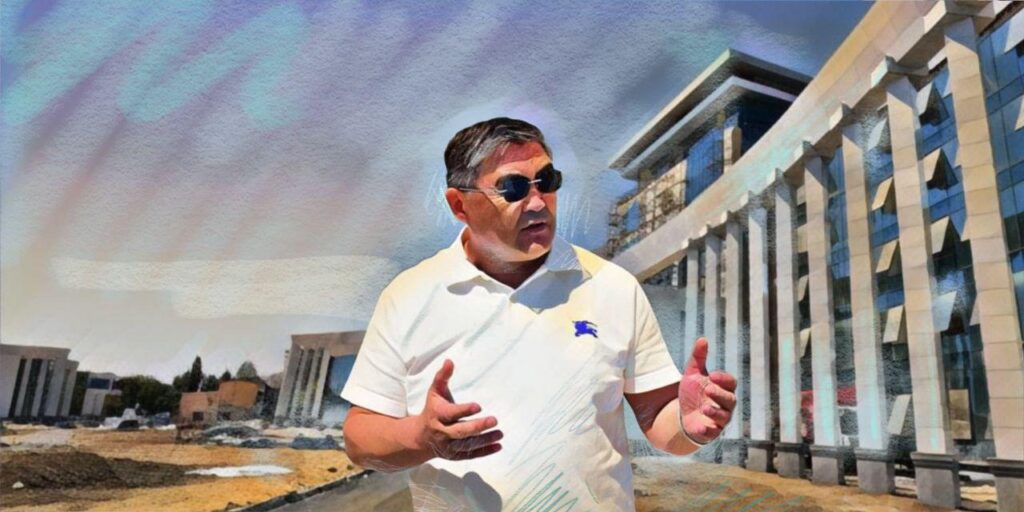
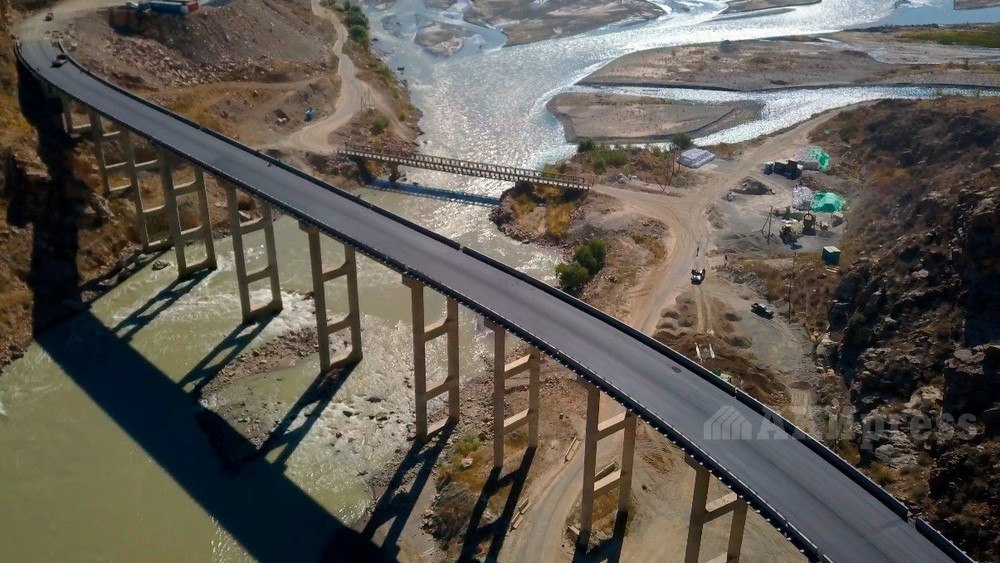
On September 18, the President of Kyrgyzstan, Sadyr Japarov, signed into law the renaming of the country’s third-largest city, Jalal-Abad. From September 28, it will be known as Manas. This decision marks an escalation in the attention lavished on the city over the past half-decade, with a surge of infrastructure and construction projects. Indeed, rumors abound that the renaming may be just the beginning, perhaps laying the groundwork to shift the capital south. Rapid Development Jalal-Abad lies nestled in the Fergana Valley in Kyrgyzstan’s south, not far from the Uzbek border. Locals describe it as a politically active city and region, one that has nurtured many ambitious southern politicians. These include former President Kurmanbek Bakiev, perennial oppositionist Omurbek Tekebayev, now ambassador to Germany, and Kamchybek Tashiyev, the powerful head of the security services, widely known by their Russian acronym, the GKNB. It is the influence of Tashiyev that has led many to suspect Jalal-Abad has been the focus of special attention. Tashiyev hails from the village of Barpy, nearby in the Jalal-Abad region. In much the same way that Tajikistan’s president Emomali Rahmon has beautified his home village of Danghara, making it a provincial capital, and Uzbekistan’s Shavkat Mirziyoyev has steered investment such as the new BYD factory to his home region of Jizzakh, so too do Kyrgyz leaders seek to channel resources to their native provinces. “One thing you notice immediately is the amount of construction here,” a local resident, Saeed, told The Times of Central Asia. “You can see as you travel around the city, so much land is being prepared for new buildings.” In 2023, the city was singled out by President Sadyr Japarov as Kyrgyzstan’s future “second economic hub”. Two billion som ($22.9 million) were allocated to improve its infrastructure. One of the first steps was demolishing a large prison in the city center to make way for redevelopment. Other projects underway include a new regional airport, being built by China State Construction Engineering Corporation, around 20 kilometers from the city center. There has been an emphasis on public services, including a recently opened children’s hospital and a planned seven-storey, 280-bed medical facility. But Saeed is more excited about cultural projects. “We’ve also got a new Barcelona football academy here,” he said. “Even Bishkek doesn't have a Barcelona academy!” The city is also set to be one of the main hubs of the China-Kyrgyzstan-Uzbekistan railway, which will bring goods directly from China’s Xinjiang Province without passing through Kazakhstan. Another local commentator, who spoke on condition of anonymity, said that the Chinese presence in the city has also grown markedly in recent years. “It’s not only construction workers. Before, we didn't have so many Chinese restaurants. Now, Jalal-Abad has genuinely popular Chinese restaurants. In the past, the Kyrgyz generally despised Chinese cuisine; it was too foreign. But nowadays, you see government workers and other businessmen visiting these restaurants alongside the Chinese and trying their food.” The grandest project of all has been the new city administration building....

From Jalal-Abad to Manas: Kyrgyzstan Writes Its Epic in Stone

On September 18, Kyrgyz President Sadyr Japarov signed a law renaming the city of Jalal-Abad to Manas. Parliament had previously approved the bill unanimously on 10 September 2025, with lawmakers declaring that the change aims to strengthen national ideology and perpetuate the legacy of the Kyrgyz people’s national hero, Manas. The law will come into force ten days after its official publication. History of Jalal-Abad The city long known as Jalal-Abad sits in southern Kyrgyzstan, about 520 kilometers from Bishkek, near the Uzbek border. It traces its origins to a 19th-century caravanserai and spa. Jalal-Abad was first recognized as a town in 1877 under the Russian Empire, and its status was reaffirmed in 1927 during the Soviet period. Today, it is a regional hub of light industry, agriculture, and services, with a population of more than 180,000. The city is famed for its mineral springs and the nearby walnut forests of the Ferghana foothills, which have been used for centuries as sources of food and medicine. Jalal-Abad has also been a focal point of Kyrgyz political life, serving as a southern stronghold during waves of protest that reshaped national politics. Why “Manas”? The Manas epic occupies a foundational place in Kyrgyz cultural identity. Recited by generations of manaschi (epic singers), it recounts the deeds of Manas, a legendary tribal leader who united the Kyrgyz and defended them from foreign enemies. The trilogy (Manas, Semetey, Seytek) runs to hundreds of thousands of lines, making it the longest epic poem in the world. UNESCO describes the work as “an oral encyclopedia of the Kyrgyz people,” a living tradition that preserves values of unity, honor, hospitality, and courage. Performances of the epic remain central to weddings, funerals, and public celebrations. By renaming Jalal-Abad to Manas, lawmakers are seeking to embed these ideals in the civic identity of one of Kyrgyzstan’s largest cities. Political Debate and Local Reactions The renaming bill was introduced by Kudaibergen Bazarbaev, head of the State Agency for Civil Service and Local Government Affairs, and supported by both the Jalal-Abad City Council and the president’s regional representative. The cost of the change is estimated at about 15 million Kyrgyz som (roughly $150,000), to be paid from the local budget. The debate in parliament highlighted the symbolic weight of the change. MP Mirlan Samyikozho told colleagues: “There should be no news on the Internet about Manas prostitutes, Manas corrupt officials, Manas rapists in the future.” Others suggested shifting the image of Manas away from the traditional horse-mounted warrior to that of a just ruler on a throne. Supporters say the change reflects the wishes of residents and strengthens national pride. Critics argue it diverts attention from pressing issues such as infrastructure and employment. On social media, reactions have been mixed. An Instagram post documenting the decision drew both celebratory comments about cultural pride and skeptical remarks about municipal spending priorities. The Epic as National Symbol For many Kyrgyz, the name Manas is synonymous with the nation itself. The epic is woven...