• KZT/USD = 0.00220
  • TJS/USD = 0.10850
  • UZS/USD = 0.00008
  • TMT/USD = 0.29850
  • KZT/USD = 0.00220
  • TJS/USD = 0.10850
  • UZS/USD = 0.00008
  • TMT/USD = 0.29850
  • KZT/USD = 0.00220
  • TJS/USD = 0.10850
  • UZS/USD = 0.00008
  • TMT/USD = 0.29850
  • KZT/USD = 0.00220
  • TJS/USD = 0.10850
  • UZS/USD = 0.00008
  • TMT/USD = 0.29850
  • KZT/USD = 0.00220
  • TJS/USD = 0.10850
  • UZS/USD = 0.00008
  • TMT/USD = 0.29850
  • KZT/USD = 0.00220
  • TJS/USD = 0.10850
  • UZS/USD = 0.00008
  • TMT/USD = 0.29850
  • KZT/USD = 0.00220
  • TJS/USD = 0.10850
  • UZS/USD = 0.00008
  • TMT/USD = 0.29850
  • KZT/USD = 0.00220
  • TJS/USD = 0.10850
  • UZS/USD = 0.00008
  • TMT/USD = 0.29850
30 October 2026

Viewing results 1 - 6 of 2

Water Projects in Tajikistan: Japan Learns from a Troubled Grant

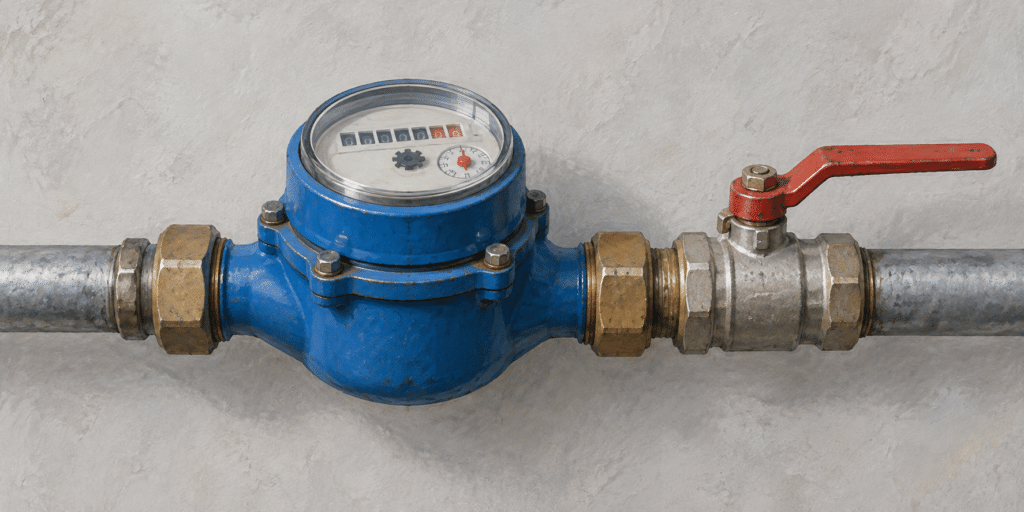
Residents of Moskva in Tajikistan’s Khatlon region reported receiving water for an average of just 10.9 hours a day in a 2017 survey, nearly four years after a Japanese-funded supply system was completed in June 2013. An external evaluation commissioned by the Japan International Cooperation Agency (JICA) gave the project a D rating, the lowest possible. Japan is now financing a new water supply system in Abdurahmoni Jomi district, also in the Khatlon region. The two projects illustrate how its approach to water supply assistance has developed, particularly in metering, utility management, and infrastructure maintenance. A Project That Met Its Targets on Paper Hamadoni district, which includes Moskva and lies near the Afghan border, had a population of approximately 119,000 when the original grant was planned. Some 59% of residents lacked access to a working water supply system, and only 16 of the district’s 47 village wells were operational. More than 70% of residents in village areas relied on canals and rivers for water. The grant financed three deep wells, elevated reservoirs, and a 32.9-kilometer pipeline network in Moskva, as well as a water supply system for two villages and drilling equipment. The project cost 19% more than planned and took 67 months instead of the expected 31. In 2016, the local utility reported that the system supplied water to all 22,505 residents of Moskva and 7,103 residents in the two villages, where it was distributed through communal taps. Leaks, Meters, and a Flat Fee The grant covered pipeline replacement in only part of Moskva. According to the local utility, approximately 70% of the pipes outside the project area needed replacement. Leaks occurred frequently but were not systematically recorded. The utility estimated losses at 35% to 50%, but without household meters it could not accurately distinguish consumption from leakage. Households paid a flat monthly fee of 13.4 somoni (about $1.50 at the time) for unlimited water use. Some residents left their taps running to irrigate gardens, particularly during the summer, reducing water pressure elsewhere in the network. The arrangement provided little financial incentive to reduce consumption. JICA Disagrees with Its Evaluator JICA’s Financial Cooperation Implementation Department issued a separate opinion challenging the D rating, arguing that the evaluation did not adequately reflect the project’s achievements. The department pointed out that the system delivered 7,580 cubic meters of water per day, compared with an originally projected daily average of 5,292 cubic meters. It also cited the expansion in coverage and improvements in water quality. The external evaluator, however, noted that the system had been designed to permit a 24-hour water supply, but service had been limited to a 13-hour daily schedule because of leaks and excessive consumption. The amount pumped into the network did not necessarily reflect how much water reached households. Metering Brings Improvements, 2017–2021 The evaluation recommended replacing deteriorated pipes, installing meters, improving maintenance, and explaining the new arrangements to residents. Japan had already begun a technical cooperation project in April 2017, while the evaluation was underway. It concluded...

JICA’s Sota Tosaka on Afghanistan’s Economic Ties With Uzbekistan

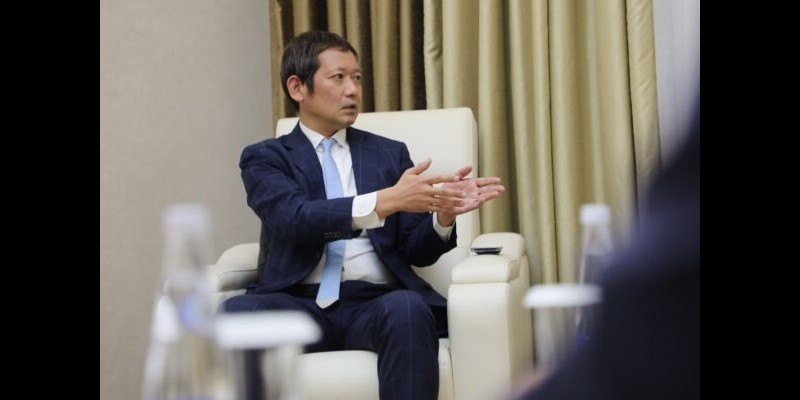
Uzbekistan is deepening trade and transport ties with Afghanistan despite continuing political and humanitarian concerns, drawing its southern neighbor closer to Central Asian markets. In an interview with The Times of Central Asia, Sota Tosaka, chief representative of the Japan International Cooperation Agency (JICA) for Afghanistan, described that engagement as part of a practical regional approach. Uzbekistan and other Central Asian countries, he said, are seeking areas where economic cooperation can continue. Tosaka, who previously worked at JICA headquarters overseeing Central Asia and the Caucasus, has also visited Uzbekistan several times, including Termez. He said his current position gives him a different perspective on the relationship between Afghanistan and its northern neighbors. “I previously visited Termez in 2019 when I was overseeing the Central Asia and Caucasus region at JICA headquarters,” Tosaka told The Times of Central Asia. “At that time, the free trade zone aimed at facilitating business with Afghanistan did not exist yet. Returning to Termez recently, I was genuinely surprised to see how much progress has been made and how actively various cross-border initiatives are now being explored and implemented through Termez to connect Uzbekistan and Afghanistan.” Since taking charge of JICA’s Afghanistan operations, his work has focused on supporting Afghan people through international organizations. Tosaka noted that JICA’s primary focus remains on addressing the immediate needs of the Afghan population. To ensure that assistance directly reaches local communities and vulnerable groups, the agency coordinates its support through United Nations agencies and international partners. “Our priority is to deliver tangible support directly to the people of Afghanistan,” he said. “Working alongside UN partners allows us to effectively implement humanitarian activities that address daily challenges on the ground.” “Although the geopolitical environment surrounding Afghanistan has shifted significantly, Central Asian nations are actively pursuing opportunities to expand economic ties from their respective strategic viewpoints,” Tosaka continued. “Recognizing the importance of regional stability, countries like Uzbekistan are taking pragmatic steps to foster trade and commercial cooperation that serve mutual interests.” In particular, Uzbekistan’s proactive approach to encouraging business initiatives reflects a broader regional trend aimed at maintaining essential economic linkages. For Uzbekistan, the economic relationship has already become significant. Deputy Prime Minister Jamshid Khodjaev said in February that bilateral trade between Uzbekistan and Afghanistan has increased 2.5 times over the past five years, from $653 million in 2021 to $1.7 billion in 2025. The two countries have set a goal of raising annual trade to $5 billion. Tosaka noted that this economic orientation may become increasingly crucial given the diplomatic and logistical constraints Afghanistan faces on its eastern and western borders. “Complex relations with Pakistan and the geopolitical situation involving Iran present significant challenges for Afghanistan,” he explained. “Consequently, deepening economic ties with its northern neighbors becomes a vital strategic alternative. In this context, Central Asian nations serve as indispensable partners, creating mutually beneficial opportunities for sustainable regional development.” In parallel with these macro-economic trends, JICA is dedicated to strengthening grassroots economic resilience by empowering Afghan entrepreneurs, particularly women, in...