Residents of Moskva in Tajikistan’s Khatlon region reported receiving water for an average of just 10.9 hours a day in a 2017 survey, nearly four years after a Japanese-funded supply system was completed in June 2013. An external evaluation commissioned by the Japan International Cooperation Agency (JICA) gave the project a D rating, the lowest possible.
Japan is now financing a new water supply system in Abdurahmoni Jomi district, also in the Khatlon region. The two projects illustrate how its approach to water supply assistance has developed, particularly in metering, utility management, and infrastructure maintenance.
A Project That Met Its Targets on Paper
Hamadoni district, which includes Moskva and lies near the Afghan border, had a population of approximately 119,000 when the original grant was planned. Some 59% of residents lacked access to a working water supply system, and only 16 of the district’s 47 village wells were operational. More than 70% of residents in village areas relied on canals and rivers for water.
The grant financed three deep wells, elevated reservoirs, and a 32.9-kilometer pipeline network in Moskva, as well as a water supply system for two villages and drilling equipment. The project cost 19% more than planned and took 67 months instead of the expected 31.
In 2016, the local utility reported that the system supplied water to all 22,505 residents of Moskva and 7,103 residents in the two villages, where it was distributed through communal taps.
Leaks, Meters, and a Flat Fee
The grant covered pipeline replacement in only part of Moskva. According to the local utility, approximately 70% of the pipes outside the project area needed replacement.
Leaks occurred frequently but were not systematically recorded. The utility estimated losses at 35% to 50%, but without household meters it could not accurately distinguish consumption from leakage.
Households paid a flat monthly fee of 13.4 somoni (about $1.50 at the time) for unlimited water use. Some residents left their taps running to irrigate gardens, particularly during the summer, reducing water pressure elsewhere in the network. The arrangement provided little financial incentive to reduce consumption.
JICA Disagrees with Its Evaluator
JICA’s Financial Cooperation Implementation Department issued a separate opinion challenging the D rating, arguing that the evaluation did not adequately reflect the project’s achievements.
The department pointed out that the system delivered 7,580 cubic meters of water per day, compared with an originally projected daily average of 5,292 cubic meters. It also cited the expansion in coverage and improvements in water quality.
The external evaluator, however, noted that the system had been designed to permit a 24-hour water supply, but service had been limited to a 13-hour daily schedule because of leaks and excessive consumption. The amount pumped into the network did not necessarily reflect how much water reached households.
Metering Brings Improvements, 2017–2021
The evaluation recommended replacing deteriorated pipes, installing meters, improving maintenance, and explaining the new arrangements to residents. Japan had already begun a technical cooperation project in April 2017, while the evaluation was underway. It concluded in June 2021.
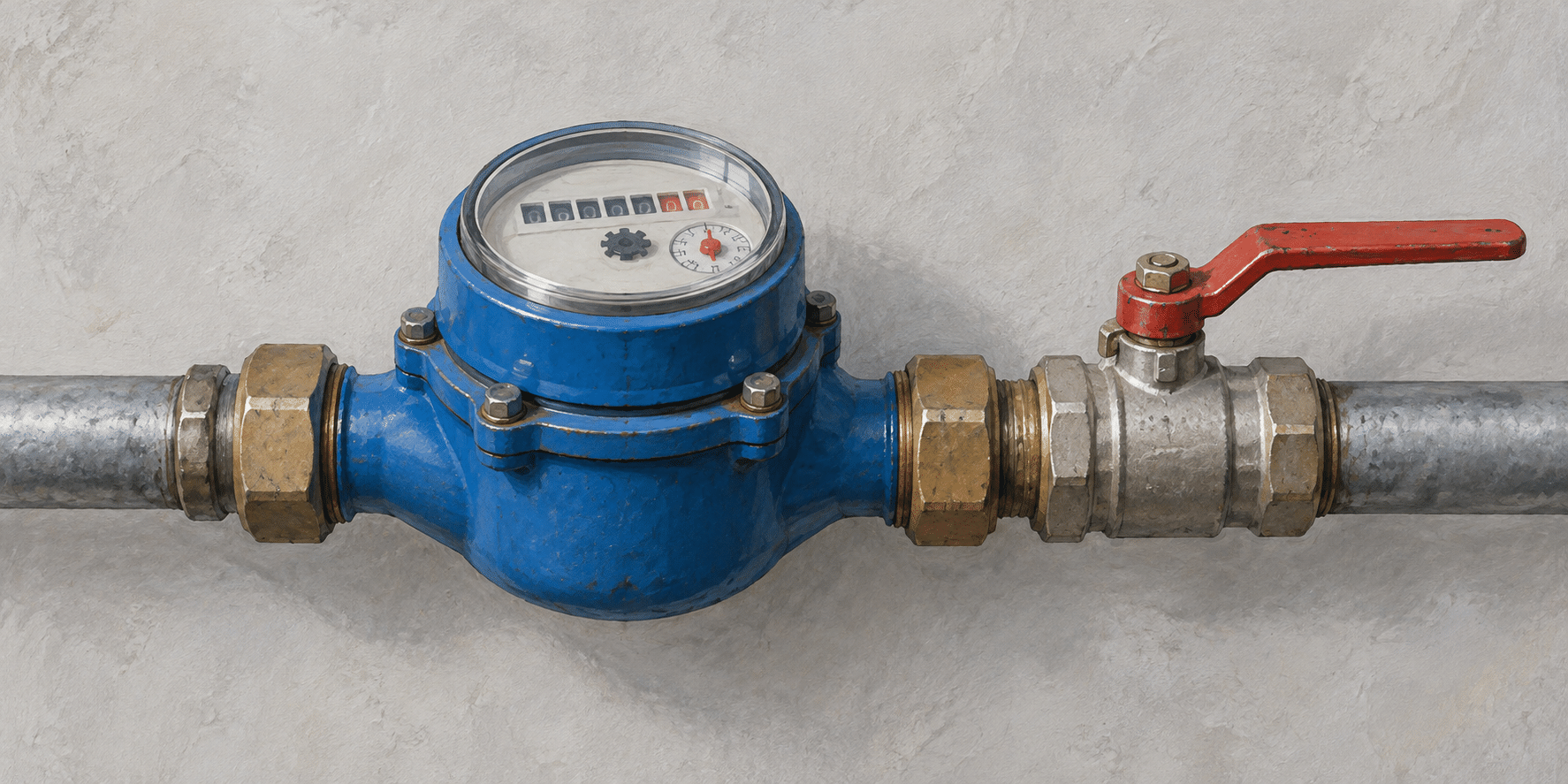
In Hamadoni, billing based on meter readings began in January 2019. According to a 2023 academic study co-authored by researchers from JICA and Tajikistan’s state-run municipal utilities company, Khojagii Manziliyu Kommunali (KMK), the share of customers billed by meter increased from 1% to 68% during the project.
The annual volume of water supplied to Moskva fell by 34%, from approximately 2.95 million cubic meters in 2017 to 1.95 million in 2020. Water output was initially estimated from pumping hours and well flow rates. From December 2018, readings from two meters recorded the volume distributed to the town.
Between 2017 and 2021, revenue from water charges increased by 24%. The researchers also reported improved water pressure and more reliable supplies in Moskva.
Jomi: Applying the Lessons
On August 8, 2024, JICA signed a grant agreement for the improvement of the water supply system in Jomi district. The maximum grant amount was 2.095 billion yen (approximately $13 million), intended to finance new wells and pipelines, an elevated storage tank, meters, and related equipment.
The project is being implemented alongside a four-year technical cooperation program to expand metered billing in the Jomi, Hamadoni, Panj, and Vakhsh districts and develop a model for use nationwide.
By September 2026, five wells had been drilled, each 111 meters deep, and pumps were being installed, the director of the Jomi district utility told Asia-Plus. The project is expected to benefit more than 50,000 residents, many of whom previously received water for only a few hours a day.
In May 2026, Tajikistan introduced a unified digital platform for small water utilities to manage customer records and billing. Coordinated by KMK, the system initially covered five utilities and more than 30,000 subscribers, with plans to extend it nationwide.
Japan’s Wider Water Cooperation
A joint statement issued by Japan and Tajikistan at the first Central Asia plus Japan Dialogue summit on December 20, 2025, listed the Jomi water supply grant and the water meter installation project under “Green Economy and Resilience,” one of the main areas of bilateral cooperation.
The statement also welcomed Tajikistan’s plans to hold a water conference in Dushanbe in May 2026 as a preparatory event for the 2028 United Nations Water Conference. During the May gathering, Tajik officials discussed a possible water-flow forecasting system for the Vakhsh River with representatives of Japan’s Kansai Electric Power Group.
The new system in Jomi will test whether Japan’s combination of infrastructure investment, metered billing, and technical support can deliver more reliable water supplies that local utilities can afford to maintain.