• KGS/USD = 0.01144 0%
  • KZT/USD = 0.00203 0%
  • TJS/USD = 0.10660 0%
  • UZS/USD = 0.00008 0%
  • TMT/USD = 0.28490 0%
  • KGS/USD = 0.01144 0%
  • KZT/USD = 0.00203 0%
  • TJS/USD = 0.10660 0%
  • UZS/USD = 0.00008 0%
  • TMT/USD = 0.28490 0%
  • KGS/USD = 0.01144 0%
  • KZT/USD = 0.00203 0%
  • TJS/USD = 0.10660 0%
  • UZS/USD = 0.00008 0%
  • TMT/USD = 0.28490 0%
  • KGS/USD = 0.01144 0%
  • KZT/USD = 0.00203 0%
  • TJS/USD = 0.10660 0%
  • UZS/USD = 0.00008 0%
  • TMT/USD = 0.28490 0%
  • KGS/USD = 0.01144 0%
  • KZT/USD = 0.00203 0%
  • TJS/USD = 0.10660 0%
  • UZS/USD = 0.00008 0%
  • TMT/USD = 0.28490 0%
  • KGS/USD = 0.01144 0%
  • KZT/USD = 0.00203 0%
  • TJS/USD = 0.10660 0%
  • UZS/USD = 0.00008 0%
  • TMT/USD = 0.28490 0%
  • KGS/USD = 0.01144 0%
  • KZT/USD = 0.00203 0%
  • TJS/USD = 0.10660 0%
  • UZS/USD = 0.00008 0%
  • TMT/USD = 0.28490 0%
  • KGS/USD = 0.01144 0%
  • KZT/USD = 0.00203 0%
  • TJS/USD = 0.10660 0%
  • UZS/USD = 0.00008 0%
  • TMT/USD = 0.28490 0%
11 February 2026

Viewing results 1 - 6 of 3

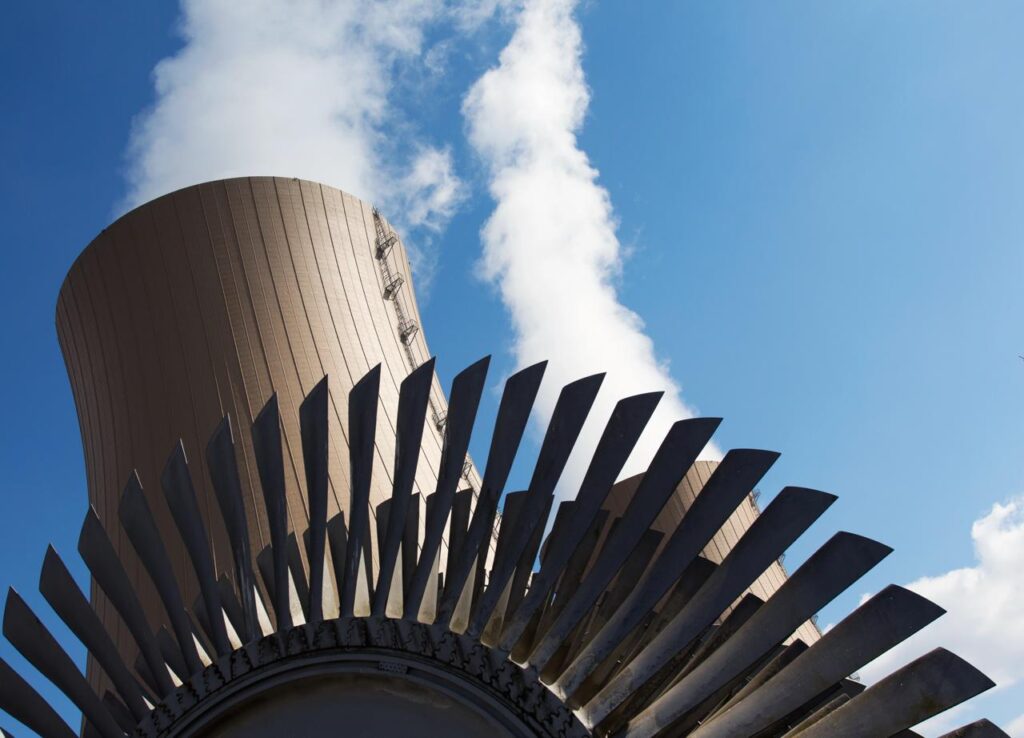
Uzbekistan Plans Full Launch of Large Nuclear Power Plant by 2035

Uzbekistan plans to fully launch a high-capacity nuclear power plant by 2035, according to Azim Akhmedkhadjaev, director of the “Uzatom” agency. Speaking on September 25 at World Atomic Week in Moscow, Akhmedkhadjaev said the first small modular reactor is expected to begin operations in 2029 in the Jizzakh region, followed by a second unit six months later. The large-scale plant will see its first reactor come online in 2033, with full capacity expected by 2035. He noted, however, that final timelines depend on the conclusion of outstanding contract agreements. Akhmedkhadjaev confirmed that production of reactor equipment is already underway and that the project is proceeding on schedule. Responding to a question from a Spot correspondent, he reiterated the target dates for the larger reactors and emphasized that the timeline will be refined once contracts are finalized. The announcement aligns with Uzbekistan’s broader nuclear energy strategy. As previously reported by The Times of Central Asia, the country plans to build both small modular and larger reactors at a single integrated nuclear facility. Under a revised agreement with Russia, Uzbekistan intends to construct two large VVER-1000 reactors alongside two smaller RITM-200N units. The initial framework for the project was established in 2018 and updated in 2024. Earlier this year, The Times of Central Asia reported that Rosatom had begun manufacturing reactor components for the smaller units, with the first steel castings for the RITM-200N already produced in Saint Petersburg. Uzbekistan’s pivot to nuclear energy is part of its strategy to meet rapidly increasing electricity demand, which is projected to reach 135 billion kWh by 2035, nearly double current consumption levels. To address this, the government is expanding generation capacity and modernizing the national grid. While the plans are ambitious, challenges remain. As Akhmedkhadjaev acknowledged, the full implementation timeline depends heavily on contract finalization. Nevertheless, Uzbekistan’s dual-track approach, combining scalable small reactors with large base-load units, suggests a strategic commitment to energy security and diversification.

Russia Launches Production of Reactor Equipment for Uzbek Nuclear Project

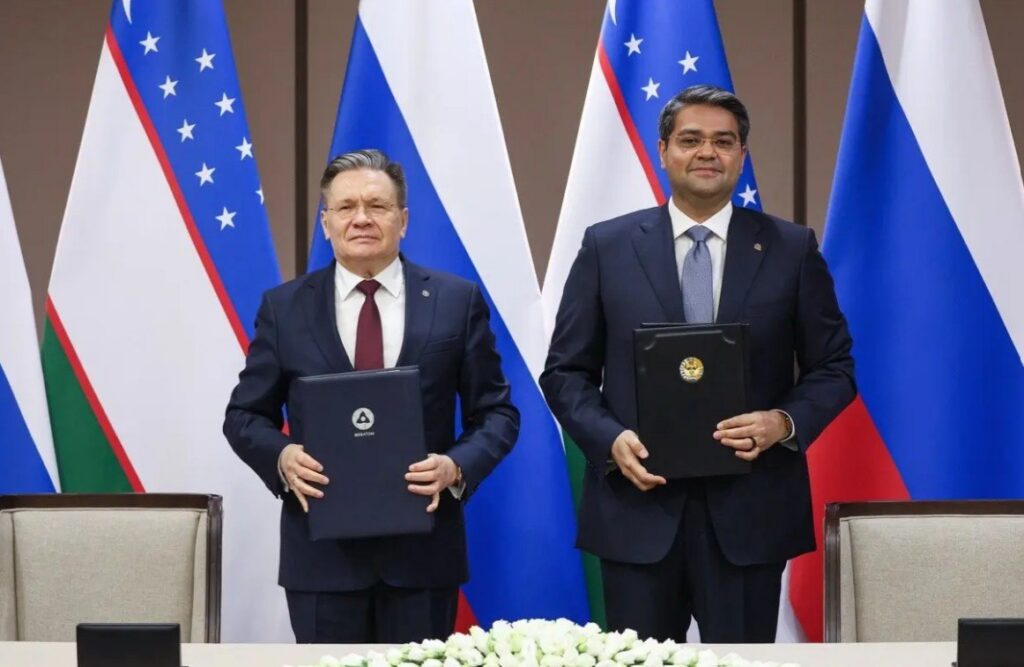
Russia’s state nuclear corporation Rosatom has begun manufacturing reactor equipment for Uzbekistan’s first small nuclear power plant, marking a significant step in bilateral energy cooperation. The announcement was made during Energy Week in Tashkent, which runs from May 13 to 15, according to TASS. Rosatom’s facility in Saint Petersburg has completed the first steel casting for the RITM-200N reactor unit, weighing 205 tons. The company noted that this casting marks the initial phase of reactor assembly. Project Overview The nuclear power plant will be built in Uzbekistan’s Jizzakh region under a contract signed on May 27, 2024. It will comprise six small modular reactors (SMRs), each with a capacity of 55 megawatts, for a combined output of 330 megawatts. Atomstroyexport, a Rosatom subsidiary, is the main contractor, with participation from several Uzbek construction firms. The RITM-200N reactor is derived from Russia’s naval reactor technology and has been adapted for stationary, land-based use. Rosatom describes it as compact and efficient, with a design that enables accelerated construction timelines, qualities seen as key to addressing modern energy challenges. Strategic Importance Rosatom CEO Alexey Likhachev confirmed that all legal and contractual matters between Russia and Uzbekistan have been finalized. He added that construction could begin within a year, or potentially even sooner. Azim Akhmadkhodjaev, head of Uzbekistan’s Atomic Energy Agency, emphasized the strategic significance of nuclear energy in reducing dependence on imported fossil fuels. He also outlined national plans to increase the share of renewable energy in Uzbekistan’s energy mix from 16% to 54% by 2030. Energy analysts say that combining nuclear and renewable sources will help Uzbekistan meet its growing electricity needs while mitigating environmental impact.

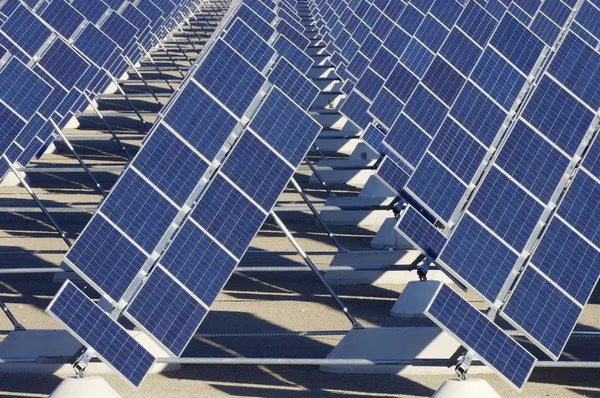
Chinese Firms to Build 500 MW Solar Power Plant in Uzbekistan’s Jizzakh Region

A major solar power project is set to launch in the Forish district of Uzbekistan’s Jizzakh region, following a presidential decree issued earlier this month. The project entails the construction of a 500-megawatt solar photovoltaic (PV) plant along with supporting power transmission infrastructure. According to the decree, the initiative aims to ensure a stable energy supply for both the population and key sectors of the economy, reduce dependence on natural gas in electricity generation, and increase the share of renewables in Uzbekistan’s energy mix. To carry out the project, China Electrical Equipment International Co. Ltd. and China Huadian Overseas Co. Ltd. have formed a joint venture, Huadian Jizzakh Solar Power LLC. The companies will design, finance, construct, and operate the facility. Total direct investment is projected at 2.08 billion yuan (approximately $290 million). Under a 25-year guaranteed purchase agreement, Uzbekistan’s state electricity buyer, Uzenergosotish JSC, will buy the generated electricity. For the construction site, the government has allocated 991.1 hectares of pastureland in Forish, which will be reclassified from agricultural to industrial use. This announcement follows a wave of green energy initiatives signed during the inaugural Samarkand International Climate Forum in April 2025. Among them was an agreement with China’s Liquip International to build another solar facility in the same region. As previously reported by The Times of Central Asia, Chinese investment in Jizzakh continues to grow. In June 2024, President Shavkat Mirziyoyev inaugurated a Technopark in the Zaamin district, where Chinese firms are financing 30 projects valued at $1.2 billion. The development is expected to generate over 5,000 jobs.