• KGS/USD = 0.01144 0%
  • KZT/USD = 0.00215 0%
  • TJS/USD = 0.10718 0.28%
  • UZS/USD = 0.00008 0%
  • TMT/USD = 0.28530 0%
  • KGS/USD = 0.01144 0%
  • KZT/USD = 0.00215 0%
  • TJS/USD = 0.10718 0.28%
  • UZS/USD = 0.00008 0%
  • TMT/USD = 0.28530 0%
  • KGS/USD = 0.01144 0%
  • KZT/USD = 0.00215 0%
  • TJS/USD = 0.10718 0.28%
  • UZS/USD = 0.00008 0%
  • TMT/USD = 0.28530 0%
  • KGS/USD = 0.01144 0%
  • KZT/USD = 0.00215 0%
  • TJS/USD = 0.10718 0.28%
  • UZS/USD = 0.00008 0%
  • TMT/USD = 0.28530 0%
  • KGS/USD = 0.01144 0%
  • KZT/USD = 0.00215 0%
  • TJS/USD = 0.10718 0.28%
  • UZS/USD = 0.00008 0%
  • TMT/USD = 0.28530 0%
  • KGS/USD = 0.01144 0%
  • KZT/USD = 0.00215 0%
  • TJS/USD = 0.10718 0.28%
  • UZS/USD = 0.00008 0%
  • TMT/USD = 0.28530 0%
  • KGS/USD = 0.01144 0%
  • KZT/USD = 0.00215 0%
  • TJS/USD = 0.10718 0.28%
  • UZS/USD = 0.00008 0%
  • TMT/USD = 0.28530 0%
  • KGS/USD = 0.01144 0%
  • KZT/USD = 0.00215 0%
  • TJS/USD = 0.10718 0.28%
  • UZS/USD = 0.00008 0%
  • TMT/USD = 0.28530 0%

Viewing results 1 - 6 of 24

Japarov Breaks the Kyrgyz Tandem

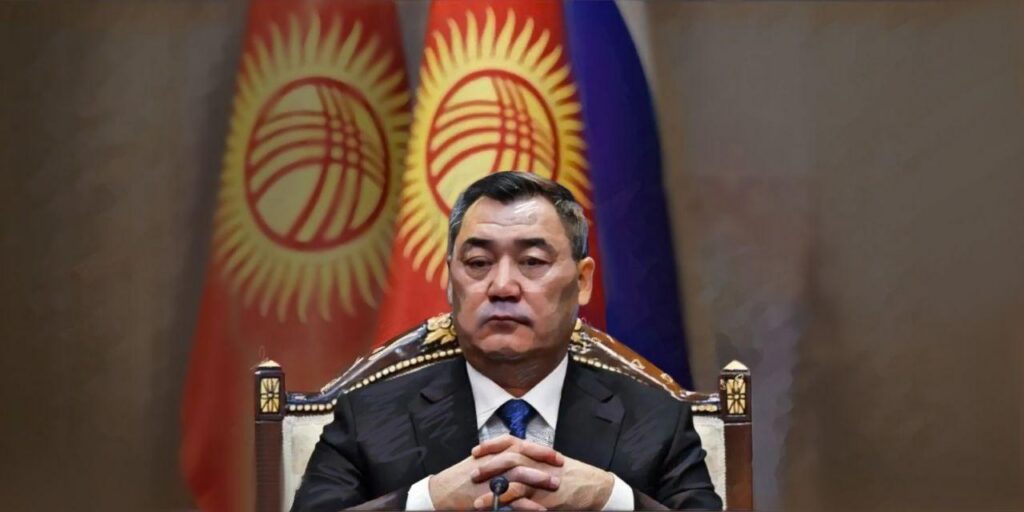
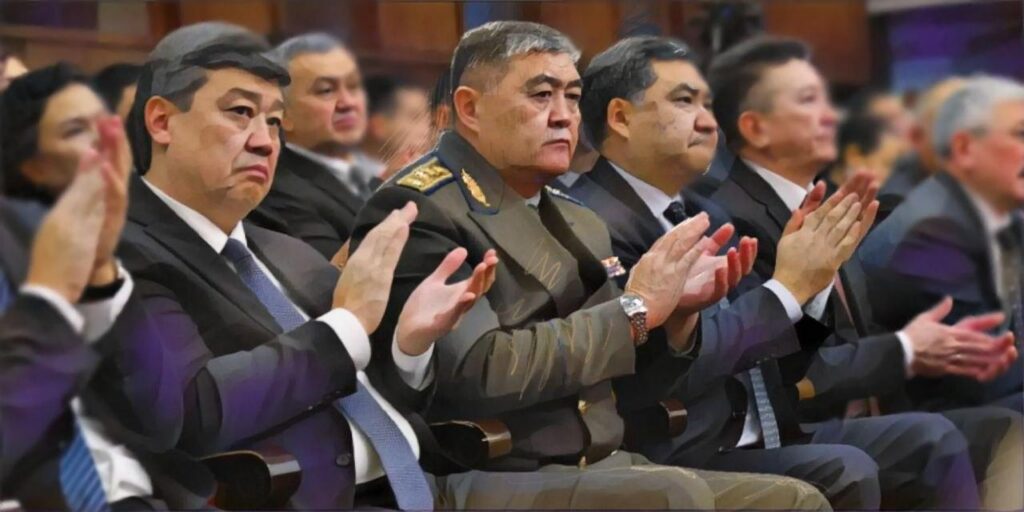
When Kamchybek Tashiyev returned to Bishkek from medical travel abroad after losing his post as Chairman of the State Committee for National Security (GKNB), as well as the deputy chairmanship of the Cabinet of Ministers, he returned to a system already being disassembled. Kyrgyzstan’s President Sadyr Japarov dismissed him on February 10, ending a five-year arrangement in which the presidency and the security apparatus were closely fused. The decision deliberately dismantled the governing tandem that had defined Kyrgyzstan’s power structure since 2020. The immediate question was whether this was a closing of an episode or the opening of a new one. The first wave of moves suggests the latter: a transition toward a more personalized presidency, with the internal-security bloc fractured and its succession logic unsettled. Japarov publicly framed the decision as preempting an institutional split. He explicitly pointed to parliamentary groupings that began sorting deputies into “pro-president” versus “pro-general” camps. Russian-language coverage has tended to present the episode as an effort to end a dual-power configuration, not merely to remove one official. This narrative implies that the state’s operative center of gravity had already begun drifting away from predictable office-holding and toward informal allegiance tests. Once such a dynamic becomes evident, according to such a telling, the preservation of regime coherence often requires rapid, coercive re-centering. Domestic Political Configurations The first domestic signal was indeed speed. Along with Tashiyev, senior security officials were removed, and an acting head was installed pending parliamentary procedures. The point here was not just about personnel but about the timing: the presidency moved first, then moved again, so that no alternative pole could consolidate inside the security institutions. If the system had been built around a Japarov–Tashiyev tandem, then the immediate dismantling of Tashiyev’s proximate layers was also a message to the broader stakeholder society that the presidency would decide who inherits the southern security networks and clan linkages. Japarov was clearly conveying a signal of dominance that ruled out negotiation. A second signal came through parliament. Speaker Nurlanbek Turgunbek uulu resigned shortly after the dismissal, amid reporting that he was politically close to Tashiyev and vulnerable once the security bloc shifted. Russian reporting treated the speaker’s resignation as part of the same chain reaction set off by the February 10 decree. This was part of a pattern whereby institutional actors in Kyrgyzstan’s domestic politics reorient quickly toward whoever appears to be winning in the short term. Loyalty is anticipatory because the penalty for backing the wrong camp can arrive through law enforcement, prosecutorial pressure, or reputational destruction. A third signal emerged through the revived early-election debate. The open-letter campaign and talk about a “snap election” did not arise in a vacuum; it built on a preexisting argument about constitutional timing and mandate renewal. That development provided a political vocabulary for testing whether the tandem’s first stage had ended. The credible possibility of early elections has destabilized patronage, compelling every member of the political class at every level to recalculate expectations. Every political actor...

After Firing Close Ally Tashiyev, Japarov Says Goal for Kyrgyzstan is Unity

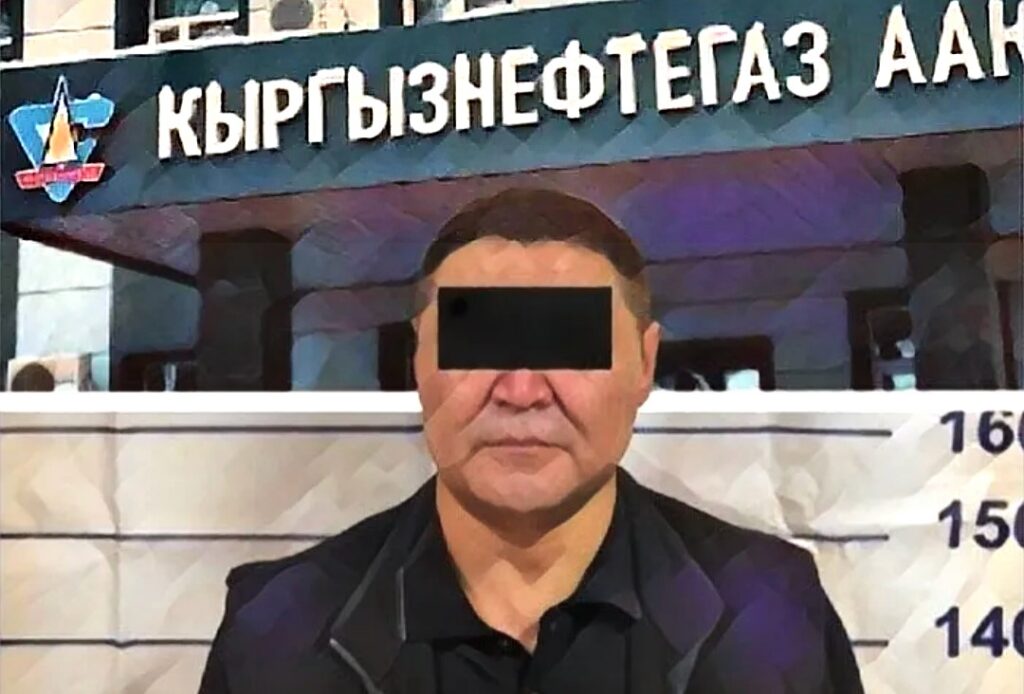
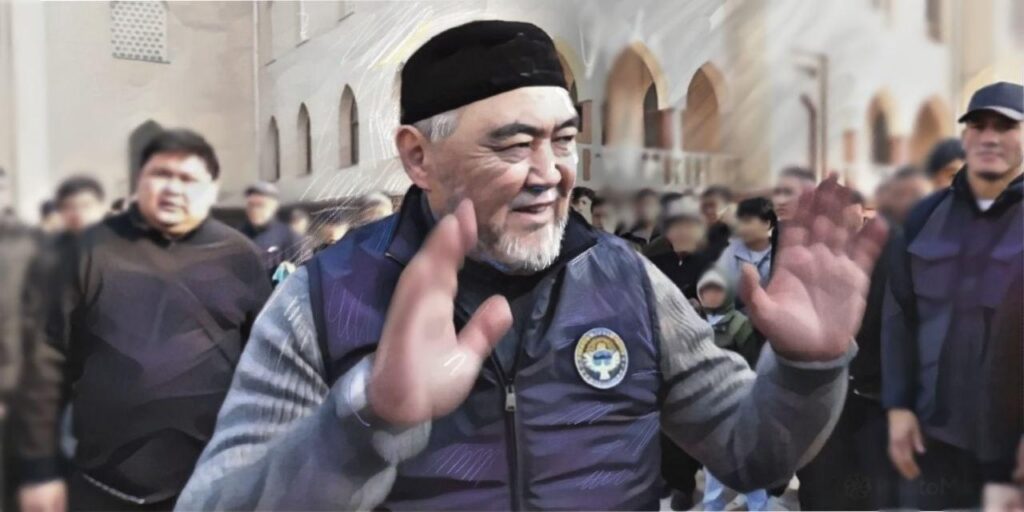
Kyrgyzstan's President Sadyr Japarov, who fired his powerful security chief Kamchybek Tashiyev last week, says he plans to wipe out the “disease” of division between northern and southern groups in the country. In an interview published on Monday by the state Kabar news agency, Japarov spoke about his broader vision for Kyrgyzstan in some of his most detailed comments since the dismissal of Tashiyev, the head of the State Committee for National Security who campaigned effectively against organized crime and was a close confidant of the president.  Some criticism of Japarov suggests he made the move to amass more power as part of an authoritarian project for Kyrgyzstan. But the president said he wants to repair traditional rifts that he blamed for political unrest in the country over the years. His government has accused some political figures of trying to exploit Tashiyev’s stature and undermine Japarov’s government, though the former security chief said he accepted the president’s decision to remove him.  Japarov is from northern Kyrgyzstan, while Tashiyev is from the south. For a time, their tight alliance appeared to be a way of smoothing over divisions between factions in the two regions. Japarov was sworn in as president in early 2021 after a tumultuous period that included his imprisonment, protests and victory in a landslide election.  Tashiyev has been a supporter of Japarov all along, including during moves against the media that opponents described as democratic backsliding in a country once known for relative freedom of expression. “Since independence, politicians have been dividing the country into north and south,” Japarov said. “I saw this with my own eyes when I first entered politics in 2005. They divided the government so that half of it would be north, half south, or something like that in some ministry. And I was very sad.” Japarov said the divisions had been “disappearing” since he took office, thanks to a policy of rotating district chiefs, prosecutors, governors, judges and the heads of other institutions around the country. People from the south hold leadership jobs in the north, and vice versa, he said.  “I will eventually eradicate the disease of North-South divide. It will take time,” Japarov said in the Kabar interview.