• KGS/USD = 0.01144 0%
  • KZT/USD = 0.00205 0%
  • TJS/USD = 0.10784 0%
  • UZS/USD = 0.00008 0%
  • TMT/USD = 0.28490 0%
  • KGS/USD = 0.01144 0%
  • KZT/USD = 0.00205 0%
  • TJS/USD = 0.10784 0%
  • UZS/USD = 0.00008 0%
  • TMT/USD = 0.28490 0%
  • KGS/USD = 0.01144 0%
  • KZT/USD = 0.00205 0%
  • TJS/USD = 0.10784 0%
  • UZS/USD = 0.00008 0%
  • TMT/USD = 0.28490 0%
  • KGS/USD = 0.01144 0%
  • KZT/USD = 0.00205 0%
  • TJS/USD = 0.10784 0%
  • UZS/USD = 0.00008 0%
  • TMT/USD = 0.28490 0%
  • KGS/USD = 0.01144 0%
  • KZT/USD = 0.00205 0%
  • TJS/USD = 0.10784 0%
  • UZS/USD = 0.00008 0%
  • TMT/USD = 0.28490 0%
  • KGS/USD = 0.01144 0%
  • KZT/USD = 0.00205 0%
  • TJS/USD = 0.10784 0%
  • UZS/USD = 0.00008 0%
  • TMT/USD = 0.28490 0%
  • KGS/USD = 0.01144 0%
  • KZT/USD = 0.00205 0%
  • TJS/USD = 0.10784 0%
  • UZS/USD = 0.00008 0%
  • TMT/USD = 0.28490 0%
  • KGS/USD = 0.01144 0%
  • KZT/USD = 0.00205 0%
  • TJS/USD = 0.10784 0%
  • UZS/USD = 0.00008 0%
  • TMT/USD = 0.28490 0%

Viewing results 1 - 6 of 25

Kazakhstan Oil Output Projected to Reach 100 Million Tons Annually

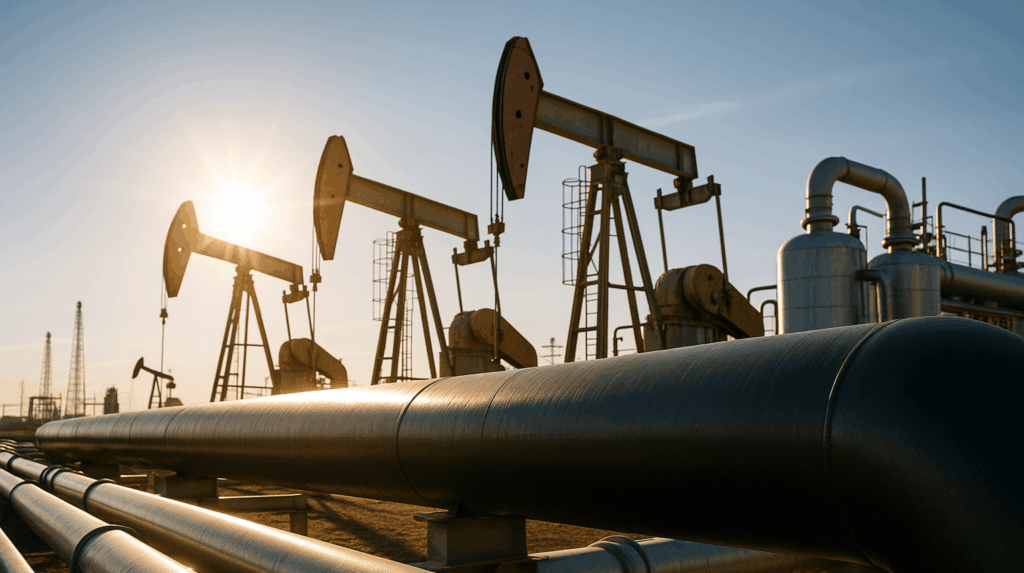
Kazakhstan is projected to reach an annual oil production level of 100 million tons in the coming years and sustain that output over the long term, according to Askat Khasenov, Chairman of the Board of the national oil and gas company KazMunayGas (KMG). The Ministry of Energy initially forecast oil production at 96.2 million tons for 2025, later adjusting the estimate to 96 million tons. In 2024, Kazakhstan produced 87 million tons of oil, with growth driven by the Tengiz expansion and the development of the Karachaganak and Kashagan projects in western Kazakhstan and the Caspian shelf. In November 2024, the ministry announced plans to surpass 100 million tons annually starting in 2026. KMG believes this level can be maintained for the foreseeable future. “The government officially plans to produce more than 100 million tons of oil per year, and I believe this plateau will last for a long time. New geological projects will allow us to maintain this level in the long term,” Khasenov said during Kazakhstan Energy Week 2025 in Astana. “Our company is actively developing exploration under a strategy focused on the sustainable replenishment of the country’s mineral resource base. Currently, KMG’s portfolio includes 13 exploration projects, implemented both independently and in partnership with international companies such as Eni, Lukoil, CNOOC, Sinopec, and Tatneft. Our goal is to achieve an increase in reserves of up to 200 million tons of oil in the short term.” Khasenov also noted that KMG is conducting geological studies in underexplored regions of Kazakhstan, with eight new projects already initiated. The overall potential of ongoing exploration is estimated at 800 million tons of oil equivalent. In parallel, the company is applying enhanced oil recovery techniques to sustain production at mature fields. Another strategic priority for KMG is oil refining. The company aims to fully meet domestic demand for gasoline, diesel, and other fuels while expanding its petrochemical footprint to produce polymers and carbamide, boosting Kazakhstan’s non-resource exports. Temirlan Urkumbaev, Director of the Department of Petrochemistry and Technical Regulation at the Ministry of Energy, emphasized that petrochemicals are becoming a cornerstone of economic diversification. “Petrochemistry is not just about new sources of revenue. It brings new jobs, export income, and sustainable development. For Kazakhstan, the transition from a raw-material model to deep processing is a strategic necessity,” Urkumbaev said. The ministry has developed a 2024-2030 Roadmap for the petrochemical industry, which includes six major projects worth approximately $15 billion and expected to create more than 19,000 jobs. Among these is a polyethylene plant with an annual capacity of 1.25 million tons, scheduled to begin operations in 2029. The facility will produce over 20 grades of polyethylene, including premium types, and is projected to account for around 1% of the global market. Other planned projects include the production of butadiene, carbamide, and alkylate. In 2022, Kazakhstan launched one of the world’s largest polypropylene plants KPI Inc. with an annual capacity of 500,000 tons. As previously reported by The Times of Central Asia, the Kazakh...

Kazakhstan Presses Oil Giants as Kashagan Revenues Face Scrutiny

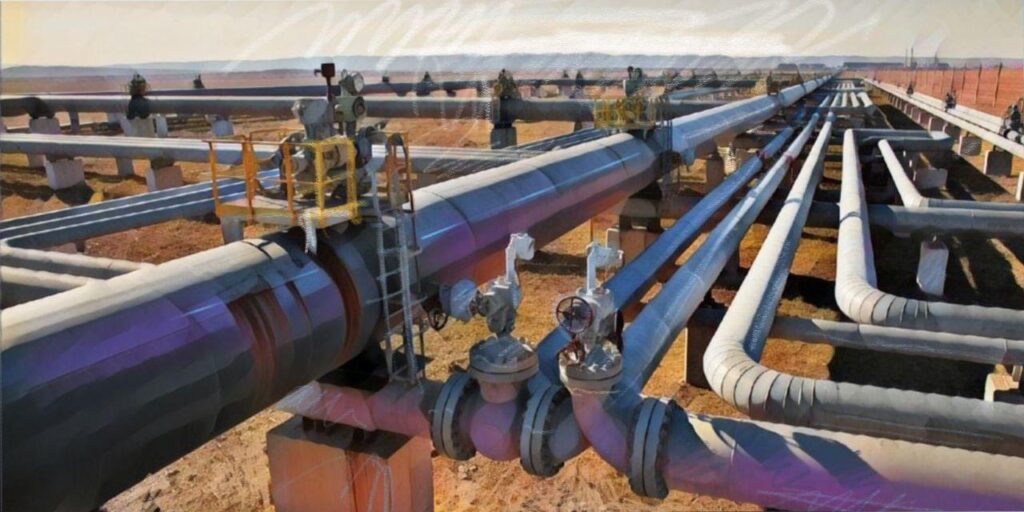
The media in Kazakhstan is once again debating the revision of production sharing agreements (PSAs) with foreign companies in the country’s major oil consortia. PSA LLP, the state-owned operator authorized by the Ministry of Energy to represent Kazakhstan’s interests in the North Caspian Production Sharing Agreement, has released new data on revenues from the Kashagan field, information expected to reignite calls to amend agreements with major Western oil producers in Kazakhstan’s favor. President Kassym-Jomart Tokayev has publicly backed the discussion. In January, he instructed the government to intensify negotiations with foreign investors. "The implementation of production-sharing agreements for large fields has allowed Kazakhstan to become a reliable supplier of energy to the global market. These projects have made a great contribution to the country’s socio-economic development. However, large investments require a long-term planning horizon. Therefore, the government must intensify negotiations on extending PSA contracts, possibly on revised terms that are more favorable for Kazakhstan,” Tokayev said at an expanded government meeting. The PSA company, headed by Tokayev’s nephew, Beket Izbastin, reported that in 2024, the Kashagan consortium’s total revenue from oil, gas, and sulfur sales exceeded $11 billion. Of this, 80% covered capital and operating costs (“Cost Oil”), while only 20% came from “Profit Oil,” amounting to $2.2 billion. Kazakhstan’s share was 10%, or $220 million. Including the $430 million in taxes paid by the operator, NCOC, the country’s total revenue was $650 million. “With revenues of $11 billion, the republic’s share, including taxes, was only 6%, the lowest among oil companies not only in Kazakhstan but globally,” PSA said. Under the current terms, Kazakhstan’s share of Profit Oil will not increase until three billion barrels have been extracted from Kashagan. Only the first billion has been produced over the past decade. Shareholders are expected to begin paying a 30% income tax soon; KazMunayGas has already transferred an initial $45 million payment from the Kashagan profits. The fairness of this revenue distribution is now a central point of debate. Some observers believe the renewed focus ahead of the next parliamentary session could signal that Tokayev will again raise the issue in his annual address, alongside agreements for Karachaganak and Tengiz, the other pillars of Kazakhstan’s oil sector. Tengiz operates under a contract expiring in 2033, earlier than Karachaganak (2037) and Kashagan (2041). At his press conference in Astana last month, Prime Minister Olzhas Bektenov confirmed that negotiations with major oil companies had only just begun. “Indeed, there is a view that the country’s interests are significantly infringed upon. We are starting negotiations with our consortium partners to conclude new PSAs for a new period. This will be done in a measured and balanced manner, without sudden moves, while defending the national interests of our country,” Bektenov stated. The question of what exactly constitutes “national interests” remains open. In February, Mazhilis deputy Edil Zhanbirshin linked the issue to Kazakhstan’s dependence on imported fuel. Despite the $3.7 billion spent on modernizing the country’s three oil refineries, annual processing volumes remain below 18...

French Company Signs Contract With Karachaganak Consortium

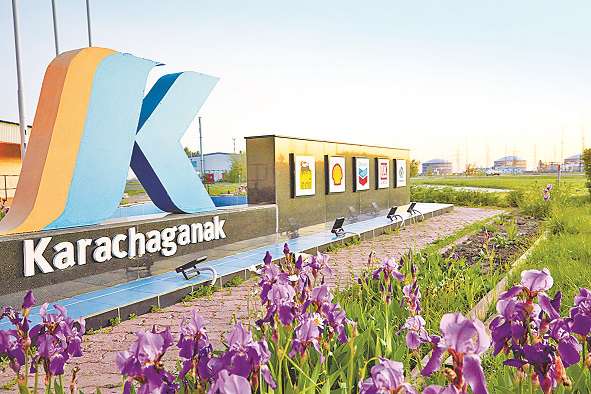
Technip Energies NV, a French engineering and technology company in the energy sector, has entered into a five-year service agreement with Karachaganak Petroleum Operating B.V. (KPO) to develop the Karachaganak field in northwest Kazakhstan. According to representatives of Technip, the agreement covers a wide range of services, from consulting and conceptualization to detailed design of facilities and infrastructure. The project will be implemented through the joint venture TKJV LLP, created by Technip Energies in cooperation with the Kazakh company KPSP. Technip Energies is already engaged in projects in Kazakhstan, including the production of "green hydrogen" (Hyrasia One) and the construction of a gas processing plant at Kashagan. Earlier, Kazakhstan's energy minister, Almasadam Satkaliyev, announced the implementation of investment projects to expand Karachaganak. These projects are planned until 2028 and will maintain the production shelf at 11 million tons annually.