
• KGS/USD = 0.01143 0%
  • KZT/USD = 0.00205 0%
  • TJS/USD = 0.10433 0.1%
  • UZS/USD = 0.00008 0%
  • TMT/USD = 0.28577 0%
  • KGS/USD = 0.01143 0%
  • KZT/USD = 0.00205 0%
  • TJS/USD = 0.10433 0.1%
  • UZS/USD = 0.00008 0%
  • TMT/USD = 0.28577 0%
  • KGS/USD = 0.01143 0%
  • KZT/USD = 0.00205 0%
  • TJS/USD = 0.10433 0.1%
  • UZS/USD = 0.00008 0%
  • TMT/USD = 0.28577 0%
  • KGS/USD = 0.01143 0%
  • KZT/USD = 0.00205 0%
  • TJS/USD = 0.10433 0.1%
  • UZS/USD = 0.00008 0%
  • TMT/USD = 0.28577 0%
  • KGS/USD = 0.01143 0%
  • KZT/USD = 0.00205 0%
  • TJS/USD = 0.10433 0.1%
  • UZS/USD = 0.00008 0%
  • TMT/USD = 0.28577 0%
  • KGS/USD = 0.01143 0%
  • KZT/USD = 0.00205 0%
  • TJS/USD = 0.10433 0.1%
  • UZS/USD = 0.00008 0%
  • TMT/USD = 0.28577 0%
  • KGS/USD = 0.01143 0%
  • KZT/USD = 0.00205 0%
  • TJS/USD = 0.10433 0.1%
  • UZS/USD = 0.00008 0%
  • TMT/USD = 0.28577 0%
  • KGS/USD = 0.01143 0%
  • KZT/USD = 0.00205 0%
  • TJS/USD = 0.10433 0.1%
  • UZS/USD = 0.00008 0%
  • TMT/USD = 0.28577 0%

Viewing results 1 - 6 of 7

Kazakh-Spanish Film La Tregua to Premiere on Netflix

Following its premiere at the San Sebastian International Film Festival this fall, where it received a special award, the Kazakh-Spanish film La Tregua (The Truce) has been released in cinemas in Spain and Kazakhstan. It is now set to become the first Spanish-language film featuring Kazakhstan to appear on Netflix. “Although critics say the film is not for popcorn viewing, given its focus on little-known and tragic chapters in the histories of Kazakhstan and Spain, its release has generated strong emotional responses in both countries,” said Yerlan Bekhozhin, a prominent Kazakh journalist and co-producer of the film, in an interview with The Times of Central Asia. “It speaks to the timeless struggle of human confrontation.” The film presents a Kazakh narrative about Spaniards caught on opposing sides of ideological conflict. “It is a story from the last century, yet it addresses the present day,” Bekhozhin said. “When we look at today’s world, it’s clear that people lack the ability to engage in dialogue. The main message of the film is: There is always a way to negotiate.” Netflix is expected to stream the film in 2026. Distribution discussions are also underway for theatrical releases in Mexico and other Spanish-speaking countries in Latin America. [caption id="attachment_41648" align="aligncenter" width="2560"] Still from La Tregua[/caption] From Karaganda to the Screen The story is rooted in the history of Karlag, the Karaganda labor camp that operated in Kazakhstan from 1937 to 1959. Victims of Stalinist repression from across the Soviet Union, including foreign nationals, were imprisoned there for dissent, free expression, or as victims of denunciations. The idea for the film came from Spanish producer César Benítez, inspired by an event from over 30 years ago. During the Soviet era, the identities of Spanish citizens imprisoned in Karlag were kept secret. After Kazakhstan gained independence, its government handed the list of repressed Spaniards to the King of Spain, a gesture that sparked widespread attention in Spain, allowing many families to finally discover the fate of their relatives. Years earlier, the Spanish documentary, The Forgotten in Karaganda, had drawn significant attention to the subject. Now, Benítez has transformed the story into a feature film. “The title The Truce is deeply relevant today, at a time when peace requires people to sit at the same table,” said Bekhozhin. [caption id="attachment_41650" align="aligncenter" width="2560"] Still from La Tregua[/caption] Kazakh Identity on a Global Stage Bekhozhin also emphasized the film’s role in portraying Kazakh identity. “Its global release will introduce the world to the law of the steppe, the law of hospitality,” he said. “Kazakhs have long demonstrated empathy forged under harsh conditions. It’s part of our national character to welcome others, regardless of nationality or faith.” One scene in the film shows a Kazakh family near the camp inviting Spanish prisoners into their home and setting a traditional dastarkhan, a generous table of lamb-based dishes. The prisoners are seated in the place of honor, or torge, in keeping with Kazakh custom. “In the film, the hostess explains that when...
Kazakhstan’s Rare Earth Reserves Surpass Projections Following New Geological Surveys

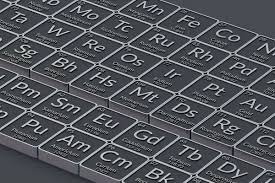
Geological exploration at Kazakhstan’s largest rare earth metal deposit, Kuirektykol, in the Karaganda region, has revealed significantly higher reserves than previously estimated. The latest data suggests that the site holds 28.2 million tons of commercially viable rare earth elements, up from an initial estimate of 20 million tons. Exploration work began in 2022, and by November 2024, geologists had already confirmed significant concentrations of cerium and other lanthanides across four key zones at depths of up to 300 meters. Regional Potential Expands Alibek Aldeney, Deputy Akim of the Karaganda region, said that the surveys also revealed new prospective sites for gold, copper, and tungsten. “Foreign companies are already conducting surveys. This will allow us to expand our mineral resource base and create new production facilities for processing rare earth and precious metals,” Aldeney said. Industry experts have long maintained that Kazakhstan holds the potential to ensure stable supplies of critical minerals amid rising global demand. Strategic Priorities and Government Support In August, Prime Minister Olzhas Bektenov convened a meeting to discuss the development of Kazakhstan’s rare earth sector. He emphasized the need to modernize production, adopt advanced technologies, and increase scientific research. According to the Ministry of Industry, rare and rare earth metals currently account for 2.4% of the country's metallurgical sector. Since 2018, the government has invested KZT 67 billion (approximately $124 million) in the industry. Kazakhstan is currently exploring 25 promising rare earth sites across a combined area of 100,000 square kilometers. In 2024 alone, 38 new deposits of solid minerals were identified. Production of beryllium, tantalum, niobium, scandium, titanium, rhenium, and osmium is already underway, along with the extraction of associated elements such as bismuth, antimony, selenium, and tellurium. Future Outlook and Strategic Concerns There are emerging industrial opportunities include the production and recycling of battery materials, heat-resistant alloys, semiconductors, and permanent magnets. However, as The Times of Central Asia previously reported, with the sector’s strategic value increasing, members of parliament have called for tighter regulation of rare earth exports to safeguard national interests.

Kazakhstan’s Karaganda Among World’s Most Polluted Cities as Central Asia Struggles with Air Quality

Kazakhstan’s Karaganda - the heartland of the nation's coal and metallurgical industries - was ranked as the world’s third most polluted city in 2024, according to the 2024 World Air Quality Report released by IQAir.  The report evaluates global air quality for 2024, presenting PM2.5 air pollution data collected from 8,954 cities across 138 countries, regions, and territories. PM2.5, or fine particulate matter, is measured in micrograms per cubic meter (µg/m³) and is a key indicator of air pollution. Karaganda recorded an annual average PM2.5 concentration of 104.8 µg/m³ in 2024. In comparison, Byrnihat, India, the world's most polluted city, had an average PM2.5 concentration of 128.2 µg/m³. Central Asian Cities in the Global Ranking Among the world’s most polluted cities, Central Asia’s major cities ranked as follows: Dushanbe, Tajikistan - 176th, PM2.5: 46.3 µg/m³ Tashkent, Uzbekistan - 510th, PM2.5: 31.4 µg/m³ Bishkek, Kyrgyzstan - 1009th, PM2.5: 21.2 µg/m³ Almaty, Kazakhstan - 1072nd, PM2.5: 20.3 µg/m³ Astana, Kazakhstan - 1608th, PM2.5: 15.4 µg/m³ Kazakhstan’s Regional Air Quality Standing In the ranking of the world's most polluted countries, Kazakhstan had the best air quality in Central Asia, ranking 71st globally. Other regional rankings were: Tajikistan - 6th most polluted country Uzbekistan - 19th Turkmenistan - 26th Kyrgyzstan - 41st Global Air Pollution Trends According to the report, only 17% of global cities met the World Health Organization (WHO) air pollution guideline for PM2.5. The seven countries that met the WHO’s annual average PM2.5 guideline of 5 µg/m³ were: Australia Bahamas Barbados Estonia Grenada Iceland New Zealand The five most polluted countries in 2024 were: Chad – 91.8 µg/m³ (more than 18 times higher than the WHO guideline) Bangladesh – 78.0 µg/m³ (more than 15 times higher) Pakistan – 73.7 µg/m³ (more than 14 times higher) Democratic Republic of the Congo – 58.2 µg/m³ (more than 11 times higher) India – 50.6 µg/m³ (more than 10 times higher) A total of 126 out of 138 countries (91.3%) exceeded the WHO’s annual PM2.5 guideline of 5 µg/m³. Air Pollution’s Impact on Human Health The report underscores that air pollution remains the greatest environmental threat to human health. According to the WHO, 99% of the global population lives in areas that do not meet recommended air quality levels. Air pollution is the second leading global risk factor for death and the second leading cause of death among children under five, following malnutrition. The health effects of air pollution include respiratory diseases, developmental issues, and increased mortality. In 2021 alone, 8.1 million deaths were attributed to air pollution, with 58% of those deaths caused by ambient PM2.5 pollution.
