• KGS/USD = 0.01144 0%
  • KZT/USD = 0.00216 0%
  • TJS/USD = 0.10659 0%
  • UZS/USD = 0.00008 0%
  • TMT/USD = 0.28530 0%
  • KGS/USD = 0.01144 0%
  • KZT/USD = 0.00216 0%
  • TJS/USD = 0.10659 0%
  • UZS/USD = 0.00008 0%
  • TMT/USD = 0.28530 0%
  • KGS/USD = 0.01144 0%
  • KZT/USD = 0.00216 0%
  • TJS/USD = 0.10659 0%
  • UZS/USD = 0.00008 0%
  • TMT/USD = 0.28530 0%
  • KGS/USD = 0.01144 0%
  • KZT/USD = 0.00216 0%
  • TJS/USD = 0.10659 0%
  • UZS/USD = 0.00008 0%
  • TMT/USD = 0.28530 0%
  • KGS/USD = 0.01144 0%
  • KZT/USD = 0.00216 0%
  • TJS/USD = 0.10659 0%
  • UZS/USD = 0.00008 0%
  • TMT/USD = 0.28530 0%
  • KGS/USD = 0.01144 0%
  • KZT/USD = 0.00216 0%
  • TJS/USD = 0.10659 0%
  • UZS/USD = 0.00008 0%
  • TMT/USD = 0.28530 0%
  • KGS/USD = 0.01144 0%
  • KZT/USD = 0.00216 0%
  • TJS/USD = 0.10659 0%
  • UZS/USD = 0.00008 0%
  • TMT/USD = 0.28530 0%
  • KGS/USD = 0.01144 0%
  • KZT/USD = 0.00216 0%
  • TJS/USD = 0.10659 0%
  • UZS/USD = 0.00008 0%
  • TMT/USD = 0.28530 0%

Viewing results 1 - 6 of 6

Opinion – Kazakhstan’s New Constitution Sends a Key Signal for Global Partners

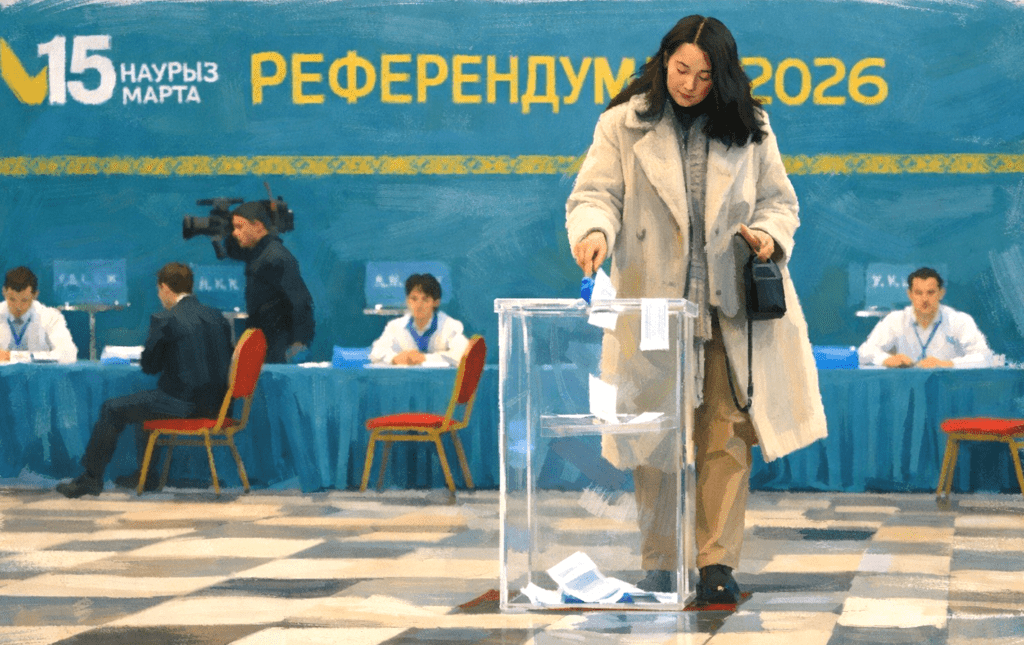
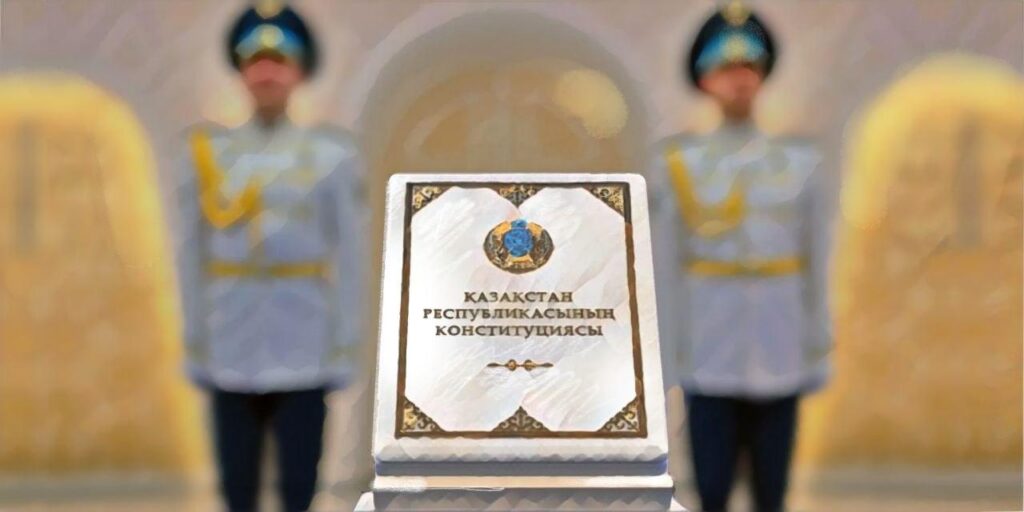
In a nationwide referendum on March 15, over 87% of voters approved a new constitution for Kazakhstan. It was a significant victory for President Tokayev and his administration, all the more so because voter turnout exceeded 73%. Kazakhstan’s new constitution is a key signal for global partners. It replaces the old bicameral system with a unicameral legislature, establishes the Halyk Kenesi (People’s Council), an advisory body intended to promote national dialogue, and creates a vice presidency to provide for clearer succession at the top of the state. The new constitution is the outcome of a strategy that has been building for some time. Now, backed by a clear majority, Kazakhstan’s leadership is seeking to strengthen governance by redistributing power, lessening political ambiguity, and grounding politics in shared values—however difficult that may be to accomplish. All of this is being pursued despite—and perhaps because of—the nation’s history of corruption and nepotism. Kazakhstan’s constitutional reforms were deliberate, structural measures designed to reorient the country’s governmental machinery toward what supporters describe as the common good. That, at least, is the stated intention, reflected in a slogan often used by backers of the new constitution: “A strong president, an influential parliament, and an accountable government.” Some outside observers have viewed the new constitution favorably, framing it as an effort to streamline governance and clarify institutional roles, while others have warned that the changes could impede sociopolitical progress and human rights by prioritizing stronger governance. Some also see the reforms as signaling a move toward more restrictive political practices. These alarmist interpretations are overstated. Astana’s constitutional reforms fit into an ongoing political effort, using the law to strengthen civic involvement and the well-being of the community as a whole, not just individual interests. The new constitution did not emerge ex nihilo for the purpose of freezing elite advantages at the expense of the people, as others in Kazakhstan and the broader region have done in the past. That interpretation of constitutional change in Central Asia overlooks the government’s broader reform agenda, whatever its perceived shortcomings. In his March 31 article, A New Constitution for a Just, Strong, and Prosperous Kazakhstan, President Tokayev framed Kazakhstan as a rules-oriented state, emphasizing rights, judicial independence, and impartial institutions—an approach that stands out regionally despite open questions about follow-through. Tokayev emphasized that “The new constitution is about people, not just better government.” The constitution’s largest section is dedicated to protecting freedoms and rights based on common sense and traditional values, including privacy, personal data, private property, and home inviolability. Judicial independence is reinforced to ensure that all citizens receive qualified, impartial defense – at least that’s the intent. Amendments require a public referendum, ensuring that fundamental choices remain popular. Religious liberty is guaranteed in a secular society. The constitution also presents Kazakhstan as a more attractive and predictable place to do business, for both domestic and foreign investors. The constitution, according to Tokayev, “sets clear rules for economic activity.” As such, the reforms create a political culture that aims...

Kazakhstan’s Constitutional Reform and the Logic of Modernization

As The Times of Central Asia has noted throughout its special coverage, Kazakhstan’s new constitutional model is presented as modernization, not a rupture with the existing system. President Kassym-Jomart Tokayev has described the project as a response to a rapidly changing global landscape, arguing that the country’s basic law must be recalibrated to make governance more coherent, effective, accountable, and sustainable. That framing has included streamlining parliament, restoring the vice presidency, and redistributing authority across institutions as part of what Tokayev called a “complete reboot” of government, not a revolutionary break with existing institutions. Voters endorsed that vision in the 15 March referendum, with 87.15% backing the new constitution on 73.12% turnout. A report published the following day by the Kazakhstan Institute for Strategic Studies can be read as the most authoritative attempt to define and systematize that vision. Why This Report Matters Kazakhstan’s new constitutional report is presented as an analytical study while remaining closely aligned with official policy perspectives and institutional priorities. Published by the Kazakhstan Institute for Strategic Studies under the President of the Republic of Kazakhstan, it says its purpose is to examine constitutional reform as part of a broader process of institutional and socio-economic transformation. The timing is also significant. The report was recommended for publication on 16 March 2026, one day after the referendum it describes as a milestone in the country’s political development. That makes the document best read as an authoritative explanatory text outlining the state’s interpretation of the reform. It is an effort to define the significance of the referendum for both domestic and foreign audiences. The report’s central argument is that Kazakhstan is not abandoning the presidential republic but renewing its constitutional architecture for a new stage of development. Throughout, it links constitutional change to stronger institutions, better governance, human capital, and long-term resilience. The International Framing of Reform For external audiences, the report presents this argument as a process of evolutionary reform, not revolutionary change. It traces the reform path back to political modernization launched in 2019 and accelerated by constitutional amendments in 2022. In the report’s own framing, the 2026 referendum is the next step in a longer sequence of institutional renewal. The institutional changes highlighted for foreign audiences are significant. The report points to a transition to a unicameral parliament, the creation of a Vice President, the establishment of the Halyq Kenesi as a consultative body with legislative initiative, and an expanded role for the Constitutional Court. Together, these changes are framed as a way to improve policy coordination, ensure continuity in government, and broaden channels between the state and society. The report also puts heavy emphasis on rights protection, especially in ways likely to resonate internationally. It says the reform strengthens guarantees of fair trial, the presumption of innocence, legal assistance, freedom of expression, and access to information. It also gives unusual weight to digital-era rights, including personal data, privacy, and the security of electronic communications. To reinforce that point, the report cites the Constitutional Court’s...