
• KGS/USD = 0.01144 0%
  • KZT/USD = 0.00211 0%
  • TJS/USD = 0.10582 0.19%
  • UZS/USD = 0.00008 0%
  • TMT/USD = 0.28530 0%
  • KGS/USD = 0.01144 0%
  • KZT/USD = 0.00211 0%
  • TJS/USD = 0.10582 0.19%
  • UZS/USD = 0.00008 0%
  • TMT/USD = 0.28530 0%
  • KGS/USD = 0.01144 0%
  • KZT/USD = 0.00211 0%
  • TJS/USD = 0.10582 0.19%
  • UZS/USD = 0.00008 0%
  • TMT/USD = 0.28530 0%
  • KGS/USD = 0.01144 0%
  • KZT/USD = 0.00211 0%
  • TJS/USD = 0.10582 0.19%
  • UZS/USD = 0.00008 0%
  • TMT/USD = 0.28530 0%
  • KGS/USD = 0.01144 0%
  • KZT/USD = 0.00211 0%
  • TJS/USD = 0.10582 0.19%
  • UZS/USD = 0.00008 0%
  • TMT/USD = 0.28530 0%
  • KGS/USD = 0.01144 0%
  • KZT/USD = 0.00211 0%
  • TJS/USD = 0.10582 0.19%
  • UZS/USD = 0.00008 0%
  • TMT/USD = 0.28530 0%
  • KGS/USD = 0.01144 0%
  • KZT/USD = 0.00211 0%
  • TJS/USD = 0.10582 0.19%
  • UZS/USD = 0.00008 0%
  • TMT/USD = 0.28530 0%
  • KGS/USD = 0.01144 0%
  • KZT/USD = 0.00211 0%
  • TJS/USD = 0.10582 0.19%
  • UZS/USD = 0.00008 0%
  • TMT/USD = 0.28530 0%

Viewing results 1 - 6 of 4

A Technology to Reduce Harmful Industrial Emissions Developed in Kazakhstan

Scientists at Aktobe Regional University have developed a new gas purification technology capable of reducing dust and harmful substances in industrial emissions by dozens of times, the Ministry of Science and Higher Education of Kazakhstan reported. The development is intended for use in the metallurgical, energy, and food industries, as well as in the production of construction materials. The technology is based on an improved regeneration system for bag filters, enabling the cleaning of filter elements from accumulated dust without the need for replacement. This approach helps preserve the filter material, improves purification efficiency, and extends the service life of equipment, contributing to more stable production processes. The technology is currently being implemented at several industrial facilities in the cities of Aktobe, Aksu, and Ekibastuz. At the Aktobe Ferroalloy Plant, for example, use of the system has reduced the concentration of harmful components in emissions by approximately 40 times. According to the ministry, similar solutions are already in use at the Aksu Ferroalloy Plant and at enterprises operated by JSC TNK Kazchrome, helping to reduce environmental impact and ensure compliance with environmental regulations. The ministry emphasized the importance of the development in terms of import substitution, noting that such gas purification systems were previously supplied mainly from abroad. The technology also aligns with the objectives of the National Carbon Quota Allocation Plan, which aims to reduce industrial emissions and support the country’s climate goals. The equipment is manufactured in Karaganda as part of scientific and technical cooperation between the university and KazEnergoMashEkologia. The results of pilot testing have been registered with the National Center for State Scientific and Technical Expertise, allowing the project to participate in a competition for the commercialization of scientific developments. The project received a state grant of $742,000, while the industrial partner invested an additional $260,000. The total cost of the developed and implemented gas purification equipment to date is approximately $805,000. As previously reported by The Times of Central Asia, scientists at Satbayev University in Almaty are also working on a compact device capable of converting mechanical vibrations from the environment into electrical energy.
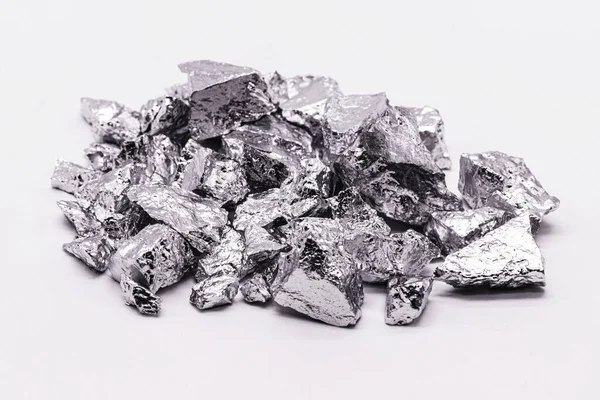

Kazakhstan’s Kazchrome Launches Flotation Plant to Recover Chromium from Waste

A new flotation unit for extracting chromium from industrial waste has been launched at the Donskoy Mining and Processing Plant (GOK) in Khromtau, located in Kazakhstan’s Aktobe region. The initiative, part of the ERG Green program, was developed by Kazchrome, a subsidiary of Eurasian Resources Group (ERG). Founded in 1938, Donskoy GOK operates the world’s second-largest confirmed chromium ore deposit. Most of its output supplies Kazakhstan’s ferroalloy plants in Aksu (Pavlodar region) and Aktobe. In 2024, the plant reported record output, producing 6 million tons of ore and 1.864 million tons of ferroalloys. The new flotation facility is expected to boost production by processing accumulated industrial waste. Kazchrome invested more than 20.6 billion tenge (approximately $38 million) into the project. While flotation is commonly used in non-ferrous and precious metals mining, it is rarely applied in the chromium sector. ERG’s Research and Engineering Center patented the process, which enables chromium recovery from ultrafine particles (UFPs) previously considered unprocessable. “This technology is a clear example of ERG’s approach to combining advanced global practices with in-house solutions,” said Shukhrat Ibragimov, Chairman of the Board of Directors and CEO of ERG. “It reflects our strategy to transform legacy industrial waste into valuable resources.” The flotation unit marks the second stage of ERG’s environmental program at Donskoy GOK. In 2023, the plant launched a facility utilizing gravity separation to produce concentrate with a chromium content of at least 48.5 percent. The new unit targets ultrafine fractions remaining after gravity processing. The process involves injecting air or gas into water mixed with waste particles. Hydrophobic chromium particles attach to air bubbles, float to the surface as foam, and are collected for further treatment. According to the company, the facility will process approximately 14.5 million tons of historically accumulated waste. The project aligns with Kazakhstan’s national policy to incentivize recycling of man-made mineral formations (MMF). The government has proposed a tenfold reduction in the mineral extraction tax (MET) for companies engaged in MMF processing, as mining sites are estimated to contain 55-60 billion tons of waste stockpiles.