• KGS/USD = 0.01144 0%
  • KZT/USD = 0.00213 0%
  • TJS/USD = 0.10767 0.09%
  • UZS/USD = 0.00008 0%
  • TMT/USD = 0.28490 0%
  • KGS/USD = 0.01144 0%
  • KZT/USD = 0.00213 0%
  • TJS/USD = 0.10767 0.09%
  • UZS/USD = 0.00008 0%
  • TMT/USD = 0.28490 0%
  • KGS/USD = 0.01144 0%
  • KZT/USD = 0.00213 0%
  • TJS/USD = 0.10767 0.09%
  • UZS/USD = 0.00008 0%
  • TMT/USD = 0.28490 0%
  • KGS/USD = 0.01144 0%
  • KZT/USD = 0.00213 0%
  • TJS/USD = 0.10767 0.09%
  • UZS/USD = 0.00008 0%
  • TMT/USD = 0.28490 0%
  • KGS/USD = 0.01144 0%
  • KZT/USD = 0.00213 0%
  • TJS/USD = 0.10767 0.09%
  • UZS/USD = 0.00008 0%
  • TMT/USD = 0.28490 0%
  • KGS/USD = 0.01144 0%
  • KZT/USD = 0.00213 0%
  • TJS/USD = 0.10767 0.09%
  • UZS/USD = 0.00008 0%
  • TMT/USD = 0.28490 0%
  • KGS/USD = 0.01144 0%
  • KZT/USD = 0.00213 0%
  • TJS/USD = 0.10767 0.09%
  • UZS/USD = 0.00008 0%
  • TMT/USD = 0.28490 0%
  • KGS/USD = 0.01144 0%
  • KZT/USD = 0.00213 0%
  • TJS/USD = 0.10767 0.09%
  • UZS/USD = 0.00008 0%
  • TMT/USD = 0.28490 0%

Viewing results 1 - 6 of 7

Kazakhstan to Develop Maritime Component of Trans-Caspian Transport Route

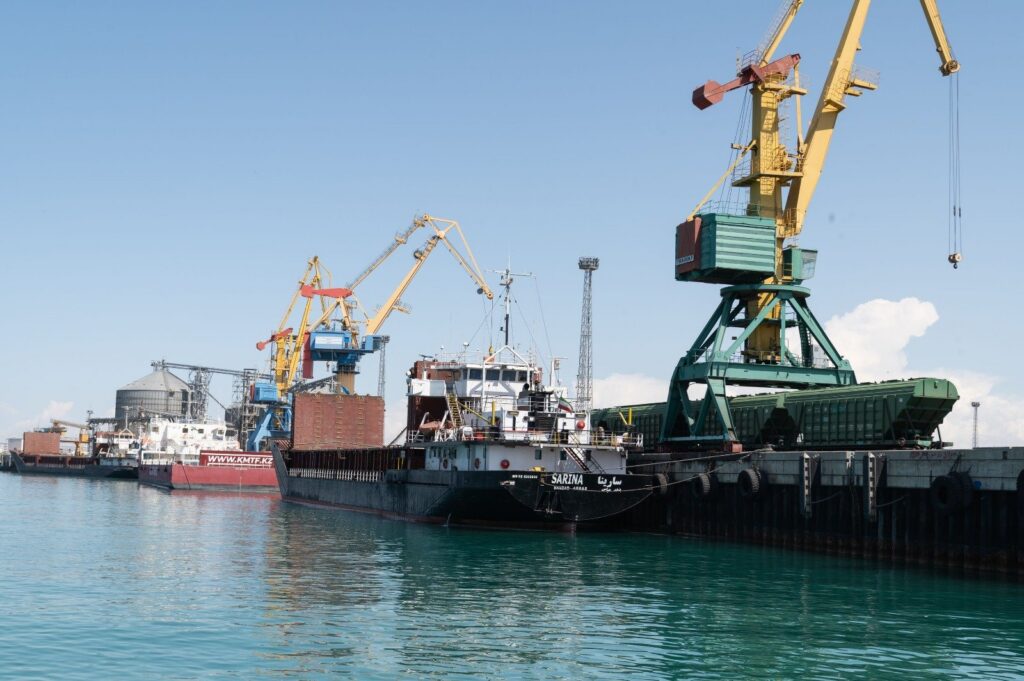
Kazakhstan’s national railway operator, Kazakhstan Temir Zholy (KTZ), is moving to build its own maritime fleet to expand the Trans-Caspian International Transport Route (TITR). Also known as the Middle Corridor, the TITR is a multimodal transport corridor linking China and Europe through Central Asia and the South Caucasus, offering an alternative to routes that pass through Russia. KTZ Express Shipping, a subsidiary of KTZ, has signed contracts for the construction of six general-purpose dry cargo container ships. Agreements have been concluded with China’s Jiangsu Haizhongzhou Shipping Industry Co., Ltd. for the construction of four vessels and with Azerbaijan’s Baku Shipyard for the construction of two. The vessels will be river-sea ships with a deadweight of up to 9,900 tons and a capacity of up to 537 TEUs, adapted for operations on both the Caspian and Black Sea routes. This is expected to support the integration of the maritime segment into the TITR’s multimodal logistics chain. The ships will be equipped with modern navigation systems in line with international requirements and environmental standards. Their safety, reliability, and environmental performance are expected to enhance their suitability for international routes and increase confidence among global shippers. The project is intended to give Kazakhstan a larger role in the TITR by establishing a sustainable maritime component of the route. Kazakhstan’s maritime transport sector has recorded steady growth in recent years. In 2025, maritime cargo volumes reached 8 million tons, a 7% increase compared to 2024. Container traffic through Kazakh seaports rose by 29% to 90,637 TEUs, while cargo volumes transported along the TITR increased by 36%. Under the country’s comprehensive maritime infrastructure development plan for 2024-2028, Kazakhstan intends to establish a major transport and logistics cluster based on the ports of Aktau and Kuryk. The plan includes expanding container handling capacity, developing cargo terminals and international shipping logistics, and reducing administrative barriers. By 2028, total cargo throughput at the ports is expected to increase by 50%, while container handling volumes are projected to triple. Plans are also in place to increase container traffic along the TITR, including the transit of 600 container trains from China through Kazakhstan this year. As previously reported by The Times of Central Asia, freight volumes transported along the Middle Corridor through Kazakhstan have grown more than five times over the past seven years, increasing from 0.8 million tonnes to 4.5 million tonnes annually.

New Port in Mangystau: Strategic Asset or Risk of Overcapacity?

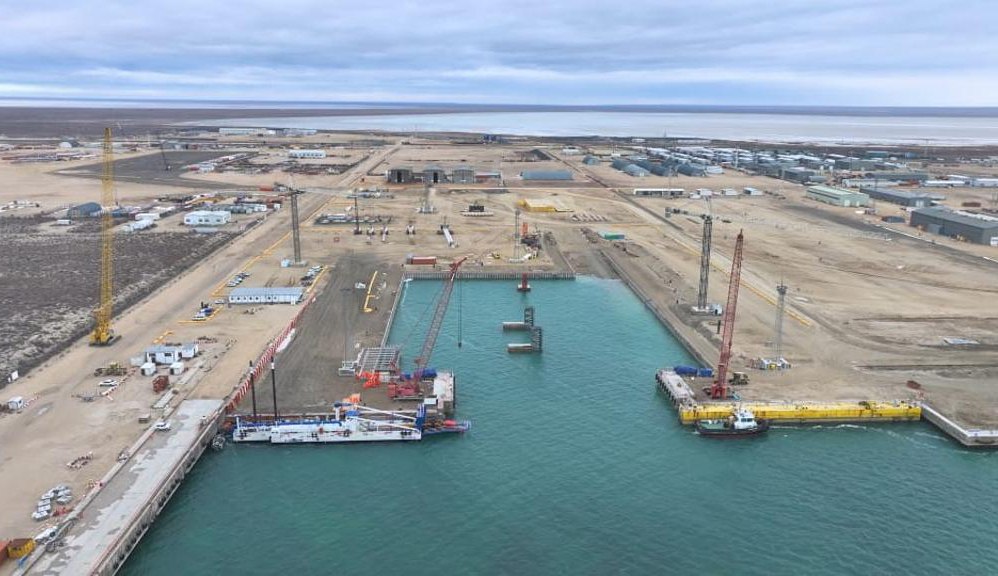
Kazakhstan has announced plans to build a new seaport in the Mangystau region, presenting the initiative as a strategic move to strengthen the country's role in the East-West transit corridor. However, with existing Caspian ports in Aktau and Kuryk operating at less than one-third of their capacity, questions are being asked about whether the project addresses actual logistical needs or merely redistributes existing cargo flows. Kazakhstan’s current maritime infrastructure on the Caspian Sea includes the ports of Aktau and Kuryk, which together have a combined throughput capacity of over 27 million tons per year. Yet, in the first nine months of 2025, transshipment volume stood at only 6 million tons, despite a 9% year-on-year increase, placing current utilization at roughly 30%. Despite this, authorities in the Mangystau region argue that the proposed port in Karakiya district will boost national transit capacity, shorten delivery times on the China-Europe route by 7-15 days, and reduce logistics costs by 18-25%. The port’s design capacity is projected at 20 million tons annually. Proponents of the project cite periodic bottlenecks at Aktau and Kuryk, such as temporary loading restrictions and railcar congestion, as justification for new infrastructure. Still, forecasts from international institutions suggest that freight volume on the Trans-Caspian route could reach 10-11 million tons by 2030, while the eastern branch of the North-South corridor may handle up to 24.7 million tons. In light of these projections, some question whether expanding and modernizing existing facilities might be a more cost-effective solution. Indeed, upgrades are already underway. The container hub in Aktau is set to increase capacity to 250,000 TEU, while the multifunctional Sarzha terminal in Kuryk is expected to handle up to 12 million tons annually, developments that could significantly enhance throughput without requiring large-scale capital investment. Investment details are also attracting scrutiny. The new port’s estimated construction cost is $300 million, with several Chinese companies, owners of cargo bases and logistics assets, lined up as investors. Observers warn this could lead to a shift in transit flows in favor of the new facility, undermining existing ports in a scenario of economic “cannibalization.” There are also concerns about whether concession agreements might include compensation clauses for underutilized capacity, placing additional financial risk on the state. The project is slated to unfold in three phases: construction from 2025 to 2027; joint operation with Chinese partners from 2028 to 2037; and a phased transfer of management to the Kazakh side after 2038. The development is expected to create more than 2,000 jobs and will feature a railway connection and automated container terminal. In parallel, regional authorities are exploring maritime tourism as a complementary development strategy. Plans include launching Caspian Sea cruise routes and enhancing passenger facilities at the port of Kuryk, with a goal of attracting up to 625,000 tourists annually by 2028, envisioning a synergistic effect for the broader transport sector. While Mangystau has the potential to emerge as a key logistics hub in Central Asia, the success of the new port will hinge not on...

Kazakhstan Deepens Kuryk Port on Trans-Caspian Transport Corridor

Kazakhstan has launched a strategic dredging project at the ERSAI industrial port, part of the Caspian Sea’s Kuryk Port, aimed at boosting its cargo-handling capacity and reinforcing its role as a key transit hub along the Trans-Caspian International Transport Route (TITR). Also known as the Middle Corridor, the TITR connects China to Europe via Central Asia and the South Caucasus. According to the Ministry of Transport, the project will deepen the port’s waters and approach channel to five meters, enabling year-round navigation. The initiative is fully financed by ERSAI, which is constructing its own Cutter Suction Dredger (CSD 650), named ERSAI 5, to carry out the dredging works between January and June 2026. Dredging is a core component of ERSAI’s broader expansion strategy, which also includes launching a new container terminal and expanding shipbuilding and repair operations. Located on the eastern coast of the Caspian Sea, south of the Aktau port, Kuryk’s ferry complex handles a variety of cargo, including grain, oil products, fertilizers, and chemicals. However, falling water levels in the Caspian have forced vessels to operate below full capacity to avoid grounding. As of early 2025, the Caspian Sea’s water level had declined by roughly two meters since 2006, posing growing challenges for Kazakhstan’s maritime logistics. In response, Kazakhstan has prioritized dredging efforts. In May 2025, the Ministry of Transport began deepening the Aktau port by 1.5 to 2 meters to expand its terminal capacity. Kuryk has already undergone a previous phase of deepening, completed in November 2024, which increased the port’s depth to 7-8 meters. The latest dredging project reflects Kazakhstan’s broader strategy to strengthen its maritime infrastructure and maintain the competitiveness of its ports amid shifting environmental and logistical conditions in the Caspian region.