• KGS/USD = 0.01143 0%
  • KZT/USD = 0.00216 0%
  • TJS/USD = 0.10633 -0.28%
  • UZS/USD = 0.00008 0%
  • TMT/USD = 0.28571 0%
  • KGS/USD = 0.01143 0%
  • KZT/USD = 0.00216 0%
  • TJS/USD = 0.10633 -0.28%
  • UZS/USD = 0.00008 0%
  • TMT/USD = 0.28571 0%
  • KGS/USD = 0.01143 0%
  • KZT/USD = 0.00216 0%
  • TJS/USD = 0.10633 -0.28%
  • UZS/USD = 0.00008 0%
  • TMT/USD = 0.28571 0%
  • KGS/USD = 0.01143 0%
  • KZT/USD = 0.00216 0%
  • TJS/USD = 0.10633 -0.28%
  • UZS/USD = 0.00008 0%
  • TMT/USD = 0.28571 0%
  • KGS/USD = 0.01143 0%
  • KZT/USD = 0.00216 0%
  • TJS/USD = 0.10633 -0.28%
  • UZS/USD = 0.00008 0%
  • TMT/USD = 0.28571 0%
  • KGS/USD = 0.01143 0%
  • KZT/USD = 0.00216 0%
  • TJS/USD = 0.10633 -0.28%
  • UZS/USD = 0.00008 0%
  • TMT/USD = 0.28571 0%
  • KGS/USD = 0.01143 0%
  • KZT/USD = 0.00216 0%
  • TJS/USD = 0.10633 -0.28%
  • UZS/USD = 0.00008 0%
  • TMT/USD = 0.28571 0%
  • KGS/USD = 0.01143 0%
  • KZT/USD = 0.00216 0%
  • TJS/USD = 0.10633 -0.28%
  • UZS/USD = 0.00008 0%
  • TMT/USD = 0.28571 0%

Viewing results 1 - 6 of 3

Kyrgyzstan Launches “Mekenim 1+1” Program to Support Returning Migrants

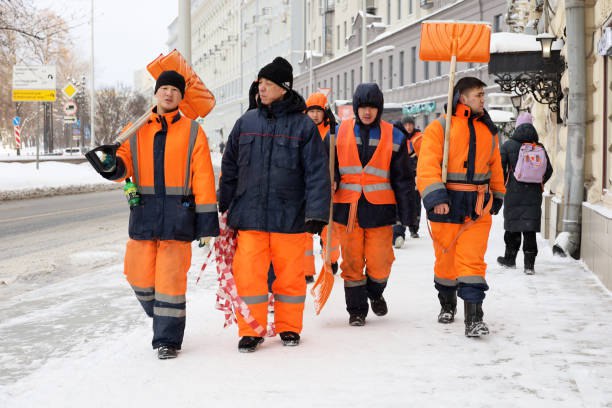
Kyrgyzstan’s Ministry of Labor, Social Security and Migration has launched a new pilot initiative, Mekenim 1+1 (“My Homeland 1+1”), aimed at helping returning labor migrants reintegrate into the national economy by co-investing in local business ventures. The program introduces a matching investment model: for every som invested by a returning migrant, the state will provide a concessional loan of equal value. The combined funds must be used to start businesses in priority sectors including light industry, tourism, education, IT and innovation, manufacturing and processing, transport, warehousing, and logistics. The pilot phase will run from 2025 to 2026 in the Batken region, a remote area with high levels of labor migration. If successful, the program will be scaled up nationwide. Russia remains the primary destination for Kyrgyz labor migrants. As previously reported by The Times of Central Asia, approximately 600,000 Kyrgyz citizens currently live abroad, with nearly 380,000 registered with Russian migration authorities as of the end of 2024. However, Russia’s ongoing economic challenges, restrictive immigration policies, and rising anti-immigrant sentiment are prompting many Kyrgyz migrants to explore alternatives in countries such as Turkey, South Korea, and various parts of Europe. At the same time, a growing number are returning to Kyrgyzstan, making reintegration efforts like Mekenim 1+1 increasingly timely and significant.

Russia Remains Top Destination for 600,000 Kyrgyz Migrant Workers

A total of 600,000 Kyrgyz citizens are currently living abroad, with Russia remaining the primary destination for Kyrgyz labor migrants, Kyrgyzstan’s Deputy Minister of Labor, Social Security, and Migration, Bakyt Darmankul uulu, said at a press conference last week, citing data from the Russian Ministry of Internal Affairs​. As of the end of 2024, 379,949 Kyrgyz nationals were registered with Russian migration authorities. According to the Kyrgyz Ministry of Labor, the distribution of Kyrgyz migrants in other countries is as follows: Kazakhstan - approximately 70,000 Turkey - around 32,000 United States - about 40,000 South Korea - more than 17,000 Germany - about 15,000 United Arab Emirates (UAE) - more than 10,000​ The Role of Remittances in Kyrgyzstan’s Economy Labor migration remains a vital source of income for many Kyrgyz households, with remittances playing a crucial role in the country’s economic development. According to a recent World Bank report analyzing migration trends in Europe and Central Asia, remittances from labor migrants accounted for 24% of Kyrgyzstan’s GDP in 2024. The report also highlights that the poverty rate among Kyrgyz households with an international migrant is currently below 10% but would exceed 50% without remittances​. Shifting Migration Trends In recent years, many Kyrgyz and other Central Asian migrants have left Russia, due to the country’s economic downturn, stricter regulations, and rising anti-immigrant sentiment. As a result, an increasing number of migrants from Central Asia are opting for alternative destinations such as Turkey, South Korea, and various European countries​.

Kyrgyz Labor Migrants Confront Challenges in Europe

The Center for Employment of Kyrgyz Citizens Abroad has announced the launch of online registration for seasonal agricultural work in the United Kingdom. Alongside migration to Russia, Europe remains one of the most popular destinations for Kyrgyz workers. Tens of thousands of citizens seek employment in Europe, Turkey, and South Korea. However, despite the widely advertised benefits of working abroad, many migrants face significant challenges. According to the state portal migrant.kg, wages for seasonal agricultural work in the UK are set at £11.50 per hour, with a guaranteed minimum of 32 hours per week. Applicants must meet certain conditions, including being in satisfactory physical and psychological health and having at least a basic knowledge of Russian. The Kyrgyz government assures job seekers that employment under state-brokered contracts is free of charge and, most importantly, safe. Migrants are only required to cover the costs of their visa, insurance, and airfare. The Kyrgyz Ministry of Labor, Social Development, and Migration has previously signed agreements on labor migration with companies in the UK, Italy, and Slovakia, as well as with employers in South Korea. In addition to government initiatives, private agencies also facilitate job placements for Kyrgyz citizens abroad. The Times of Central Asia spoke with Rakhim Mirzyaev, a former labor migrant, about his experiences working in the European Union. “In general, Kyrgyz citizens are readily accepted in most EU countries. I worked in Poland for six months at a car parts factory, then moved to the Netherlands for agricultural work. Many people don’t realize it, but this type of labor can be brutal,” Mirzyaev told TCA. The cost of obtaining a visa, insurance, and airfare for his job in Poland totaled $750. “At the factory in Poland, we were paid hourly, only about $5 per hour. An inspector monitored our work every hour. Local regulations required us to meet specific production targets. If you failed to meet the quota, you were first fined, and then, if it continued, you could be fired,” he explained. According to Kyrgyz migrants, inflation has made it increasingly difficult to live and work in Europe. Rising food and housing costs leave little room for savings. Unlike international students, migrant workers receive no financial benefits or subsidies. Nutrition was another major challenge. Mirzyaev noted that adjusting to inexpensive European food was difficult for those accustomed to traditional Central Asian cuisine. “We mostly ate pasta because it was the cheapest option. If we spent money on better food, we wouldn’t be able to save anything to send home. I lost 20 kilograms in six months working at the factory in Poland,” he said. Many Kyrgyz migrants exchange job opportunities and experiences through online messaging groups. It was in one such group that Mirzyaev and a friend found an unofficial job opening in the Netherlands. However, without an official work permit, they faced even greater difficulties. “But in the Netherlands, we didn’t pass the probation period and were fired after three days. The job required us to work on a...