
• KGS/USD = 0.01144 0%
  • KZT/USD = 0.00203 0%
  • TJS/USD = 0.10832 0%
  • UZS/USD = 0.00008 0%
  • TMT/USD = 0.28571 0%
  • KGS/USD = 0.01144 0%
  • KZT/USD = 0.00203 0%
  • TJS/USD = 0.10832 0%
  • UZS/USD = 0.00008 0%
  • TMT/USD = 0.28571 0%
  • KGS/USD = 0.01144 0%
  • KZT/USD = 0.00203 0%
  • TJS/USD = 0.10832 0%
  • UZS/USD = 0.00008 0%
  • TMT/USD = 0.28571 0%
  • KGS/USD = 0.01144 0%
  • KZT/USD = 0.00203 0%
  • TJS/USD = 0.10832 0%
  • UZS/USD = 0.00008 0%
  • TMT/USD = 0.28571 0%
  • KGS/USD = 0.01144 0%
  • KZT/USD = 0.00203 0%
  • TJS/USD = 0.10832 0%
  • UZS/USD = 0.00008 0%
  • TMT/USD = 0.28571 0%
  • KGS/USD = 0.01144 0%
  • KZT/USD = 0.00203 0%
  • TJS/USD = 0.10832 0%
  • UZS/USD = 0.00008 0%
  • TMT/USD = 0.28571 0%
  • KGS/USD = 0.01144 0%
  • KZT/USD = 0.00203 0%
  • TJS/USD = 0.10832 0%
  • UZS/USD = 0.00008 0%
  • TMT/USD = 0.28571 0%
  • KGS/USD = 0.01144 0%
  • KZT/USD = 0.00203 0%
  • TJS/USD = 0.10832 0%
  • UZS/USD = 0.00008 0%
  • TMT/USD = 0.28571 0%

Viewing results 1 - 6 of 6

Kazakhstan Receives Foot-and-Mouth Disease-Free Status

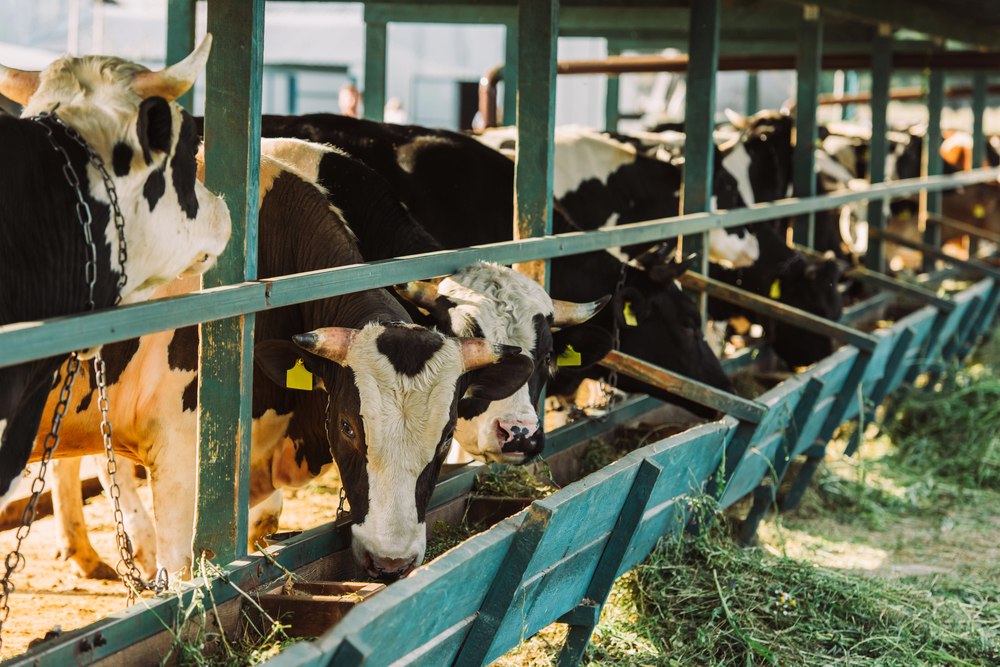
Kazakhstan has received international recognition from the World Organisation for Animal Health (WOAH) as having foot-and-mouth disease-free zones covering its entire territory, making it the only country in Central and East Asia with this status, according to Kazakhstan’s Ministry of Agriculture. The decision was adopted during the WOAH’s 93rd General Session in Paris. The certificate was presented to Kazakhstan's delegation on May 22. The status, granted to zones recognized as free from foot-and-mouth disease with vaccination, is considered one of the most important international veterinary certifications and can provide access to more profitable export markets for livestock products. Kazakhstan’s Ministry of Agriculture said the recognition was the result of a large-scale modernization of the country’s veterinary system and the restoration of international sanitary status for a number of animal diseases. Kazakhstan also annually confirms its official disease-free status for African horse sickness and classical swine fever, while maintaining WOAH self-declarations for highly pathogenic avian influenza and African swine fever. “Today, the entire territory of the country is covered by internationally recognized zones free from foot-and-mouth disease with vaccination, which is an important result of the state’s systematic work,” Agriculture Minister Aidarbek Saparov said. The new status is already contributing to the expansion of export markets for agricultural products from Kazakhstan, the ministry said. According to the Agriculture Ministry, China has opened its market to imports of slaughter cattle, beef hides, and poultry meat from Kazakhstan. Azerbaijan has authorized imports of camels, beef and lamb products, dairy goods, honey, and fish. Mongolia has opened its market to live small livestock, while Iraq has approved imports of cattle and sheep for slaughter. In addition, Georgia has authorized imports of cattle from Kazakhstan and small livestock, Iran has opened its market to hides and wool from hoofed animals, and the European Union has approved imports of honey from Kazakhstan. WOAH Director General Emmanuelle Soubeyran, during a meeting with Saparov, said Kazakhstan demonstrates a “consistent and systematic approach” to developing its veterinary services and implementing international standards. She also proposed that Astana share its experience in veterinary system modernization with other WOAH member states. The recognition comes amid growing agricultural exports from Kazakhstan. The Times of Central Asia previously reported that the country significantly increased exports of meat and livestock products in 2025.

Kazakhstan Ready to Become Key Food Hub in Eurasia

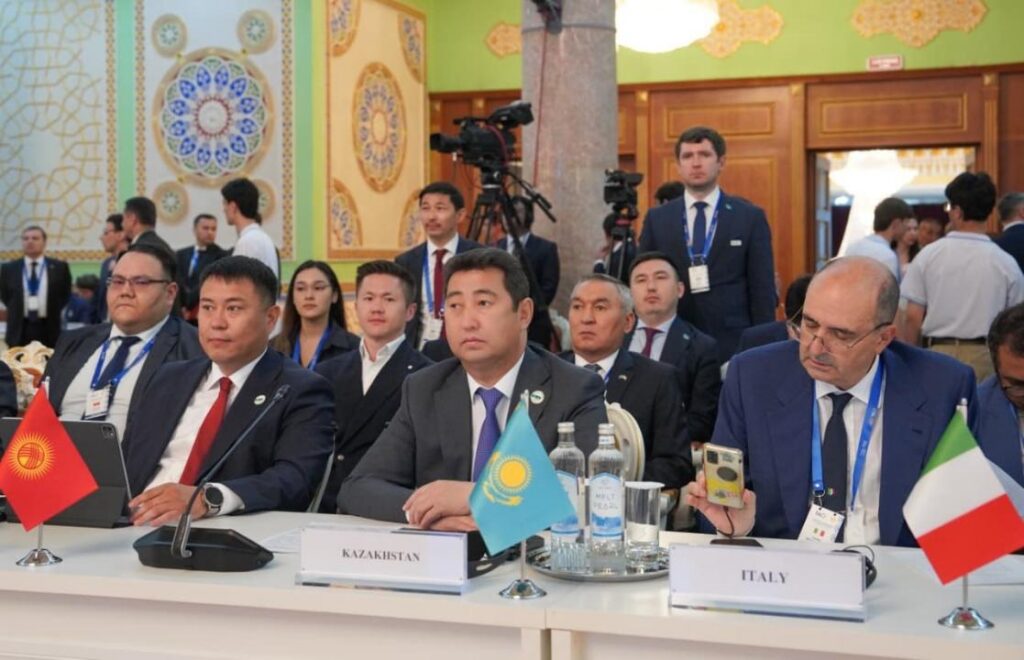
Tajikistan is hosting the 35th Session of the FAO Regional Conference for Europe from May 11 to 15, bringing together members of the Food and Agriculture Organization (FAO) of the United Nations from Europe and Central Asia for discussions on regional food security and agricultural development priorities. The conference has gathered agriculture ministers from Azerbaijan, Kazakhstan, Kyrgyzstan, Tajikistan, Turkmenistan, and Uzbekistan to address the most pressing challenges facing the sector, review FAO activities in Europe and Central Asia in 2024-2025, and outline priorities for 2026-2027. Speaking at the conference, Kazakhstan’s Minister of Agriculture Aidarbek Saparov said the country occupies a strategically important position in the global food security system and remains among the world’s leading grain producers. According to Saparov, Kazakhstan harvested around 27 million tons of grain for the second consecutive year in 2025, along with nearly 5 million tons of oilseeds and approximately 1 million tons of legumes. During the latest agricultural season, the country exported 15.3 million tons of grain. Kazakhstan currently ranks 10th globally in grain exports, second in flour exports, and eighth in sunflower oil exports, supplying agricultural products to around 50 countries. “Against the backdrop of population growth, climate change, and instability in global markets, food security is becoming a key factor in the sustainable development of states. Under these conditions, Kazakhstan is capable of occupying a strategic niche as a regional center for the production, storage, processing, and supply of grain products,” Saparov said. The minister added that Kazakhstan is implementing a comprehensive livestock development plan for 2026-2030 aimed at increasing livestock numbers and expanding the sector’s export potential. Saparov said Kazakhstan possesses the resources necessary to strengthen its position as one of Eurasia’s key food hubs and is prepared to ensure stable, rapid, and cost-effective supplies of grain and processed grain products to Central Asia, the Middle East, Europe, and other regions.