
• KGS/USD = 0.01144 0%
  • KZT/USD = 0.00205 0%
  • TJS/USD = 0.10685 -0.37%
  • UZS/USD = 0.00008 0%
  • TMT/USD = 0.28490 0%
  • KGS/USD = 0.01144 0%
  • KZT/USD = 0.00205 0%
  • TJS/USD = 0.10685 -0.37%
  • UZS/USD = 0.00008 0%
  • TMT/USD = 0.28490 0%
  • KGS/USD = 0.01144 0%
  • KZT/USD = 0.00205 0%
  • TJS/USD = 0.10685 -0.37%
  • UZS/USD = 0.00008 0%
  • TMT/USD = 0.28490 0%
  • KGS/USD = 0.01144 0%
  • KZT/USD = 0.00205 0%
  • TJS/USD = 0.10685 -0.37%
  • UZS/USD = 0.00008 0%
  • TMT/USD = 0.28490 0%
  • KGS/USD = 0.01144 0%
  • KZT/USD = 0.00205 0%
  • TJS/USD = 0.10685 -0.37%
  • UZS/USD = 0.00008 0%
  • TMT/USD = 0.28490 0%
  • KGS/USD = 0.01144 0%
  • KZT/USD = 0.00205 0%
  • TJS/USD = 0.10685 -0.37%
  • UZS/USD = 0.00008 0%
  • TMT/USD = 0.28490 0%
  • KGS/USD = 0.01144 0%
  • KZT/USD = 0.00205 0%
  • TJS/USD = 0.10685 -0.37%
  • UZS/USD = 0.00008 0%
  • TMT/USD = 0.28490 0%
  • KGS/USD = 0.01144 0%
  • KZT/USD = 0.00205 0%
  • TJS/USD = 0.10685 -0.37%
  • UZS/USD = 0.00008 0%
  • TMT/USD = 0.28490 0%

Viewing results 1 - 6 of 4

GSMA M360 Eurasia in Samarkand Highlights Push for Faster Digital Growth

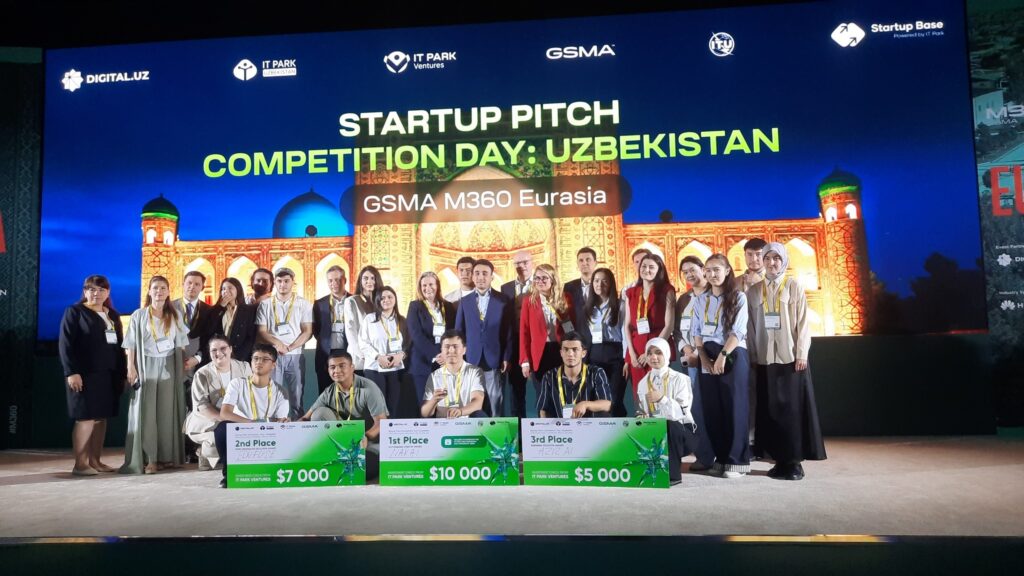
Government officials, telecom executives, investors and startup founders gathered in Samarkand this week for GSMA M360 Eurasia 2026, an event focused on one of the region’s biggest questions: how to turn expanding connectivity into long-term economic growth. Held on May 20-21, the summit brought together policymakers and technology companies to discuss artificial intelligence, 5G deployment, digital public services, investment and startup ecosystems. New data released by the GSMA during the event suggests the mobile industry is becoming an increasingly important economic engine across Eurasia. According to the newly published Mobile Economy Eurasia 2026 report, mobile technologies and services generated $270 billion in economic value across Eurasia in 2025, equivalent to 8.1% of regional GDP. That contribution is projected to reach $300 billion by 2030. Opening the event, John Giusti, Chief Regulatory Officer at the GSMA, said decisions made now on regulation, infrastructure and investment will shape Eurasia’s digital future. “The mobile industry is a powerful driver of growth across Eurasia, contributing around $270 billion to the regional economy today and set to reach $300 billion by 2030,” Giusti said during the keynote session. “Hosting M360 Eurasia in Samarkand is especially fitting. Uzbekistan’s rapid digital progress shows how mobile connectivity can modernize public services, boost productivity and improve lives across the region.” The GSMA report estimates that the mobile ecosystem supported approximately 750,000 jobs across Eurasia in 2025. By 2030, mobile’s economic contribution is expected to grow faster than overall regional GDP growth. Yet expansion remains uneven. Despite wider internet coverage, a significant usage gap persists: nearly 29% of people covered by mobile networks across Eurasia still do not use mobile internet. The report identified affordability, digital literacy and trust as the main barriers. [caption id="attachment_49256" align="aligncenter" width="2560"] Image: ТСА, Sadokat Jalolova[/caption] Uzbekistan’s 5G Push and Why 4G Still Matters One of the summit’s recurring themes was 5G deployment. The GSMA forecasts that by 2030, almost 30% of all mobile connections in Eurasia will use 5G technology. Uzbekistan is expected to exceed that average, with more than 40% of connections projected to run on 5G by the end of the decade. Still, Giusti cautioned against focusing exclusively on next-generation networks. In an interview with The Times of Central Asia, he said maintaining investment in existing technologies remains critical. “I think obviously Uzbekistan is leading in terms of 5G deployment,” Giusti said. “But I think it’s very important that we not lose sight of continued investment in 4G.” “We have a lot of 4G devices out there, and I think LTE is offering a huge amount of opportunity for citizens. So, I think it’s this complementary approach of making sure we invest both in the next generation of technology and continue to facilitate the growth of existing technologies.” His comments reflect a broader debate in emerging digital economies: whether governments and operators should prioritize cutting-edge infrastructure or maximize access through already established networks. For many consumers, especially outside major urban centers, 4G remains the primary gateway to digital services. Digital Services Beyond...


M360 Eurasia Opens in Tashkent with Emphasis on Digital Growth

The GSMA M360 Eurasia conference officially opened on May 21 in Tashkent, marking the event’s first ever appearance in Uzbekistan. The gathering brought together telecommunications leaders, digital experts, and policymakers to explore how mobile technologies can fuel economic development and enhance quality of life across Eurasia. A key highlight of the opening day was the launch of the GSMA Mobile Economy Eurasia 2025 report. According to the findings, mobile services and technologies contributed $220 billion to the Eurasian economy in 2024, equivalent to 7.7% of the region’s GDP. That figure is projected to rise to $270 billion by 2030, comprising 8.3% of GDP. GSMA Director General Vivek Badrinath addressed the opening ceremony, underscoring the economic impact of connectivity. “Connectivity is a powerful engine of economic growth and a catalyst for transforming businesses and public services across the region,” he said. Badrinath emphasized that mobile technologies are already driving efficiency across Eurasia and will play an even greater role in the years ahead. Bridging the Digital Divide The first day’s sessions focused on mobile internet expansion, 5G deployment, and the application of artificial intelligence (AI) in daily life. Speakers presented data and personal stories illustrating both achievements and obstacles. A recurring theme was the disparity between mobile coverage and actual usage. While mobile internet now reaches two-thirds of the population (164 million people), approximately 80 million individuals still do not use it, despite living in areas with available access. The gap, experts noted, stems from issues such as affordability, digital literacy, and lack of awareness. John Giusti, GSMA’s Chief Regulatory Officer, stressed the urgency of inclusive digital policies. “How do we ensure digital transformation benefits everyone? We cannot afford to leave anyone behind,” he said. Giusti praised Uzbekistan’s Digital 2030 strategy as a model, citing the rapid expansion of 5G to all regional centers, enhanced internet bandwidth, and improved governance. Uzbekistan has led the region in progressive spectrum policy, being the first to allocate the 700 MHz band for broadband and to distribute parts of the C-band at no cost, steps that accelerated the country’s 5G rollout. “Forward-looking policies like these enhance service quality and contribute to economic growth,” Giusti added. Digital Reform in Uzbekistan Sherzod Shermatov, Uzbekistan’s Minister of Digital Technologies, outlined the country’s transformation. “In 2017, internet access was limited, expensive, and unavailable in many areas. Today, every school, hospital, and remote village has internet access,” he said. “Our focus is not just on availability, but also on affordability and quality.” Shermatov detailed the government’s efforts to digitize public services, support IT businesses through tax incentives, and upskill the workforce. “We are creating an environment where digital businesses can thrive,” he said, adding that the number of tech companies per million people has more than tripled since 2017. The minister also highlighted new services for persons with disabilities and the expansion of digital public services, reinforcing the country’s commitment to inclusive digital development. Showcasing Innovation A standout feature of the conference was the GSMA Foundry demo pod, which showcased...