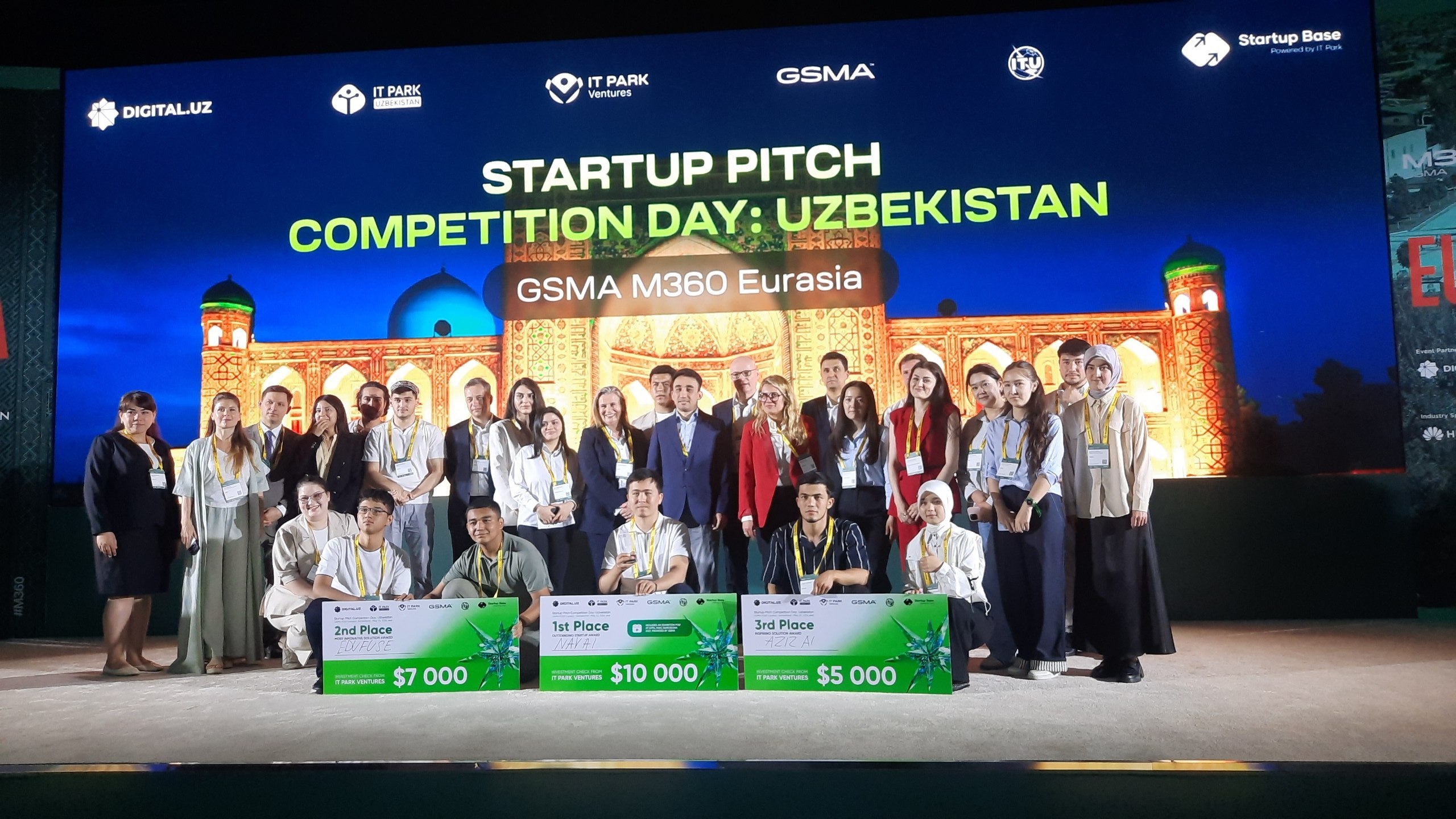
Government officials, telecom executives, investors and startup founders gathered in Samarkand this week for GSMA M360 Eurasia 2026, an event focused on one of the region’s biggest questions: how to turn expanding connectivity into long-term economic growth.
Held on May 20-21, the summit brought together policymakers and technology companies to discuss artificial intelligence, 5G deployment, digital public services, investment and startup ecosystems. New data released by the GSMA during the event suggests the mobile industry is becoming an increasingly important economic engine across Eurasia.
According to the newly published Mobile Economy Eurasia 2026 report, mobile technologies and services generated $270 billion in economic value across Eurasia in 2025, equivalent to 8.1% of regional GDP. That contribution is projected to reach $300 billion by 2030.
Opening the event, John Giusti, Chief Regulatory Officer at the GSMA, said decisions made now on regulation, infrastructure and investment will shape Eurasia’s digital future.
“The mobile industry is a powerful driver of growth across Eurasia, contributing around $270 billion to the regional economy today and set to reach $300 billion by 2030,” Giusti said during the keynote session. “Hosting M360 Eurasia in Samarkand is especially fitting. Uzbekistan’s rapid digital progress shows how mobile connectivity can modernize public services, boost productivity and improve lives across the region.”
The GSMA report estimates that the mobile ecosystem supported approximately 750,000 jobs across Eurasia in 2025. By 2030, mobile’s economic contribution is expected to grow faster than overall regional GDP growth.
Yet expansion remains uneven.
Despite wider internet coverage, a significant usage gap persists: nearly 29% of people covered by mobile networks across Eurasia still do not use mobile internet. The report identified affordability, digital literacy and trust as the main barriers.
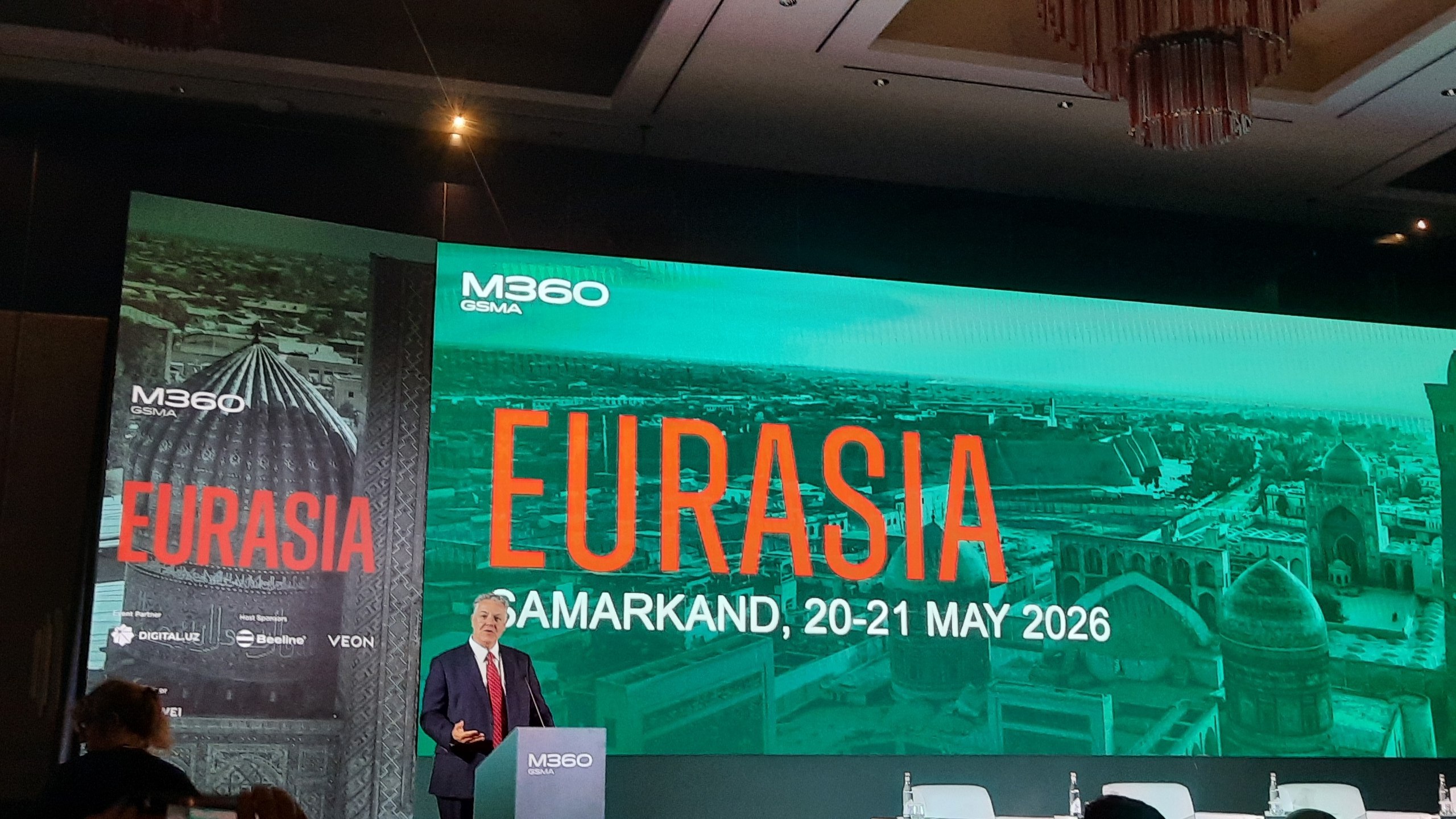
Image: ТСА, Sadokat Jalolova
Uzbekistan’s 5G Push and Why 4G Still Matters
One of the summit’s recurring themes was 5G deployment.
The GSMA forecasts that by 2030, almost 30% of all mobile connections in Eurasia will use 5G technology. Uzbekistan is expected to exceed that average, with more than 40% of connections projected to run on 5G by the end of the decade.
Still, Giusti cautioned against focusing exclusively on next-generation networks.
In an interview with The Times of Central Asia, he said maintaining investment in existing technologies remains critical.
“I think obviously Uzbekistan is leading in terms of 5G deployment,” Giusti said. “But I think it’s very important that we not lose sight of continued investment in 4G.”
“We have a lot of 4G devices out there, and I think LTE is offering a huge amount of opportunity for citizens. So, I think it’s this complementary approach of making sure we invest both in the next generation of technology and continue to facilitate the growth of existing technologies.”
His comments reflect a broader debate in emerging digital economies: whether governments and operators should prioritize cutting-edge infrastructure or maximize access through already established networks.
For many consumers, especially outside major urban centers, 4G remains the primary gateway to digital services.
Digital Services Beyond Telecom
Executives attending the event also emphasized that future growth in the sector may depend less on connectivity itself and more on the services built around it.
Kaan Terzioglu, Chief Executive Officer of VEON Group, said companies increasingly follow customer behavior when deciding where to invest.
Asked which sectors may drive the next phase of growth in Uzbekistan, Terzioglu pointed to healthcare, education, cloud technologies, AI, finance, and entertainment.
“First of all, we have to focus on what matters,” he told TCA. “What matters is the customers.”
“People use technologies for healthcare, they use it for education, they use it for financial services. Enterprises use cloud technologies to become more productive.”
He said those needs explain VEON’s investment priorities.
“That’s why you see us investing in entertainment, digital banking, healthcare, education, cloud services, and AI,” Terzioglu said. “Those are the areas where we believe there’s a huge opportunity for Uzbekistan to grow.”
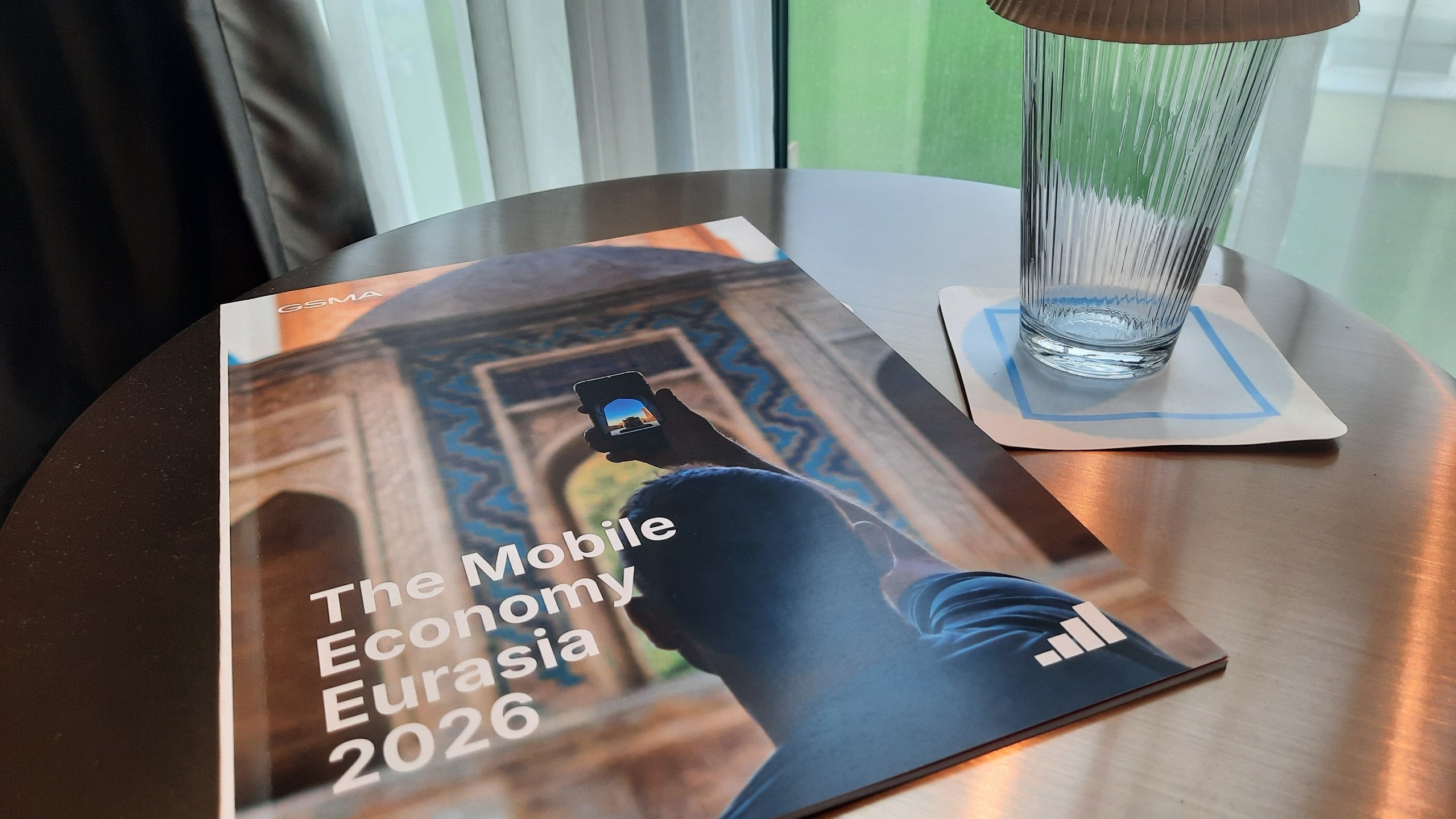
Image: TCA, Sadokat Jalolova
Uzbekistan Defends Its Digital Record
Officials from Uzbekistan used the summit to highlight the country’s recent digital achievements.
Sherzod Shermatov, Uzbekistan’s Minister of Digital Technologies, rejected suggestions that implementation challenges are slowing the country’s transformation.
“First of all, let’s check the numbers,” Shermatov said in an interview with TCA. “Uzbekistan has the highest growth rate in the ICT field among all former Soviet countries.”
Shermatov’s comments come amid growing international recognition of Uzbekistan’s startup sector. According to StartupBlink’s Global Startup Ecosystem Index 2026, Uzbekistan was named Country of the Year after recording 227.3% growth in its startup ecosystem, the fastest growth rate globally. The country climbed 19 places to rank 79th worldwide, while Tashkent overtook Almaty to become Central Asia’s highest-ranked startup city.
Uzbekistan also ranked first in the region in sectors including EdTech and artificial intelligence, reflecting the country’s broader push toward digital transformation and innovation.
Shermatov said digital transformation extends beyond technology adoption and increasingly depends on skills.
“The most important challenge we are facing is how to bring more of our youth to better use of digital tools, so they are able to earn a living,” he said.
According to Shermatov, government initiatives now focus heavily on education, including AI and language training.
“We are promoting mass education among youth, we are implementing the ‘5 Million AI Leaders’ program, and we are promoting foreign language education among youth as well,” he said.
“If our youth are well-motivated and learning foreign languages and modern skills, I think this will be a real catalyst for further accelerating digital transformation in Uzbekistan.”
Startups Compete for Investors on International Stage
While ministers and executives discussed policy, younger entrepreneurs presented solutions aimed at practical problems in recruitment, education, and customer service.
M360 Eurasia hosted Pitch Day: Uzbekistan, organized jointly by IT Park Uzbekistan, IT Ventures, the International Telecommunication Union, and GSMA. The competition allowed startups to present projects to investors.
The winning team received a $10,000 prize and exhibition space at 4YFN during MWC27 Barcelona.
The AI voice-technology startup NavAI took first place, followed by the education platform EduFuse and the recruitment tool AzizAI.
Sardor Davlatov, CEO and co-founder of NavAI, said the startup focuses on automating customer support through AI voice agents.
“NavAI is an AI voice technology company,” Davlatov said. “We optimize call centers and provide customer service and customer support.”
According to Davlatov, AI agents answer questions around the clock and transfer complex cases to human operators.
“We have AI voice agents that answer instantly 24/7 without delays and without breaks,” he said.
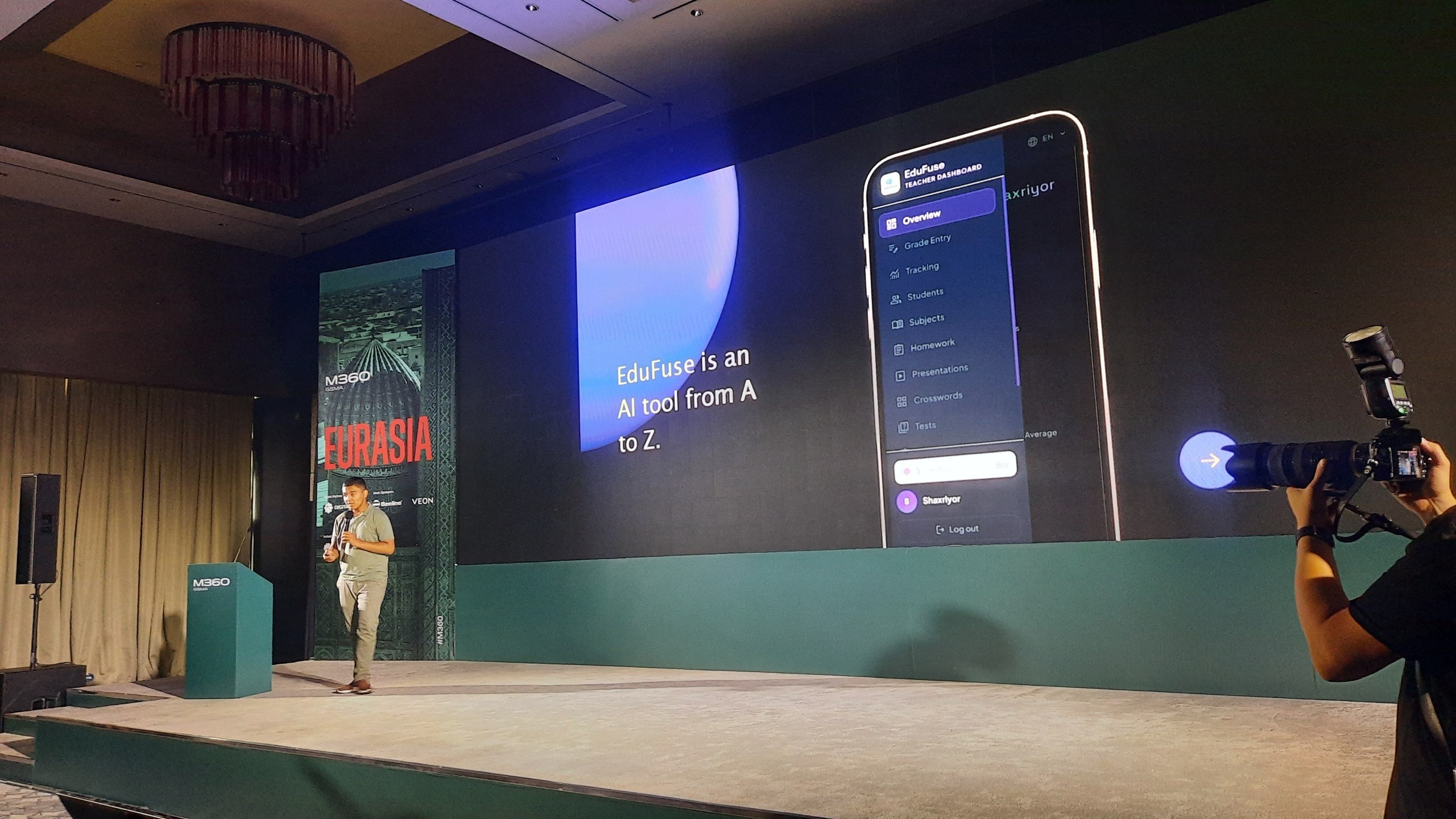
Image: ТСА, Sadokat Jalolova
A 15-Year-Old Founder Takes Second Place
Among the youngest participants was Shakhriyor Abdirashitov, a 15-year-old student at Samarkand Presidential School and founder of EduFuse.
His startup develops AI-supported educational tools designed to centralize online classrooms.
“Our startup solves the problem that online classrooms are not centralized and there are no AI tools for online classrooms,” Abdirashitov said.
EduFuse includes tools for assignments, exams, classroom management, and university preparation.
Abdirashitov said he launched the company in 2023 and later secured investment through Uzbekistan’s startup ecosystem.
“In 2024, we closed our first investment deal with IT Park Ventures,” he said. “We raised $10,000 in our pre-seed round.”
He described winning second place at M360 Eurasia as another step toward attracting investment.
AzizAI Targets Recruitment in Central Asia
Third-place winner AzizAI focuses on hiring processes. Founder Jorabek Tojiddinov said the company automates recruitment screening for enterprises across Central Asia.
“We built AzizAI for Central Asian companies,” Tojiddinov said. “AzizAI is an AI recruiter, and we automate the entire screening pipeline.”
The startup launched nine months ago and already works with companies in Uzbekistan and Kazakhstan, according to the founder. Tojiddinov said AzizAI currently serves around 25 companies and generates monthly recurring revenue of approximately $7,000. The company plans to expand into additional Central Asian markets.
“Currently we’ve raised $100,000,” he said. “In the next 18 months we will scale our project.”
Asked what motivated him to build a startup, Tojiddinov emphasized risk-taking.
“You don’t have money, but you will build a unicorn,” he said. “I like the risk. This pushed me to create a startup.”
A Regional Ambition Centered in Samarkand
This year’s M360 Eurasia marked the second year of cooperation between GSMA, Uzbekistan’s Ministry of Digital Technologies, Beeline Uzbekistan, and VEON Group.
The discussions in Samarkand showed broad agreement that connectivity alone will not determine Eurasia’s digital future. Investment in infrastructure, digital skills, AI adoption, startup ecosystems and practical services may prove equally important.
As Eurasia moves toward a projected $300 billion mobile economy, governments and companies across the region face a common challenge: translating technological growth into wider economic opportunity.