
• KZT/USD = 0.00210
  • TJS/USD = 0.10800
  • UZS/USD = 0.00008
  • TMT/USD = 0.29850
  • KZT/USD = 0.00210
  • TJS/USD = 0.10800
  • UZS/USD = 0.00008
  • TMT/USD = 0.29850
  • KZT/USD = 0.00210
  • TJS/USD = 0.10800
  • UZS/USD = 0.00008
  • TMT/USD = 0.29850
  • KZT/USD = 0.00210
  • TJS/USD = 0.10800
  • UZS/USD = 0.00008
  • TMT/USD = 0.29850
  • KZT/USD = 0.00210
  • TJS/USD = 0.10800
  • UZS/USD = 0.00008
  • TMT/USD = 0.29850
  • KZT/USD = 0.00210
  • TJS/USD = 0.10800
  • UZS/USD = 0.00008
  • TMT/USD = 0.29850
  • KZT/USD = 0.00210
  • TJS/USD = 0.10800
  • UZS/USD = 0.00008
  • TMT/USD = 0.29850
  • KZT/USD = 0.00210
  • TJS/USD = 0.10800
  • UZS/USD = 0.00008
  • TMT/USD = 0.29850

Viewing results 1 - 6 of 2

UNESCO Adds Mangystau Rock Mosques to World Heritage List

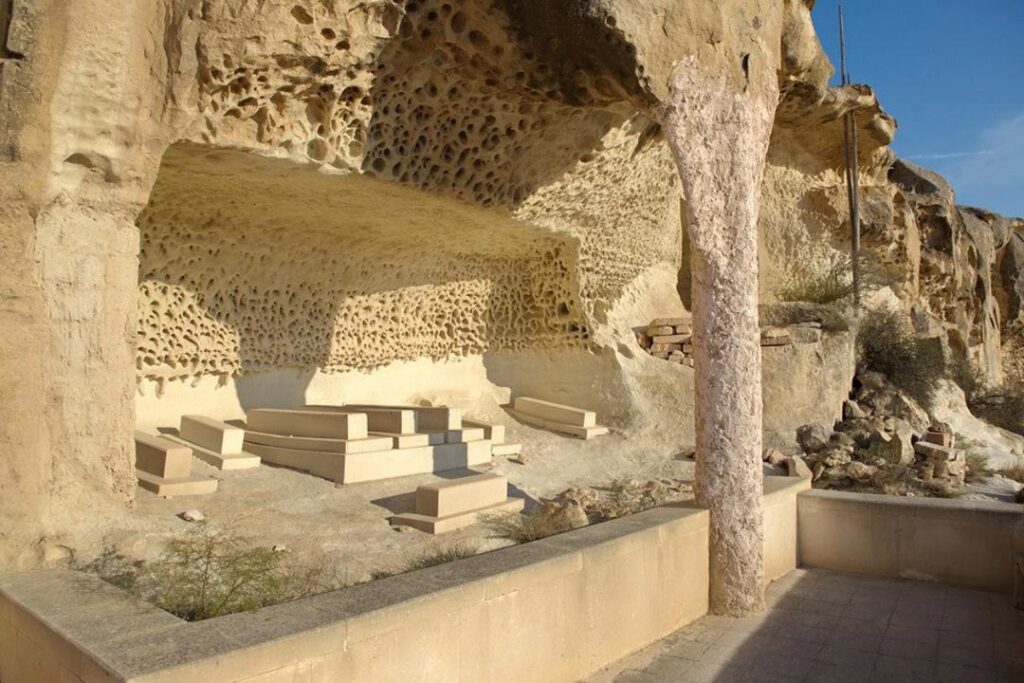
UNESCO has inscribed the Rock Mosques and Associated Sacred Sites of Mangystau on its World Heritage List, following a decision adopted during the 48th session of the World Heritage Committee in Busan, South Korea, Kazakhstan’s Ministry of Culture and Information said. The same session also inscribed Tashkent Modernist Architecture, giving Central Asia two new cultural inscriptions. The serial property, located on the Mangystau Peninsula bordering the Caspian Sea, comprises five sacred complexes: Beket-Ata, Shopan-Ata, Karaman-Ata, Shakpak-Ata, and Sultan-Epe. According to the World Heritage Committee, the site represents an outstanding sacred landscape shaped by centuries of interaction between Sufi spiritual traditions and the culture of the region’s nomadic communities. Each complex combines rock-cut mosques, historic necropolises, burial sites of revered Sufi figures, pilgrimage routes, sacred wells, and other religious monuments. The inscription makes the Mangystau complexes Kazakhstan’s seventh World Heritage property. The country’s previously inscribed sites are the Mausoleum of Khoja Ahmed Yasawi, the Petroglyphs of the Archaeological Landscape of Tanbaly, Saryarka – Steppe and Lakes of Northern Kazakhstan, the Kazakh section of the transnational Silk Roads: the Routes Network of Chang’an-Tianshan Corridor, the transboundary Western Tien-Shan site, and the Cold Winter Deserts of Turan, shared with Turkmenistan and Uzbekistan. The rock mosques remain active pilgrimage destinations where the centuries-old institution of the shyrakshy, or custodians of sacred sites, continues to play an important role. All five complexes are protected by the state and are included in Kazakhstan’s national register of historical and cultural monuments. An Integrated Management Plan for 2027–2032 covers conservation, landscape protection, visitor management, disaster risk management, and research. UNESCO’s conservation recommendations also call for Kazakhstan to reassess the use of cement mortar and other modern materials, strengthen monitoring of tourism and disaster risks, and preserve the secluded character of the sites. The Times of Central Asia previously reported that Zharkent Mosque and the Ascension Cathedral in Almaty had been added to UNESCO’s Tentative World Heritage List, expanding the pipeline of Kazakh sites that could be considered for future inscription.

Kazakhstan’s Ancient Karakabak Reveals New Silk Road Links

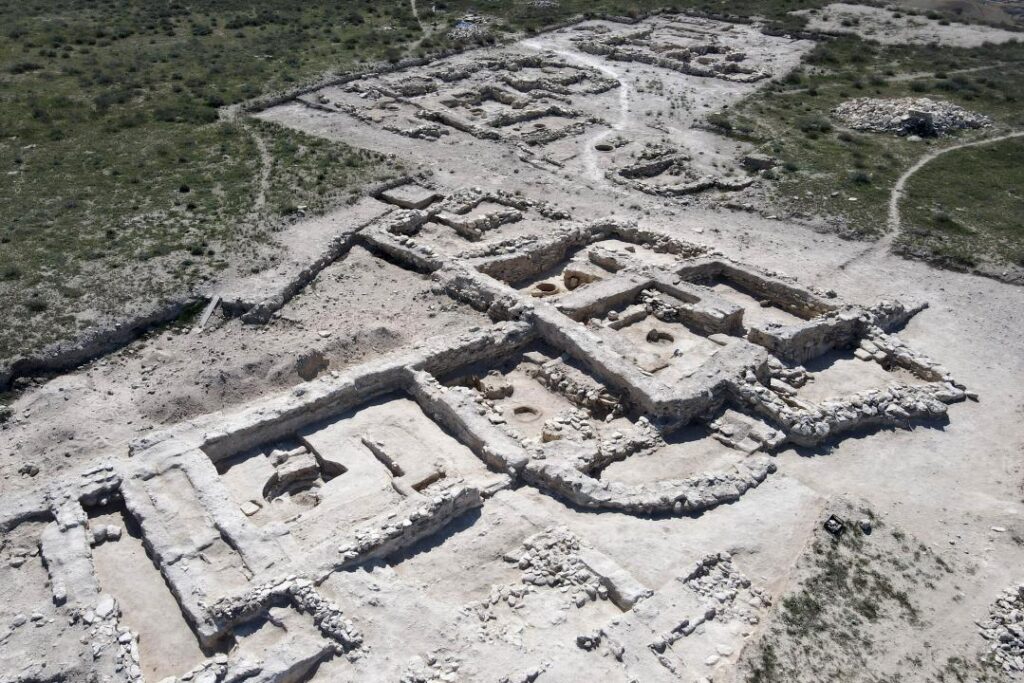
Archaeologists studying the ancient settlement of Karakabak in Kazakhstan’s Mangistau Region say new findings show the site was part of ancient trade routes linking East and West. The archaeological site is located in Tupkaragan District on the Caspian Sea coast and dates to the 1st to 6th centuries AD. It was first discovered in 2006 during the compilation of Mangistau’s official register of historical monuments by the Mangistau State Historical and Cultural Reserve. Since 2022, excavations and research at Karakabak have been carried out by the Margulan Institute of Archaeology. Researchers have published 24 academic works based on materials from the site, including three monographs and nine articles indexed in the Scopus database. The site was recently visited by scientists and archaeologists working on projects to develop Mangistau’s tourism potential. During the field visit, participants reviewed excavation results and discussed additional research, as well as possible inclusion of Karakabak in regional tourism routes. According to researchers, Karakabak served for several centuries as a center of craft production and trade. Finds point to metallurgy, jewelry-making, glassmaking, and ceramic production. Archaeologists have uncovered locally produced goods as well as imported materials from across Eurasia. [caption id="attachment_50477" align="aligncenter" width="1087"] @gov.kz[/caption] “Of particular scientific interest is a collection of more than 150 coins dating from the 1st century to the first half of the 6th century AD,” archaeologist Andrey Astafyev said. “Among them are issues from Parthia, Ancient Khorezm, Bukhara Sogd, Sasanian Iran, the Kushano-Sasanian state, the Byzantine Empire and China. These finds confirm Karakabak’s active participation in the international trade and economic networks of its time.” Scholars now regard Karakabak as a major ancient trade and transport hub. Researchers believe one branch of the Silk Road may have passed through Mangistau, connecting Central Asia, the Caspian region, and Eastern Europe. Researchers are also studying a possible Azov-Caspian trade corridor that was previously unknown. Based on the findings, Karakabak may have been one of the centers in this network. Evidence points to contacts with the North Caucasus, the Azov region, the Lower and Middle Volga, the Southern Urals, as well as states in Central Asia and the Middle East. “Karakabak allows us to look at the history of Mangistau and Kazakhstan’s place in ancient international communications from a new perspective,” Astafyev said. “The archaeological evidence confirms that this region served for centuries as an important link in trade routes connecting East and West.” The recent discovery of an ancient jug, preliminarily dated to the 6th century AD, has drawn additional attention to the site. Specialists hope its study will provide new insights into the daily life and craft traditions of the settlement’s inhabitants. Researchers are also exploring a possible connection between Karakabak and the ancient city of Aspabota, which was marked on the maps of Greek geographer Claudius Ptolemy as a settlement on the eastern Caspian coast. [caption id="attachment_50478" align="aligncenter" width="720"] @gov.kz[/caption] Scholars say discoveries in recent years have expanded understanding of Mangistau’s historical importance. They confirm that the region was part of trade...