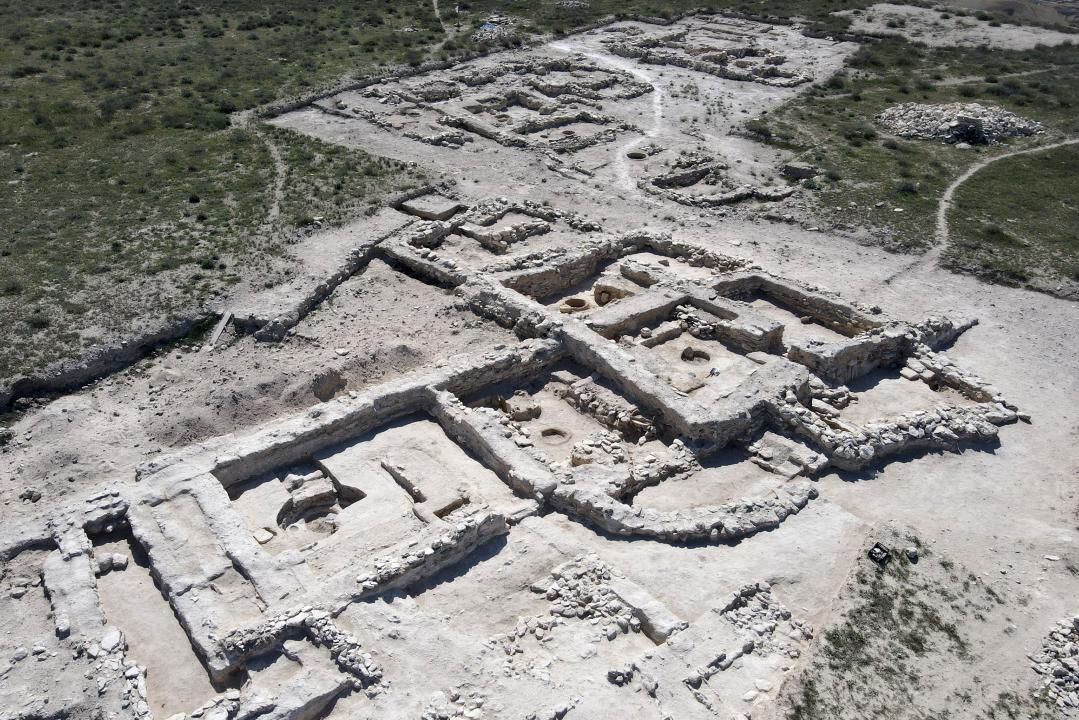
Archaeologists studying the ancient settlement of Karakabak in Kazakhstan’s Mangistau Region say new findings show the site was part of ancient trade routes linking East and West.
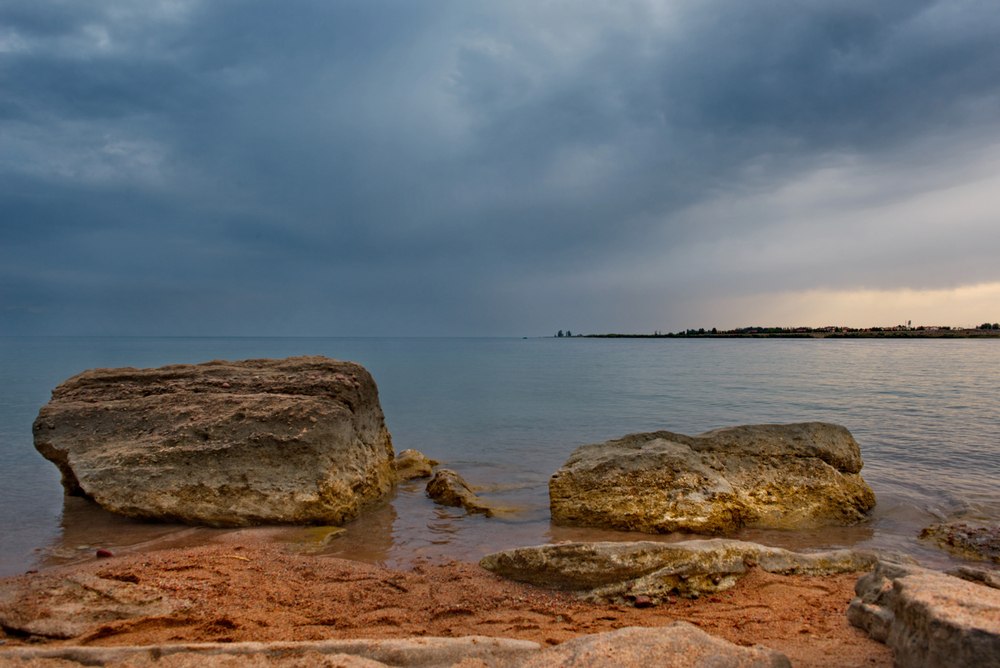
The archaeological site is located in Tupkaragan District on the Caspian Sea coast and dates to the 1st to 6th centuries AD. It was first discovered in 2006 during the compilation of Mangistau’s official register of historical monuments by the Mangistau State Historical and Cultural Reserve.
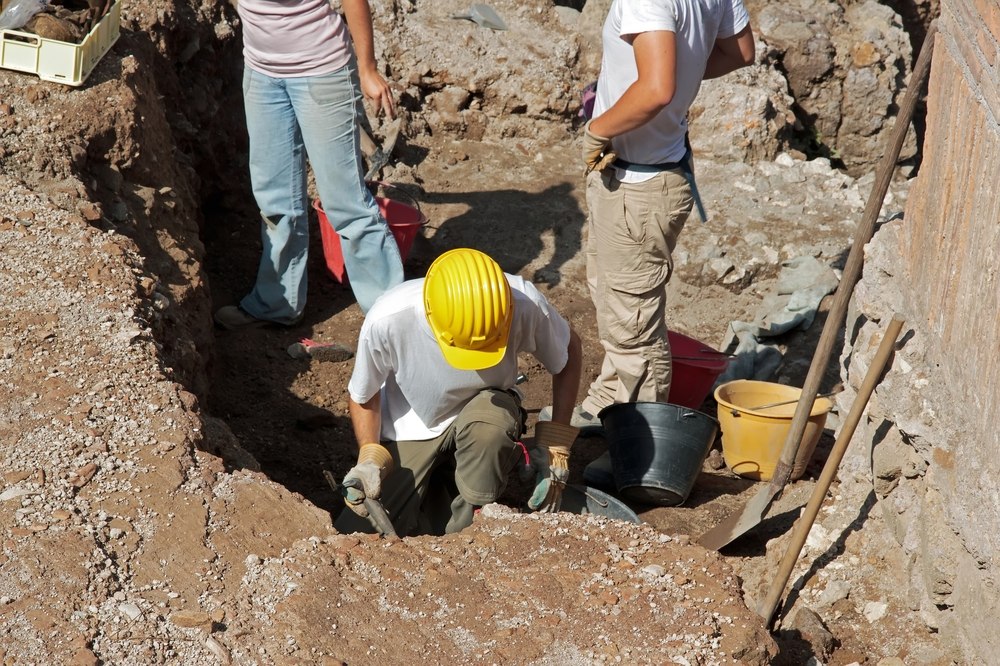
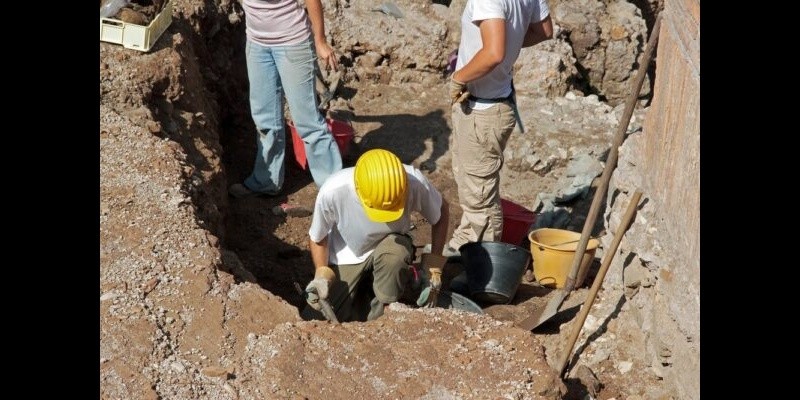
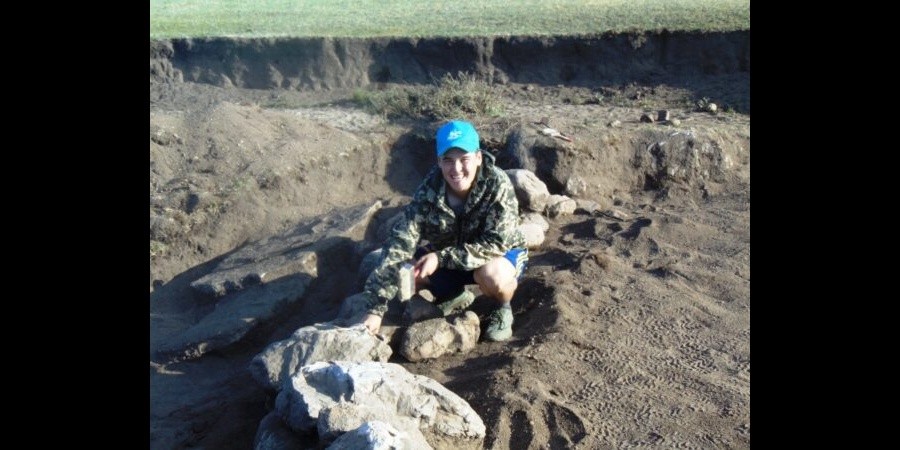
Since 2022, excavations and research at Karakabak have been carried out by the Margulan Institute of Archaeology. Researchers have published 24 academic works based on materials from the site, including three monographs and nine articles indexed in the Scopus database.
The site was recently visited by scientists and archaeologists working on projects to develop Mangistau’s tourism potential. During the field visit, participants reviewed excavation results and discussed additional research, as well as possible inclusion of Karakabak in regional tourism routes.
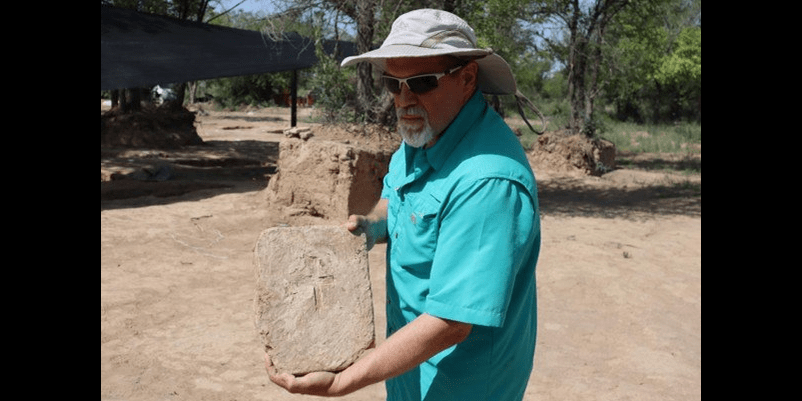
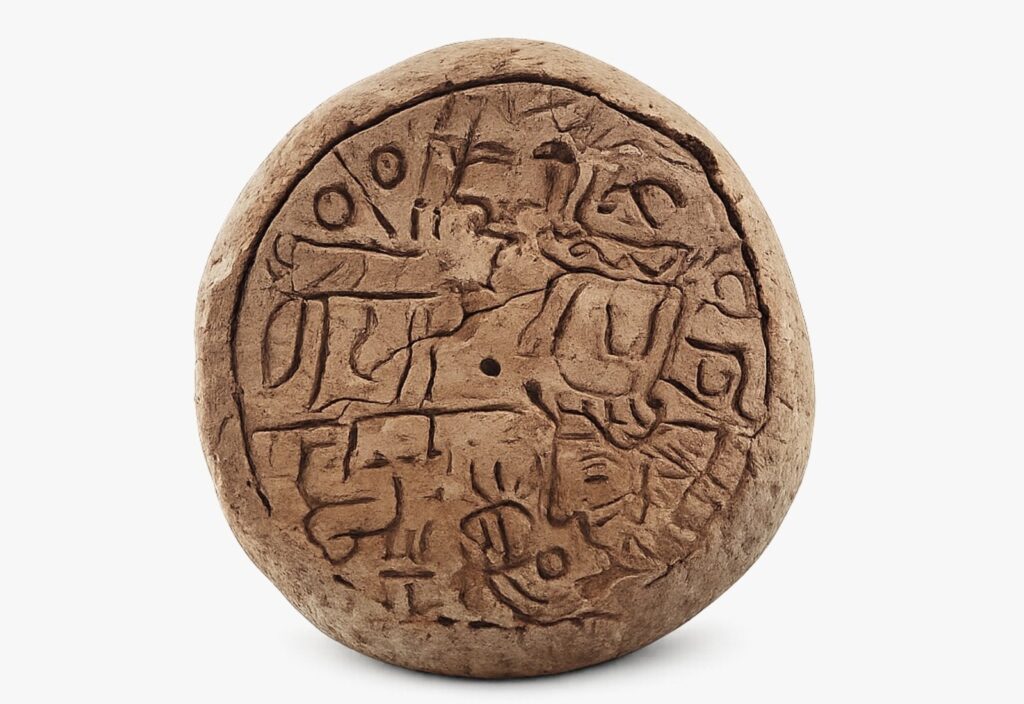
According to researchers, Karakabak served for several centuries as a center of craft production and trade. Finds point to metallurgy, jewelry-making, glassmaking, and ceramic production. Archaeologists have uncovered locally produced goods as well as imported materials from across Eurasia.
@gov.kz
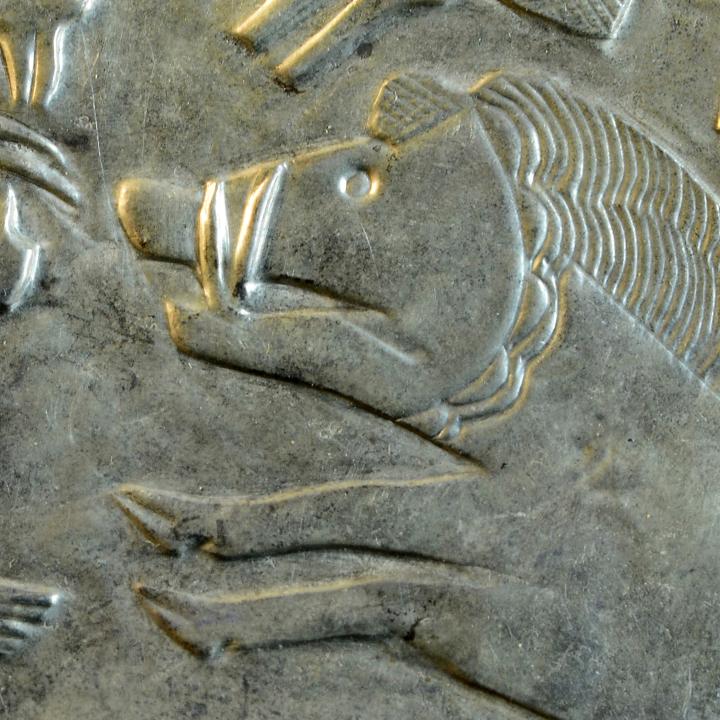
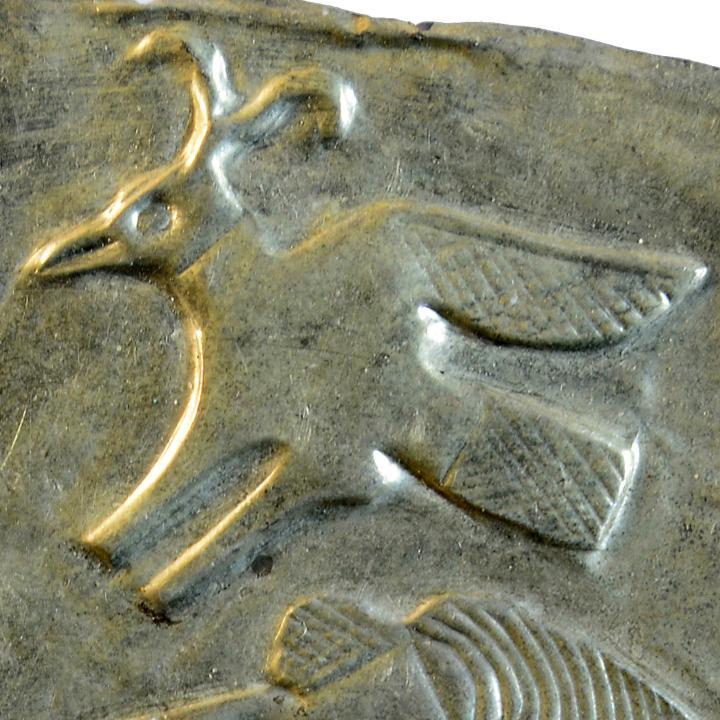
“Of particular scientific interest is a collection of more than 150 coins dating from the 1st century to the first half of the 6th century AD,” archaeologist Andrey Astafyev said. “Among them are issues from Parthia, Ancient Khorezm, Bukhara Sogd, Sasanian Iran, the Kushano-Sasanian state, the Byzantine Empire and China. These finds confirm Karakabak’s active participation in the international trade and economic networks of its time.”
Scholars now regard Karakabak as a major ancient trade and transport hub. Researchers believe one branch of the Silk Road may have passed through Mangistau, connecting Central Asia, the Caspian region, and Eastern Europe.
Researchers are also studying a possible Azov-Caspian trade corridor that was previously unknown. Based on the findings, Karakabak may have been one of the centers in this network. Evidence points to contacts with the North Caucasus, the Azov region, the Lower and Middle Volga, the Southern Urals, as well as states in Central Asia and the Middle East.
“Karakabak allows us to look at the history of Mangistau and Kazakhstan’s place in ancient international communications from a new perspective,” Astafyev said. “The archaeological evidence confirms that this region served for centuries as an important link in trade routes connecting East and West.”
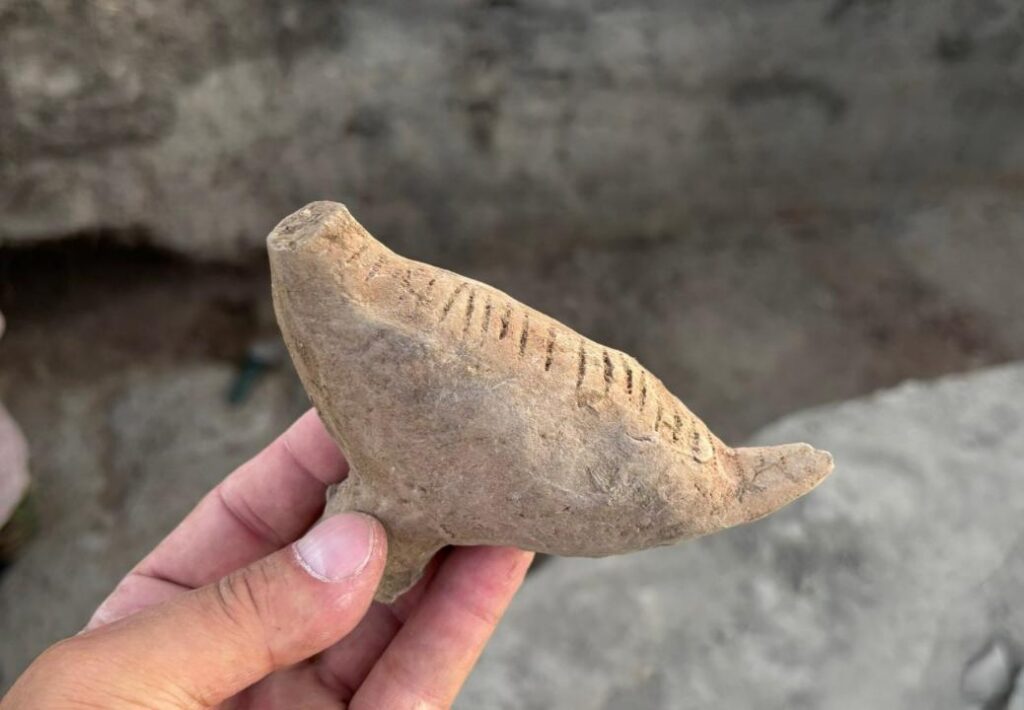
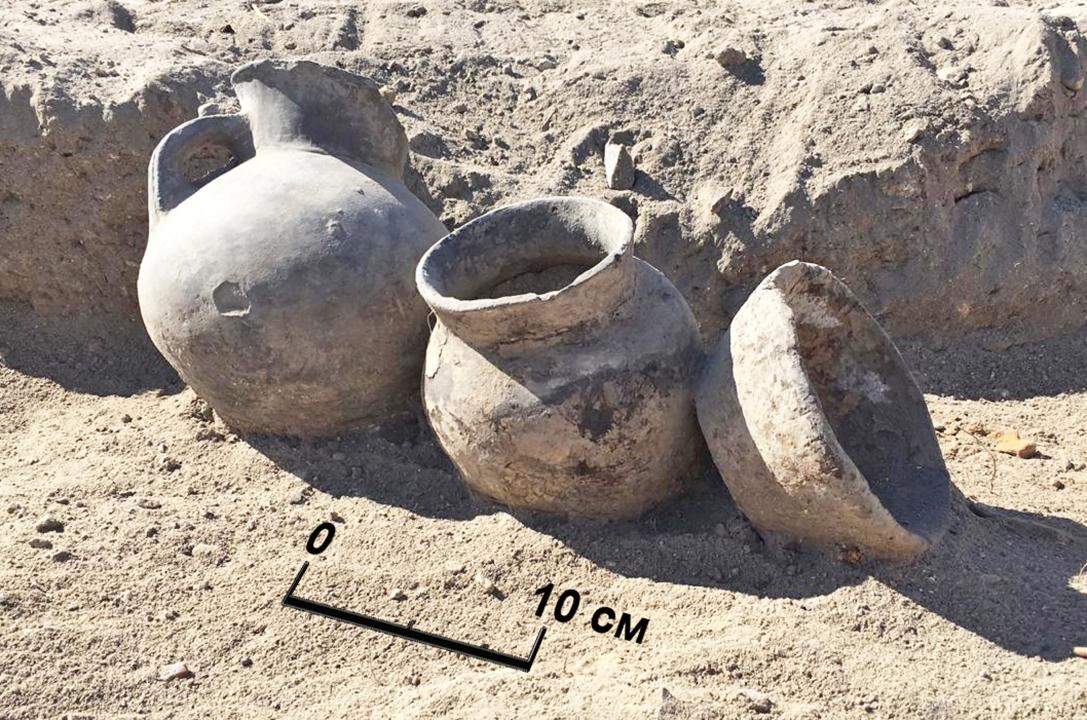
The recent discovery of an ancient jug, preliminarily dated to the 6th century AD, has drawn additional attention to the site. Specialists hope its study will provide new insights into the daily life and craft traditions of the settlement’s inhabitants.
Researchers are also exploring a possible connection between Karakabak and the ancient city of Aspabota, which was marked on the maps of Greek geographer Claudius Ptolemy as a settlement on the eastern Caspian coast.
@gov.kz
Scholars say discoveries in recent years have expanded understanding of Mangistau’s historical importance. They confirm that the region was part of trade and cultural exchanges linking China and India with Rome, and later the Byzantine Empire, for nearly two millennia.
@gov.kz