• KGS/USD = 0.01144 0%
  • KZT/USD = 0.00205 0%
  • TJS/USD = 0.10429 0.29%
  • UZS/USD = 0.00008 0%
  • TMT/USD = 0.28571 0.28%
  • KGS/USD = 0.01144 0%
  • KZT/USD = 0.00205 0%
  • TJS/USD = 0.10429 0.29%
  • UZS/USD = 0.00008 0%
  • TMT/USD = 0.28571 0.28%
  • KGS/USD = 0.01144 0%
  • KZT/USD = 0.00205 0%
  • TJS/USD = 0.10429 0.29%
  • UZS/USD = 0.00008 0%
  • TMT/USD = 0.28571 0.28%
  • KGS/USD = 0.01144 0%
  • KZT/USD = 0.00205 0%
  • TJS/USD = 0.10429 0.29%
  • UZS/USD = 0.00008 0%
  • TMT/USD = 0.28571 0.28%
  • KGS/USD = 0.01144 0%
  • KZT/USD = 0.00205 0%
  • TJS/USD = 0.10429 0.29%
  • UZS/USD = 0.00008 0%
  • TMT/USD = 0.28571 0.28%
  • KGS/USD = 0.01144 0%
  • KZT/USD = 0.00205 0%
  • TJS/USD = 0.10429 0.29%
  • UZS/USD = 0.00008 0%
  • TMT/USD = 0.28571 0.28%
  • KGS/USD = 0.01144 0%
  • KZT/USD = 0.00205 0%
  • TJS/USD = 0.10429 0.29%
  • UZS/USD = 0.00008 0%
  • TMT/USD = 0.28571 0.28%
  • KGS/USD = 0.01144 0%
  • KZT/USD = 0.00205 0%
  • TJS/USD = 0.10429 0.29%
  • UZS/USD = 0.00008 0%
  • TMT/USD = 0.28571 0.28%

Viewing results 1 - 6 of 70

European Parliament Condemns Repression in Tajikistan, Underlying Issues Persist

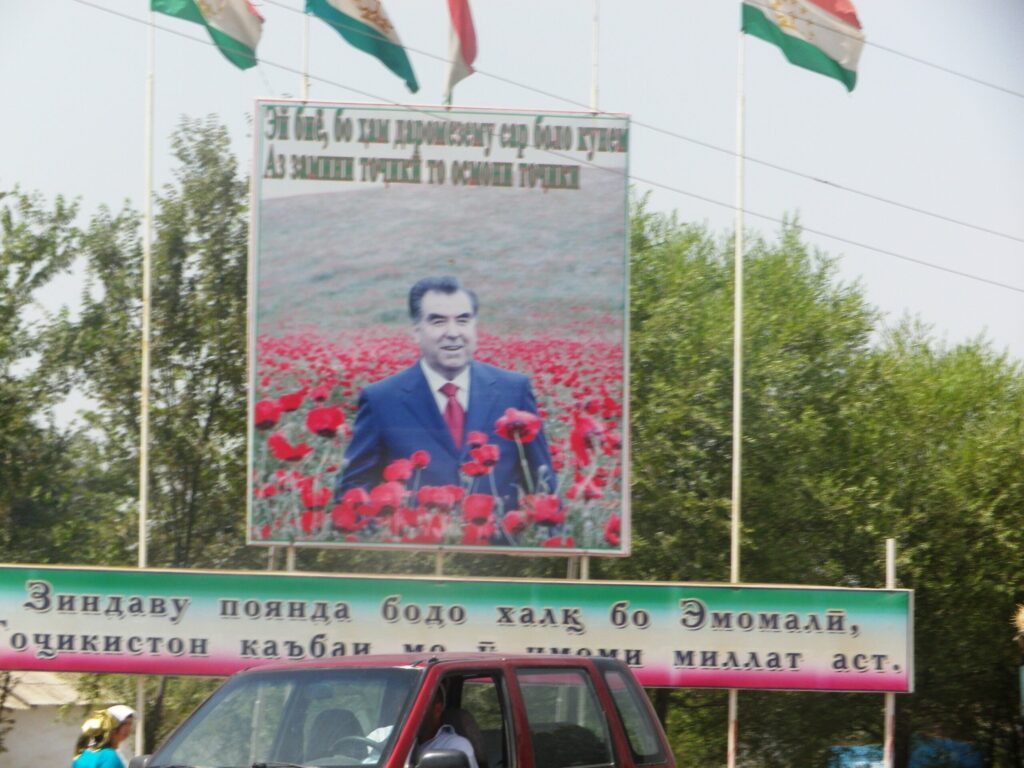
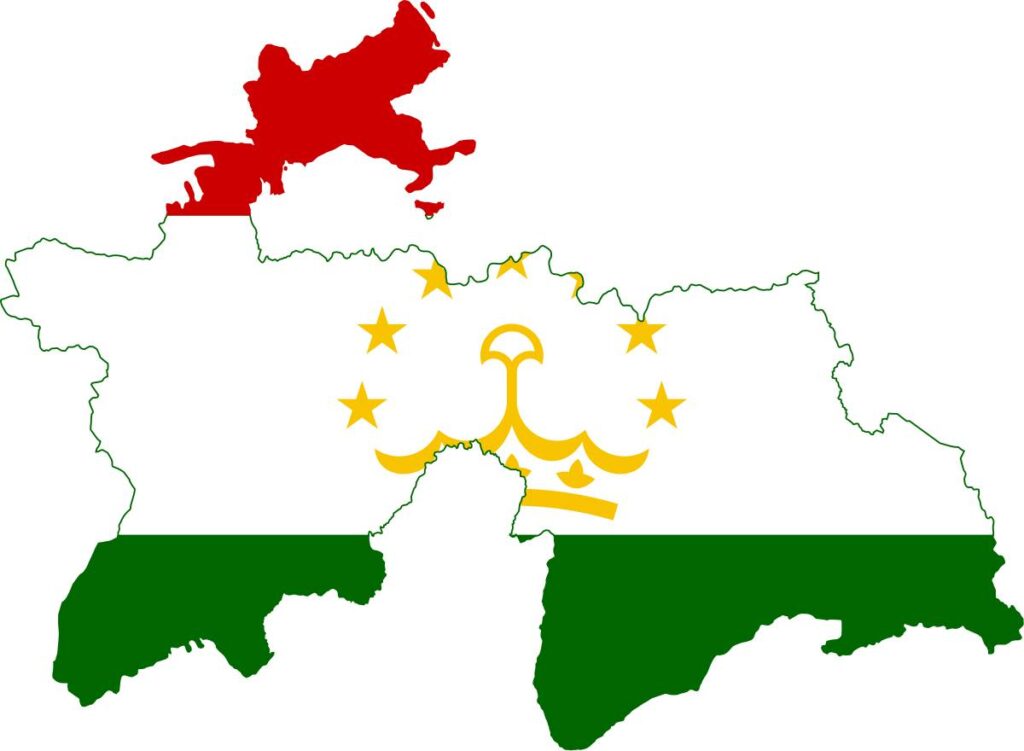
On January 18th, the European Parliament adopted a resolution on human rights in Tajikistan which condemns the ongoing crackdown against independent media, government critics, human rights activists and independent lawyers, as well as the closure of independent media and websites. Parliament members urged the authorities to stop persecuting lawyers defending government critics and journalists, and immediately and unconditionally release those arbitrarily detained and drop all charges against them, including human rights lawyers Manuchehr Kholiknazarov and Buzurgmehr Yorov. In the resolution, the European Parliament members insisted that respect for freedom of expression in Tajikistan should be taken into account when assessing the application of the EU’s Generalised Scheme of Preferences (GSP+) for Tajikistan and negotiations of a new EU-Tajikistan Partnership and Cooperation Agreement. In December 2023, the chair of the U.S. Senate Committee on Foreign Relations, Ben Cardin sent a letter to the President of Tajikistan, Emomali Rahmon, urging him to cease acts of domestic and transnational repression against political opponents and religious minorities. “There are persistent reports of arbitrary arrest, denial of judicial due process, as well as acts of violence including torture, assault and even instances of murder of journalists, political dissidents, as well as community and religious leaders,” Cardin wrote. In recent years, several Tajik journalists, activists, and opposition politicians have been sentenced to lengthy prison terms largely based on accusations of collaborating with organizations labelled as extremist or banned in Tajikistan.[/vc_column_text][vc_single_image image="13842" img_size="full" el_class="scond-image" parallax_scroll="no" woodmart_inline="no"][vc_column_text woodmart_inline="no" text_larger="no"]Still a relatively young country, the official date of the independence of Tajikistan - a front-line state facing the extremism of the Taliban - is September 9th 1991. Whilst criticisms are warranted and accurate, particularly through the prism of western democracy, the crux of the problem would appear to be endemic corruption and weak institutions propagated by kleptocratic wealth and organized crime. As to how high up the criminality goes, in 2000 the Tajik Ambassador to Kazakhstan was arrested in Almaty with 86 kilos of heroin in his car. In 2001, the Deputy Minister of the Interior was murdered, the prosecution in the case arguing he’d been assassinated for refusing to pay for a shipment of 50 kilos. A statement released by the UNDP in 2001 estimated that drug money accounted for between 30 -50% of the Tajik economy. The year Tajikistan took over policing of its border with Afghanistan from the Russians, seizures of heroin halved. Piqued by the critical international response, President Rahmon levelled counter-allegations of Russian complicity in the heroin trade. “Why do you think generals lined up in Moscow all the way across Red Square and paid enormous bribes to be assigned here?” he complained to U.S. officials. “Just so they could do their patriotic duty?”

International Organizations Call on Kyrgyzstan to Stop Crackdown on Independent Press

International organizations and media watchdogs have expressed concern about the arrests of independent journalists in Kyrgyzstan and called on the authorities to immediately release them and end pressure on the independent press. On January 15th, officers from the State Committee for National Security arrived at the offices of news agency 24.kg in Bishkek, seizing equipment and detaining three journalists, including its editor-in-chief, in a case involving "propagating war" related to an unspecified report about Russia's invasion of Ukraine. The three were later released, but ordered not to reveal details of the case. On January 16th, the Interior Ministry detained eleven journalists and media workers from the Temirov Live investigative group and the Ait Ait Dese project. Temirov Live's founder, prominent investigative journalist Bolot Temirov said the journalists who were detained after their homes and offices were searched included his wife and the director of the Temirov Live group, Makhabat Tajybek-kyzy. Police later placed all elevn under arrest for 48 hours, pending a court ruling on further custody measures. The Interior Ministry said in a statement that the searches and detentions were linked to a probe launched into unspecified Temirov Live publications that "carried elements of calls for mass unrest." “The search and sealing off of the premises of the 24.kg news outlet in Kyrgyzstan is deeply concerning,” OSCE Representative on Freedom of the Media, Teresa Ribeiro posted on Twitter. “Such criminal investigations may have a chilling effect on media freedom and reporting on important issues of public interest in the country.” UN Human Rights Office spokesperson, Liz Throssell also expressed concern. “These latest actions by the authorities appear to be part of a larger pattern of pressure against civil society activists, journalists and other critics of the authorities... We call on the authorities to protect freedom of expression and ensure that media legislation in the country is in line with international human rights standards,” she said in a statement.

Independent Media Facing Repression in Tajikistan, Says Watchdog

In Tajikistan, President Emomali Rahmon’s bid to centralize control includes efforts to silence political opponents, human rights activists, and independent voices. Now, Tajikistan’s media is in its “worst state” since the years of the civil war, the Committee to Protect Journalists (CPJ) said in a report released on January 4th. In the report, entitled “In Tajikistan, independent media throttled by state repression,” the media watchdog said that seven journalists were sentenced to lengthy prison terms in retaliation for their work in 2022 and 2023. Four journalists - Abdullo Ghurbati, Zavqibek Saidamini, Abdusattor Pirmuhammadzoda, and Khurshed Fozilov - received sentences of seven or seven-and-a-half years, whilst Khushom Gulyam received eight years, Daler Imomali ten years, and Ulfatkhonim Mamadshoeva twenty years. The harsh sentences are seen by many as a deeply chilling escalation in the years-long constriction of independent media, the report states. Only two significant independent media voices now remain in Tajikistan: privately-owned news agency, Asia-Plus, and the U.S. Congress-funded Radio Free Europe/Radio Liberty’s local service, the Czechia-based Radio Ozodi. Both regularly face harassment and threats. Their websites have long been subjected to partial shutdowns by local internet service providers, the CPJ report said. Asia-Plus has been forced to moderate its content, reducing its political coverage following a May 2022 threat from the authorities to shutter its operations. A handful of other outlets either avoid political topics entirely, or barely function due to lack of funding. Several local journalists told CPJ that they were forced to self-censor their reporting, and pointed to a “dramatic fall” in the number of critical articles and an increasing tendency for local media to avoid domestic politics in favor of “safe” topics such as culture, sport, and limited international news. Another big problem the media in Tajikistan faces is its finances. Lacking domestic sources of funding amid a limited advertising market, independent media has been reliant on international donors for years, local journalists told CPJ. Yet in recent times, this source of support has declined significantly, particularly since the start of Russia’s war in Ukraine.

Police in Turkmenistan Apprehend Former RFE/RL Correspondent

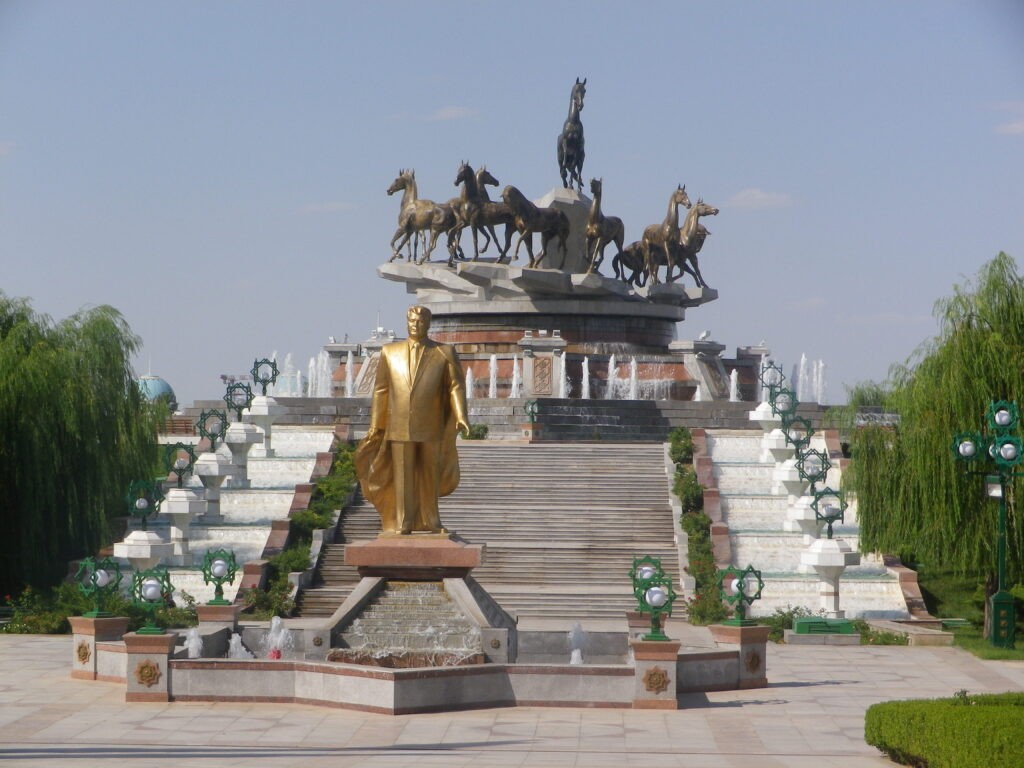
The police in Koneurgench, northern Turkmenistan, have apprehended Hudaiberdy Allashov, a former correspondent for RFE/RL, on undisclosed charges. Family members informed RFE/RL that Allashov was taken into custody on December 1st following a summons from the police. They allege that during this encounter, he was subjected to physical abuse and electric shocks. His current location and the rationale behind his arrest remain unknown. Allashov's association with RFE/RL dates back to a brief three-month stint in 2016. However, his tenure ended abruptly when he and his mother were arrested on accusations of using chewing tobacco, an offense deemed unlawful in the tightly-governed former Soviet nation. Both Allashov and his mother, Kurbantach Arazmedova, refuted these charges at the time. Their initial arrest drew international attention, leading to their release in mid-February 2017, albeit with a court conviction for possession of chewing tobacco, each receiving a three-year suspended prison sentence. Following his release, Allashov chose to cease his work with RFE/RL, expressing concerns for his safety. Nevertheless, in October 2019, he was detained once again, enduring hours of questioning allegedly accompanied by physical assault. The situation took a toll on his mother, who fell ill and passed away in the hospital two days later. In a separate incident in May 2022, Allashov and his wife, Ejesh Arazgylyjeva, were allegedly subjected to violent treatment by an official in Koneurgench, resulting in Arazgylyjeva's hospitalization and necessitating medical attention for Allashov himself. Turkmenistan's government maintains a tight grip over media outlets, including newspapers, radio, television, and online platforms.