• KGS/USD = 0.01144 0%
  • KZT/USD = 0.00191 0%
  • TJS/USD = 0.10850 0%
  • UZS/USD = 0.00008 0%
  • TMT/USD = 0.28490 0%
  • KGS/USD = 0.01144 0%
  • KZT/USD = 0.00191 0%
  • TJS/USD = 0.10850 0%
  • UZS/USD = 0.00008 0%
  • TMT/USD = 0.28490 0%
  • KGS/USD = 0.01144 0%
  • KZT/USD = 0.00191 0%
  • TJS/USD = 0.10850 0%
  • UZS/USD = 0.00008 0%
  • TMT/USD = 0.28490 0%
  • KGS/USD = 0.01144 0%
  • KZT/USD = 0.00191 0%
  • TJS/USD = 0.10850 0%
  • UZS/USD = 0.00008 0%
  • TMT/USD = 0.28490 0%
  • KGS/USD = 0.01144 0%
  • KZT/USD = 0.00191 0%
  • TJS/USD = 0.10850 0%
  • UZS/USD = 0.00008 0%
  • TMT/USD = 0.28490 0%
  • KGS/USD = 0.01144 0%
  • KZT/USD = 0.00191 0%
  • TJS/USD = 0.10850 0%
  • UZS/USD = 0.00008 0%
  • TMT/USD = 0.28490 0%
  • KGS/USD = 0.01144 0%
  • KZT/USD = 0.00191 0%
  • TJS/USD = 0.10850 0%
  • UZS/USD = 0.00008 0%
  • TMT/USD = 0.28490 0%
  • KGS/USD = 0.01144 0%
  • KZT/USD = 0.00191 0%
  • TJS/USD = 0.10850 0%
  • UZS/USD = 0.00008 0%
  • TMT/USD = 0.28490 0%
10 November 2025

Viewing results 1 - 6 of 2

Turkmenistan Contains ‘Gate to Hell’ Fire After Decades of Inferno

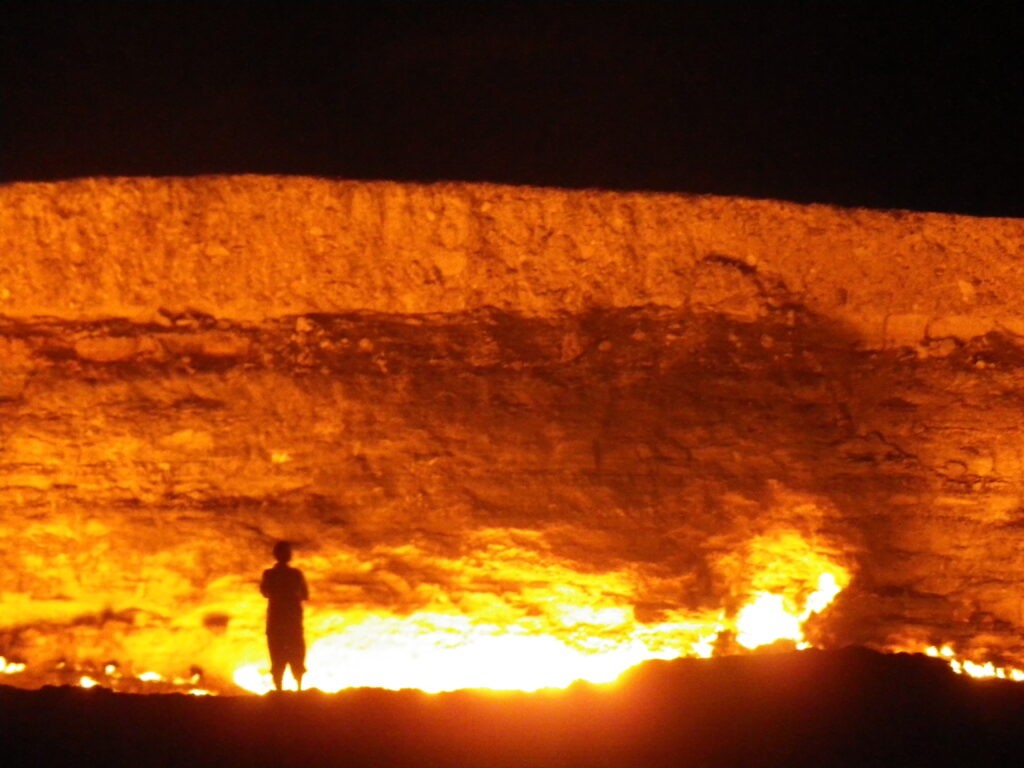
The fiery spectacle of the Darvaza Gas Crater, feared and revered as the 'Gate to Hell,' has dimmed significantly after over fifty years of continuous burning. Turkmenistan’s government announced that the massive blaze, located in the heart of the Karakum Desert, is now largely under control, marking a historic milestone in environmental and resource management efforts for the country. A Fiery Origin The story of the Darvaza Gas Crater began in 1971 when Soviet scientists attempted to study and manage methane leaks in the desert. Digging into what they believed was a minor pocket of natural gas, they inadvertently pierced a massive underground gas field. When the drilling rig and associated equipment suddenly collapsed into the cavern below, toxic gases began escaping uncontrollably. To prevent the spread of noxious fumes, the team decided to ignite the methane, hoping it would burn out in a matter of days. They were wrong. Instead of a quick resolution, the crater transformed into the longest-burning man-made fire, its eerie yellow flames licking at the edges of the 200-meter-wide pit. Visible from miles away, the burning crater became a bizarre and otherworldly landmark, attracting adventurers, scientists, and tourists alike. From 'Gate to Hell' to 'Shining of Karakum' [caption id="attachment_32708" align="aligncenter" width="2560"] Image: TCA, Stephen M. Bland[/caption] Now officially named the 'Shining of Karakum,' the Darvaza Gas Crater has been both a source of national pride and a symbol of environmental mismanagement. The flames and the heat haze rising from the crater have drawn global attention, but they have also brought concerns. Methane seepage from the pit has been a major environmental issue, contributing to greenhouse gas emissions. Furthermore, some locals living in the harsh desert environment have long argued that the crater should be extinguished, citing health risks and economic losses due to the wastage of valuable natural gas. A Turning Point in Fire Containment The efforts to extinguish the 'Gate to Hell' reached a decisive turning point in January 2022, when then-President Gurbanguly Berdimuhamedov ordered action to put out the flames, emphasizing the detrimental effects of the blaze on the environment and the squandered financial potential of the escaping gas. However, earlier attempts over the decades failed to curtail the inferno. This time, Turkmengaz, the state energy company, launched a sustained effort involving drilling additional wells around the crater to capture and divert the methane. According to Irina Luryeva, a director at Turkmengaz, these operations have significantly reduced the volume and intensity of the fire. “Whereas before, a massive glow from the blaze was visible for miles, today only faint combustion remains,” Luryeva stated. Independent satellite data confirmed the success, showing a threefold reduction in methane emissions from the site. Global Collaboration and Environmental Initiatives The containment of the Darvaza blaze is a result not just of national initiative but also of international collaboration. In March 2024, Turkmenistan partnered with the United Nations Environment Programme (UNEP) to address methane emissions comprehensively. The project included advanced monitoring technologies and strategies to manage methane leaks across...

High Methane Emissions May Hinder Turkmenistan’s Gas Exports to Europe

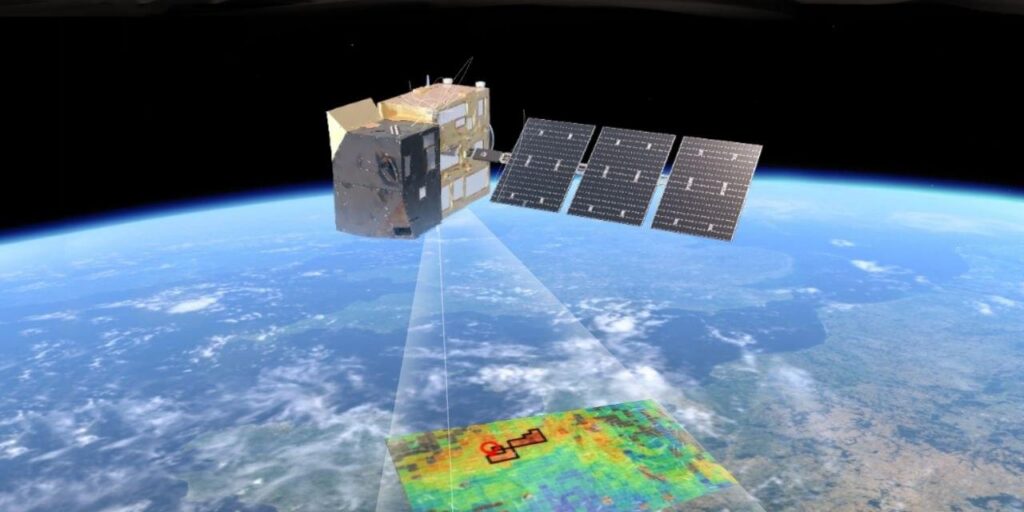
High methane emissions could pose a significant obstacle to Turkmenistan’s entry into the European gas market, according to an updated report by the U.S. Department of Energy, published on February 6. The main findings of the study were summarized by Eurasia Review on February 19. The report, which examines oil and gas production in the Caspian region, notes that four countries, Azerbaijan, Kazakhstan, Turkmenistan, and Uzbekistan, account for 3% of global energy production. Turkmenistan’s Gas Reserves and Export Ambitions According to the report, Turkmenistan ranks fifth worldwide in natural gas reserves, estimated at 400 trillion cubic feet in 2025. In 2023, the country set a record by producing 3.0 trillion cubic feet of dry natural gas, the highest level since official statistics began in 1992. Currently, Turkmenistan’s primary gas exports are directed to China, but Ashgabat is seeking to expand its market reach, including potential supply routes through Afghanistan. However, the U.S. Department of Energy warns that excessive methane emissions from Turkmenistan’s fields could complicate access to the European market via the Trans-Caspian pipeline. In terms of oil reserves, Turkmenistan holds a relatively modest 600 million barrels, with an average daily production of 275,000 barrels in 2024. Diversification Efforts and New Export Deals Meanwhile, Turkmenistan is taking steps to diversify its export destinations. Gas supplies to Turkey are set to begin on March 1. During a phone call on February 10, Chairman of the Halk Maslahaty Gurbanguly Berdimuhamedov informed Iranian President Masoud Pezeshkian that an agreement had been reached to transit gas through Iran under a swap supply arrangement with Turkish energy company BOTAŞ. Efforts to Reduce Methane Emissions Turkmenistan has also been actively engaging in international initiatives to curb methane emissions. On December 1, 2023, the country joined the Global Methane Pledge (GMP), an initiative aimed at reducing greenhouse gas emissions. In November 2024, Bloomberg reported that the state-owned Turkmengaz plans to hire specialists to measure methane emissions more accurately and is preparing a tender for emission monitoring. That same month, the U.S. Environmental Defense Fund (EDF) released satellite data showing that methane leakage from oil and gas fields in Turkmenistan, the U.S., and Venezuela is significantly higher than official ground-based measurements suggest.