
• KGS/USD = 0.01143 0%
  • KZT/USD = 0.00208 0%
  • TJS/USD = 0.10438 -0.1%
  • UZS/USD = 0.00008 0%
  • TMT/USD = 0.28579 0%
  • KGS/USD = 0.01143 0%
  • KZT/USD = 0.00208 0%
  • TJS/USD = 0.10438 -0.1%
  • UZS/USD = 0.00008 0%
  • TMT/USD = 0.28579 0%
  • KGS/USD = 0.01143 0%
  • KZT/USD = 0.00208 0%
  • TJS/USD = 0.10438 -0.1%
  • UZS/USD = 0.00008 0%
  • TMT/USD = 0.28579 0%
  • KGS/USD = 0.01143 0%
  • KZT/USD = 0.00208 0%
  • TJS/USD = 0.10438 -0.1%
  • UZS/USD = 0.00008 0%
  • TMT/USD = 0.28579 0%
  • KGS/USD = 0.01143 0%
  • KZT/USD = 0.00208 0%
  • TJS/USD = 0.10438 -0.1%
  • UZS/USD = 0.00008 0%
  • TMT/USD = 0.28579 0%
  • KGS/USD = 0.01143 0%
  • KZT/USD = 0.00208 0%
  • TJS/USD = 0.10438 -0.1%
  • UZS/USD = 0.00008 0%
  • TMT/USD = 0.28579 0%
  • KGS/USD = 0.01143 0%
  • KZT/USD = 0.00208 0%
  • TJS/USD = 0.10438 -0.1%
  • UZS/USD = 0.00008 0%
  • TMT/USD = 0.28579 0%
  • KGS/USD = 0.01143 0%
  • KZT/USD = 0.00208 0%
  • TJS/USD = 0.10438 -0.1%
  • UZS/USD = 0.00008 0%
  • TMT/USD = 0.28579 0%

Viewing results 1 - 6 of 18

Turkmen Woman Appeals to President After Year-Long Travel Ban

Zulfiya Kazhyr, a citizen of Turkmenistan, and her six-year-old daughter have been barred from leaving the country for nearly a year, despite renewing their passports and submitting multiple appeals to authorities in both Turkmenistan and Turkey. Kazhyr has now made a public appeal to President Serdar Berdimuhamedov, urging him to intervene. Trapped in Limbo Kazhyr, a Turkmenistan national living in Turkey, traveled to Ashgabat in the summer of 2024 to renew her passport. After the renewal was completed, her husband, Turkish citizen Ahmet Sefa, bought tickets for their return to Istanbul. However, when they arrived at the airport, Kazhyr was unexpectedly prevented from boarding the flight. Immigration officials provided no explanation. Her daughter, who holds Turkish citizenship and suffers from autism and celiac disease, a condition requiring a strict gluten-free diet and regular medical supervision, remains in Turkmenistan with her. “Please, I beg you, help us. My daughter is exhausted; she has been sick twice here,” Kazhyr pleaded in a video addressed to President Berdimuhamedov. “I cannot manage her condition properly here. There are no suitable products, and this is not my home.” While authorities do not restrict the child from leaving, her mother is not permitted to depart. Sefa continues to send specialized food from Turkey, but proper care remains impossible in his absence. Sefa said he has appealed to the foreign ministries and embassies of both countries but has received no response. “We’re in a hopeless situation. My daughter can leave, but how can they separate a child from her mother?” he said. Attempts by journalists to reach Turkmenistan's migration service were unsuccessful. Officials declined to comment and advised Kazhyr to "call herself." A Systemic Issue According to Istanbul-based Turkmen activist Zarina Akhtyamova, such restrictions are not uncommon. She cites poverty, unemployment, and inadequate medical access among Turkmen migrants in Turkey as likely motivations for the state's unofficial control over citizens’ departures. In January 2025, two Turkish nationals publicly appealed to Presidents Recep Tayyip Erdoğan and Serdar Berdimuhamedov to permit their Turkmen wives to leave Ashgabat. The women, like Kazhyr, had traveled home solely to renew their passports and were then prevented from departing without explanation. Activists report that at least 60 families have faced similar issues. Following the January appeal, authorities reportedly allowed some women to leave. A source within the migration service said that of approximately 150 affected individuals, 60 have since returned to Turkey. Kazhyr and her daughter, however, remain in Ashgabat. The child’s health continues to decline, and the family’s calls for justice remain unanswered.
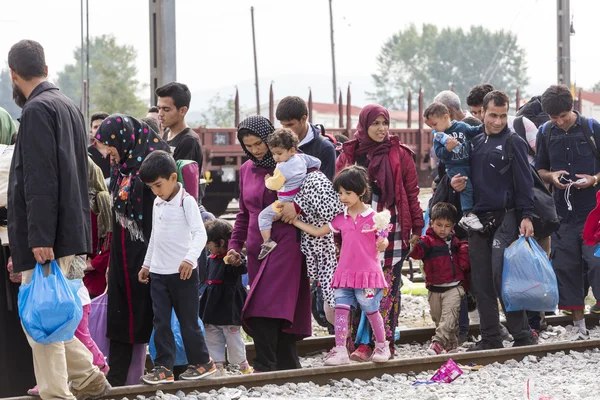

Lithuania to Review Migration Policy Toward Central Asian Countries

Lithuania is preparing to revise its migration policy toward citizens from Central Asian nations, citing growing concerns over radicalization risks. Prime Minister Gintautas Paluckas announced the potential changes following a meeting with President Gitanas Nausėda, according to local media reports. “Unfortunately, it seems we need to recognize that people from some countries are more likely to become radicalized,” Paluckas told reporters. “We should consider adjusting our immigration policy and focus on bringing in skilled workers from countries that are closer to us culturally.” His remarks came shortly after the head of Lithuania’s State Security Department, Darius Jauniškis, revealed that approximately ten individuals from Central Asian countries had recently been denied entry over alleged ties to terrorist groups and concerns regarding radicalization. Jauniškis also warned of a broader trend, noting a rising risk of radicalization among migrants from both Central and South Asia. Paluckas added that Lithuania currently maintains numerous visa centers in countries whose cultural values may not align with those of Lithuania. “We are looking ahead and planning to update our migration policy so that it better reflects cultural closeness,” he said. Migration Trends from Central Asia Lithuania has experienced a significant increase in migration from Central Asia in recent years, prompting authorities to heighten security oversight. According to Lithuanian intelligence, the number of migrants from the region in 2024 was 14 times higher than in 2021. Despite this sharp rise, former Prime Minister Ingrida Šimonytė has urged caution in interpreting the figures, noting that the total number of migrants remains relatively small and not a cause for alarm. She attributed the increase in part to labor shortages, particularly after many Ukrainian men were conscripted for military service amid the ongoing war. As of October 2024, approximately 10,600 Uzbek nationals were residing in Lithuania, up from fewer than 1,000 in early 2022. Uzbeks now constitute the fourth-largest foreign community in the country. The number of Tajik citizens also rose significantly, from 5,700 to 7,200 in the first nine months of 2024 alone.