• KZT/USD = 0.00219
  • TJS/USD = 0.10860
  • UZS/USD = 0.00008
  • TMT/USD = 0.29760
  • KZT/USD = 0.00219
  • TJS/USD = 0.10860
  • UZS/USD = 0.00008
  • TMT/USD = 0.29760
  • KZT/USD = 0.00219
  • TJS/USD = 0.10860
  • UZS/USD = 0.00008
  • TMT/USD = 0.29760
  • KZT/USD = 0.00219
  • TJS/USD = 0.10860
  • UZS/USD = 0.00008
  • TMT/USD = 0.29760
  • KZT/USD = 0.00219
  • TJS/USD = 0.10860
  • UZS/USD = 0.00008
  • TMT/USD = 0.29760
  • KZT/USD = 0.00219
  • TJS/USD = 0.10860
  • UZS/USD = 0.00008
  • TMT/USD = 0.29760
  • KZT/USD = 0.00219
  • TJS/USD = 0.10860
  • UZS/USD = 0.00008
  • TMT/USD = 0.29760
  • KZT/USD = 0.00219
  • TJS/USD = 0.10860
  • UZS/USD = 0.00008
  • TMT/USD = 0.29760
20 November 2026

Viewing results 1 - 6 of 2

Kazakhstan Military Training Overhauled with New Drone Forces Planned

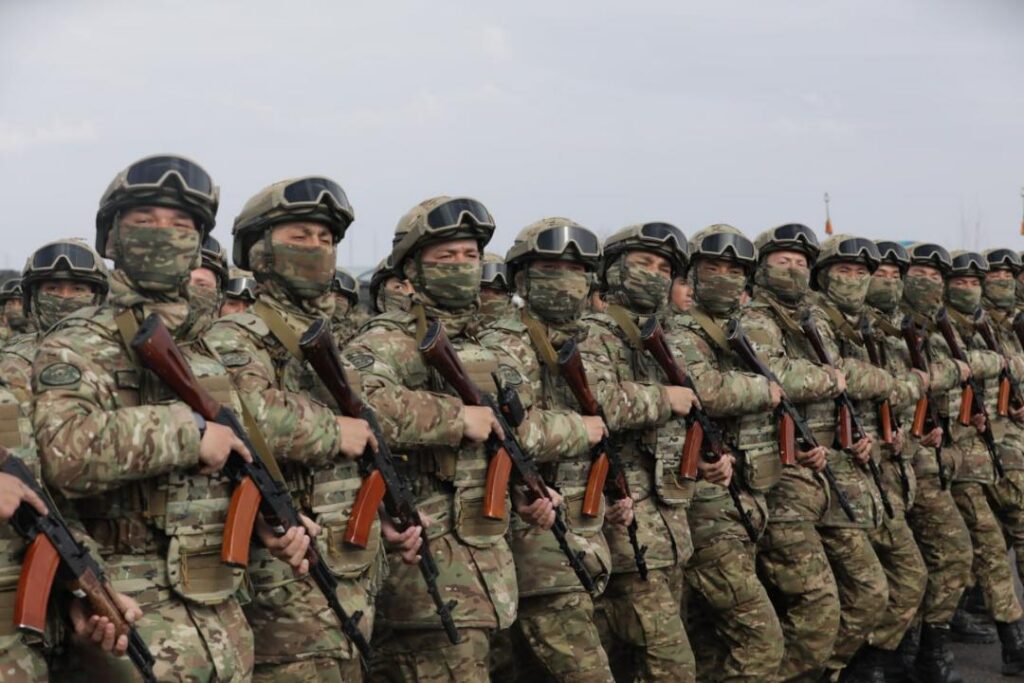
Less than a month after 14 service members died during military exercises in the Caspian Sea, Kazakhstan has approved plans to overhaul conscript training and introduce new safeguards against abuse in the armed forces. The reform plan was approved at a Security Council meeting on October 21, with the main changes scheduled for 2027. The September 24 tragedy prompted an investigation that uncovered serious failures in the planning of the exercises and measures to protect soldiers. A wider inspection of the Defense Ministry has since led to 13 criminal cases involving suspected embezzlement, abuse of authority, and other violations. New Training System Aims to Reduce Abuse Beginning in 2027, Kazakhstan plans to divide its mandatory 12-month military service into two stages. Recruits will spend their first six months at training centers and the remaining six months in military units, where they will continue combat training alongside their assigned formations. The change is intended to help conscripts adjust to military life and reduce the risk of hazing. Political analyst Gaziz Abishev believes that separating initial training from regular military service will make it easier for commanders to monitor abuse. “Amid the chaos of a regular military unit, it's much harder to keep track of abusive behavior by people who are out of control. It will be easier at a training center. Officers will be personally accountable for the safety of conscripts,” he wrote on Telegram. The military also plans to appoint military counselors and an ombudsman for service members. The aim is to give soldiers and their families somewhere to turn when their rights are violated. Askhat Aimagambetov, a member of Kazakhstan's parliament, the Kurultai, welcomed the initiative, citing cases of violations of service members' rights and the difficulties their relatives have faced in seeking justice. “Now service members and their parents will have a direct, legally recognized advocate,” the lawmaker said. A New Drone Force The plan also calls for the establishment of dedicated drone forces and an expansion of the network of specialized military schools.. The move reflects the growing importance of unmanned aircraft in modern warfare, demonstrated particularly by the war in Ukraine, where relatively inexpensive drones have proved capable of destroying far more costly military equipment. Organizational preparations are expected to be completed by the end of 2026, with the main reforms planned for 2027. The wider inspection of the Defense Ministry is also due to be completed by the end of the year. Although preliminary findings have exposed serious failings, the commission's full conclusions have yet to be published. Kazakhstan's Military Capabilities in Central Asia Kazakhstan ranks 58th among 145 countries in the 2026 Global Firepower ranking, behind Uzbekistan, which holds 53rd place. Turkmenistan ranks 78th, Tajikistan 100th, and Kyrgyzstan 109th. According to Global Firepower estimates, Kazakhstan's defense budget for 2026 is approximately $5.84 billion, compared with around $6.21 billion for Uzbekistan.

Kyrgyzstan’s Armed Forces Double in Size Amid Rising Defense Spending

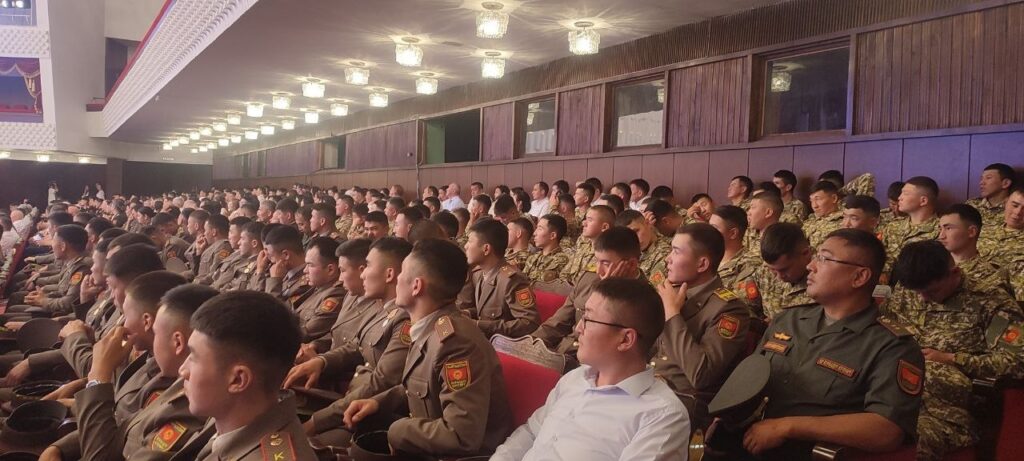
Kyrgyzstan’s armed forces have roughly doubled in size since 2018 amid a sharp increase in defense spending, military rearmament, and improved social benefits for service personnel, according to General Staff chief Tariel Otonbaev. On May 29, Kyrgyzstan marked the 34th anniversary of the establishment of its national armed forces. Speaking at the anniversary event, Chairman of the Cabinet of Ministers Adylbek Kasymaliev said the development of the country’s modern military had been shaped by the armed incursions in the Batken region in 1999-2000 and the border conflict with Tajikistan in 2022. In an interview with The Times of Central Asia, Otonbaev said today’s military differs significantly from the force that existed five or ten years ago. “Over the past five years, military funding has increased by 300%. Today, approximately 2% of the country’s GDP is allocated to defense. Most importantly, interest among young people in military service has grown,” he said. According to Otonbaev, some military units faced shortages of contract personnel of between 30% and 40% just a few years ago. Today, staffing levels among contract soldiers exceed 95%. Otonbaev also highlighted improvements in living conditions for military personnel. More than 900 service members are expected to receive housing this year, while others receive monthly government compensation for rental costs ranging from $170 to $205. Food standards have also improved, he said. The daily caloric intake provided to service members has increased from 1,800 to 4,800 calories, while the range of food products available has been expanded. “The state has begun fulfilling its social obligations. Arms procurement has become systematic, and today the military is fully supplied with the equipment and weapons it needs,” Otonbaev said. According to General Staff data, Kyrgyzstan’s armed forces now number approximately 23,000 personnel, compared with about 11,000 in 2018. In addition, roughly 300,000 citizens are registered as reservists. The country’s military budget has reached $654 million. Otonbaev said the armed forces are closely studying lessons from modern conflicts and adapting training programs to new forms of warfare. Specialized units within the military analyze emerging trends and oversee their incorporation into force development and training. Particular attention is being paid to unmanned systems. According to Otonbaev, modern warfare has been transformed by the widespread use of drones and artificial intelligence technologies. Kyrgyzstan acquired its first combat drones in late 2021, purchasing Turkish-made Bayraktar TB2 unmanned aerial vehicles. Since then, the country has purchased additional unmanned systems from other suppliers and has begun developing its own fixed-wing and rotary-wing military drones. The first domestically produced models were showcased during the Rubezh-2025 military exercises held by the Collective Security Treaty Organization, marking another step in the development of Kyrgyzstan’s domestic defense industry. The rapid expansion of the armed forces is part of Bishkek’s effort to build national defense capabilities following recent regional security challenges and adapt its military doctrine to the changing nature of modern warfare.