Viewing results 1 - 6 of 2
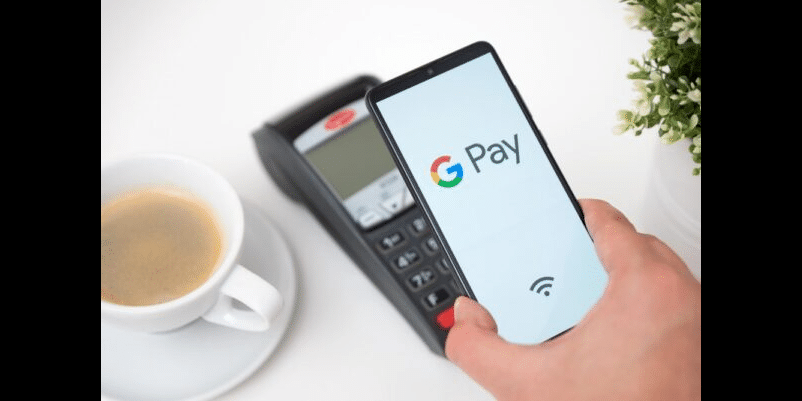
Google Pay’s launch in Uzbekistan follows changes to the country’s personal data protection rules, which have made it easier for international technology companies to enter the market, according to a senior Google executive. Doron Avni, Google’s vice president for government affairs and public policy for emerging markets, said in a LinkedIn post that replacing strict rules on storing data locally with a more flexible approach had enabled the launch. Under legislation signed on March 26, most categories of personal data can now be stored and processed abroad under certain conditions. However, biometric and genetic data, as well as data belonging to customers of telecommunications operators in Uzbekistan, must still be stored in the country. “Modern policy isn't just written on paper – it's felt directly in people's pockets,” Avni wrote. Google Pay was announced in Uzbekistan on October 19, with support for cards issued by participating Uzbek banks becoming available on October 27, alongside Apple Pay. The introduction of both platforms allows users to make contactless payments through compatible smartphones and other devices. Initially, both services support eligible Visa and Mastercard cards, while integration with Uzbekistan’s domestic UZCARD and HUMO payment systems remains under development. Avni linked the launch to technology cooperation between Uzbekistan and the United States. It was announced during U.S. Secretary of State Marco Rubio's visit to Samarkand for the C5+1 ministerial meeting with his counterparts from the five Central Asian countries. He said the visit reflected a shared interest in advancing digital modernization in Central Asia, including cybersecurity, cloud technology, and digital education. “My sincere gratitude to the Government of Uzbekistan and the U.S. Ambassador Jonathan Henick for their exceptional vision and partnership,” Avni wrote.
Apple Pay and Google Pay could become available in Uzbekistan within the next few months, Jamshid Usmanov, head of the Central Bank’s Payment Systems Development Department, told Spot. Usmanov said the Central Bank began negotiations with Apple and Google after amendments to Uzbekistan’s personal data legislation came into force. The regulator has since been working with commercial banks and the national payment systems Humo and Uzcard to complete the technical integration required to launch the services. “Commercial banks are actively carrying out integration work. There are also issues related to card tokenization that are being addressed,” Usmanov said. The project extends beyond support for international payment cards such as Visa and Mastercard. The Central Bank is also working to make Humo and Uzcard cards compatible with Apple Pay and Google Pay, enabling customers to use Uzbekistan’s domestic payment systems through the digital wallets. Usmanov said one or more commercial banks could be the first to introduce the services. He confirmed that Central Bank representatives met with Apple and Google in April and May and added that positive news could be expected in the coming months. Alongside the mobile payments initiative, Uzbekistan is continuing work on a National Payment Switch, which is scheduled to be launched in 2027 under a presidential decree. The new platform would provide unified infrastructure for processing domestic payment transactions. At present, some transactions made with international bank cards are processed through centers outside Uzbekistan. The National Payment Switch will allow those transactions to be processed domestically. Usmanov added that many countries are gradually adopting national payment switches because they reduce dependence on foreign payment infrastructure providers and allow payment data to remain within national jurisdictions. The Central Bank expects the new system to improve the resilience of Uzbekistan’s payment infrastructure and provide better data protection. Regulatory documents are currently being prepared, while technical implementation will proceed during the next phase of the project. The Times of Central Asia previously reported that Uzbekistan was also moving toward integrating PayPal, with negotiations between the Central Bank and the company underway following changes to the country’s personal data legislation.