• KGS/USD = 0.01144 0%
  • KZT/USD = 0.00213 0%
  • TJS/USD = 0.10874 0.37%
  • UZS/USD = 0.00008 0%
  • TMT/USD = 0.28571 0%
  • KGS/USD = 0.01144 0%
  • KZT/USD = 0.00213 0%
  • TJS/USD = 0.10874 0.37%
  • UZS/USD = 0.00008 0%
  • TMT/USD = 0.28571 0%
  • KGS/USD = 0.01144 0%
  • KZT/USD = 0.00213 0%
  • TJS/USD = 0.10874 0.37%
  • UZS/USD = 0.00008 0%
  • TMT/USD = 0.28571 0%
  • KGS/USD = 0.01144 0%
  • KZT/USD = 0.00213 0%
  • TJS/USD = 0.10874 0.37%
  • UZS/USD = 0.00008 0%
  • TMT/USD = 0.28571 0%
  • KGS/USD = 0.01144 0%
  • KZT/USD = 0.00213 0%
  • TJS/USD = 0.10874 0.37%
  • UZS/USD = 0.00008 0%
  • TMT/USD = 0.28571 0%
  • KGS/USD = 0.01144 0%
  • KZT/USD = 0.00213 0%
  • TJS/USD = 0.10874 0.37%
  • UZS/USD = 0.00008 0%
  • TMT/USD = 0.28571 0%
  • KGS/USD = 0.01144 0%
  • KZT/USD = 0.00213 0%
  • TJS/USD = 0.10874 0.37%
  • UZS/USD = 0.00008 0%
  • TMT/USD = 0.28571 0%
  • KGS/USD = 0.01144 0%
  • KZT/USD = 0.00213 0%
  • TJS/USD = 0.10874 0.37%
  • UZS/USD = 0.00008 0%
  • TMT/USD = 0.28571 0%

Viewing results 1 - 6 of 2

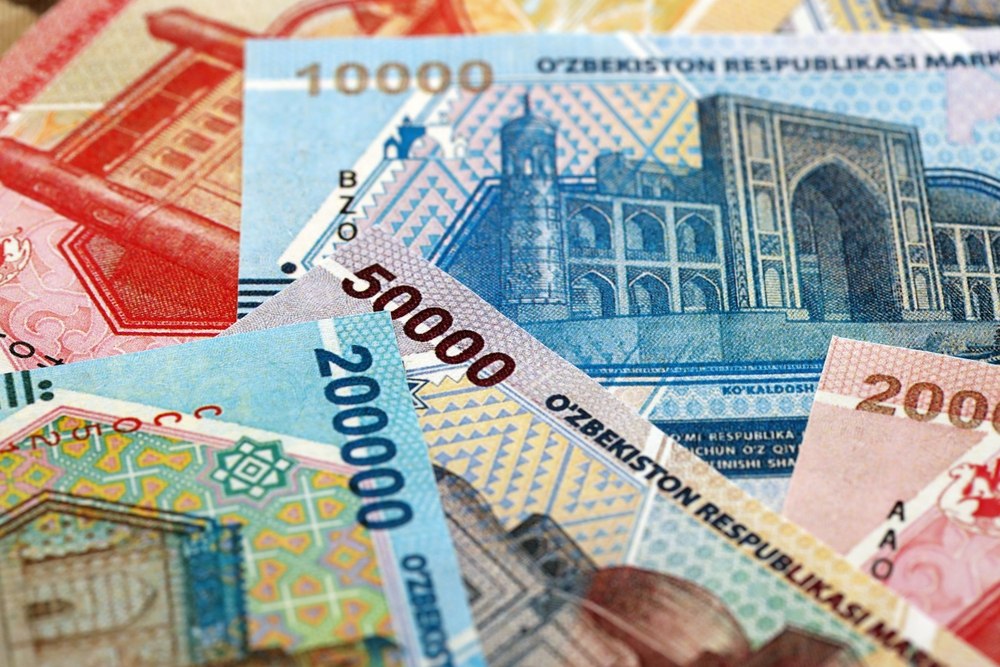
IMF Growth Forecast for Uzbekistan Warns of Inflation and Global Risks

Uzbekistan’s economy performed strongly in 2025, with the International Monetary Fund (IMF) reporting growth across sectors. Inflation fell and the fiscal deficit narrowed. The Fund urged policymakers to keep monetary policy tight and continue reforms as geopolitical tensions and global uncertainty add risks. Uzbekistan’s real GDP expanded by 7.7% in 2025, driven by strong domestic consumption and investment. The unemployment rate fell by 0.7 percentage points from the previous year to 4.8%. Growth was supported by rapid expansion in services and construction. Consumer price inflation declined from 9.8% at the end of 2024 to 7.3% at the end of 2025. The IMF attributed the improvement to the fading impact of energy price increases introduced in 2024 and the appreciation of the Uzbek som against the U.S. dollar. Tight monetary policy by the Central Bank also helped bring down inflation. Core inflation declined during the year. External balances improved as the current account deficit narrowed to 3.9% of GDP. Strong exports and remittance inflows supported the decline. High commodity prices also helped. International reserves remained at comfortable levels, equivalent to around 13 months of imports. The fiscal deficit fell to 2.1% of GDP, below the government’s target of 3%. The IMF expects economic growth to remain resilient in 2026, forecasting GDP growth of 6.8%. Continued reforms and investment are expected to support activity. Remittances and elevated gold prices should also help sustain growth. The Fund projects growth will moderate to around 6% in 2027 as domestic demand gradually slows. Despite the positive outlook, risks have increased because of the conflict in the Middle East and its potential impact on the global economy. Uzbekistan has limited direct trade and remittance links with countries affected by the conflict. However, higher oil prices and trade disruptions could affect the country indirectly through key trading partners. Weaker global growth could add further pressure. The IMF warned that inflation is likely to remain above the Central Bank’s 5% target in 2026. Higher global oil prices, combined with strong domestic demand, could slow disinflation. The Fund recommended that the Central Bank keep its policy rate at a restrictive level and tighten monetary policy further if inflationary pressures persist. The Fund advised the government to avoid spending increases beyond those already planned in the budget. Any support measures linked to the Middle East conflict should be temporary and targeted toward vulnerable groups, rather than broad subsidies or price controls. The IMF called for faster privatization of state-owned commercial banks and enterprises. It also recommended stronger corporate governance and continued work to improve fiscal transparency and debt management. The Fund highlighted labor market challenges, including low female labor force participation and skills mismatches. High levels of informal employment remain another concern. Further progress in governance reform and competition policy could help attract additional private investment. The IMF said Uzbekistan’s commitments linked to accession to the World Trade Organization could also support long-term economic growth. The country enters 2026 from a position of economic strength, but maintaining stability and continuing...

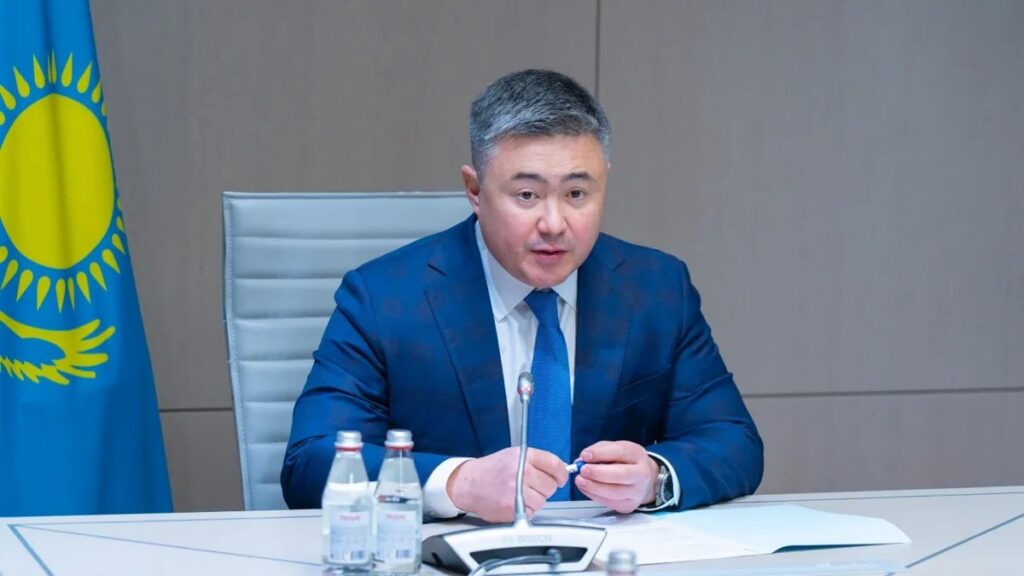
Kazakhstan Central Bank Chief Sees No Pressure on Tenge After Rate Cut

Kazakhstan’s central bank governor has sought to calm concerns over the tenge after the National Bank cut its base rate for the first time since October 2025, saying demand for local-currency assets should remain stable despite lower returns. The National Bank of Kazakhstan lowered its base rate to 17% from 18% on June 5, citing slowing inflation and an improved economic outlook. The decision was based on updated assessments of inflation risks and key macroeconomic indicators, the bank said. Annual inflation slowed to 10.4% in May from a peak of 12.9% recorded in September last year. The central bank also raised its oil price assumption for the remainder of 2026 to $90 per barrel for Brent crude. National Bank Governor Timur Suleimenov said the rate cut would lower returns on tenge-denominated deposits but would not trigger a significant shift into foreign-currency assets. “Interest rates on tenge deposits remain substantially higher than returns on foreign-currency deposits,” Suleimenov told reporters. “A one-percentage-point reduction will not fundamentally change the attractiveness of deposits or other tenge-denominated assets such as corporate bonds and government securities.” Suleimenov said demand for local-currency assets is expected to remain stable, limiting pressure on the exchange rate. He acknowledged that the tenge could face seasonal pressure during the summer because of increased demand for foreign currency linked to overseas travel and dividend payments by Kazakhstani companies listed on international exchanges. However, he said Kazakhstan’s economic fundamentals remain supportive of the national currency. “Oil prices are rising, while metal prices have increased by an average of around 17%, with some commodities gaining as much as 40%,” Suleimenov said. “If there are no major external shocks, I see no reason for any significant weakening of the tenge.” The central bank also revised its inflation forecast for 2026 downward to a range of 9%-11%, compared with a previous estimate of 9.5%-11.5%. Its inflation forecast for 2027 remains unchanged at 5.5%-7.5%. Suleimenov said the bank expects inflation to approach its long-term target of 5% by 2028 as external inflationary pressures ease and government and central bank measures take effect. “The slowdown in inflation during April and May gave us room to lower the base rate,” he said. “But it would be premature to say inflation has been defeated. Future decisions will depend on incoming data and our assessment of risks.” The official exchange rate stood at 487.4 tenge per U.S. dollar on June 7. The outlook remains cautious. As previously reported by The Times of Central Asia, S&P Global Ratings forecast that the tenge would average around 540 per dollar in 2026, reflecting expectations of a weaker currency over the medium term.