

• KGS/USD = 0.01144 0%
  • KZT/USD = 0.00215 0%
  • TJS/USD = 0.10599 -0.28%
  • UZS/USD = 0.00008 0%
  • TMT/USD = 0.28571 0%
  • KGS/USD = 0.01144 0%
  • KZT/USD = 0.00215 0%
  • TJS/USD = 0.10599 -0.28%
  • UZS/USD = 0.00008 0%
  • TMT/USD = 0.28571 0%
  • KGS/USD = 0.01144 0%
  • KZT/USD = 0.00215 0%
  • TJS/USD = 0.10599 -0.28%
  • UZS/USD = 0.00008 0%
  • TMT/USD = 0.28571 0%
  • KGS/USD = 0.01144 0%
  • KZT/USD = 0.00215 0%
  • TJS/USD = 0.10599 -0.28%
  • UZS/USD = 0.00008 0%
  • TMT/USD = 0.28571 0%
  • KGS/USD = 0.01144 0%
  • KZT/USD = 0.00215 0%
  • TJS/USD = 0.10599 -0.28%
  • UZS/USD = 0.00008 0%
  • TMT/USD = 0.28571 0%
  • KGS/USD = 0.01144 0%
  • KZT/USD = 0.00215 0%
  • TJS/USD = 0.10599 -0.28%
  • UZS/USD = 0.00008 0%
  • TMT/USD = 0.28571 0%
  • KGS/USD = 0.01144 0%
  • KZT/USD = 0.00215 0%
  • TJS/USD = 0.10599 -0.28%
  • UZS/USD = 0.00008 0%
  • TMT/USD = 0.28571 0%
  • KGS/USD = 0.01144 0%
  • KZT/USD = 0.00215 0%
  • TJS/USD = 0.10599 -0.28%
  • UZS/USD = 0.00008 0%
  • TMT/USD = 0.28571 0%

Viewing results 1 - 6 of 18

Animal Euthanasia in Kazakhstan: Cruelty or Necessity?

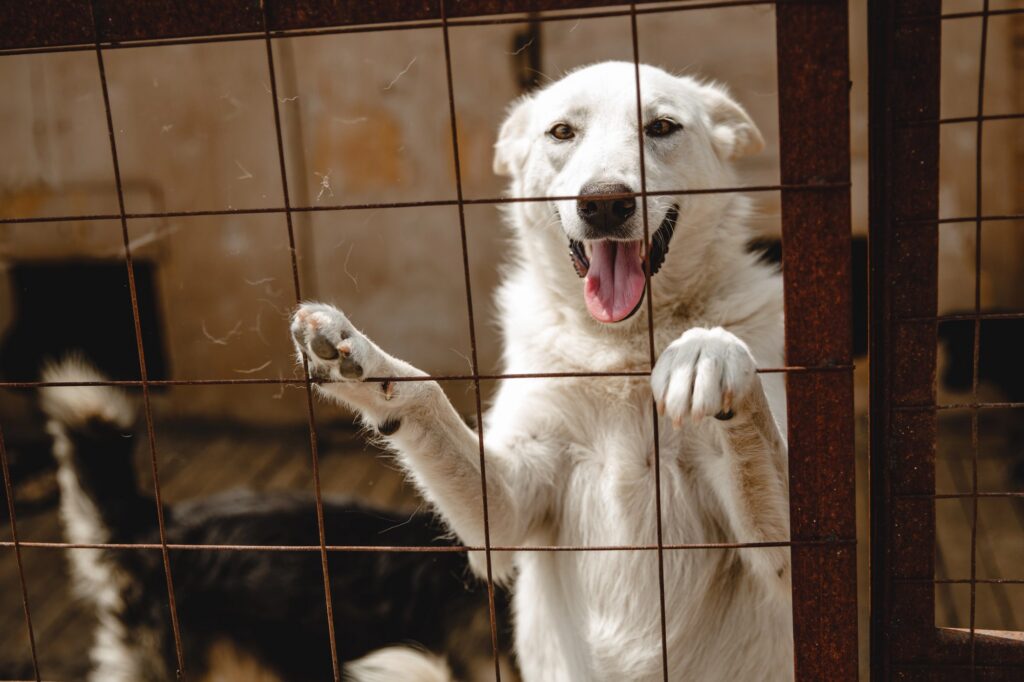
In early April 2026, Kazakhstan's lower house of parliament, the Mazhilis, approved in the first reading amendments to the law “On Responsible Treatment of Animals.” The key proposed change is a shift away from the policy of returning vaccinated and sterilized dogs to their habitats, toward the legalization of euthanasia. The decision has triggered a sharp public divide: supporters cite safety concerns, particularly for children, while critics view the amendments as a rollback of the humane principles enshrined in the 2021 law and an attempt to compensate for institutional shortcomings through the mass culling of stray animals. Background: From Reform to Reversal In 2021, Kazakhstan sought to overhaul its approach to managing stray animal populations, aligning it with international practices. This led to the adoption of a dedicated law, which formalized a transition from culling to the CNVR model (capture, neuter, vaccinate, and return). The reform was presented as a compromise between humane treatment and public safety. The shift was driven by both civic activism and political momentum. In 2020, President Kassym-Jomart Tokayev described attitudes toward animals as a benchmark of societal development, acknowledging systemic shortcomings in the country. He later emphasized that state protection should extend to both people and animals. The initiative received support both domestically and internationally. Authorities pledged a systemic approach, including the creation of a national animal registry, mandatory microchipping, expansion of shelters, and tighter regulation of pet ownership. The expectation was that these measures would gradually reduce the stray population in a humane and sustainable manner. The Case for the Amendments: Safety and Cost The amendments, introduced in 2024, propose a transition to a no-return capture model. Despite criticism from animal welfare groups, the bill passed its first reading on April 8, 2026, and was forwarded to the Senate eight days later. Lawmakers, including Mazhilis committee chairman Yedil Zhanbyrshin, argue that the CNVR model has failed to deliver results under Kazakhstan’s conditions. They cite an increase in the stray dog population from 207,000 in 2022 to 247,000 in 2023. Another factor highlighted is the unintended consequence of mandatory microchipping introduced in 2023. According to lawmakers, the cost of registration and sterilization, averaging around 27,000 KZT (approximately $54), led some owners to abandon their pets. This, they argue, is reflected in the sharp decline in registered dogs, from 28,000 in 2022 to just 961 in 2024. Public safety remains the central argument. According to the Ministry of Health, Kazakhstan records an average of 105 animal attacks per day. Fiscal considerations are also significant. A full CNVR program is estimated to require annual spending of 14-15 billion KZT (approximately $28-30 million). Against the backdrop of competing budget priorities, including education and healthcare, lawmakers consider such expenditures excessive. They also point to practices in countries such as the United States and Japan, where euthanasia is used as a population control measure. Under the proposed model, captured animals would be held for a limited period, 15 days for unchipped dogs and 60 days for those with identified owners....
Uzbekistan Drafts New Law to Strengthen Animal Protection

Lawmakers in Uzbekistan are preparing a draft law aimed at strengthening protections for animals and addressing animal cruelty more systematically, according to the Ecological Party’s faction in the Legislative Chamber. Despite a reported decline in incidents in recent years, cases of animal cruelty continue to be reported, often without a clear motive and sometimes for entertainment, the party said. Deputies argue that existing measures, although recently tightened, remain insufficient to fully address the problem. On March 25, Uzbekistan adopted amendments increasing penalties for animal cruelty. Under the revised rules, offenders may face fines ranging from 15 to 25 times the base calculation amount (approximately $34) or up to 15 days of administrative detention. However, lawmakers say these measures should be complemented by a broader legal framework. The new draft law, titled “On the Protection of Animals from Cruel Treatment,” is being developed as a comprehensive response. According to the party, it draws on international experience and is designed not only to punish violations but also to prevent them. Among its key provisions is a clearer legal definition of acts constituting animal cruelty, along with stricter prohibitions. The draft also proposes revising criminal liability, including increasing fines to up to 200 times the base calculation amount (approximately $6,775) or introducing prison sentences of up to one year. In addition, the legislation would require offenders to fully cover veterinary treatment costs for injured animals, even if those costs exceed the animal’s market value. It also outlines responsibilities for pet owners, including proper care and a ban on abandoning animals. The draft includes provisions to support the development of pet-friendly public spaces and proposes legal recognition of guide dogs and emotional support animals in public transport. It also emphasizes education and public awareness through schools and media to encourage more humane treatment of animals.

Uzbekistan Proposes Ban on Marriages Between Relatives

Uzbekistan’s Ministry of Justice has drafted legislation that would ban marriages between distant blood relatives, including unions between uncles and nieces, aunts and nephews, and cousins up to the third degree, UzNews.uz reported. The proposed penalties for violating the ban include fines or correctional labor of up to two years. Exceptions would apply only in cases where one of the prospective spouses is an adopted child and no biological relationship exists. Under current law, Uzbekistan’s Family Code prohibits marriages between close blood relatives in a direct ascending or descending line, as well as between full and half-siblings and between adoptive parents and adopted children. The proposal follows alarming findings from a recent study highlighting the genetic risks associated with consanguineous marriages. According to Zamin.uz, researchers from the Center for Advanced Technologies have identified dozens of new genetic mutations in Uzbek individuals. The study revealed that every second child tested carried a hereditary mutation, and nearly 86% of children were found to be carriers of at least one damaged gene, twice the international average. Researchers attribute this trend to the high prevalence of kinship marriages, which in some Uzbek regions account for roughly one-quarter of all unions. Experts warn that these genetic anomalies not only increase the likelihood of hereditary disorders but also elevate the risks of diabetes, cardiovascular conditions, and cancer. The study's authors strongly recommend introducing genetic testing for couples prior to marriage as a public health measure.

Dozens of Human Trafficking Attempts Prevented in Kazakhstan

Kazakh law enforcement agencies have disrupted dozens of serious human trafficking attempts during the nationwide STOP-Traffic operational and preventive campaign, according to the Ministry of Internal Affairs. The ministry reported 39 recorded cases of attempted human trafficking, including six involving minors. In Almaty, authorities dismantled a criminal group engaged in the illegal sale of newborns. According to investigators, the suspects exploited vulnerable young women by persuading them to give up their babies in exchange for money. More than 20 criminal cases have been opened, and all suspects have been detained. If convicted, they face up to 18 years in prison and confiscation of property. In the Abai Region, law enforcement uncovered forced labor operations involving local citizens. Eleven criminal cases have been initiated, and the case files are being prepared for court proceedings, the ministry said. Routine inspections of nightlife venues in several regions, including Shymkent, Zhambyl, Aktobe, West Kazakhstan, Karaganda, and Kostanay, also led to the prevention of exploitative practices involving both adults and minors. In Astana, police and prosecutors conducted targeted raids near the city’s railway station on Goethe Street. Eight individuals are currently under prosecution for organizing and operating brothels for sexual exploitation. Meanwhile, in the Akmola Region, the activities of a religious group operating a so-called “spiritual center” were halted. Law enforcement seized religious literature, ceremonial items, and ritual objects. Expert examinations have been ordered, and the investigation remains ongoing. Authorities also documented the operations of “elite escort” services in Astana, Almaty, and Shymkent. The organizers allegedly recruited young women from nightclubs and bars. Related criminal cases have been submitted to court on charges of organizing prostitution. In the first half of 2025, Kazakhstan recorded 134 crimes related to human trafficking. This comes amid the implementation of a new national law on combating human trafficking, which took effect in 2024. The law was developed by the Ministry of Internal Affairs with technical support from the International Organization for Migration.

Kazakhstan Introduces Criminal Liability for Stalking

For the first time, Kazakhstan has established criminal liability for stalking at the legislative level, according to the General Prosecutor’s Office. New Article in the Criminal Code On July 16, 2025, President Kassym-Jomart Tokayev signed a law amending the Criminal Code to include Article 115-1, titled “Stalking.” The article defines stalking as the unlawful pursuit of an individual through persistent attempts to establish contact or conduct surveillance against their will, causing significant harm but without the use of physical violence. Punishments include a fine of up to 200 monthly calculation indices (MCI), up to 200 hours of community service, or arrest for up to 50 days. If stalking involves threats, blackmail, or invasion of privacy, it may be prosecuted under other provisions of the Criminal Code. “The purpose of introducing this liability is to protect victims at an early stage and to establish zero tolerance for violent and aggressive behavior,” the Prosecutor General’s Office stated. From Proposal to Law The idea to criminalize stalking was first raised in 2023 during a coordination council meeting at the Prosecutor General’s Office. Marat Abishev, head of the Service for the Protection of Public Interests, highlighted the growing prevalence of obsessive harassment, particularly targeting women. “Women are increasingly faced with the phenomenon of stalking, that is, obsessive persecution,” he said. Abishev noted that many countries, including Germany, the US, Canada, the UK, Norway, Poland, Moldova, the Netherlands, and India, have long established criminal penalties for stalking. In contrast, Kazakhstan lacked even administrative regulation until now. Abishev initially proposed studying the issue and introducing relevant amendments to the Code of Administrative Offenses. However, the country has since taken a stronger stance by enacting full criminal liability. The General Prosecutor’s Office urges citizens not to ignore signs of stalking. “In such situations, it is necessary to immediately contact the internal affairs authorities,” the agency advised. How to Identify Stalking In an interview with MIR24.TV, lawyer Artem Baghdasaryan explained that under the new Kazakh legislation, stalking involves intrusive, repeated attempts to contact or monitor a person against their will, resulting in significant psychological or personal harm but without physical violence. He emphasized that stalking is defined by systematic behavior rather than isolated incidents. Key indicators include: Continuous surveillance near the victim’s home or in public Frequent phone calls, text messages, or unwanted social media interactions Collecting personal data without consent, such as routes or contacts Lurking in public places frequented by the victim Internationally, this list often includes online harassment and the sending of unsolicited gifts. Comparison with International Practice Many Western countries have recognized stalking as a criminal offense since the 1990s, with laws in the US, UK, and Germany carrying prison terms for offenders. In contrast, Russia has not yet adopted a separate criminal statute. There, lawmakers have proposed a phased approach: beginning with administrative liability and restraining orders, followed by criminal prosecution for repeat offenses. “While Kazakhstan has taken a decisive step by introducing a criminal article right away, Russia is moving toward gradual...

‘Saltanat’s Law’: Have the Lives of Kazakhstani Women Changed?

One year ago, on April 15, 2024, President Kassym-Jomart Tokayev signed a landmark package of legislative amendments aimed at addressing domestic violence in Kazakhstan. Quickly dubbed 'Saltanat's Law' by the public, the reforms are seen as honoring the memory of 31-year-old Saltanat Nukenova, who was brutally murdered by former Minister of the Economy, Kuandyk Bishimbayev. First Results: Statistics, Challenges, and New Realities Nukenova’s death and the viral public outcry under the hashtags #SupportSaltanat and #LifeImprisonment, catapulted domestic violence from the policy periphery to a national priority, prompting Parliament to pass amendments within weeks. The legislation reinstated criminal liability for battery and minor bodily harm, introduced penalties for repeat offenses within a year, prohibited reconciliation in cases involving minors, and instituted life sentences for murder and sexual violence against children. The law came into force on June 16, 2024. One year on, activists say there is enough data to evaluate early outcomes. Crucially, advocates note that the law has empowered women with legal language: for the first time, they can cite specific criminal statutes rather than relying solely on moral appeals. Yet, infrastructure has lagged. At the time of the legislation's adoption, there were 49 crisis centers nationwide; by mid-2025, that number had grown to 69. Still, 85% of districts lack access to shelters. With a population exceeding 1.2 million, Shymkent has only one center despite receiving 11,000 violence-related complaints. The Abay and Kyzylorda regions have none. Funding remains precarious: this spring, the Turkestan region’s largest center nearly closed due to unpaid utility bills. While international organizations provide training and grants, a stable government funding mechanism is still absent. Voices from Across Kazakhstan The Times of Central Asia spoke with women from various cities to gauge how the law has impacted daily life and their perceptions of safety. Kamilla, 21, a barista in Almaty, has observed a subtle shift: “Men have become more cautious, especially older ones. Bosses who used to make threatening or derogatory comments are more restrained now. They fear imprisonment, not just a fine. Still, I’m not confident the police would take my side. Many people still say, ‘It’s your own fault.’ But among my friends, few would ever justify violence. That’s already progress.” Madina, 19, a student from Taraz, sees increased online engagement: “Now, when someone shares their story, it goes viral," she told TCA. "People comment, repost, and demand justice. But on the ground, in the neighborhoods, little has changed. Women are still afraid. There’s nowhere to go, and often no family support.” Gulnara, 39, an accountant in Astana, recalls a neighbor’s silence: “She was often beaten. We offered help, but she waved us off. She didn’t want ‘to air dirty laundry.’ It’s not just about laws, it’s about mentality. Many still see the law as distant, irrelevant to their own lives.” Dana, 27, a makeup artist in Kostanay, says the law offers emotional support: “When it passed, we felt heard. But we know it’s just a beginning," she told TCA. "Young people are more outspoken...
