• KGS/USD = 0.01144 0%
  • KZT/USD = 0.00211 0%
  • TJS/USD = 0.10802 -0.18%
  • UZS/USD = 0.00008 0%
  • TMT/USD = 0.28490 0%
  • KGS/USD = 0.01144 0%
  • KZT/USD = 0.00211 0%
  • TJS/USD = 0.10802 -0.18%
  • UZS/USD = 0.00008 0%
  • TMT/USD = 0.28490 0%
  • KGS/USD = 0.01144 0%
  • KZT/USD = 0.00211 0%
  • TJS/USD = 0.10802 -0.18%
  • UZS/USD = 0.00008 0%
  • TMT/USD = 0.28490 0%
  • KGS/USD = 0.01144 0%
  • KZT/USD = 0.00211 0%
  • TJS/USD = 0.10802 -0.18%
  • UZS/USD = 0.00008 0%
  • TMT/USD = 0.28490 0%
  • KGS/USD = 0.01144 0%
  • KZT/USD = 0.00211 0%
  • TJS/USD = 0.10802 -0.18%
  • UZS/USD = 0.00008 0%
  • TMT/USD = 0.28490 0%
  • KGS/USD = 0.01144 0%
  • KZT/USD = 0.00211 0%
  • TJS/USD = 0.10802 -0.18%
  • UZS/USD = 0.00008 0%
  • TMT/USD = 0.28490 0%
  • KGS/USD = 0.01144 0%
  • KZT/USD = 0.00211 0%
  • TJS/USD = 0.10802 -0.18%
  • UZS/USD = 0.00008 0%
  • TMT/USD = 0.28490 0%
  • KGS/USD = 0.01144 0%
  • KZT/USD = 0.00211 0%
  • TJS/USD = 0.10802 -0.18%
  • UZS/USD = 0.00008 0%
  • TMT/USD = 0.28490 0%

Viewing results 1 - 6 of 2

Designer Madina Tompiyeva: Kazakhstan’s Fashion Is Becoming a Language of Identity

Kazakhstani fashion is increasingly moving beyond style alone, with designers using clothing to explore heritage and contemporary identity. Anima, an Almaty-based brand, describes itself as an ethno-urban concept made in Kazakhstan. Its collections combine urban fashion with local aesthetics and motifs drawn from nomadic culture. The Times of Central Asia spoke with Anima founder Madina Tompiyeva about clothing as a language for the soul and freedom. She also discussed how Kazakhstani culture appears in contemporary silhouettes and why younger consumers are turning to fashion with stronger local references. TCA: Please tell us a little about yourself. How did you come to create the Anima brand, and what has this project become for you today? Madina: Since childhood, I dreamed of creating clothes and having my own fashion house. But the path to this was not straightforward. I studied economics, lived in different countries, worked in international companies, and spent a long time looking for answers to questions about what truly makes a person happy. At some point, my path led me to yoga, psychology, retreats, and a deeper acquaintance with myself. That is when the idea of Anima appeared. At first, I simply wanted to create clothes for myself comfortable, free, and honest. But very quickly I realized that through clothing, one can convey not only aesthetics, but also a state of being. Today, Anima is much more than a clothing brand for me. It is a way to speak about freedom, identity, beauty, and a person’s connection with their inner nature. TCA: What idea did you want to put into Anima from the very beginning? Madina: The word Anima itself translates as “soul.” From the very beginning, I wanted to create pieces that help a person feel like themselves, rather than play a role or conform to expectations. The foundation of the brand has always been the idea of returning to one’s essence: through comfort, natural fabrics, freedom of movement, and pieces that do not shout about themselves, but allow the person to come through. TCA: How do you define the brand’s visual language? Madina: I would describe it as a combination of cultural codes from around the world, natural forms, and a contemporary urban silhouette. We are inspired by the traditions of different peoples, but we do not reproduce them literally. We are more interested in reinterpreting cultural heritage through a contemporary form. That is why in our collections, you can see minimalism, ethnic motifs, Asian silhouettes, and modern functionality at the same time. TCA: The description of Anima includes the phrase “ethno-urban concept made in Kazakhstan.” What does this mean for you in practice? Madina: For us, it means a dialogue between tradition and modernity. We live in a global world, but at the same time, every nation has its own memory, culture, and meanings. Anima explores how these cultural roots can exist in a contemporary urban environment. Our pieces should look equally organic in Almaty, Berlin, and Tokyo, while still preserving their unique identity. TCA: How important is it...

Mikhail Borisoglebsky’s Dzhangyr-Bai: Kazakh Steppe Culture and a Society in Transition

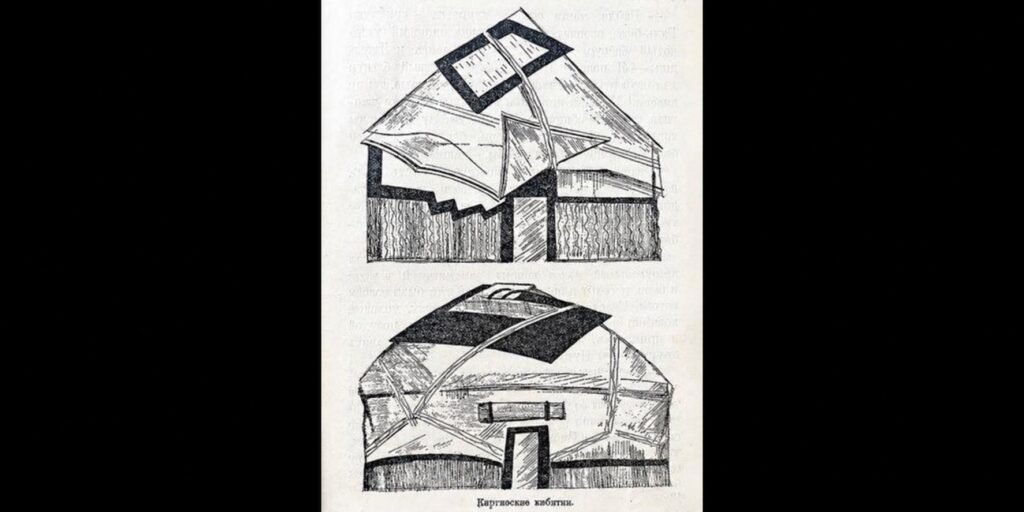
Among the overlooked literary works of the early Soviet period, Mikhail Borisoglebsky’s Dzhangyr-Bai stands as a fascinating cultural and historical artifact. Published in Moscow and Leningrad in 1926, the illustrated book follows Dzhangyr-Bai, a Kazakh figure of the old steppe order, as he confronts a changing world. It is also a vivid ethnographic portrait of the Kazakh steppe, with close attention to its music, clothing, traditions, and spiritual atmosphere. The surviving illustrated edition shows how literature once acted as a bridge between cultures, documenting a way of life being rapidly reshaped by modernization and Soviet reform. The opening pages immediately immerse the reader in the vastness of the steppe, described as boundless and almost eternal in its quiet. Borisoglebsky presents the Kazakh landscape poetically, comparing it to a calm sea beneath the sky. The rhythm of the seasons defines life there: harsh winters bury the earth beneath snow, while spring brings birdsong, grasslands, and nomadic movement. This introduction is not decorative. The steppe itself becomes a living presence in the story, shaping the mentality and fate of the people who inhabit it. At the center of the narrative is Dzhangyr-Bai, a representative of the old order. Through his character, Borisoglebsky explores the tension between tradition and the “new time” that emerged after the Russian Revolution. The story reflects a historical moment when nomadic customs and clan authority came under pressure from Soviet visions of modernization and social change. Dzhangyr-Bai symbolizes a generation struggling to understand whether change is a threat or an opportunity. One of the book’s most striking aspects is its ethnographic richness. The illustrations included in the edition are valuable visual records of Kazakh culture in the 1920s. Traditional clothing and wedding attire are carefully depicted, along with ornaments and everyday objects. These images reveal the elegance and practicality of steppe life. Headdresses and layered garments, many of them embroidered, show how identity and status were expressed visually in nomadic society. The illustrations of musical instruments are equally important. The dombra and kobyz shown in the book appear as central elements of cultural memory rather than exotic curiosities. Other traditional instruments also appear as part of the same artistic world. In Kazakh culture, music has long carried history and lineage, giving emotional form to memory. Through songs and oral storytelling, generations preserved their worldview long before widespread literacy. By including these instruments, the publication acknowledges the deep intellectual and artistic traditions of the Kazakh people. Another memorable section depicts children’s toys and household objects. These seemingly simple details offer insight into everyday life in the steppe. They remind modern readers that history is carried by ordinary habits as well as political upheaval. Such details transform the book into a historical archive as much as a literary work. Today, Dzhangyr-Bai has value far beyond its original political context. For contemporary readers in Kazakhstan and Central Asia, the book captures a transitional era when ancient nomadic civilization encountered industrial modernity. It records material life while also showing how people understood...