• KGS/USD = 0.01144 0%
  • KZT/USD = 0.00201 0%
  • TJS/USD = 0.10581 0%
  • UZS/USD = 0.00008 0%
  • TMT/USD = 0.28571 0%
  • KGS/USD = 0.01144 0%
  • KZT/USD = 0.00201 0%
  • TJS/USD = 0.10581 0%
  • UZS/USD = 0.00008 0%
  • TMT/USD = 0.28571 0%
  • KGS/USD = 0.01144 0%
  • KZT/USD = 0.00201 0%
  • TJS/USD = 0.10581 0%
  • UZS/USD = 0.00008 0%
  • TMT/USD = 0.28571 0%
  • KGS/USD = 0.01144 0%
  • KZT/USD = 0.00201 0%
  • TJS/USD = 0.10581 0%
  • UZS/USD = 0.00008 0%
  • TMT/USD = 0.28571 0%
  • KGS/USD = 0.01144 0%
  • KZT/USD = 0.00201 0%
  • TJS/USD = 0.10581 0%
  • UZS/USD = 0.00008 0%
  • TMT/USD = 0.28571 0%
  • KGS/USD = 0.01144 0%
  • KZT/USD = 0.00201 0%
  • TJS/USD = 0.10581 0%
  • UZS/USD = 0.00008 0%
  • TMT/USD = 0.28571 0%
  • KGS/USD = 0.01144 0%
  • KZT/USD = 0.00201 0%
  • TJS/USD = 0.10581 0%
  • UZS/USD = 0.00008 0%
  • TMT/USD = 0.28571 0%
  • KGS/USD = 0.01144 0%
  • KZT/USD = 0.00201 0%
  • TJS/USD = 0.10581 0%
  • UZS/USD = 0.00008 0%
  • TMT/USD = 0.28571 0%
24 February 2026

Viewing results 1 - 6 of 20

Gurbanguly Berdymuhamedov’s Unannounced Visit to Florida Draws Attention

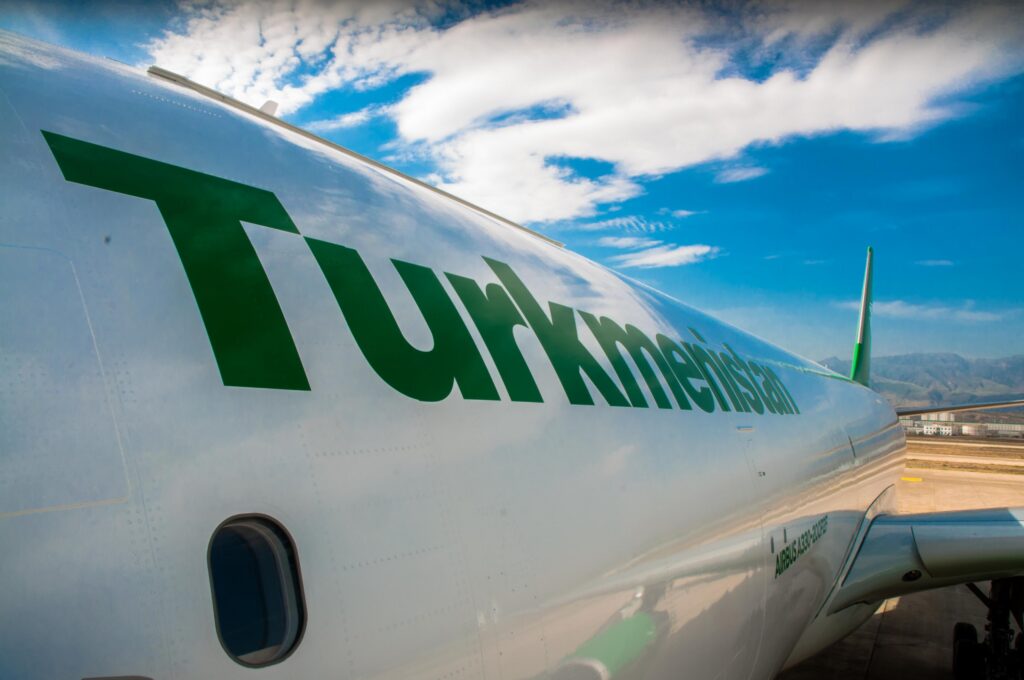
From February 16 to 18, Gurbanguly Berdymuhamedov, Turkmenistan's former president and current Chairman of the Halk Maslahaty, Turkmenistan’s highest representative body, visited the U.S. state of Florida. Turkmen state media did not disclose details of the visit’s program, limiting coverage to a brief report on the trip. Berdymuhamedov arrived at Fort Lauderdale-Hollywood International Airport aboard a government Boeing 777 (tail number EZ-A780). Local journalists and aviation observers reported possible damage to the aircraft’s horizontal stabilizer. The green-and-white liveried airliner remained parked at the airport for several days. Aaron Rosen, president of the World Affairs Council of Miami, noted that the visit coincided with renewed U.S. interest in Central Asia. According to Rosen, the region is strategically significant due to its energy resources, geopolitical location, and security considerations. He also referred to recent statements by Turkmenistan’s Foreign Ministry emphasizing the importance of dialogue with Washington to develop constructive relations. U.S. media reported that Berdymuhamedov’s trip overlapped with President Donald Trump’s weekend stay at his Mar-a-Lago residence, located approximately a 45-minute drive from Fort Lauderdale-Hollywood International Airport. Local 10 News footage showed heightened security measures and a VIP passenger boarding the Boeing 777 prior to departure. The aircraft left Florida several days later. Separately, a government Boeing 737 (tail number EZ-A700) arrived from Ashgabat, refueling in Glasgow before continuing to Florida. After a brief stop in Florida, the Boeing 737 returned to Turkmenistan, making an additional refueling stop in Munich. Turkmen authorities have not officially disclosed the purpose of Berdymuhamedov’s visit.  Turkmenistan’s current president is Serdar Berdymuhamedov, Gurbanguly Berdymuhamedov’s son.
Kazakhstan and Israel Deepen Cooperation in Astana

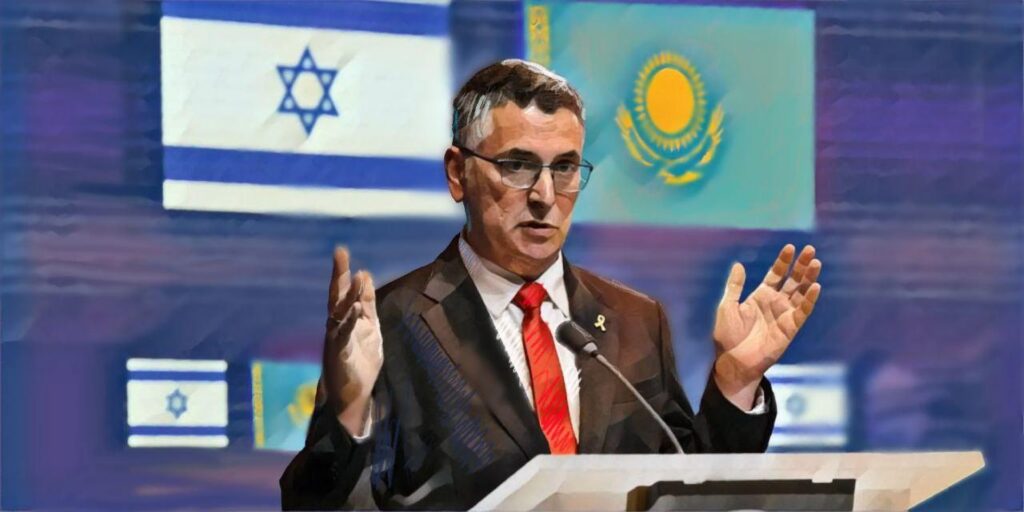
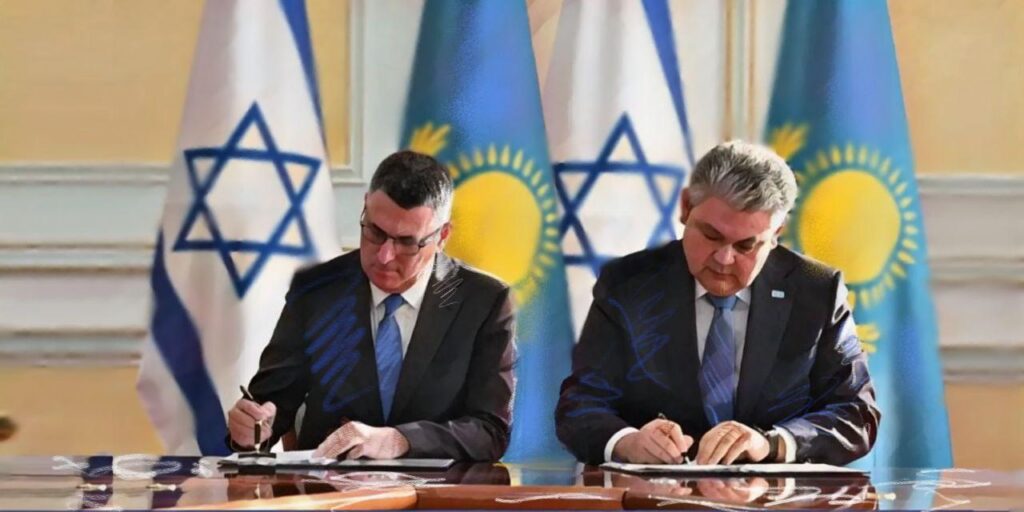
Israeli Foreign Minister Gideon Sa’ar’s official visit to Astana on January 27, 2026, was the first by an Israeli foreign minister to Kazakhstan in 16 years, and it yielded a package of institutional and economic steps. President Kassym-Jomart Tokayev received Sa’ar and Foreign Minister Yermek Kosherbayev, holding talks that both sides framed as elevating cooperation to a new level. The two foreign ministries signed documents on diplomatic training and public diplomacy, and agreed to pursue visa-free travel for holders of ordinary passports. A Kazakhstan–Israel business forum convened in parallel, with January–November 2025 trade of about US$162.4 million cited as the baseline for expansion. The visit’s value lay in its forward-looking measures to deepen cooperation. The sides agreed to convene the Kazakhstan–Israel Joint Economic Commission at a ministerial level. This move creates a regular venue where sector priorities can be translated into specific workstreams. The Kazakhstan–Israel business forum was framed as the practical feeder for that process, as both sides publicly identified a project map running from high-tech agriculture and water-resource management through digital technologies (including artificial intelligence) to infrastructure and logistics, energy efficiency and renewables, and healthcare and pharmaceuticals. In parallel, the two foreign ministries’ political consultations, in their twelfth round, covered wider international and regional agendas, including Middle East confidence-building and peaceful-settlement initiatives. Regularizing Cooperation Channels The documents signed in Astana were narrow-gauge instruments designed to regularize contacts. The memorandum on diplomatic training provides for structured interaction in the preparation of diplomatic personnel. What this means in practice is that exchanges between the two foreign-policy services will be routinized through their training institutions rather than on an ad hoc basis. The memorandum on public diplomacy set a framework for coordinated outreach, providing an agreed approach to presenting their cooperation. Taken together, these instruments are the administrative layer that will operationalize joint political intent. The visa initiative was narrowly framed as a statement of intent to conclude a visa-exemption agreement for holders of ordinary passports, not as an agreement already in force. In practice, such a regime would lead to higher tourism flows and denser business travel. The latter development would widen the base of commercial contacts, which could in turn be carried into ministerial-level economic follow-up. The visa track is thus an enabling measure for the economic agenda. At the leadership level, Sa’ar publicly invited President Tokayev to visit Israel. This move signals an intent to sustain momentum beyond merely ministerial channels. The visit coincided with International Holocaust Remembrance Day in Kazakhstan, and Sa’ar participated in a state ceremony in Astana connected to the commemoration. The ceremony included senior officials and diplomatic representatives, with official messaging from Tokayev to Israel’s president on the occasion. The civic and humanitarian nature of this event complemented a visit that otherwise concentrated on governance mechanisms, economic priorities, and institutionalizing diplomatic follow-through. First Steps Toward Joint Projects Beyond merely listing priority sectors, the business forum also surfaced first-step commercial and quasi-commercial documents providing a basis for follow-through. Kazakhstan’s investment agency reported three signed items:...

Astana–Israel Talks Span Technology, Trade, and Holocaust Remembrance

Kazakh President Kassym-Jomart Tokayev met Israeli Foreign Minister Gideon Sa’ar in Astana on January 27, marking the first official visit by an Israeli foreign minister to Kazakhstan in almost 16 years, and underscoring Astana’s stated interest in deepening economic and technological cooperation with Israel as it continues to recalibrate its foreign policy. According to the Kazakh presidential administration, the talks focused on expanding bilateral relations across trade, investment, science, and technology, with both sides emphasizing practical areas of cooperation. The visit came as Kazakhstan seeks to diversify its economy beyond hydrocarbons and strengthen partnerships with countries at the forefront of applied innovation. Tokayev said the visit demonstrated Israel’s commitment to strengthening comprehensive cooperation with Kazakhstan, while discussions highlighted concrete sectors for collaboration, including artificial intelligence, agrotechnology, water resource management, and digital governance. These areas align closely with Kazakhstan’s national development priorities, particularly its focus on digital transformation, public-sector reform, and productivity-driven growth. Economic cooperation featured prominently throughout the visit. A Kazakh-Israeli business forum was held alongside the high-level talks, aimed at translating diplomatic engagement into commercial outcomes. Kazakhstan’s Foreign Ministry said the forum is expected to support new investment partnerships and initiate joint projects in high-value sectors, with a focus on technology transfer and localized projects. Kazakh officials said bilateral trade reached $162.4 million between January and November 2025, with exports totaling $92.1 million and imports $70.3 million. While modest in absolute terms, the figures were cited as evidence of untapped potential, particularly in non-resource sectors where Israeli companies have global expertise. As part of the discussions, Kazakhstan invited Israeli firms to participate in national digital transformation initiatives, including projects related to e-government, data-driven public services, and digital infrastructure. Officials cited Kazakhstan’s recent progress in digital governance and public-sector innovation as a foundation for expanded cooperation. Kazakhstan and Israel established diplomatic relations in 1992, shortly after Kazakhstan gained independence. Israel opened its embassy in Almaty in 1996, while Kazakhstan inaugurated its embassy in Tel Aviv in 2000, laying the groundwork for steady but largely low-profile bilateral ties. Political relations have traditionally been pragmatic, with cooperation focused on trade, agriculture, healthcare, and education rather than formal alliances. Bilateral trade has remained modest, reflecting limited commercial engagement beyond specific sectors such as agrotechnology, pharmaceuticals, and water management. In recent years, Astana has shown growing interest in Israel’s applied innovation ecosystem, particularly in areas aligned with Kazakhstan’s domestic reform agenda, including digital governance, artificial intelligence, and public-sector modernization. Israeli firms have previously participated in pilot projects and advisory initiatives in Kazakhstan, though large-scale joint ventures have been limited. Kazakhstan has also positioned itself as a neutral diplomatic actor in the Middle East, maintaining relations with Israel while emphasizing interfaith dialogue and mediation. Beyond economic ties, the talks also addressed regional and international issues, including developments in the Middle East and Kazakhstan’s diplomatic positioning in support of the objectives underpinning the Abraham Accords framework. Sa’ar welcomed Kazakhstan’s engagement, describing it as a constructive contribution to dialogue and cooperation between Israel and Muslim-majority countries. Sa’ar...

From Hydropower to Human Capital: Japarov Plans Strategic Visit to Japan

Kyrgyz President Sadyr Japarov is preparing for a visit to Japan that underscores growing strategic ties between the two countries. Kyrgyz officials say they plan to sign energy and infrastructure agreements in Tokyo, including support for a training center for the national electric grid and upgrades at the Kurpsai hydropower plant, according to Trend, citing the Kyrgyz Energy Ministry. The same report notes that grant funding from Japan’s international cooperation programs will back grid training and modernization efforts. The timing reflects Tokyo’s recent step-up in activity vis-à-vis Central Asia. As previously reported by The Times of Central Asia, in late August 2025, Japan’s foreign minister undertook a multi-country tour that emphasized long-term engagement and connectivity across the region. Japanese officials framed their approach as trust-building, focused on people-to-people links, infrastructure, and practical cooperation. Energy cooperation is expected to feature prominently during the visit. Kyrgyz officials say the Japan-backed training center is moving through final approval, and modernization of the Kurpsai facility is planned with Japanese grant support. Bishkek has also invited Japanese participation in additional hydropower projects, positioning Japan as a technology and financing partner in Kyrgyzstan’s power sector. Labor mobility and skills are another focus. The authorities in Kyrgyzstan have been working with Japanese counterparts to create safe, legal pathways for Kyrgyz workers. In July, Kyrgyz officials met with Japan’s construction human-resources association to align training standards and prepare workers for job opportunities in Japan, and free Japanese-language courses were launched in Bishkek to improve employability for prospective migrants. Education and cultural exchange underpin the relationship. Over three decades, Japan has funded scholarships, exchanges, and language programs that connect Central Asian students to Japanese universities. An overview of these initiatives highlights how education has become a durable pillar of Japan’s regional engagement, building familiarity with Japanese business practices and technology among Kyrgyz graduates. For Bishkek, the visit is about turning ongoing cooperation into signed projects and new resources. Officials point to the grid training center and Kurpsai upgrades as near-term deliverables, while the broader agenda includes workforce programs and academic ties. The message from both sides is continuity: steady, practical steps rather than headline-grabbing announcements. Regionally, Japan’s approach offers Central Asian countries additional partners for finance, training, and technology. For Kyrgyzstan, deeper ties with Tokyo complement existing relationships while helping diversify investment sources and markets. The outcome to watch is whether the visit locks in concrete funding and timelines for priority energy and skills initiatives outlined by the Kyrgyz side.

Tokyo Steps Up: Iwaya’s Central Asia Tour Signals Japan’s Long-Term Commitment

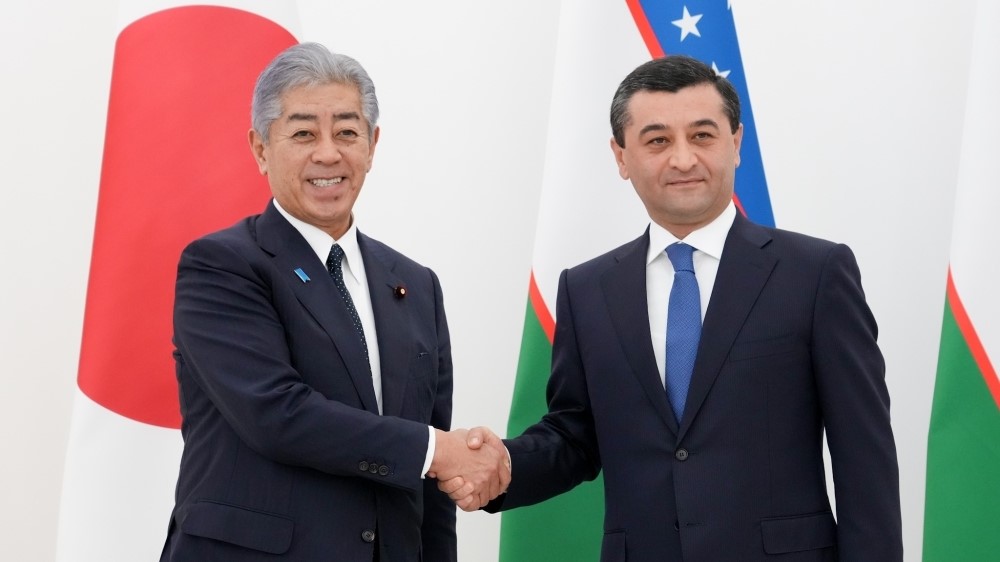
Japanese Foreign Minister Takeshi Iwaya made a landmark trip to Central Asia from August 24–28, 2025, holding talks in Kazakhstan and Uzbekistan. Tokyo framed the visit as a bid to deepen bilateral ties and revive the Central Asia plus Japan leaders’ summits. The visit fulfilled commitments made by then-Prime Minister Kishida, who had planned a similar tour in 2024 before cancelling at the last minute due to a domestic earthquake alert. Strategic Engagement Iwaya’s visit reflects Tokyo’s long-standing, multifaceted approach to Central Asia. Analysts emphasized to The Times of Central Asia that Japan is pursuing “trust-building diplomacy” in the region, focusing on human capital, infrastructure, and governance rather than quick geopolitical wins. Tokyo inaugurated the Central Asia plus Japan Dialogue format in 2004, making it the first outside power to group all five Central Asian republics within a single framework. As Professor Timur Dadabaev of Tsukuba University told The Times of Central Asia, Tokyo is seen “not as a competing hegemon, but as a partner that invests in the region’s human capital, infrastructure, and governance in ways that reinforce independence.” This approach contrasts with what has been characterized as the transactional models of other powers. On August 25, Iwaya met with Kazakhstan’s Deputy Prime Minister and Foreign Minister Murat Nurtleu in Astana, marking his first official visit to the country. The talks underscored both sides’ commitment to strengthening ties as strategic partners and in upholding a “free and open international order based on the rule of law.” The ministers welcomed active exchanges and pledged to expand cooperation in trade, investment, mineral resources, disaster prevention, and nuclear non-proliferation. They also announced plans to accelerate preparations for the long-delayed Central Asia plus Japan summit. [caption id="attachment_35524" align="aligncenter" width="1000"] Japanese Foreign Minister Iwaya with Kazakh Foreign Minister Nurtleu in Astana after their meeting on August 25, 2025; image Japan MOFA[/caption] In Tashkent, Iwaya echoed this message, calling Uzbekistan “an important strategic partner,” and highlighting the first-ever foreign ministers’ strategic dialogue held there. Japanese officials also stressed their policy does not aim to pressure Central Asian partners on sensitive issues. Characterizing Japan as a “catalyst to promote interconnectivity and inter-regional cooperation,” Foreign Ministry spokesman Toshihiro Kitamura stated that Tokyo does not see a zero-sum “competition between Japan and other countries. We would like to see Central Asian countries work together with other parts of the world.” In Tashkent, Kitamura explicitly noted that while Japan condemns Russia’s invasion of Ukraine, it will not pressure Uzbekistan or others to take the same stance. “The relationship between Russia and the Central Asian countries is a very delicate issue. Each country should take into account the relations it establishes with other countries. Even if it is with Russia, such relations do not affect the relations of other countries with Japan,” Kitamura stated. Bilateral Agreements In Kazakhstan, Iwaya held high-level talks with President Kassym-Jomart Tokayev and Foreign Minister Nurtleu. Tokayev welcomed Japan as a “reliable and close partner in Asia” and said ties are “developing dynamically.” The sides agreed to...

Bridges, Not Blocs: Japan’s Central Asia Approach

Japan is one of the countries that has been most active in recent years in terms of deepening political and economic relations with the republics of Central Asia. However, the geopolitical and ideological grounds for Tokyo's activism have received less attention than those of other countries. In early August 2024, then Prime Minister Fumio Kishida was scheduled to visit the region, but the visit was cancelled at the last minute due to the risk of a major earthquake that could have struck Japan at that time. During his visit, Kishida was also expected to announce the launch of an economic aid package for the Central Asian republics. As confirmed by the Ministry of Foreign Affairs in Tokyo, Japanese Foreign Minister Takeshi Iwaya is visiting the region over the coming days, landing in Kazakhstan on August 24, before moving on to Uzbekistan until August 28. In the two countries, he will meet with his Kazakh and Uzbek counterparts, Murat Nurtleu and Bakhtiyor Saidov, respectively, with the aim in both cases of strengthening bilateral relations. Japan's interest in Central Asia is long-standing: the Central Asia Plus Japan Dialogue format was launched back in 2004, a platform that has been emulated by several countries in the following years. From a political point of view, this is a very smooth relationship, as confirmed to The Times of Central Asia by Timur Dadabaev, Professor of International Relations at the University of Tsukuba. “Japan’s engagement with Central Asia is driven less by immediate material gain and more by its pursuit of trust-building diplomacy,” Dadabaev told TCA. “It is a relationship rooted in Japan’s desire to be seen as a reliable, non-imperial partner that supports the sovereignty, stability, and regional agency of Central Asian states. Unlike other powers, Japan positions itself as a ‘distant neighbor without hidden agendas,’ which makes its initiatives particularly well-received. Over the years, this has translated into Japan being perceived not as a competing hegemon, but as a partner that invests in the region’s human capital, infrastructure, and governance in ways that reinforce independence rather than dependence.” The relationship between Japan and the Central Asian republics is based on many concrete elements - cooperation on energy, migrant workers, and connectivity - which, as Tomohiko Uyama, Professor of Modern History and Politics of Central Asia at Slavic-Eurasian Research Center at the Hokkaido University pointed out to TCA, represent the basis for broader diplomatic engagement. “The relationship between Japan and Central Asia is based on geopolitical factors. For Japan, Central Asia is a region that shares troublesome neighbors, Russia and China,” Uyama said. “Increasing Japan's presence in this region is important for curbing the excessive expansion of China and Russia’s global influence. However, strengthening diplomatic relations requires fostering economic and human relations. Therefore, in addition to its traditional technical cooperation, Japan is seeking to promote decarbonization, transportation connectivity, and human resource development.” Professor Dadabaev also stresses that the two dimensions - the one linked more to concrete elements and the one that has more to...