


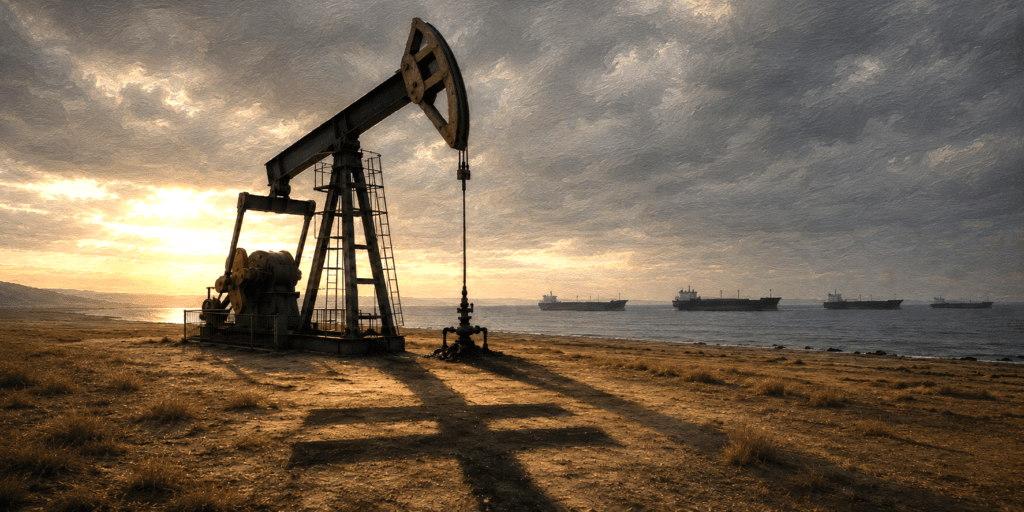
Opinion: Kazakhstan, Oil, the Iran War and Dutch Disease
In 1977, The Economist coined a new term for the (potential) negative consequences of a short-term boom in natural resources: “Dutch disease.” The phenomenon got its name from an analysis of the decline of the manufacturing sector in the Netherlands following the 1960s natural gas discoveries at Groningen, in the northeastern Netherlands. The theory was that a surge in the price of a natural resource like oil or gas would likely cause currency appreciation, making imports cheaper and other sectors, like manufacturing, less competitive. Whether the recent spike in oil prices will contribute to Dutch disease in oil-rich Kazakhstan will likely depend on the length of the Iran war’s effect on oil prices (which could last well beyond the end of the conflict itself) and the government’s stewardship of Kazakhstan’s economy. President Kassym-Jomart Tokayev deserves credit for the government’s efforts to diversify the national economy. Investing in the nation’s manufacturing base, especially SMEs, educating the Kazakh workforce, and improving healthcare are all helping broaden the Kazakh economy and reduce the country’s dependence on oil. But oil is the main driver of Kazakhstan’s wealth, and while other sectors are increasing their share of Kazakhstan’s economy, oil and the wider extractive sector remain central to public finances, accounting for over 40% of government revenues. So, let’s do a deep dive on Kazakhstan’s oil. Most of Kazakhstan’s oil comes from the west of the country, including the Tengiz field near the Caspian Sea and the offshore Kashagan field in the northern Caspian. The Tengiz oil field is one of the deepest and largest oil fields in the world, while Kashagan, an offshore deposit, ranks as one of the largest global oil discoveries since the 1960s. Kazakhstan’s main export blend, CPC Blend, is a light, sweet crude, a desirable oil type that’s easy to refine into gasoline and diesel. Because the Iran war and restrictions around the Strait of Hormuz have disrupted tanker traffic and raised fears of supply shortages, global oil prices have climbed. And while high oil prices are generally a net positive for Kazakhstan, the current price - Brent crude was trading above $100 per barrel in mid-May 2026 - could present problems. In the short term, high oil prices tend to boost government revenues and budget surpluses. They can increase inflows to Kazakhstan’s National Fund, depending on production, tax receipts, transfers, and government withdrawal policy, and provide resources for government spending on infrastructure and social programs. They can also stimulate demand in related sectors, boosting Kazakhstan’s oil-related industries. And since oil exports typically make up more than half of the nation’s export revenues, high oil prices generally lead to a rise in Kazakhstan’s GDP. So far, so good. But high oil prices also carry risks. For one thing, they can strengthen the tenge and add to domestic demand, especially if higher revenues feed into faster government spending. Which is where Dutch disease comes in. As the stronger currency makes non-oil exports less competitive, capital and labor shift toward the energy...
