Is Kyrgyzstan About to Have a Snap President Election?
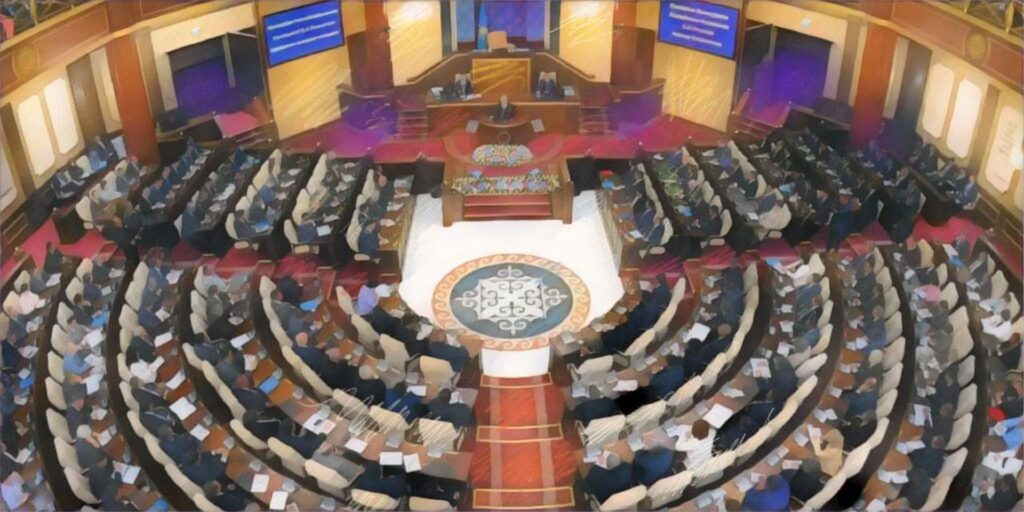
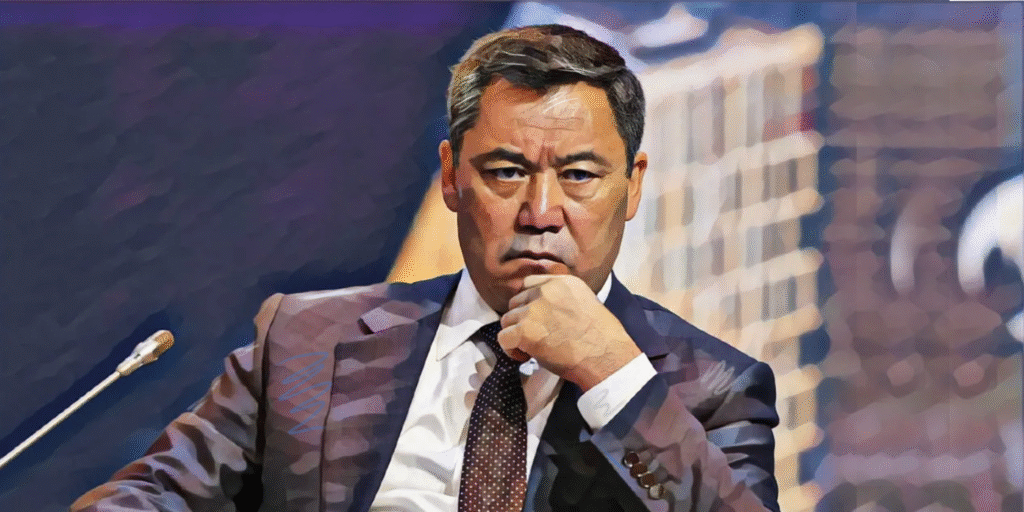
Kyrgyzstan held early parliamentary elections at the end of November 2025 that were moved forward by a year so that they would not overlap with the campaign for the presidential election scheduled for January 2027. On February 9, a group of 75 former officials and notable figures from various spheres of society publicly submitted a letter to the president and speaker of parliament calling on them to “immediately initiate a new election for president.” While there has yet to be any official response, such a proposal is likely to be accepted, leaving anyone who planned on running against incumbent President Sadyr Japarov with little time to organize a campaign. Early Parliamentary Elections In June 2025, amendments were introduced to the electoral system. The split system of using single-mandate districts and party lists to elect parliamentary deputies was changed to only single-mandate districts, and electoral districts were redivided. This sparked discussions that perhaps early parliamentary elections were needed to fill the 90 seats with deputies elected under the newly-approved system. The argument that tilted the debate toward early elections was that parliamentary elections were scheduled for late November 2026 and the presidential election for January 2027. The general opinion was that having the two elections so close together would make voters weary and unable to fully focus on the presidential campaign. Also, if the vote count was delayed in some districts or there were legal challenges, these processes would be ongoing as campaigning for the presidency got underway. The solution was to move parliamentary elections forward by a year. In September 2025, parliament voted to dissolve itself, and November 30 was named as the date for early elections. The Letter The petition addressed to President Japarov and Speaker of Parliament Nurlanbek Turgunbek uulu was signed by former deputies, nine former governors, four former prime ministers, several high-ranking members of the military, academics, artists, and even an Olympic Games medal-winner. The letter praised the current administration for establishing stability in Kyrgyzstan, strengthening the country’s armed forces, resolving long-standing border issues with Tajikistan and Uzbekistan, successfully battling corruption, and eliminating organized crime in the country. The letter also mentioned remaining problems such as the growing national debt, poverty, and the outflow of “especially young people” unable to find employment and going to other countries to work. A key point in the appeal for an early presidential election was that it would clear up an ambiguity in President Japarov’s term. Japarov came to power in the wake of the October 2020 revolution that was sparked by parliamentary elections riddled with irregularities. He was elected in January 2021 to a six-year term in office, but in April that year, a national referendum approved a new constitution with a five-year presidential term. Therefore, holding the presidential election this year would bring Japarov closer into line with the new constitution. Additionally, the previous constitution, which had a six-year presidential term, also limited a president to one term in office. The new constitution allows for two five-year terms....