Kazakhstan’s Constitutional Referendum Opens the Door to Major Institutional Reform
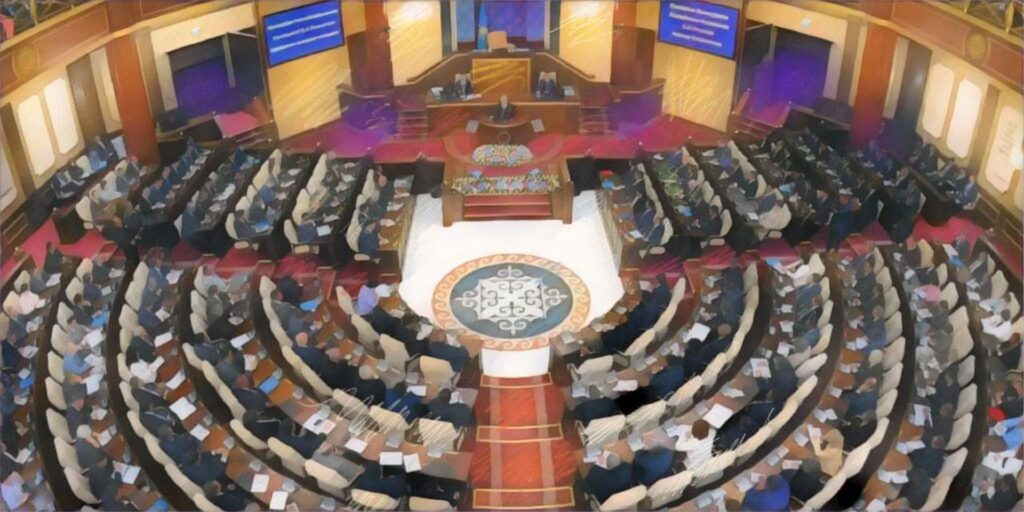
Kazakhstan will hold its constitutional referendum on March 15 on a draft that would replace the current bicameral parliamentary structure, restore the vice presidency, and reset the legal framework for the country’s post-2022 political order. The Central Referendum Commission has presented the vote as procedurally ready. On February 20, Qazinform reported that the commission had briefed the OSCE/ODIHR mission on preparations, saying infrastructure upgrades at all polling stations were complete, that voter lists included 12,416,759 eligible citizens, and that online services would allow voters to check their registration status. The same report said that public information efforts were underway across multiple channels, including personalized voter invitations with QR codes, and that the legal conditions were in place for accredited civic associations, non-profit organizations, and media representatives to work at polling stations. Administrative readiness, however, is only part of the story. The referendum’s significance lies in what adoption would change and what measures will be employed to move to the implementation stage afterward. Earlier TCA coverage examined the draft’s broader constitutional architecture and discussed its implications for the reordering of state authority. The issue now is narrower. A “yes” vote would approve a new institutional framework, but it would not by itself answer every question about how that framework will be interpreted, implemented, or used. However, the new constitution could allow future laws to move through parliament more expeditiously. The referendum is more than a routine exercise in constitutional amendment. The move announced in February was toward a new constitution rather than a narrower package of revisions. The draft would replace the current bicameral parliament with a single chamber, reduce the number of lawmakers, and reinstate the office of vice president. The text now before voters is being treated as a new basic law, not merely as a technical adjustment to the 1995 constitution. If approved, it will establish a new legal baseline from which later political interpretation begins. In addition, adoption would set a tight institutional timetable. If approved, the constitution would enter into force on July 1, and parliamentary elections would follow in August. Polling will take place at 10,402 stations, including 71 abroad, and official results must be published within seven days. In practical terms, March 15 would settle the text and begin the transition from constitutional approval to institutional implementation. That implementation phase has its own political weight. The referendum is considered valid if more than half of the eligible voters participate. The draft constitution will be adopted if a majority of those voting support it, provided the measure also receives majority support in at least two-thirds of Kazakhstan’s regions, cities of national significance, and the capital. Those thresholds are not unusual, but in this case, the authorities are seeking a public mandate for a new constitutional order. At the same time, the package also reaches beyond institutional mechanics. The draft would change the constitutional wording on the Russian language so that it would be used “along with” Kazakh rather than “on an equal footing” with it, and...