Kyrgyzstan Extends Fuel Subsidies Amid Russian Supply Disruptions
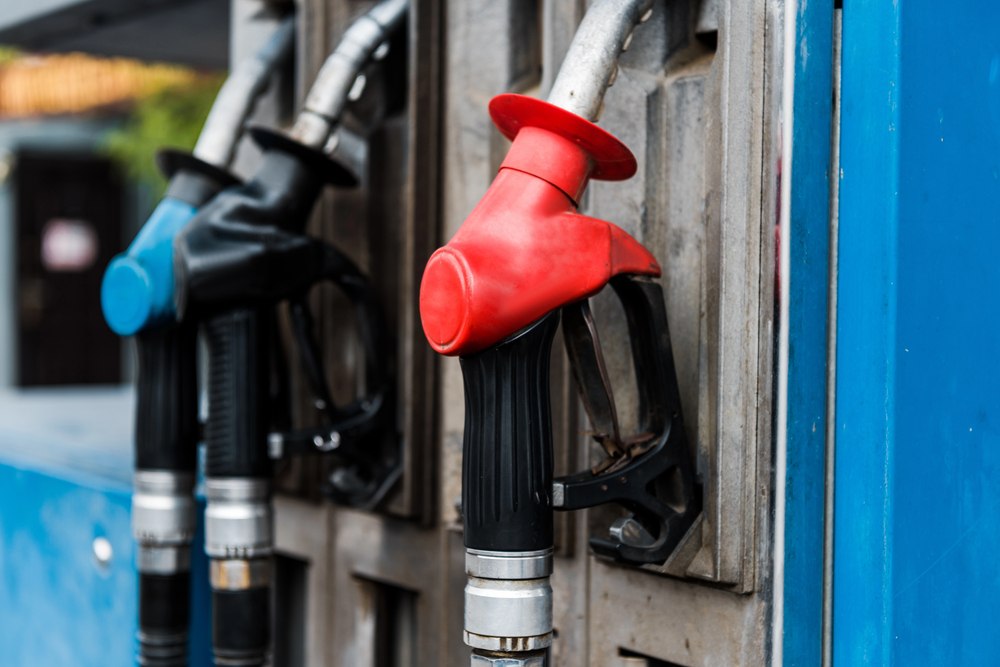
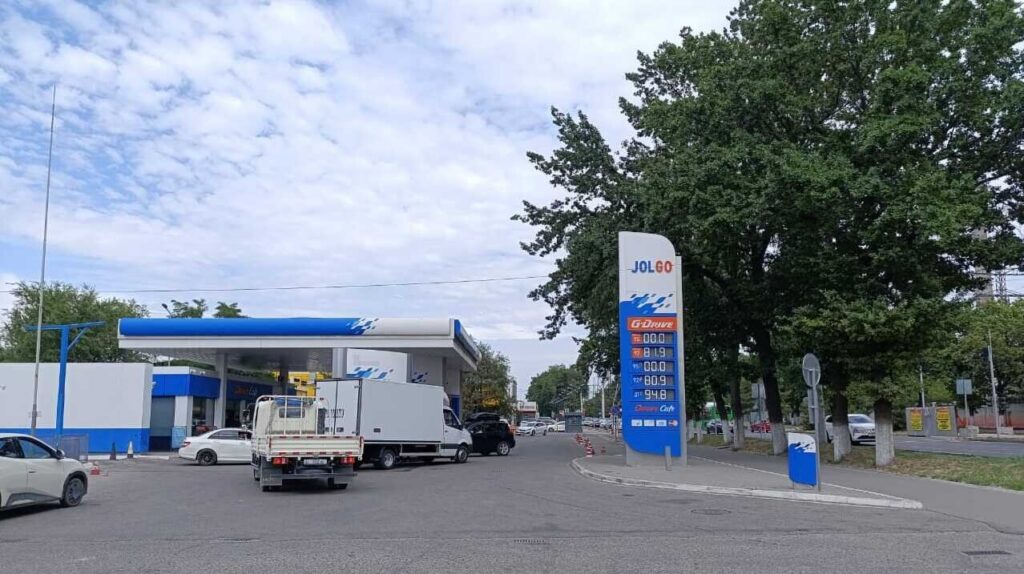
Kyrgyzstan has extended subsidies for fuel importers through the end of 2026. Bishkek is trying to contain prices at the pump as problems in the Russian fuel market push traders to seek supplies elsewhere and make domestic refining more important. On August 26, the Cabinet of Ministers extended a temporary fuel subsidy scheme through December 31.Under the scheme, the state covers part of eligible importers’ fuel and transportation costs when the total exceeds a fixed threshold. The government also raised those fixed prices: from $860 to $960 per metric ton for AI-92 gasoline, from $950 to $1,050 for diesel, and from $575 to $650 for automotive liquefied petroleum gas. The change means importers must now absorb more of the cost themselves before receiving a subsidy. AI-92 is a lower-octane gasoline broadly comparable to regular fuel in the United States. AI-95, closer to the standard unleaded gasoline sold across much of Europe, was included in the original subsidy mechanism introduced in late May, but has now been removed from both the subsidy program and temporary price regulation. The extension keeps government support in place for another three months. On August 25, Chairman of the Cabinet of Ministers Adylbek Kasymaliev said the government had allocated 956.1 million soms, or about $11.4 million, in subsidies to companies importing petroleum products. Kyrgyzstan receives more than 90% of its imported fuel from Russia, where Ukrainian drone attacks and refinery outages have reduced available supplies. Shortages have also emerged on the Russian domestic market, prompting Moscow to tighten restrictions on fuel exports, although supplies under intergovernmental agreements, including Russia’s agreement with Kyrgyzstan, are exempt. On August 25, Reuters, citing three industry sources, reported that Russia was set to extend its ban on diesel exports by producers through September as shortages persisted and several refineries remained idle following repeated Ukrainian drone attacks. Kyrgyzstan felt the effects relatively quickly. Gasoline and diesel prices rose, while some filling stations experienced shortages of AI-95 gasoline, even as the more widely used AI-92 remained available. Fuel traders have already begun buying from farther afield. China is emerging as an alternative source of supply. After talks with Sinopec, a Kyrgyz delegation met with state-owned CNPC on August 19. The discussions focused on procedures for supplying petroleum products to Kyrgyzstan through CNPC-affiliated Kunlun Logistics. Following the talks, Kyrgyz companies signed contracts with CNPC for petroleum product supplies, although volumes, prices, and delivery schedules were not publicly disclosed. The fuel squeeze has also made an existing effort to refine more oil domestically more important. The modernization of the Junda refinery is not a new response to the current shortages: the $193.75 million project was already underway earlier this year and had previously been scheduled for completion by July 31. On August 25, the National Investment Agency signed an additional agreement with Central Asia Energy Company allowing the next stage of modernization of the Junda refinery in Kara-Balta, the country’s largest, to begin. The latest announcement did not give a new completion date. The project...