• KGS/USD = 0.01144 0%
  • KZT/USD = 0.00198 -0%
  • TJS/USD = 0.10879 0%
  • UZS/USD = 0.00008 0%
  • TMT/USD = 0.28571 0%
  • KGS/USD = 0.01144 0%
  • KZT/USD = 0.00198 -0%
  • TJS/USD = 0.10879 0%
  • UZS/USD = 0.00008 0%
  • TMT/USD = 0.28571 0%
  • KGS/USD = 0.01144 0%
  • KZT/USD = 0.00198 -0%
  • TJS/USD = 0.10879 0%
  • UZS/USD = 0.00008 0%
  • TMT/USD = 0.28571 0%
  • KGS/USD = 0.01144 0%
  • KZT/USD = 0.00198 -0%
  • TJS/USD = 0.10879 0%
  • UZS/USD = 0.00008 0%
  • TMT/USD = 0.28571 0%
  • KGS/USD = 0.01144 0%
  • KZT/USD = 0.00198 -0%
  • TJS/USD = 0.10879 0%
  • UZS/USD = 0.00008 0%
  • TMT/USD = 0.28571 0%
  • KGS/USD = 0.01144 0%
  • KZT/USD = 0.00198 -0%
  • TJS/USD = 0.10879 0%
  • UZS/USD = 0.00008 0%
  • TMT/USD = 0.28571 0%
  • KGS/USD = 0.01144 0%
  • KZT/USD = 0.00198 -0%
  • TJS/USD = 0.10879 0%
  • UZS/USD = 0.00008 0%
  • TMT/USD = 0.28571 0%
  • KGS/USD = 0.01144 0%
  • KZT/USD = 0.00198 -0%
  • TJS/USD = 0.10879 0%
  • UZS/USD = 0.00008 0%
  • TMT/USD = 0.28571 0%
04 December 2025

Viewing results 1 - 6 of 3

French Pharma Giant Sanofi to Localize Production in Kazakhstan

French pharmaceutical company Sanofi, one of the world’s largest drugmakers, will localize the production of medical products in Kazakhstan. The agreement was reached following negotiations in Paris between Kazakh health Ministry officials and Sanofi representatives. Sanofi ranked tenth globally by revenue in 2024, earning $44.46 billion, according to Fierce Pharma. “During the discussions, issues related to current joint projects with Kazakhstan in the field of pharmaceuticals, the supply and production of medicines, as well as the development and implementation of innovative medical technologies were touched upon,” the ministry said in a statement. Talks also addressed broader cooperation with the French Development Agency (AFD) and Expertise France, which have been active in Kazakhstan’s healthcare sector. AFD, which opened a representative office in Astana in April, has already provided a €945,000 grant to improve medical infrastructure planning and management. Together with its subsidiary Proparco, the agency also financed a €90 million loan for the construction of a 630-bed hospital in Kokshetau. Beyond healthcare, as previously reported by The Times of Central Asia, the AFD is supporting environmental initiatives in Kazakhstan, including a joint project with France to preserve Lake Balkhash.

Tajikistan’s Pharmaceutical Sector Remains Heavily Dependent on Imports

Despite possessing vast reserves of medicinal plants, Tajikistan's pharmaceutical industry remains heavily reliant on imports. Experts are increasingly questioning why the sector has been reduced to a basic "buy-and-sell" model and what is hindering the use of the country’s natural resources. Abundant Resources, Limited Output Tajikistan is home to more than 3,500 species of medicinal plants, including licorice, mint, valerian, chamomile, motherwort, and even rare saffron. However, this natural wealth has not translated into pharmaceutical independence. In the past two years alone, Tajikistan has imported roughly $84 million worth of medicines. Currently, 67 pharmaceutical companies are registered in the country, producing around 600 types of drugs. Still, imported pharmaceuticals dominate the market. According to industry observers, the sector has evolved into a retail-focused trade, rather than a hub for research-based production. During the Soviet era, pharmaceuticals in Tajikistan were closely integrated with scientific institutions. Research institutes flourished, pharmacies compounded custom medications, and both training and quality control were rigorous. Following the collapse of the USSR, this infrastructure disintegrated. The responsible state committee was dissolved, and a previously regulated system was replaced by an unstructured market. Today, training programs are often accelerated, pharmacists’ qualifications are inconsistent, and the emphasis has shifted from treatment to sales. A Pharmacy That Heals Amid this decline, one notable exception is found in the city of Isfara, where a phytotherapy department has been established at the local hospital. Spearheaded by pharmacist Abubakr Faiziev, the department operates out of a restored facility where locally gathered herbs are used to produce traditional infusions and decoctions. Faiziev personally collects about half of the ingredients. “It is important to me that the pharmacy heals, not just sells,” he said. According to Faiziev, approximately 80% of patients return for follow-up treatment, often bypassing conventional doctors due to the perceived effectiveness of herbal therapies, a sentiment echoed even among members of the local elite. A Science in Decline Faiziev laments the erosion of scientific ambition in the country. "People now ask for business plans and guaranteed profits instead of pursuing knowledge. But science doesn’t work that way," he said. Research, he noted, has become sporadic and often relies on outdated data, with little interest from private companies in investing in innovation. Young professionals, too, are increasingly opting for commercial routes. “They prefer to open pharmacies for fast income rather than engage in research,” he explained. “There are many pharmacists now. But we must transform quantity into quality. Without passion for the profession, one cannot become a skilled expert.” The State’s Role and Untapped Potential President Emomali Rahmon has repeatedly stressed the need to develop the domestic pharmaceutical industry and better utilize Tajikistan’s natural resources. Ongoing reforms include updates to medical university curricula, the opening of laboratories, and the training of technologists and quality control specialists. Yet, experts argue that without a comprehensive, systematic strategy and active engagement from the private sector, these measures are insufficient. Faiziev advocates for the creation of a pharmaceutical technology park and the development of both the domestic...

Polpharma Group to Boost Pharmaceutical Production and Exports in Kazakhstan

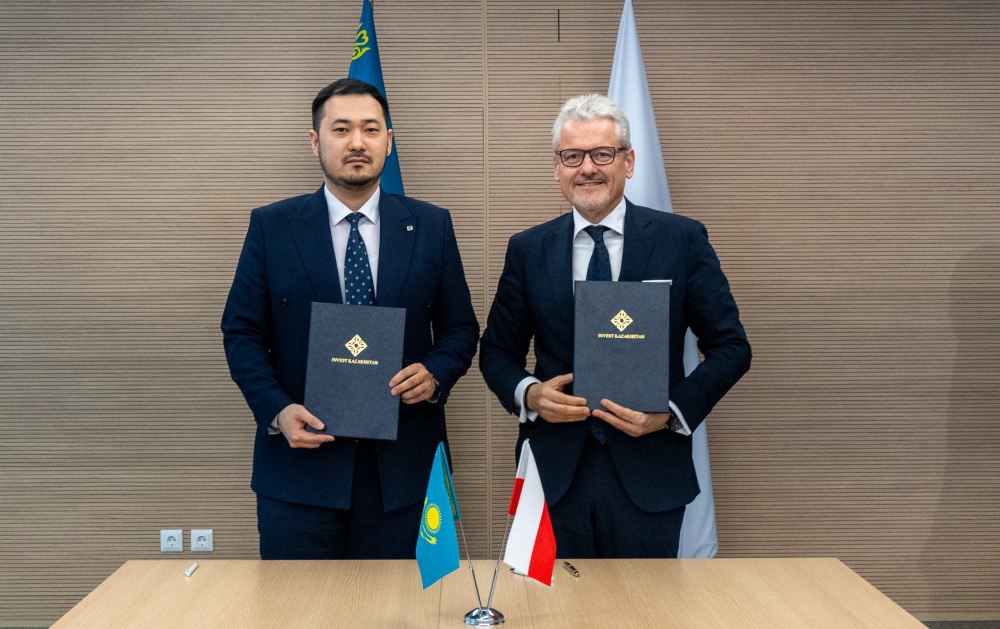
Kazakhstan’s national investment promotion agency, Kazakh Invest, has signed a Memorandum of Cooperation with Polpharma Group, a leading pharmaceutical manufacturer in Central and Eastern Europe, the Caucasus, and Central Asia. The agreement marks the launch of a €55 million investment project in Kazakhstan by SANTO, a member of the Polpharma Group. The memorandum was signed by Azamat Kozhanov, Deputy Chairman of Kazakh Invest’s Management Board, and Markus Sieger, CEO of Polpharma Group. Over the next decade, the project is expected to create approximately 300 jobs and significantly increase domestic pharmaceutical production, particularly for medications targeting socially significant diseases such as cancer, diabetes, and cardiovascular conditions. The initiative includes the introduction of new manufacturing lines, expanded R&D investment, and the development of training programs in line with international standards. This strategic partnership supports Kazakhstan’s national goal of increasing local pharmaceutical production to 50% of domestic demand. It also aims to position the country as a regional hub for pharmaceutical manufacturing and exports. “We are aware that President Kassym-Jomart Tokayev has set a clear objective to boost local pharmaceutical output to 50%, and we fully support this vision,” said Markus Sieger. “The COVID-19 pandemic revealed the vital importance of resilient, domestic supply chains. Our goal is not only to strengthen production in Kazakhstan but to transform the country into an export hub for large regional markets.” SANTO currently holds six Good Manufacturing Practice (GMP) certificates and has successfully passed inspections by the European Union. The company is now anticipating certification under EU GMP standards, which would provide access to EU markets for both the company and Kazakhstan’s broader pharmaceutical sector. Polpharma Group continues to expand its footprint in Central Asia. In 2024, 12% of the company’s global sales came from the region, a figure that is expected to grow further. The development of a pharmaceutical hub in Kazakhstan will enhance the country’s position in both domestic and international markets. These new investments, along with the expected GMP EU certification, are set to strengthen Kazakhstan’s global pharmaceutical competitiveness, reduce reliance on imports, and improve national pharmaceutical security.