• KGS/USD = 0.01144 0%
  • KZT/USD = 0.00218 0%
  • TJS/USD = 0.10610 -0.09%
  • UZS/USD = 0.00008 0%
  • TMT/USD = 0.28530 0%
  • KGS/USD = 0.01144 0%
  • KZT/USD = 0.00218 0%
  • TJS/USD = 0.10610 -0.09%
  • UZS/USD = 0.00008 0%
  • TMT/USD = 0.28530 0%
  • KGS/USD = 0.01144 0%
  • KZT/USD = 0.00218 0%
  • TJS/USD = 0.10610 -0.09%
  • UZS/USD = 0.00008 0%
  • TMT/USD = 0.28530 0%
  • KGS/USD = 0.01144 0%
  • KZT/USD = 0.00218 0%
  • TJS/USD = 0.10610 -0.09%
  • UZS/USD = 0.00008 0%
  • TMT/USD = 0.28530 0%
  • KGS/USD = 0.01144 0%
  • KZT/USD = 0.00218 0%
  • TJS/USD = 0.10610 -0.09%
  • UZS/USD = 0.00008 0%
  • TMT/USD = 0.28530 0%
  • KGS/USD = 0.01144 0%
  • KZT/USD = 0.00218 0%
  • TJS/USD = 0.10610 -0.09%
  • UZS/USD = 0.00008 0%
  • TMT/USD = 0.28530 0%
  • KGS/USD = 0.01144 0%
  • KZT/USD = 0.00218 0%
  • TJS/USD = 0.10610 -0.09%
  • UZS/USD = 0.00008 0%
  • TMT/USD = 0.28530 0%
  • KGS/USD = 0.01144 0%
  • KZT/USD = 0.00218 0%
  • TJS/USD = 0.10610 -0.09%
  • UZS/USD = 0.00008 0%
  • TMT/USD = 0.28530 0%

Viewing results 1 - 6 of 4

How Kazakhstan Is Preparing for Parliamentary Elections

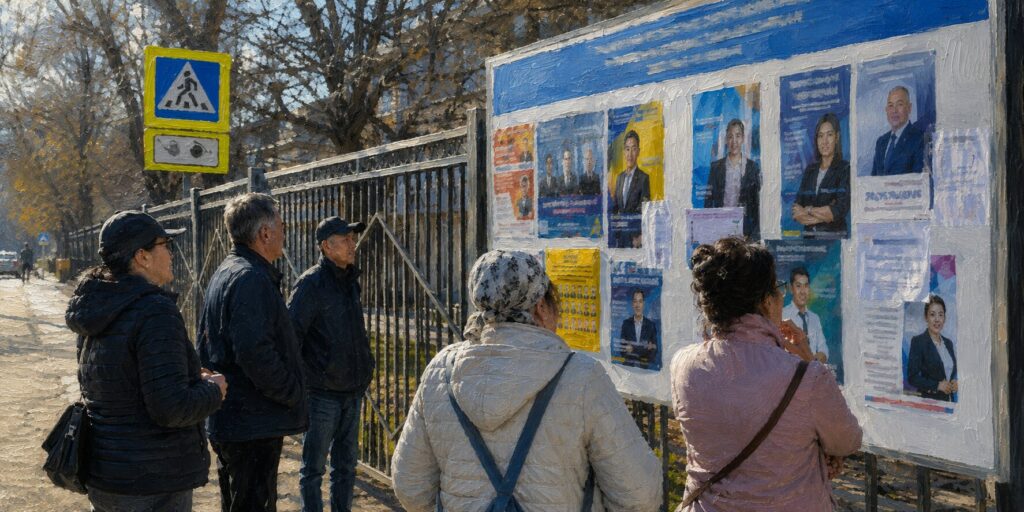
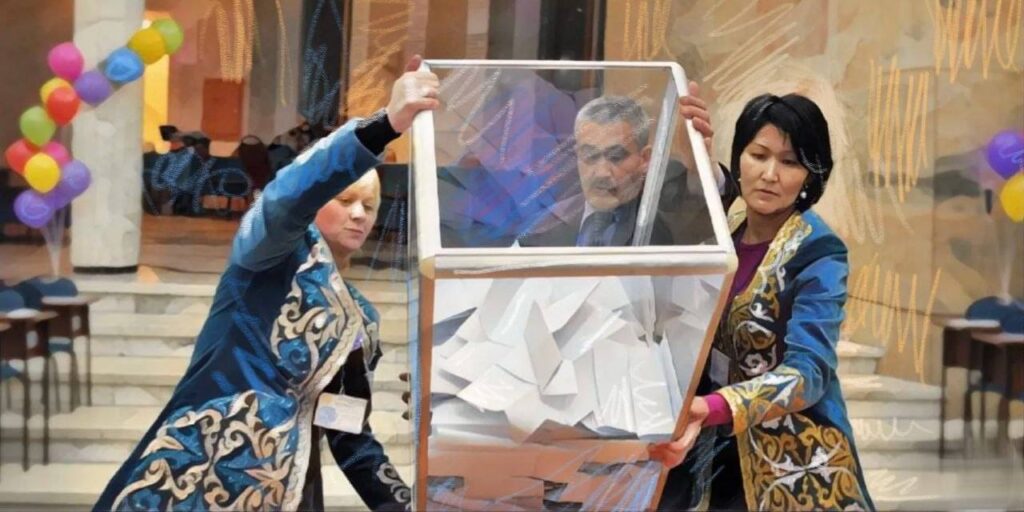
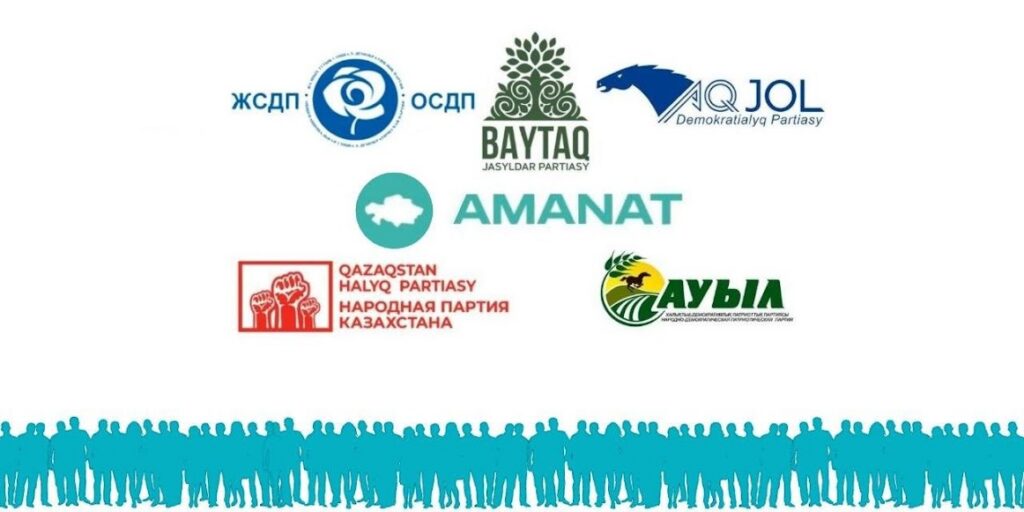
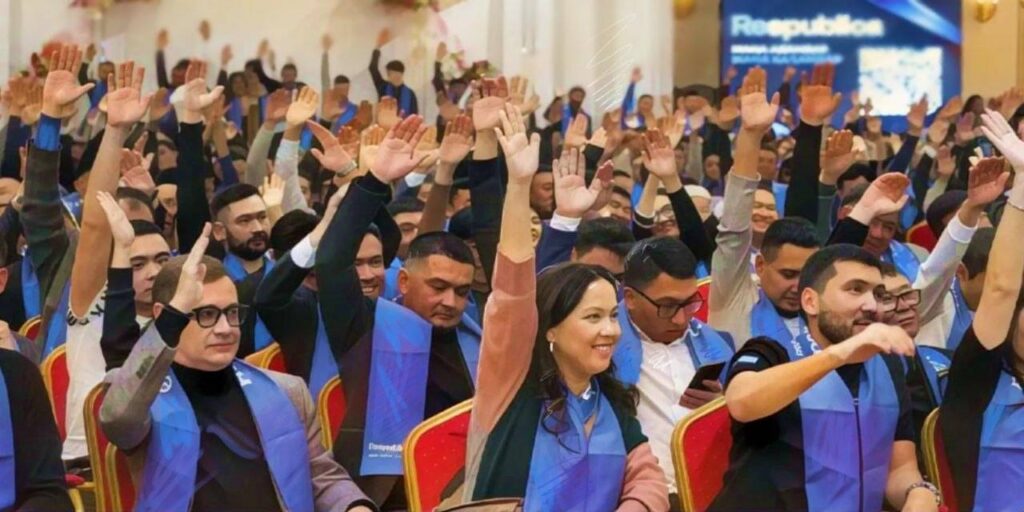
Kazakhstan is preparing for a major political reset centered on the introduction of a unicameral parliament, the Kurultai. Until now, legislative power in the country has been exercised by two chambers, the Mazhilis and the Senate. On April 10, President Kassym-Jomart Tokayev announced that elections would take place in August 2026. According to Tokayev, political parties will have a clear planning horizon and enough time to prepare for the campaign and voter outreach. A Stage Already Passed In 2023, Kazakhstan introduced significant changes to its political system. For the first time in 19 years, a mixed electoral model was used in elections to the lower chamber, the Mazhilis. Under this system, 69 deputies were elected via party lists, while 29 were chosen in single-member constituencies, allowing candidates to run independently of party affiliation. This option has now been removed, although the reasons remain unclear. These reforms were presented as part of a broader democratization effort. In the 2023 parliamentary elections, six parties passed the 5% threshold. Amanat, formerly Nur Otan, won 53.9% of the vote, followed by Auyl with 10.9%, Respublica with 8.59%, Aq Jol with 8.41%, the People’s Party of Kazakhstan with 6.8%, and the Nationwide Social Democratic Party (OSDP) with 5.2%. The Baytaq party received 2.3% and did not enter parliament. In practice, however, Amanat has remained the most active force in the Mazhilis. Some initiatives from Aq Jol, traditionally focused on business interests, have also stood out, while other parties have been less visible to voters. Amanat has advantages not available to other parties, including the presence of many senior officials in its ranks. The Auyl party was expected to represent agrarian and conservative interests, but its initiatives have not been clearly articulated. The OSDP, which has long positioned itself as an opposition party, previously claimed it was excluded from parliament. However, once represented in the Mazhilis, its initiatives have largely focused on narrow issues and have had limited impact on the broader political agenda. The People’s Party of Kazakhstan, once known for raising sharp issues, has been less active in the current parliament. Against this backdrop, Aq Jol has been comparatively stronger, showing a greater ability to shape the agenda and articulate clear positions. Baytaq has occupied an environmental niche, but despite the country’s significant ecological challenges, its voice has remained faint, making its prospects of entering the Kurultai uncertain. Respublica, a new party founded by young entrepreneurs, has also struggled to produce notable results. A potential eighth party, Adilet, may soon join the seven officially registered parties. The party has announced its launch and begun the registration process, though it has yet to name a formal leader. Some political analysts have described Adilet as a pro-government party. Political analyst Daniyar Ashimbayev noted that the concept of multiple pro-government parties is not new in Kazakhstan and suggested that some deputies could shift to Adilet by July. Systemic Criticism Political parties represented in parliament are regularly criticized by analysts for holding positions that closely align with Amanat...

Uzbekistan President’s Party Wins Landmark Election Held Under New Voting System

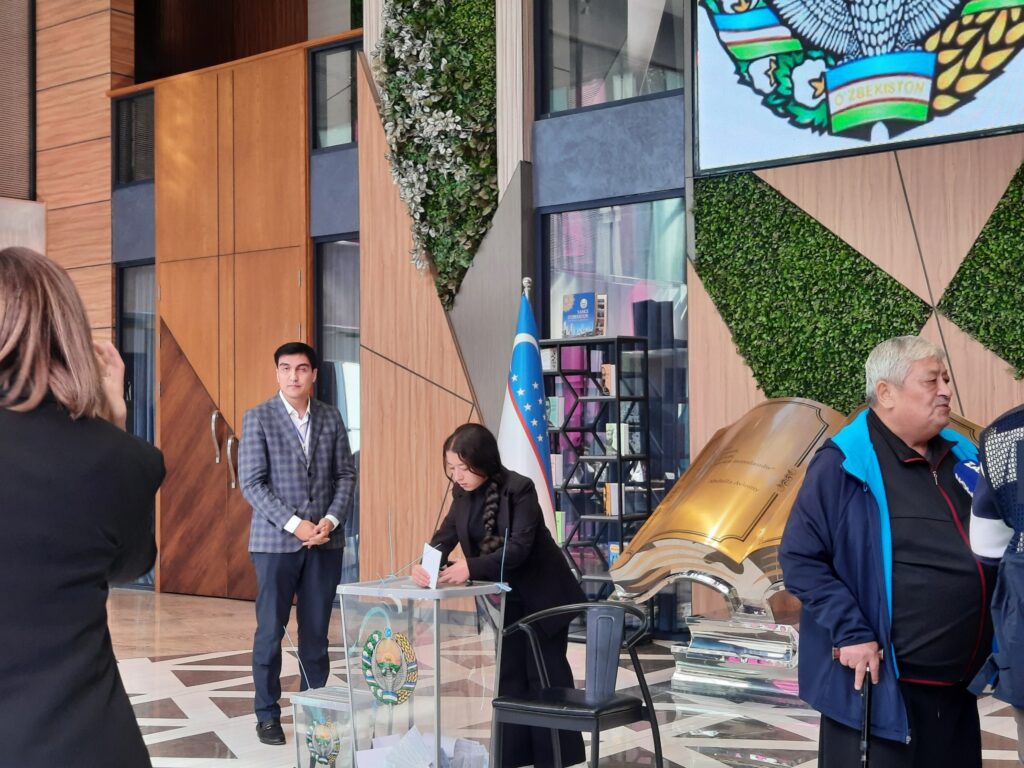
On October 27, Uzbekistan held elections for deputies of the Legislative Chamber of the Oliy Majlis (Lower House of Parliament) and local councils. This marks the first time these elections were conducted using a mixed (majority-proportional) system and featured electronic voting. For over a month, parties actively promoted their election programs to the public, with televised debates and messages on public transport urging citizens to participate in the elections and shape the country’s future. As required by law, all campaign activities were halted one day before the election. The electoral platforms of the five parties registered in Uzbekistan saw The Liberal Democratic Party of Uzbekistan (UzLiDeP) emphasize poverty reduction and promoting internal labor migration over the next five years. The party also campaigned on expanding public-private partnerships in water management, ecology, and energy to increase the private sector's share in the economy to 85%. Additionally, UzLiDeP pledged to improve education, healthcare, and social services, focusing on providing clean drinking water and sewage systems in schools. The party pledged to double the annual budget for healthcare to $6 billion, and advocated to enhance healthcare and social support for citizens over the age of 70. The People’s Democratic Party (PDP) focused on accessibility and social support, including assistive technologies at public transportation points for people with disabilities. They proposed adopting a “Social Housing” law, requiring luxury housing developers to allocate funds for social housing. This would benefit vulnerable groups, such as the homeless, people with disabilities, and those coming through the orphanage system. The party’s environmental initiatives included the Water Code and creating “Health Parks” for seniors near apartment complexes. The Milli Tiklanish (National Revival) Party’s platform spanned various topics, including youth development, cultural enrichment, family support, economic growth, and tourism. One key pledge emphasized Uzbekistan’s international relations, focusing on friendly ties with neighboring countries, cooperation, and maintaining peace - this despite party leader, Alisher Qodirov's anti-Russian rhetoric, including recent comments that “it would be better for [Russia] to deal with their own affairs [which are] full of problems than to deal with our internal issues." Qodirov has been actively responding to international discussions about Uzbekistan, reinforcing the party’s commitment to advancing national interests and strengthening Uzbekistan’s presence on the world stage. The Adolat (Justice) Social Democratic Party ran on a platform of advocating for media freedom, proposing reforms to safeguard journalists’ rights and prevent interference. Adolat pledged to introduce a “Presumption of Property Rights” to protect ownership and put forward affordable energy and price stability initiatives. The Ecology Party’s motto, “We are responsible for the future!” set out to drive home its focus on environmental and social issues. The party promoted government, business, and civil society efforts to address environmental challenges, whilst seeking to improve environmental legislation and education, and transitioning Uzbekistan toward a green economy. [caption id="attachment_24929" align="aligncenter" width="2560"] @TCA[/caption] According to Uzbek legislation, the election would be deemed valid once 33% of voters participated, and by 1pm local time 47.62% of voters had cast their ballots. President Shavkat Mirziyoyev and...